The 10th Jechon International Music and Film Festival
The 10th Jechon International Music and Film Festival (JIMFF) is due to commence on Thursday the 14th of August, running through until Tuesday the 19th.
JIMFF has always been one of the more unique festivals in Korea due to the focus on films featuring music, screening international and Korean productions as well as hosting three nights of live music on the picturesque Cheongpung Lake Stage.
The Cheongpung Lake Stage will also be the venue for the JIMFF Cinema Concert, arguably the most iconic event of the festival, which features classic films accompanied by a live orchestra. For JIMFF 2014, two classic Japanese films have been selected – Ozu Yashujiro’s A Story of Floating Weeds (1934) and Shimizu Hiroshi’s Japanese Girls at the Harbor (1933). Pianist Yanashita Mie, one of the most prestigious and celebrated contemporary musicians in silent cinema, will perform alongside the classic works.
The official trailer for JIMFF 2014, helmed by director/actress/screenwriter Ku Hye-sun (The Peach Tree (director), Boys Over Flowers (actress)), can be seen below.
Opening Film
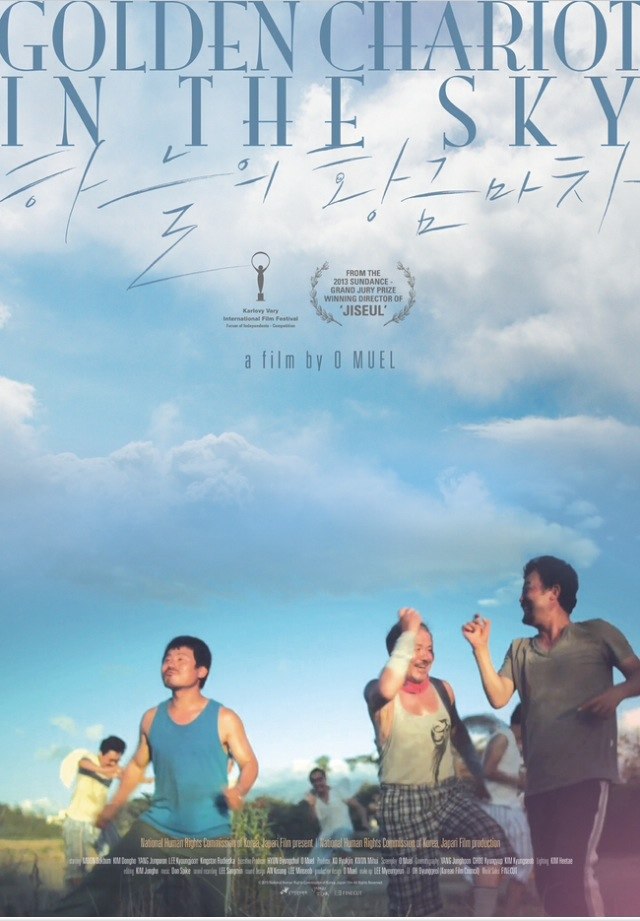
Golden Chariot in the Sky (하늘의 황금마차)
Golden Chariot in the Sky (하늘의 황금마차)
Director O Muel
JIMFF 2014 will open with director O Muel’s Golden Chariot in the Sky (하늘의 황금마차). The film, which received its world premiere at the 49th Karlovy Vary International Film Festival, is the eagerly awaited follow up to critically acclaimed drama Jiseul. With Golden Chariot in the Sky, director O Muel has gone back to his more quirky comedic style in depicting the life of Ppong-ddol, a man with ambitions of forming a successful band. He recruits friends and neighbours to join him, although they quickly discover that none of them are particularly good musicians and run into financial difficulties, which in turn opens past wounds for Ppong-ddol and his family. Golden Chariot in the Sky is also the debut of Korean ska band Kingston Rudieska, who perform a unique blend of Jamaican-inspired jazz music.
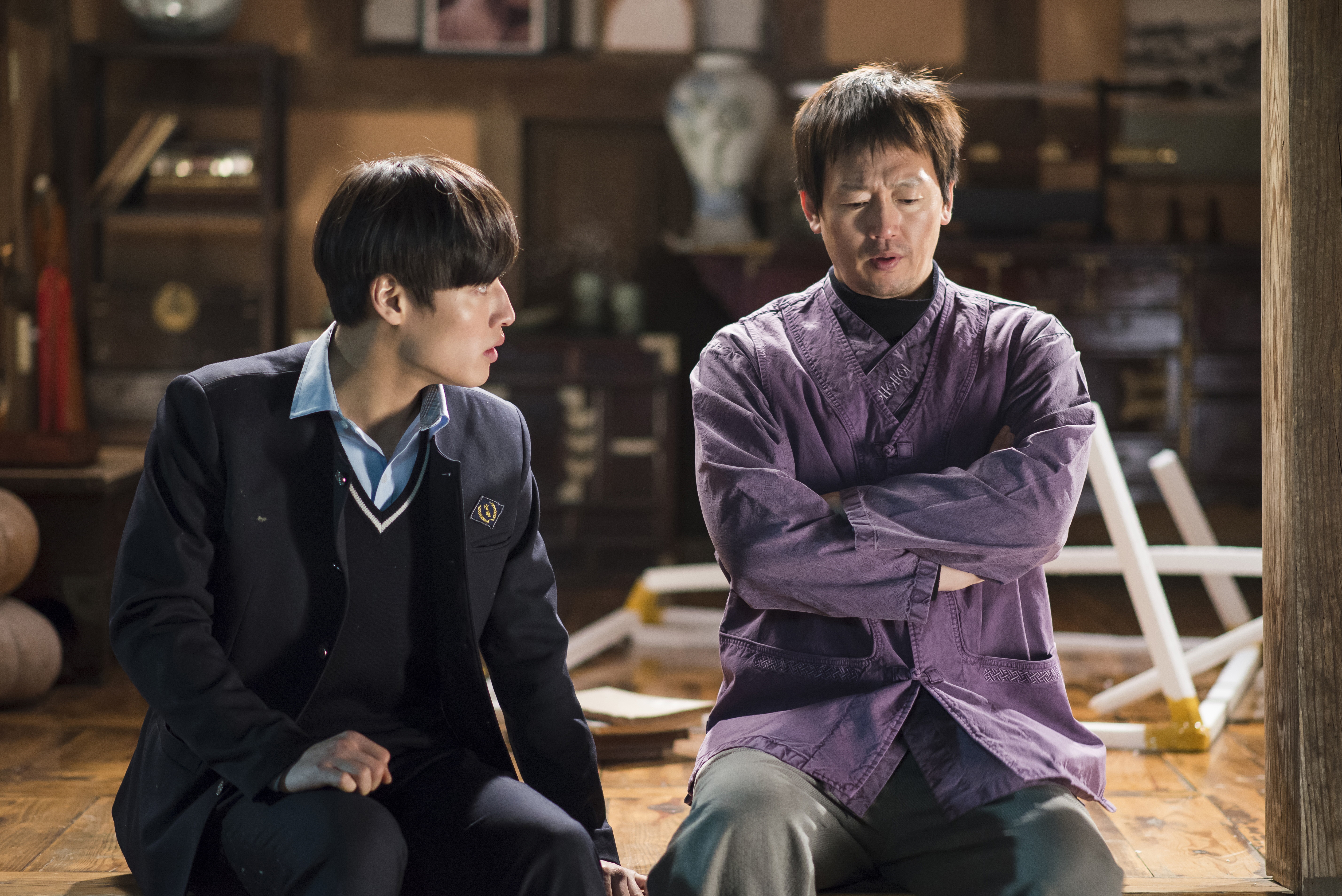
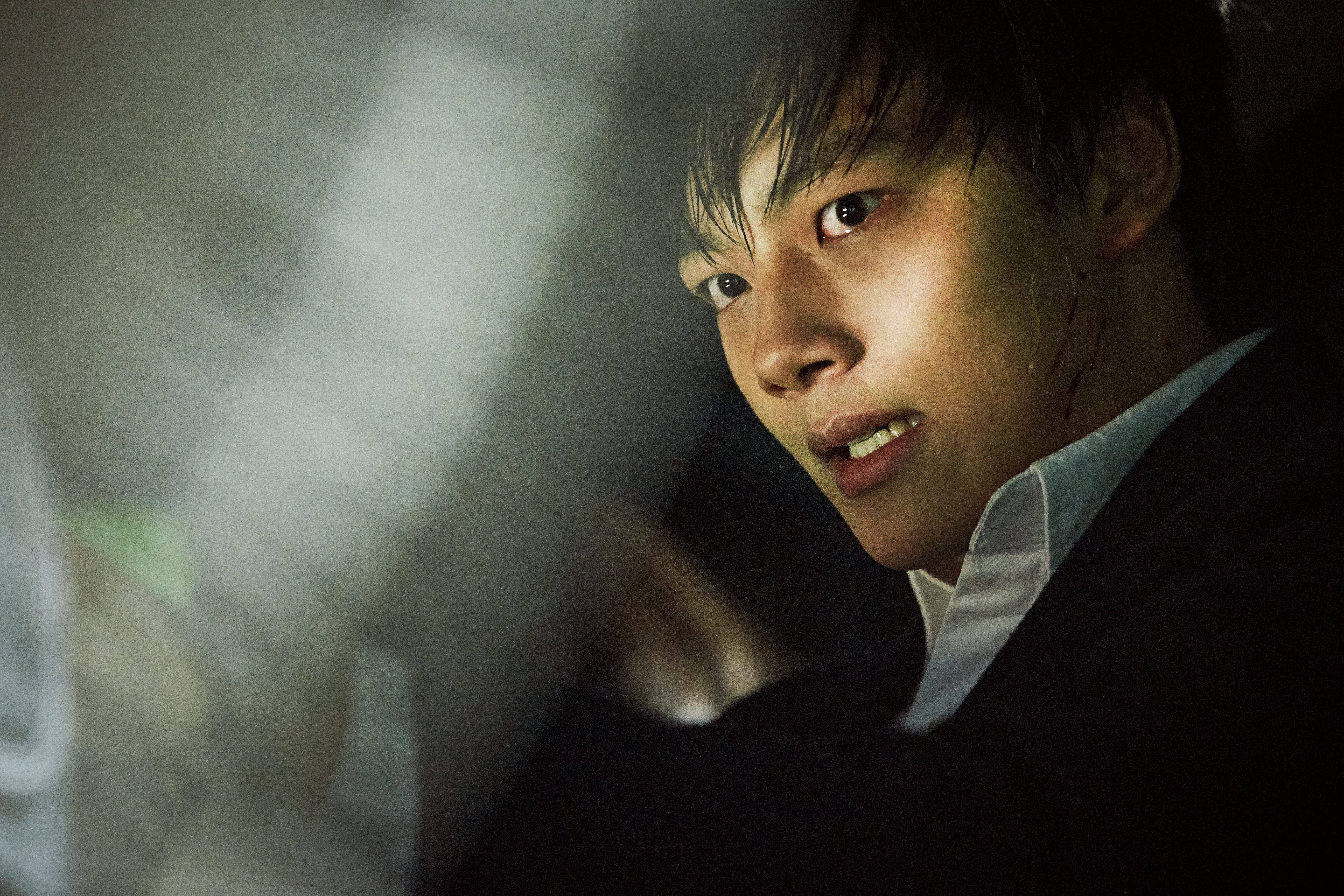
Ever since he was young, high school student In-su (Kang Ha-neul (강하늘) has had the ability to see ghosts. Following a traumatic incident In-su moved to Seoul, only to find that his ‘gifts’ developed further, and apparitions appeared ever more frequently. Finally deciding to give up city life In-su returns to his countryside hometown, reuniting with his agoraphobic shaman uncle Seon-il (Kim Jeong-tae (김정태). Yet almost immediately upon his arrival a mysterious girl ghost (Kim So-eun (김소은) begins following him, and a relationship begins to blossom. Meanwhile, at In-su’s new high school, students begin disappearing one by one as a masked, vengeful spirit patrols the hallways.
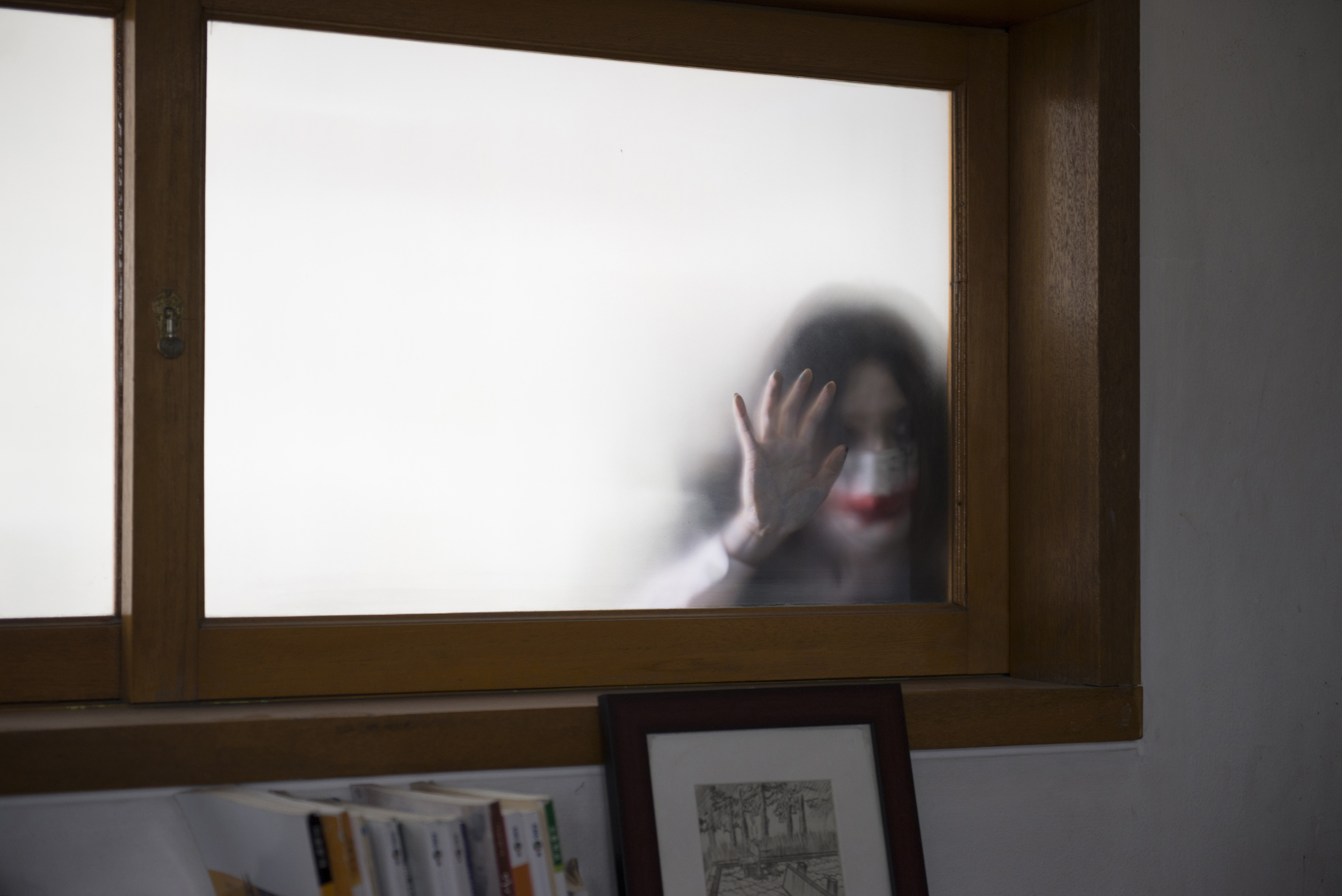
A masked, vengeful ghost stalks the hallways of In-su’s new school
Mourning Grave (소녀괴담) is marketed primarily as a horror film, yet in truth director Oh In-cheon’s (오인천) feature debut actually amalgamates an array of genres to become a teenage romantic-comedy-drama with a macabre twist. The mix of generic features works surprisingly well as Mourning Grave is consistently an entertaining and quite enjoyable addition to the K-horror canon, one which contains an infectious appeal due to the light-hearted tone throughout.
Ironically, the jovial nature of the film, in conjunction with a narrative structure told through a series of vignettes rather than an overarching whole, is competent yet also halts the story from being particularly effective. This is perhaps understandable given director Oh’s history as an acclaimed director of short films, however the approach results in the originality of the screenplay, as well as the serious social issues within, lacking in resonance. Bullying is of central concern within Mourning Grave and the film is noteworthy for emphasising the role of the teachers, students, and even society in the creation of, and ignorance towards, the abuses endured by students. Yet as it features within an episodic sequence rather than as an underlying theme throughout, the portrayal is provoking albeit fleeting, which is a genuine shame.
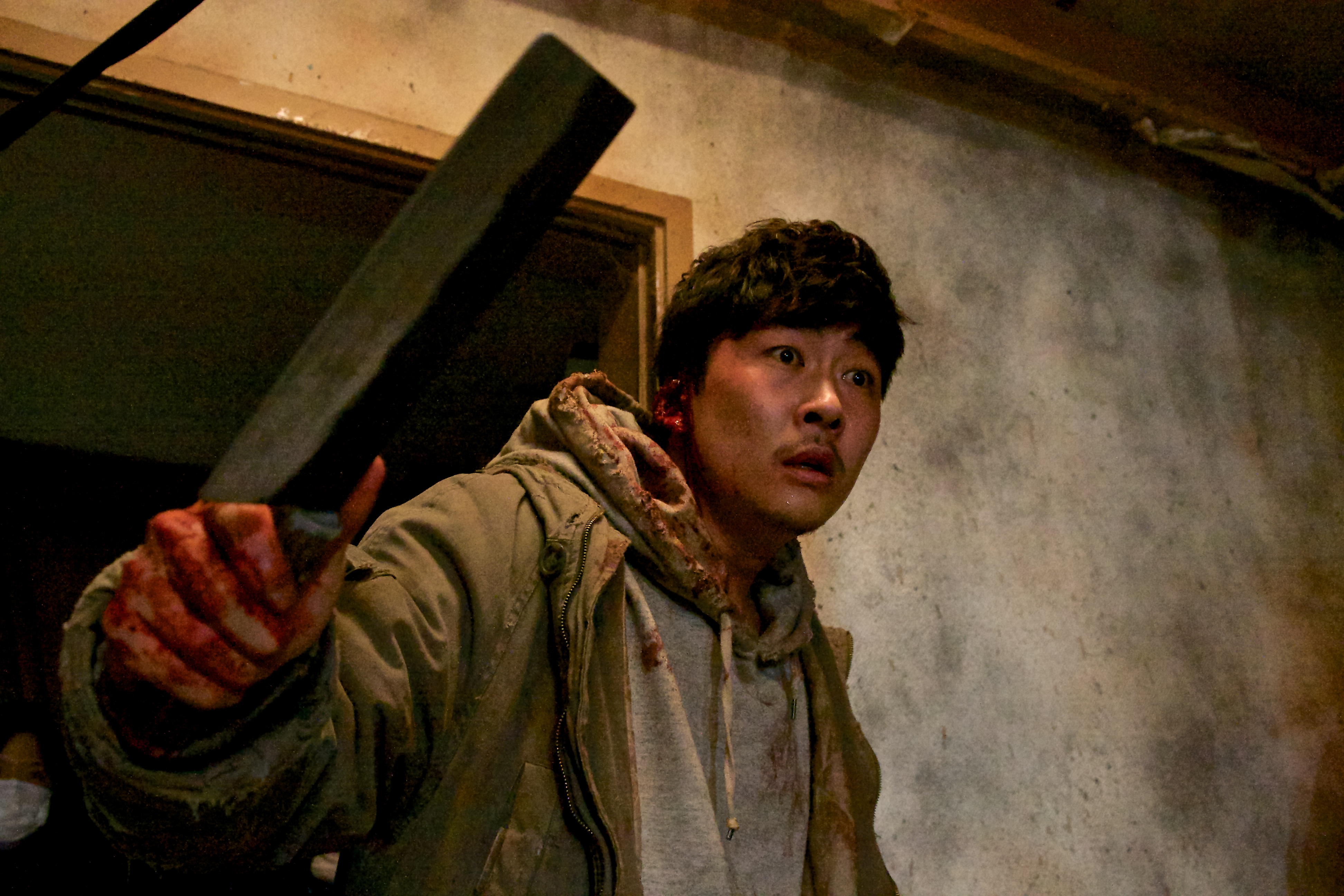
Kim Jeong-tae steals the show with his turn as agoraphobic shaman Seon-il
As central couple In-su and ‘girl ghost’, both Kang Ha-neul and Kim So-eun are delightful. The development of their friendship and burgeoning romance is conveyed with sincerity and is lovely to watch unfold. Unfortunately due to the vignette style of the narrative the screen-time Kang and Kim share is infrequent, yet when they appear together the film embodies the qualities of innocent first love, propelling Mourning Grave into a compellingly sweet love story. However both they, as well as the other actors who fill the high school roles, are clearly too old to be playing students and serve as a distraction from the story. Luckily veteran actor Kim Jeong-tae helps to allay such issues by stealing the show as uncle Seon-il. As the agoraphobic shaman Kim is incredibly funny, employing all sorts of trickery to stop ghosts from bothering him, with his comedic timing never failing to hit the mark.
Due to the gentle nature that permeates the film, Mourning Grave is quite a predictable affair. Hints that are laced throughout the story are particularly easy to ascertain, although it is still enjoyable to see the results achieve fruition, while even the various comedic, romantic, and dramatic cliches employed are entertaining enough to raise a smile. The ever-present horror epilogue sequence, which attempts to bond the characters through a shared history and destiny, also features within Mourning Grave and while such scenes are frustratingly commonplace, director Oh has crafted an endearing finale that is poignant and heartfelt.
Central couple In-su and his ghostly companion form an endearing romance
Verdict:
Mourning Grave is billed as a horror film, yet in truth director Oh In-cheon’s directorial debut actually encompasses an array of generic conventions, underpinned with a ghostly mystery. Due to the light-hearted tone the film is consistently entertaining, and the approach to serious social issues such as bullying is refreshing. Unfortunately such themes aren’t explored fully thanks to the vignette storytelling style, yet the endearing central couple, and a show stealing performance by Kim Jeong-tae as an agoraphobic shaman, make Mourning Grave an enjoyable addition to the K-horror canon.
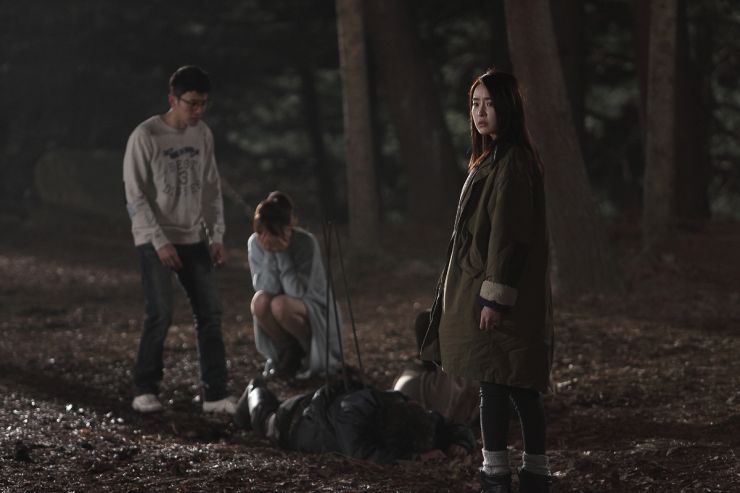
When shy twenty-something Eun-joo (Jeong Yoo-mi (정유미) is invited to an exclusive party followed by a night at a new luxury resort in the mountains, she and her friends prepare for a wild time. Hosted within an abandoned coal factory, the group drink and dance throughout the night…until a scarred and disheveled old man crashes the party, claiming that the area is cursed. Unless they all leave immediately, he professes, they will all be damned. Ignoring the old man’s warnings, Eun-joo and her pals continue partying, until they encounter him again in the woods and, during a struggle, kill him. Deciding to dispose of the body within the coal mine, the friends venture into the dark labyrinth, and are horrified by what they find.
During a fatal encounter, Eun-joo and her friends commit a terrible crime
Tunnel 3D (터널 3D) is a horror film where the embrace of 3D technology has incredible potential to heighten tension. The depth of field it generates has the ability to draw the audience within the claustrophobic environs of the tunnels, to be engulfed in suspense-filled shadows before terrifying situations occur. Unfortunately such hopes are quickly dashed as it becomes obvious within the first few minutes that director Park Gyu-taek (박규택) has constructed a horror film appealing to the lowest common denominator, featuring a generic story and few scares. While there are some enjoyable moments to be had from the antics, led by charismatic actress Jeong Yoo-mi, Tunnel 3D squanders the possibilities the technology affords to become a menial, vacuous offering.
The premise of Tunnel 3D is solid – a group of twenty-somethings get lost in tunnels – yet it falters in execution due to a lackluster script and terrible characterisation. Each member of the group is a cliche, ranging from the handsome jock to the nerd, from the shy girl to the promiscuous vixen, and are continually a source of frustration. This is particularly the case when they behave incompetently as such actions are extremely contrived and often downright silly, built into the narrative in order to push the group towards the titular tunnels. Sequences where jock Gi-cheol (Song Jae-rim (송재림) punches people he dislikes, Se-hee (Jeong Si-yeon (정시연) repeatedly emphasises her sluttiness, or the cringeworthy swimming pool sequence, are sources of annoyance that ultimately serve little purpose. The cast all overact their respective stereotype accordingly, with only lead actress Jeong Yoo-mi seeming aware that she is acting within a film rather than a Kdrama. Yet as she has very little development – and ironically, screentime – to work with, Jeong often becomes subsumed within the absurdities although to her credit she tries hard to make the story compelling.
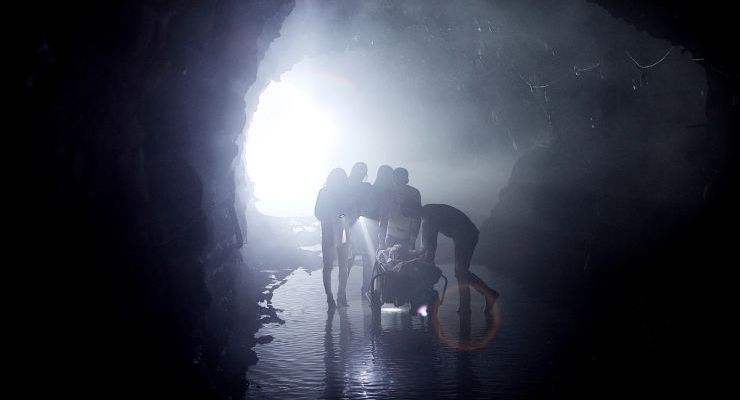
The friends attempt to ditch a body in the tunnels. leading to macabre events
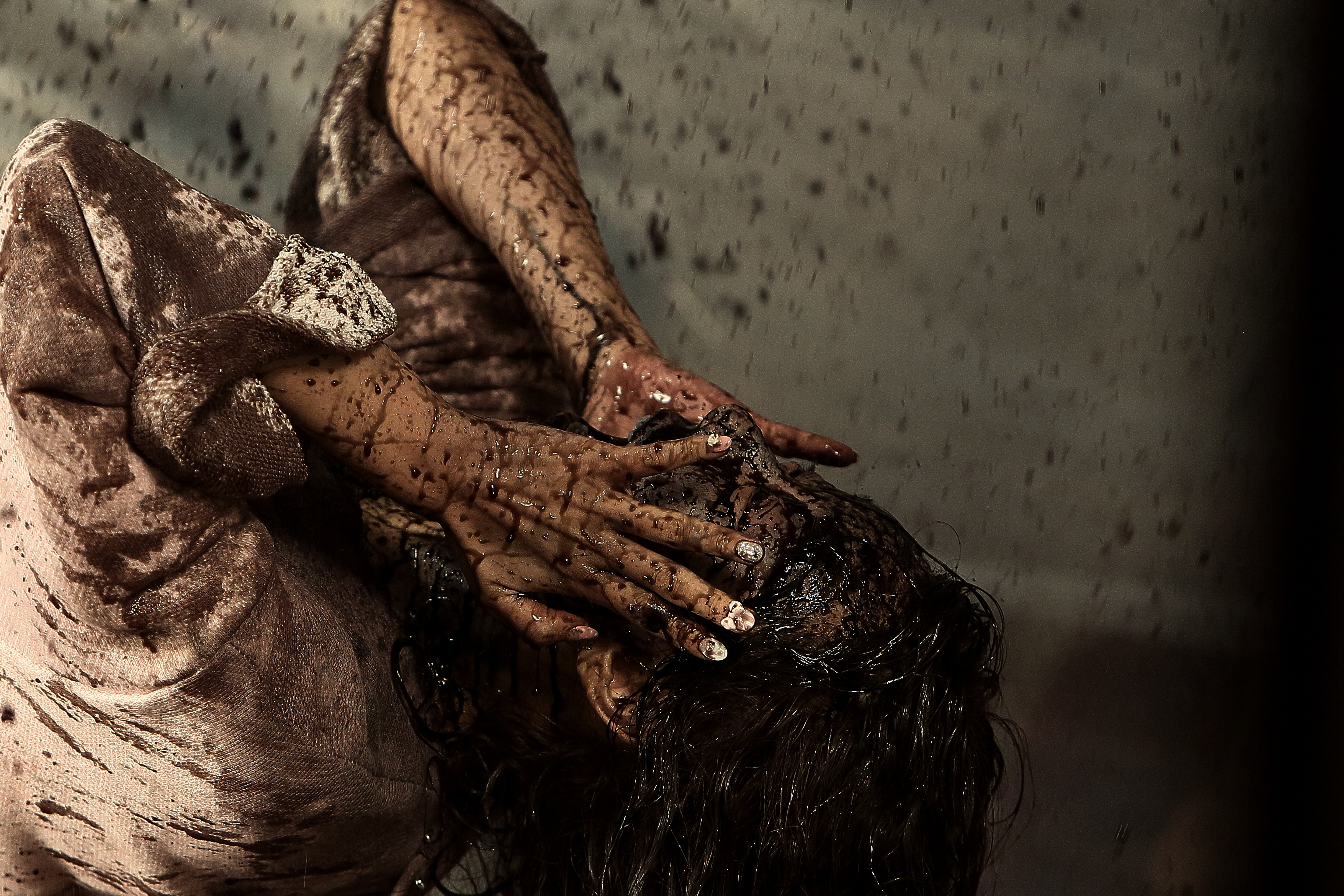
Once the group are within the network of tunnels, the horror factor kicks up a notch though more from quick scare tactics rather than atmospheric, unnerving suspense. Certain sequences are effective, spurred on by the attractive cinematography of the contrast between light and shadow in the subterranean environment. However potential is again wasted due to uninspired camerawork and composition, while the scenes of horror are often so farcical they induce laughter. The over-reliance on dream sequences are chiefly responsible for such humour as the ridiculous events that occur and the fake blood that flows are so B-grade it’s hard not to laugh. It would likely not be as bad if not for Neil Marshall’s far superior The Descent (2005), which the filmmakers seem to be unaware of as had they taken inspiration from it, Tunnel 3D would undoubtedly be a more effective horror film.
As is often the case with Asian horrors, the tendency to add a form of epilogue to wrap up any narrative loose ends is also apparent within Tunnel 3D. It’s unfortunately quite asinine, yet at this stage in the film audiences will unlikely care either way.
Shy girl Eun-joo steps into the darkness alone and discovers secrets long buried
Tunnel 3D is a vacuous horror film that appeals to the lowest common denominator. While the premise of twenty-somethings getting lost in a network of tunnels is solid, the execution is considerably lacking. Amid the terrible script, abundance of cliches and silly contrivances are a handful of entertaining moments and scares, although they are quick shocks as opposed to deep unnerving suspense. Actress Jeong Yoo-mi is the highlight of the cast, yet even with her talent it is impossible to elevate Tunnel 3D out of being an asinine B-grade horror.
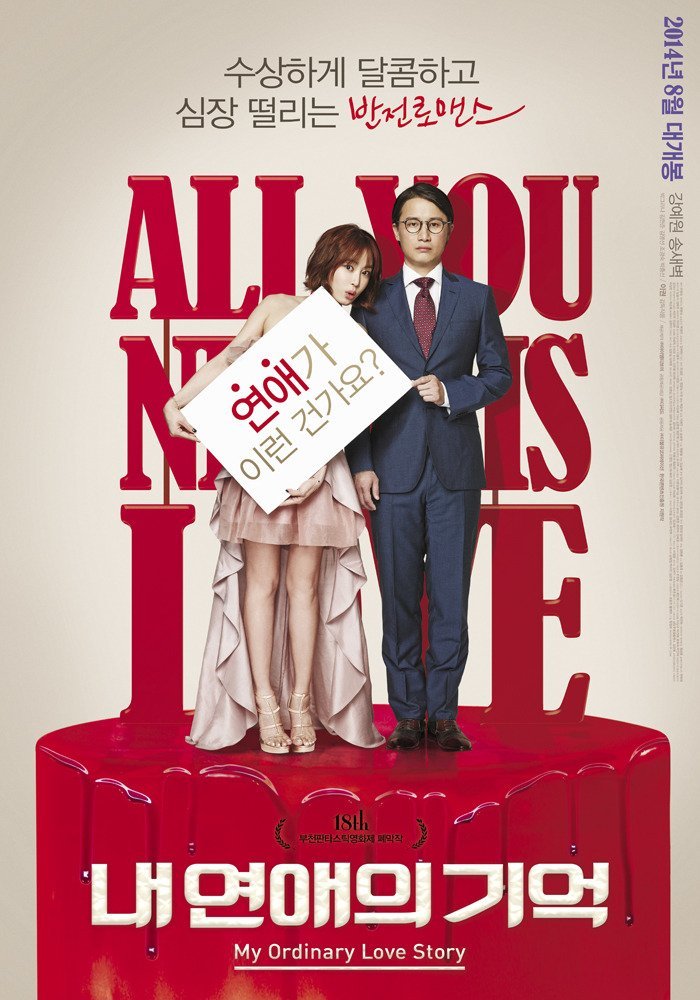
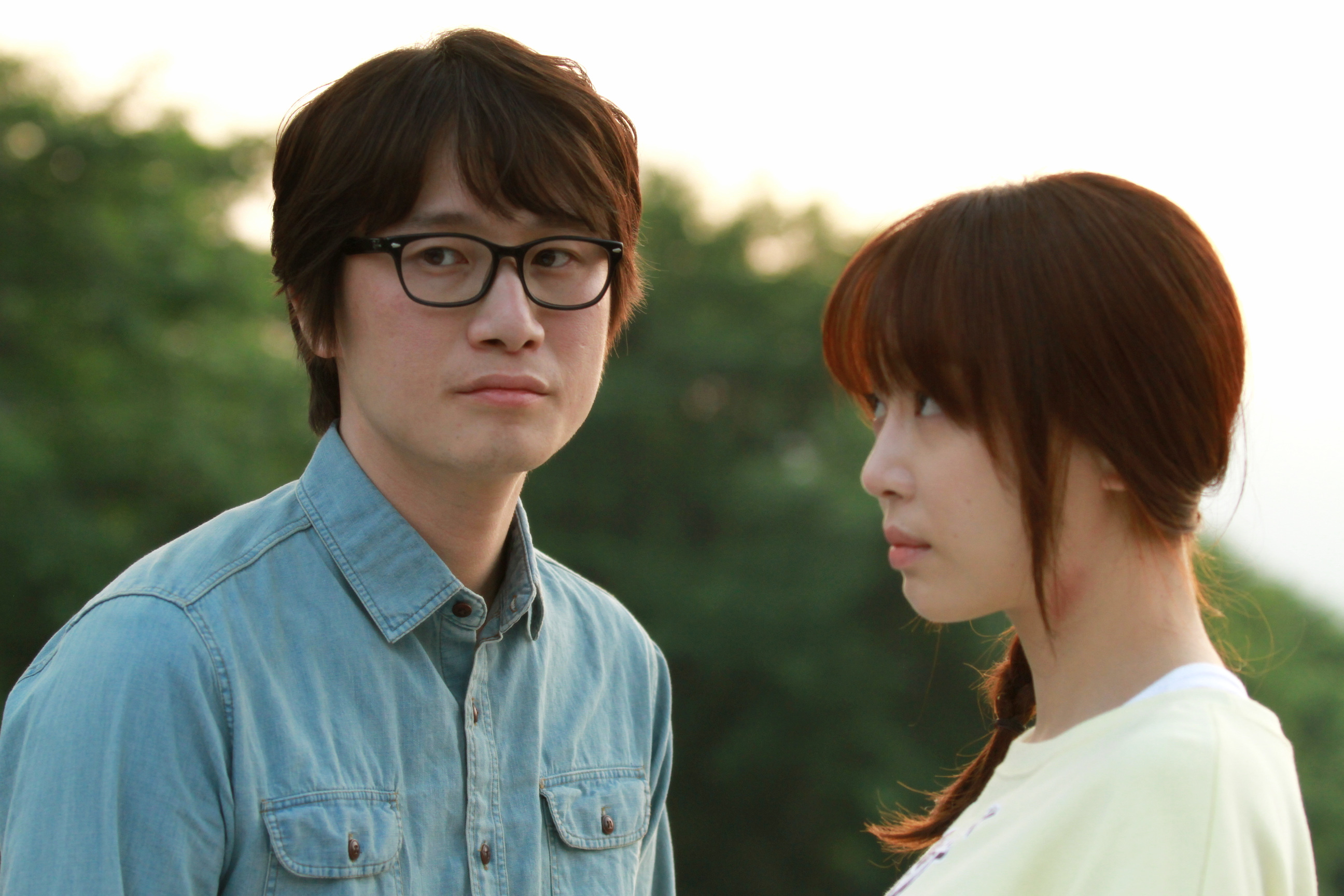
Following a series of bad relationships, pretty 29 year old Eun-jin (Kang Ye-won (강예원) again finds herself on the receiving end of heartache. Dumped by her boyfriend, Eun-jin gets horribly drunk and, unable to pay for a taxi home, shares a ride home with geeky Hyeon-seok (Song Sae-byeok (송새벽). Despite being very different people Eun-jin and Hyeon-seok feel the spark of romance and begin dating, with the relationship going so well that they eventually begin to talk of marriage. However as they pick to choose furniture for their future together, curiosity gets the better of Eun-jin and she checks her lover’s phone…only to find a message from another woman. Filled with anger and jealousy Eun-jin starts investigating Hyeon-seok to prove he’s the same as every other bad guy. Yet as she digs deeper, nothing could prepare Eun-jin for the dark secret of Hyeon-seok’s identity.
The closing film for the 2014 Bucheon Fantastic Film Festival, My Ordinary Love Story (내 연애의 기억) is an enjoyable and quite refreshing romantic-comedy from director Lee Kwon (이권), who is more recently known for the 2012 TV drama Shut Up: Flower Boy Band (닥치고 꽃미남밴드). InitiallyMy Ordinary Love Story isa formulaic rom-com yet in true Korean style the story comes to embrace a multitude of genres, with the blend elevating the film out of mediocrity to be a surprisingly effective viewing experience.
Eun-jin and Hyeon-seok plan their future together, until a text message threatens to destroy their relationship
My Ordinary Love Story is very much Kang Ye-won’s film, with her performance the central reason why the story is so endearing. Kang captures Eun-jin’s selfish, jealous and nagging personality well yet never makes the character unlikeable, largely due to Eun-jin’s terrible dating history and potential as a victim of cheating, but also thanks to Kang’s unique overacting style which suits the role – and filmic style – agreeably. As the film is, for the most part, a generic rom-com the sexual politics are particularly unenlightened – the desperation for a woman to be married before 30, for example – however as Eun-jin takes agency and launches an investigation to prove Hyeon-seok’s guilt, a sense of empowerment also pervades and promotes Eun-jin as a character to root for.
Director Lee Kwon attempts to infuse various strands of quirkiness within the film in order to generate a sense of identity, seemingly inspired by the remarkably fun How to Use Guys With Secret Tips. He somewhat succeeds, yet the lack of consistency ultimately undermines his attempts as onscreen text, animation and voice-overs appear and disappear randomly, creating a sense of stylistic incohesion. Luckily such issues don’t impact the entertainment too deeply as the flighty stylisation, coupled with the enjoyably silly supporting characters and jokes, still serve to entertain.
The unique nature of My Ordinary Love Story comes from merging typically disparate genres to become one of the more memorable recent rom-coms. In steering the generic romance into macabre territory director Lee takes a big gamble yet it’s one that works, adding new layers of enjoyment to an otherwise predictable narrative. The change in direction unfortunately comes a tad too late in the story as the compelling nature of such scenes, and Hyeon-seok himself, lack sufficient exploration to be effective, yet as the story is largely a light-hearted comedy it’s perhaps understandable and is enjoyable regardless.
Hyeon-seok and Eun-jin attempt to overcome their hidden truths
My Ordinary Love Story is an enjoyable genre-bending outing by director Lee Kwon. The film elevates itself out of mediocrity by beginning as a generic rom-com before delving into darker territory, carried ably by the charismatic performance of Kang Ye-won. While there are pacing and technical issues within, My Ordinary Love Story is an entertaining feature and is one of the more refreshing examples of the genre.
The 18th Puchon International Fantastic Film Festival
The 18th Buchon Fantastic International Film Festival (PiFan) is due to commence on July 17th, showcasing genre films from around the world during its 10 day run. For an overview of the festival, please click here.
In the World Fantastic Cinema program are a selection of 44 films that blur the lines between reality and fantasy, a focus that matches the overall theme of the festival of ‘Love, Fantasy, Adventure.’
Within the program are 8 Korean films highlighting the genre output of the past year, featuring science-fiction, thrillers, as well as a handful of recent horror releases. The films range from big-budgeted fare through to smaller indie output, and feature some of the industry’s top talent both in front of and behind the camera. Each Korean entry is profiled below.
World Fantastic Cinema
11 AM (열한시)
Director Kim Hyeon-seok (김현석)
11 AM
11 AM
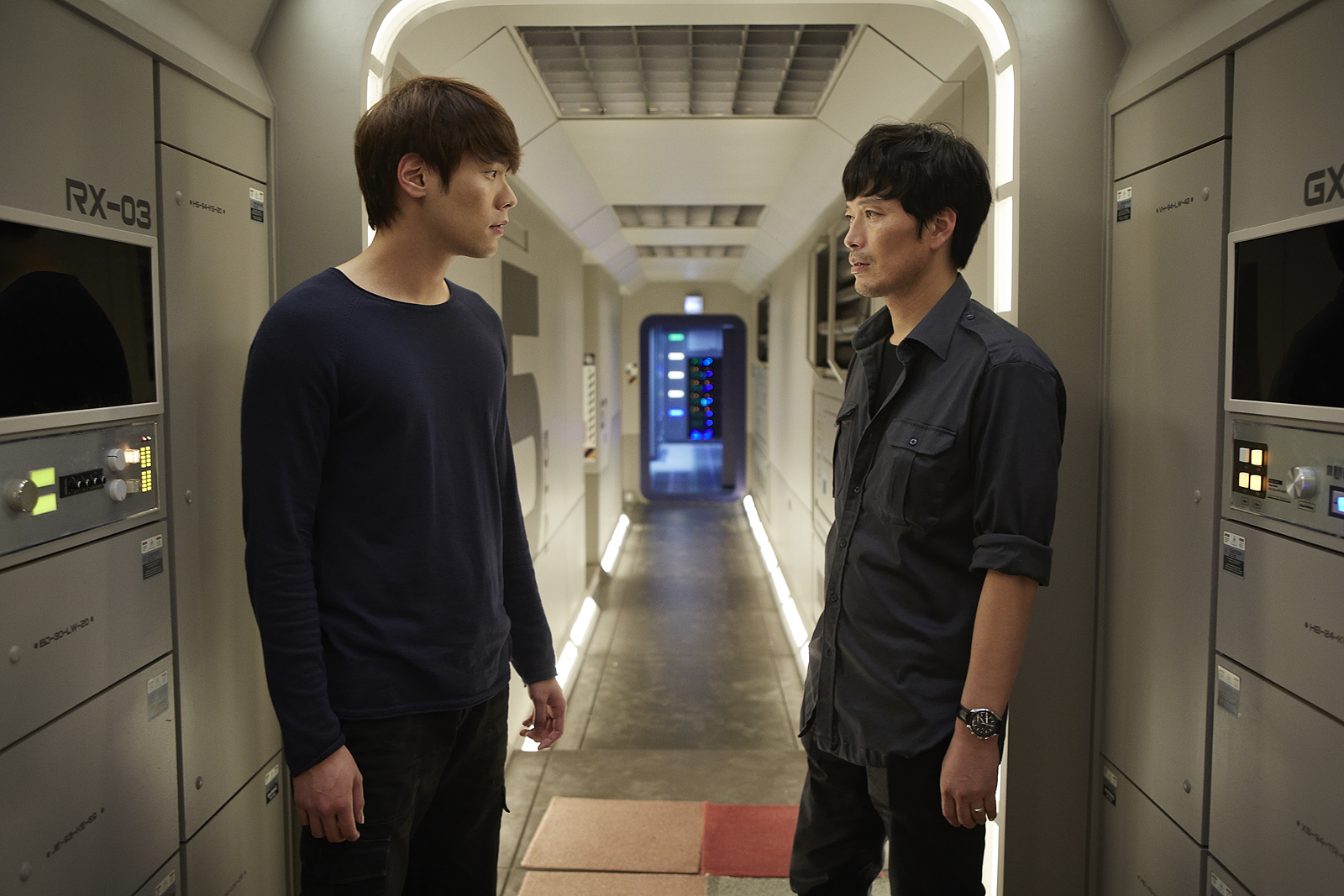
Time travel thriller 11 AM is quite a rarity in Korean cinema due to the combination of a futuristic science-fiction narrative and big name actors. The film stars Jeong Jae-young and Kim Ok-bin as scientists who succeed in creating a time machine, propelling themselves to 11 am the next day on a test mission. Yet upon arrival they discover the lab has been destroyed and someone with murderous intent is on the loose, and the duo must work together to figure out what went wrong.
11 AM secured modest returns when released back in November 2013, garnering over 728,000 admissions and accumulating just over 5 million dollars at the box office (source: Kobiz).
Broken (방황하는 칼날)
Director Lee Jeong-ho (이정호)
Broken
Broken
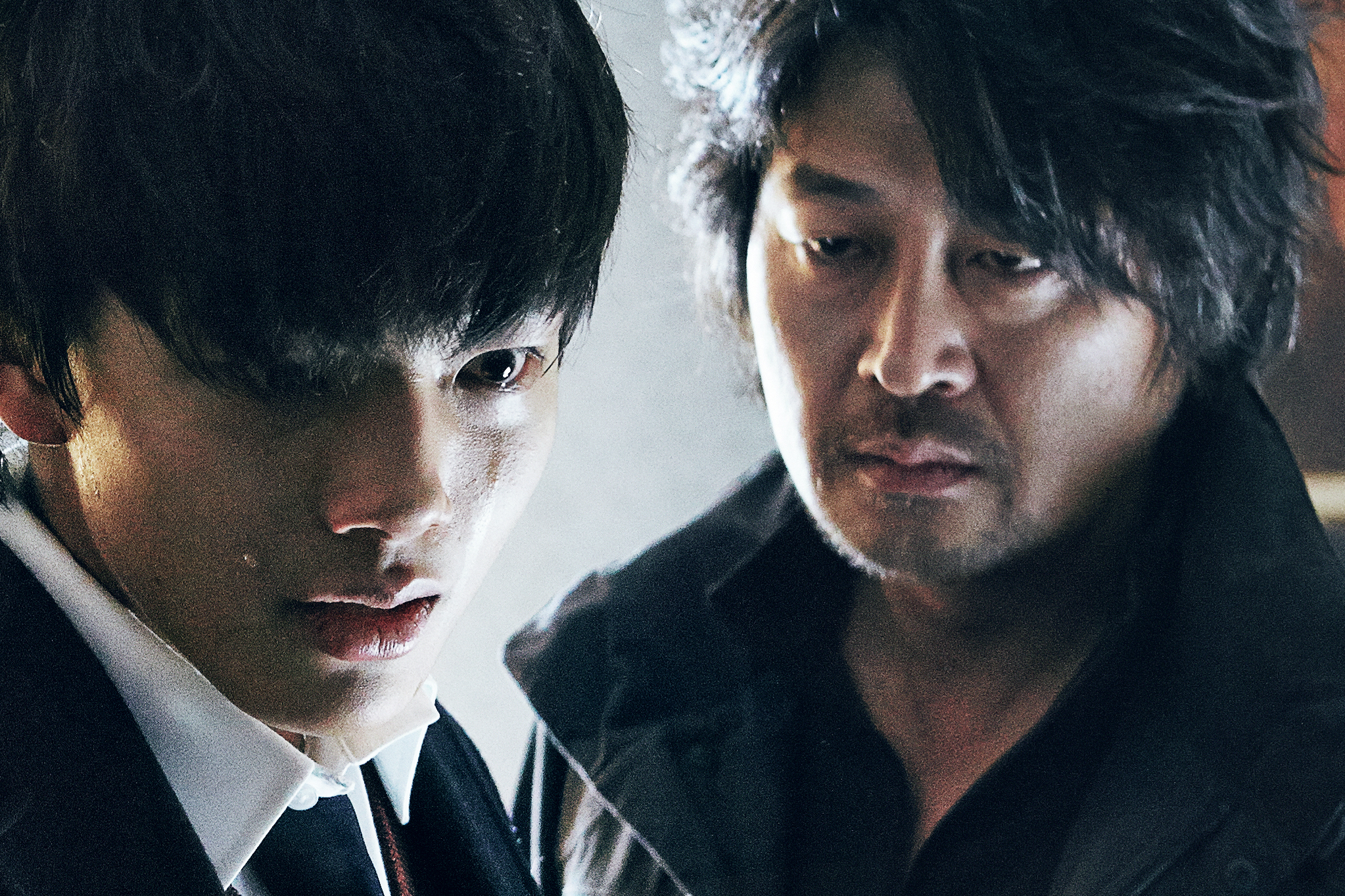
Based on the Japanese novel by Keigo Higashino, thriller Broken features Jeong Jae-young as struggling single father Sang-hyun, who works hard to support his daughter Soo-jin. When Soo-jin is found raped and murdered, Sang-hyun desperately wants the culprits brought to justice yet the investigation uncovers little of worth. When Sang-hyun receives a text message indicating the criminals, and where they live, the grieving father sets out to deliver his own brand of revenge.
Broken had the misfortune of being released around the same time as the Sewol ferry disaster, and given the nature of the narrative, audiences where understandably reluctant. PiFan 2014 provides a great opportunity to catch the film again.
Hwayi : A Monster Boy (화이 : 괴물을 삼킨 아이)
Director Jang Joon-hwan (장준환)
Hwayi: A Monster Boy
Hwayi: A Monster Boy
Director Jang debuted with the phenomenal Save the Green Planet, a film that instantly became a cult classic despite low returns. After years of starts-and-stops on various projects, the director returns with thriller Hwayi.
The film depicts the story of teenager Hwayi who lives in the country with his five criminal fathers, each of whom teaches the youngster the skills of the underworld. Life is fairly uneventful until the gang take on a new job, forcing a couple to leave a town in Incheon for a development company, and Hwayi is brought along to prove his worth. As events unfold, it becomes clear that there is much more to Hwayi’s past than he was led to believe, and the young man sets out to discover the truth of his origins.
Mourning Grave (소녀괴담)
Director Oh In-cheon (오인천)
Mourning Grave
Mourning Grave
Korean horrors are unfortunately something of a rarity in recent years, yet luckily Mourning Grave, which fortuitously opened only two weeks prior to PiFan, has stepped up to fill the void.
Director Oh’s feature length debut follows student In-su (Kang Ha-neul), who has the ability to see spirits. Despite moving around and changing schools, In-su’s ‘gift’ hasn’t left him, and he decides to return to his hometown where his ability first manifested. However his plan backfires as he is beset by apparitions, yet he manages to befriend a mysterious girl ghost (Kim So-eun). As time passes, In-su begins to notice that students are disappearing, with all the evidence pointing towards a girl sporting an horrific mask.
Nothing Lost (아무 것도 사라지지 않는다)
Director Kim Seung-hyeok (김승혁)
Nothing Lost
Nothing Lost
Nothing Lost receives its world premiere at PiFan 2014, and is one of the few Korean films in the category to do so.
Director Kim’s feature length debut is a crime thriller set in a sleepy country town. When a high school girl suddenly disappears, a local detective is dispatched to investigate and bring the girl home. Yet as he starts to gather clues and piece the evidence together, the case becomes ever more complicated as new witnesses and suspects emerge that serve to embroil the detective deeper into the mystery.
Can the detective solve the mysterious disappearance in this violent, 18-rated thriller?
A Record of Sweet Murder (원 컷 – 어느 친절한 살인자의 기록)
Director Shiraishi Koji
A Record of Sweet Murder
A Record of Sweet Murder
A Record of Sweet Murder is a Korean/Japanese co-production, and was well received at Hong Kong Filmart. Director Shiraishi Koji previously helmed horror Grotesque in 2009, and with his latest film he descends into the dark recesses of the human mind once more with a Korean cast, notably featuring indie darling Kim Kko-bbi (Pluto).
The story features journalist So-yeon who, after receiving a call from childhood friend turned serial killer Sang-joon, decides to visit and record his version of events to help redeem himself. Traveling to a run down old town with her Japanese cameraman, So-yeon quickly bares witness as grisly and bloody events begin to unfold as Sang-joon attempts to complete his master plan.
The Tunnel 3D (터널 3D)
Director Park Gyoo-taek (박규택)
The Tunnel
The Tunnel
Director Park Gyu-taek provides the only 3D entry in the category and, due to the nature of the horror genre combined with the confines of claustrophobic tunnels, looks set to be an effective use of the technology.
A group of friends are invited to the opening ceremony of a new resort, located in the mountains and built on top of an abandoned coal mine. As drinks flow and a good time is had by all, a mysterious man bursts into the celebration shouting that they will all be killed by a curse. When the friends accidently kill the man during a terrible series of events, they decide to hide the body within the subterranean network, yet find more horrors than they bargained for.
Zombie School (좀비스쿨)
Director Kim Seok-jeong (김석정)
Zombie School
Zombie School
Director Kim’s Zombie School may well have one of the most inspired synopses in recent memory.
During the foot and mouth scare in Korea during 2010-2011, thousands of pigs were culled, many of them buried alive in large pits. Today, nearby the peaceful Chilsung School, some of the now-zombified pigs have emerged from their mass grave and have bitten teachers from the school, turning them into the undead. The students are forced to band together in order to fight against the zombie menace as teachers and pigs alike threaten their very lives.
Zombie School looks set to be a black comedy in the vein of Black Sheep (2006), and has the potential to be one of the more unique offerings at PiFan.
The 18th Puchon International Fantastic Film Festival
The 18th Puchon International Fantastic Film Festival (PiFan) is due to commence from July 17th through to the 27th. The festival takes place in Buchon City, although has retained the spelling ‘Puchon’ from its inception.
As the title suggests, PiFan is orientated towards celebrating genre films during its run, and over the past 17 years has carved a reputation as the place to experience some of the most imaginative films from around the world.
PiFan 2014 looks set to be no exception. Fantasy and adventure have been prolific genres of late and are wonderfully reflected in the official poster (right) and trailer (below), with the blurring between reality and fiction the focus of this year’s festivities. That said, there are still plenty of horrors and thrillers to satisfy audiences seeking an adrenaline rush, particularly through the special programs on offer.
The Great Kaiju, GODZILLA 60 Years
In addition to returning favorite categories such as Puchon Choice (which features 12 films highlighting the evolution of modern genre filmmaking), World Fantastic Cinema (showcasing 44 productions that blur fantasy and reality), and Vision Express (emphasising films that push the conventions of genre storytelling), there are special programs dedicated to the history of popular genre films. The Great Kaiju, GODZILLA 60 Yearswill undoubtedly be one of the more popular categories at PiFan 2014, featuring the original 1954 classic as well as some of his greatest battles, all to celebrate the 60th anniversary of the iconic character. Blood Window to Latin Americashowcases some of the best emerging talents in genre filmmaking from the region, while PiFan Classic includes Tobe Hopper’s acclaimed The Texas Chainsaw Massacre (1974) and Poltergeist (1982).
Shim Eun-kyoung is the 2014 PiFan Lady
Each year PiFan selects a PiFan Lady, an actress whose filmography represents the identity and values of the festival. For this installment actress Shim Eun-kyoung (Miss Granny (2014), Masquerade (2012), Sunny (2011)) will be the face of the festival, a selection that will certainly will increase awareness following her win for ‘Best Actress’ at the PaekSang Arts Awards last May.
To visit PiFan and get the most out of the festivities, please refer to the map below.
For fifteen years, celebrated author Kim Jeong-seok (Kim Jeong-seok (김정석) has been searching for his missing wife (Jung Han-bi (정한비) following her sudden disappearance. Refusing to admit defeat, the mean-spirited and poor father-figure continues to travel throughout the Korean countryside looking for his long lost spouse, until novel-fan and executive Kim Soy (Kim Soy (김소이) offers help to track her down. As the duo embark on the case, a cabal of wealthy individuals demand Jeong-seok’s help, for they too have missing relatives who vanished in a similar manner. As Jeong-seok and Soy follow the clues across the wilderness, the mystery begins to unravel in a way none could have imagined.
Author Jeong-seok teams with fan Soy to track down his wife
The Avian Kind (조류 인간) is one of those films where audiences will quickly find themselves polarized. For some, the breathtaking cinematography and existential narrative will prove to be a captivating experience; others, meanwhile, will likely find the art-house sensibilities to be too opaque and the story impenetrable. As such, director Shin Youn-shik’s (신연식) fifth film is likely to have limited exposure which is a great shame, as The Avian Kind is a rare breed in the Korean industry.
From the outset, The Avian Kind constructs an enchanting world in which Jeong-seok’s quest occurs. Cinematographer Choi Yong-jin displays incredible prowess throughout, capturing the natural beauty of the Korean countryside in a manner that greatly strengthens the mysterious, supernatural-esque, nature of the story. In conjunction with Mowg’s melodically unnerving musical score, the film exudes a potently eerie sensibility that is both captivating and haunting.
The mystery surrounding Jeong-seok’s wife is explored via flashback
The enigmatic nature of the film is further heightened by director Shin’s use of editing between time periods. While Jeong-seok’s investigation transpires in the present, the tale leading up to his wife’s disappearance fifteen years prior is explored via flashback. In employing the narrative structure in this way the story becomes as compelling as it is cryptic, posing possible answers while generating more questions. Yet rather than being stagnant there is always a sense of momentum to each journey that will ultimately provide answers the mysterious disappearances.
However as The Avian Kind embodies mostly art-house aesthetics, the abstract nature of the story may well be a source of frustration for many. The existential philosophies underpinning the narrative are alluded to yet offer no concrete answers, and audiences expecting otherwise will be in for a disappointment. That is not to say the issues with the film lay solely with the audience; characterisation is a problematic area within the story, as are the generic devices used to propel the story into a finale. Typically in an adventure or road film the protagonists develop and grow on the journey, yet none of the central cast do so. The later attempts to inject tension into the film through incorporating chase sequences akin to the thriller genre is also a misstep, dispelling the impressive atmosphere in what seems to be a bid to satisfy mainstream audiences.
Jeong-seok is summoned by a cabal of wealthy socialites, yet their motivations are dubious
Verdict:
The Avian Kind is a beautifully realised existentialist road film, and due to the art-house aesthetics within the film is likely to polarize audiences. Director Shin Youn-shik has crafted a compelling tale of a man searching for his long lost wife, featuring stunning cinematography of Korea’s natural countryside alongside a melodically unnerving score that serve to generate an enchanting experience. While not for everyone, The Avian Kind is a rare breed of film in the Korean cinema industry and an absorbing exploration on the nature of contemporary identity.
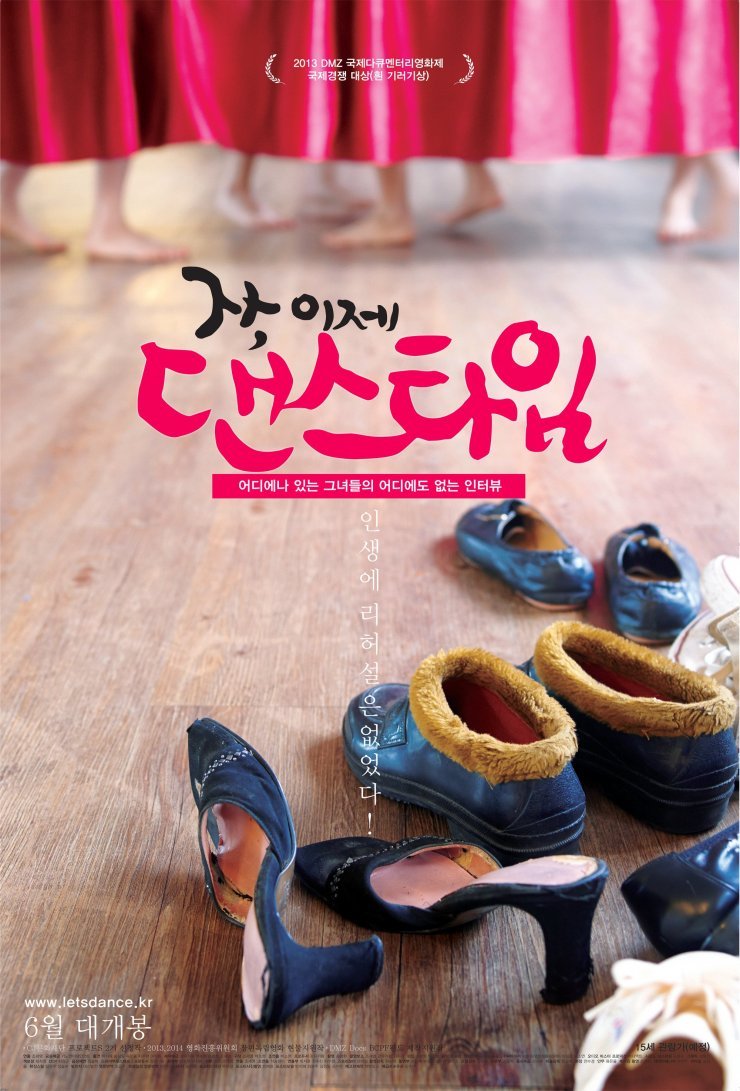
Although abortion has long been illegal in Korea, women who have required the procedure typically had few problems locating a surgery willing to help them. While the law is quite clear on the issue, given Korea’s fraught recent history – Japanese occupation, the Korean War, IMF crisis, and so forth – abortion has been, generally speaking, considered an unfortunate yet uncontroversial societal practice, allegedly supported by the state-run population policy. Yet in 2009 a hospital was accused of performing abortions, catapulting the issue into the mainstream spotlight as a source of controversy. Amongst all the debates that have taken place, ironically the women involved have been largely ignored. In documentary Let’s Dance (자, 이제 댄스타임), director Jo Se-young (조세영) provides a platform for women who have undergone the procedure to give their personal accounts, and for their voices to be heard.
Abortion has become a controversial issue in recent times, but when can women’s voices be heard?
Let’s Dance is a wonderful documentary and a tribute to women everywhere who have ever considered or undergone an abortion. The beauty of the film lies in the unbiased perspective, as director Jo expertly removes the veil of anonymity and simply allows her subjects to speak about their experiences without fear of judgment. Such a description may imply Let’s Dance is a melancholy affair yet this is far from the case, as the diverse range of women interviewed informally discuss the reasons that led to the decision, generating a context that the black-and-white word of law doesn’t provide. Each interviewee gives a sincere, poignant, and comprehensive account of their respective situation at the time that never fails to create empathy, while the surprising amount of humour – one woman shyly laughs as she describes how her then-boyfriend claimed he simply wanted to fall asleep whilst holding hands – add ever more layers of affinity and insight.
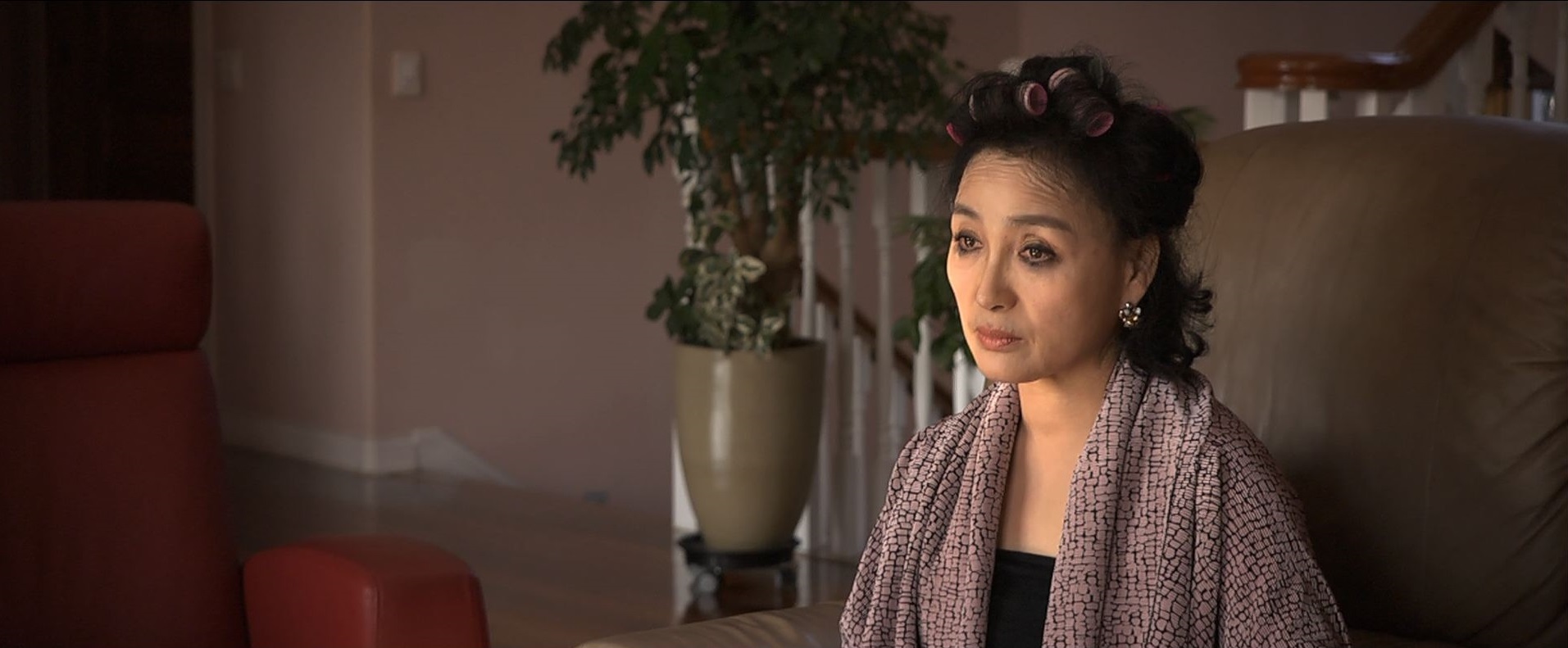
Encounters discussed by the interviewees are recreated by actors, often with humourous results
Throughout Let’s Dance, director Jo also wisely includes reenactments of scenes discussed in interviews, which serve to add further understanding as well as comedy. It is intriguing to watch the actors struggle to understand and portray the complex emotions of the situations, which often swing between powerfully moving and funny in the absurdity. Chiefly the comedy is derived from the silliness of the male partners in their attempts to have unprotected sex, while ironically they are also the source of disappointment when it comes to making the difficult decision of abortion. Wonderfully, director Jo never represents the women as victims in the reconstructions, but as women claiming ownership over their bodies, candidly conveying their strength and fortitude.
The documentary also makes a point to discuss the social judgement and stigmatization applied towards women who have had abortions. Such vilification typically comes from religious groups, law makers, and men, and the film does a great job of highlighting the ignorance of such groups in an effective manner. Scenes from a genuine abortion debate in a courtroom are equal parts frustrating and comedic, as the mostly male lawmakers discuss the issue without any real notion of women’s human rights or even biology – one particular male representative hilariously doesn’t know how long pregnancy lasts – with such scenes emphasizing how women’s voices and rights have been pushed to the margins.
Let’s Dance provides the freedom to speak without judgement about abortion
Let’s Dance (자, 이제 댄스타임) is a wonderfully frank, moving and surprisingly funny documentary about abortion. Through interviewing a diverse range of women about their experiences with the procedure, director Jo Se-young (조세영) provides a platform for them to informally discuss their respective situations with the resulting stories never failing to generate empathy and insight. Due to director Jo’s unbiased approach, and in conjunction with humourous reenactments by actors, Let’s Dance is powerful testament to women who have ever considered or undergone an abortion.
The 16th International Women’s Film Festival in Seoul (WFFIS) will begin from May the 29th, running through to June the 5th.
Featuring the tagline, “see the world through women’s eyes,” the festival employs programming that focuses on women’s issues and cinematic trends, as well as work from a variety of female filmmakers, in order to explore and debate the role of women in cinema. While WFFIS features international productions, greater focus on the role of Asian women in cinema is reflected through the programming.
In addition to familiar favourite categories including contemporary trend explorations in New Currents, the lesbian and bi-sexual focused Queer Rainbow, and the Asian Short Film and Video Competition, other exciting programming has also been announced. Asian Spectrum: Camera is my Heart! is dedicated to female Chinese documentary filmmakers, while Polemics: To Love Hot or Die Hard examines issues of love and romance in conjunction with economic and consumerist debates. Director Byun Young-joo’s trilogy committed to the struggles plaguing ‘comfort women’ is presented in Special Screening: The Murmuring – Resolving History While Still Breathing. Meanwhile, the life of Japanese actress Kagawa Kyoko is celebrated through A Life in Front of the Camera: Actress in Re/Action, KAGAWA Kyoko, which features an impressive line-up of 8 films from her career.
For the official WFFIS trailer, please see below:
Opening Film
For Those Who Can Tell No Tales
Director Jasmila Zbanic
For Those Who Can Tell No Tales
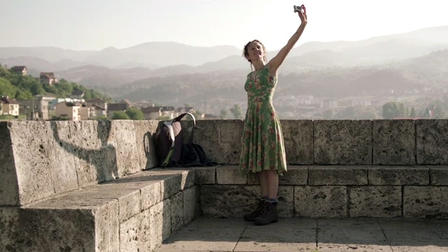
Opening WFFIS 2014 will be Bosnia-Herzegovinan film For Those Who Can Tell No Tales by director Jasmila Zbanic. Award-winning director Zbanic has explored the issues effecting women in her home country, such as sexual war crimes by Serbian troops in Grbvica (2006) and religious discourses in Na putu (2010), throughout her career. In For Those Who Can Tell No Tales, an Australian tourist visits Bosnia for a holiday and throughout her travels slowly learns the traumatic history of the country, fundamentally changing her forever.
WFFIS 2014 will take place entirely at the Megabox on the 5th floor at the Migliore building, Sinchon. Please see below for the map and transportation information.
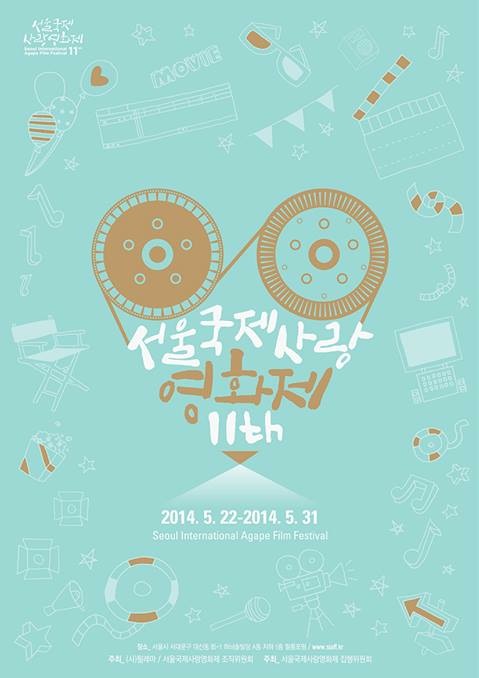
The 11th Seoul International Agape Film Festival (SIAFF) will take place from the 22nd to the 31st of May, in Sinchon, Seoul.
The festival, which has a Christian slant, selects films that reflect themes of love within its programming.
The Agape Choice category is due to screen productions that explore overcoming discrimination and adversity. Three Korean films – documentary My Place, social issue omnibus If You Were Me 6, and drama Compassion – feature in the line-up, alongside international films including basketball documentary Linsanity and acclaimed Indian comedy/drama English Vinglish.
Mission Choice comprises of films that share and explore Christian values. God’s Eye View, which premiered at Busan Film Festival last year, as well as documentaries Love is Stronger Than Death and Hope in Baseco, are Korea’s entries within the program.
Inner View contains films that explore the inner consciousness of the audience. My Boy is the only Korean film to feature, alongside Denzel Washington starring Flight amongst others.
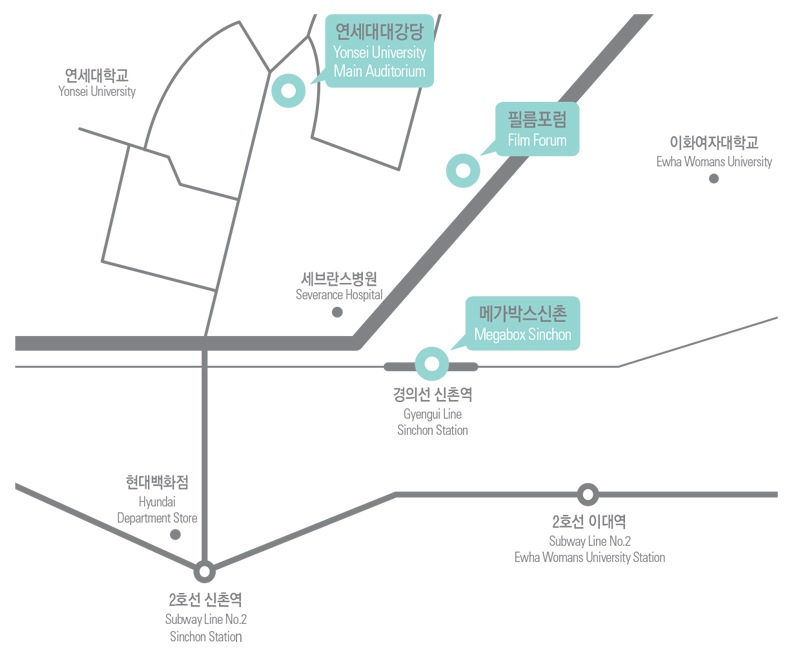
The festival will take place in the Sinchon area at Megabox and FilmForum Please see the map below for directions, as well as the official SIAFF 2014 trailer.



























 hangukyeonghwa.com