
 For Korean cinema, 2019 was a year that saw the continuation of trends that have been readily apparent for the past several years – an increasing number of big blockbuster/commercially-orientated films with high production values, and the decreasing quality of creative, engaging, and memorable stories.
That is not to say the talent has disappeared of course. There are a plethora of wildly talented filmmakers in both the mainstream and independent film realms in Korea, but clearly the focus on producing commercialised products over allowing such creators to express their voices is coming at a cost. This appears to be something that mainstream audiences are becoming increasingly aware of judging by box office numbers, and it was touch-and-go as to whether Korean films would surpass foreign films this year in terms of market share, a feat that was ultimately achieved via the releases of Ashfall (백두산), Forbidden Dream (천문:하늘에 묻는다) and Start-up (시동) in December.
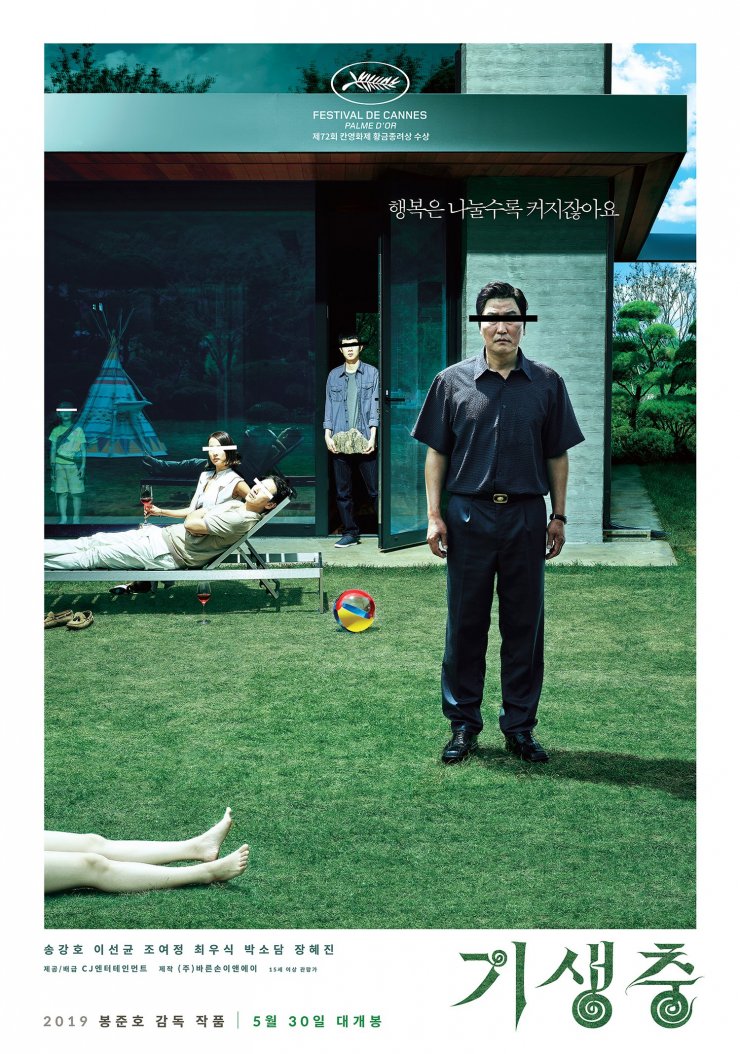 The big news of the year came from one of the few filmmakers impervious to such issues, as director Bong Joon-ho’s Parasite (기생충) not only won the Palme d’Or at Cannes but also became an international phenomenon. With critics worldwide championing the black-comedy drama, Parasite is sure to continue gathering nominations and awards for quite some time. Ironically the film proved somewhat divisive among local audiences as while Parasite was certainly an acclaimed commercial hit, certain sections felt uncomfortable and ashamed that the wealth gap in Korea was garnering so much international attention, much like with director Hirokazu Kore-eda’s Shoplifters in Japan last year. That said, look for Parasite to break even more ground in 2020 and set new records for Korean cinema.
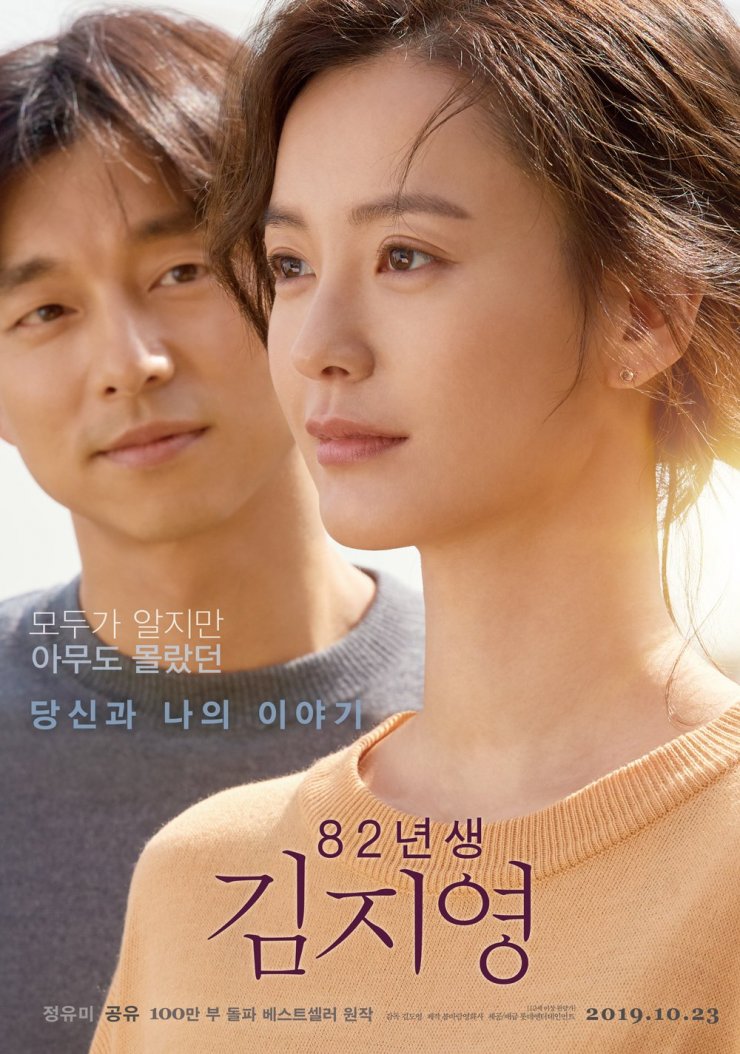 The year’s other big film story was the furore surrounding feminist film Kim Ji-young, Born in 1982 (82년생 김지영). Bizarrely feeling that their masculine identity were somehow under threat due to the release, misogynists crawled out of the woodwork to enact ‘ratings terror’ which involved angrily bashing the film online. Audiences didn’t listen, and Kim Ji-young went on to become one of the most financially successful films of the year as well as sparking further debates about women’s rights in contemporary Korea. Interestingly the misogynists seemed largely oblivious to the array of other feminist-orientated films that were released throughout the year, from indie darling House of Hummingbird (벌새), mainstream action comedy Miss and Mrs. Cops (걸캅스), to queer story Moonlit Winter (윤희에게) among others, which speaks volumes.
Here is the top 10, with the number 1 spot likely coming as no surprise. Here’s hoping that 2020 is a return to form for K-cinema~
1 – Parasite (기생충)
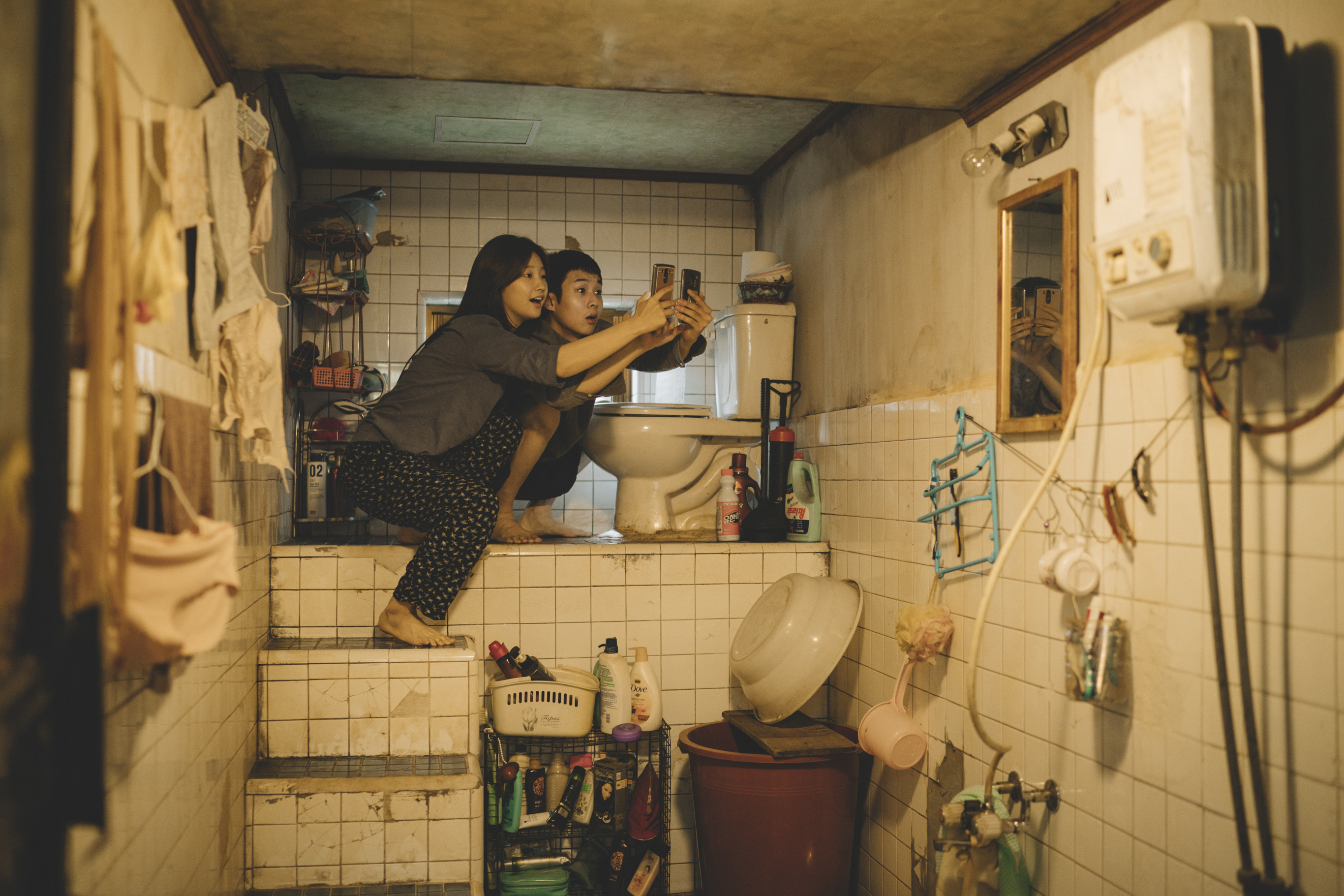
A wonderfully dark comedic takedown of capitalism and wealth disparity, Parasite is not only the best Korean film of 2019 but also one of the best international releases. The cinematography is exquisite throughout, accompanied by an incredible ensemble cast and a thrilling story that highlights the horrors of capitalism in an altogether different manner from the other works in his filmography. 2020 is undoubtedly going to see Parasite honoured further on the international stage, with a black and white version soon to be released and attention so great that retrospectives on director Bong Joon-ho’s filmography are already being scheduled. Be sure to catch it on the big screen if you haven’t already.
2 – Way Back Home (비밀의 정원)

Quietly premiering at Busan Film Festival, Way Back Home is arguably the most sincere Korean film of 2019 and an impressive debut by director Park Sunjoo (박선주). The story focuses on a woman who receives a phone call from the police letting her know that the man who assaulted her 10 years prior has been caught, bringing up painful memories she had sought to suppress. It’s a challenging role and one that actress Han Wooyun (한우연) makes her own, expressing years of hidden pain through subtle glances, far away stares, and palpable frustration at the world. Thought-provoking and poignant, Way Back Home is the hidden gem of K-cinema in 2019.
3 – Move the Grave (이장)

Move the Grave is delightful drama from director Jeong Seung-o (정승오), that follows a family as they’re forced to come together and agree on the details in moving their father’s grave due to redeveloped. The conflicts that arise between the sisters – each of whom embodies different problems modern Korean women face – their loser brother, and their fiercely patriarchal uncle convey a wealth of feminist and familial issues that convey how frustrating, and often how funny, such clashes are.
4 – Kim Ji-young, Born in 1982 (82년생 김지영)

Adapting the best-selling book, which charts the sexism Kim Ji-young experiences throughout her entire lifetime, into a commercial film is not an easy feat yet debut director/writer Kim Do-young (김도영) does an admirable job. While other films exploring women’s lives had inequality and rights issues as part of the narrative, in Kim Ji-young such issues are the narrative and this where the story contains power and relevance as it forces focus back onto female protagonists after years of being largely written out of the mainstream.
5 – Innocent Witness (증인)

Director Lee Han (이한) has proven his abilities on powerful dramas including Thread of Lies and does it again with Innocent Witness, a courtroom mystery-drama where the one key witness to a murder has autism. Actor Jung Woo-song is as charismatic as ever as the conflicted prosector, while Kim Hyang-gi excels in playing the autistic witness and has been shockingly overlooked for awards nominations. Innocent Witness is also quite progressive in the representation of modern relationships especially when compared to other K-films. A charming, heart-warming drama.
6 – Moonlit Winter (윤희에게)
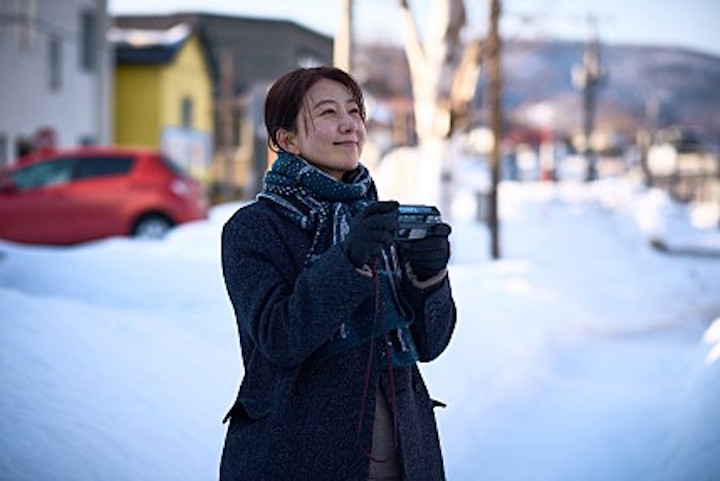
Closing the Busan Film Festival this year was Moonlit Winter, the latest from Merry Christmas Mr. Mo director, Lim Dae-hyung (임대형). Actress Kim Hee-ae is establishing herself as one a particularly versatile performer, following up her excellent turn in Herstory with portraying lovelorn single mother Eun-hee who holds a deep secret. Locations in Korea and Hokkaido are wonderfully used to express loneliness as well as romance, while the supporting cast who help Eun-hee escape her sadness are especially endearing.
7 – Birthday (생일)
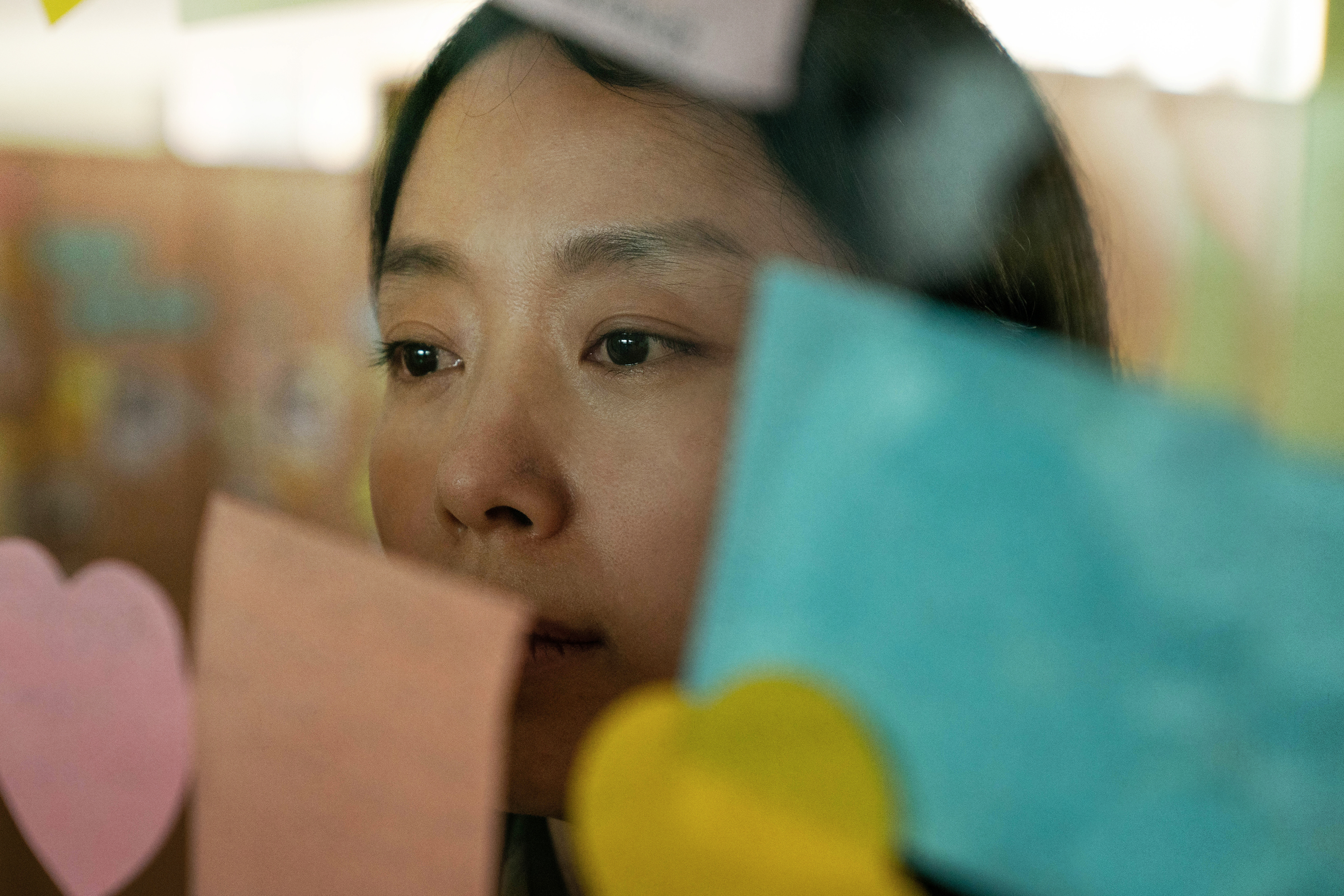
Honouring the victims and families of the Sewol disaster is a challenging prospect, and writer/director Lee Jong-un sensitively approaches the subject by focusing on the community gathering to celebrate a victim’s birthday. With actors Jeon Do-yeon and Sol Kyung-gu onboard as the victim’s estranged parents the performances are, of course, especially high although it’s their daughter played by youngster Kim Bo-min who often steals the screen with her natural charm. Thankfully avoiding melodrama, Birthday is an especially emotional film. Prepare tissues in advance.
8 – The Breathing of the Fire (불숨)

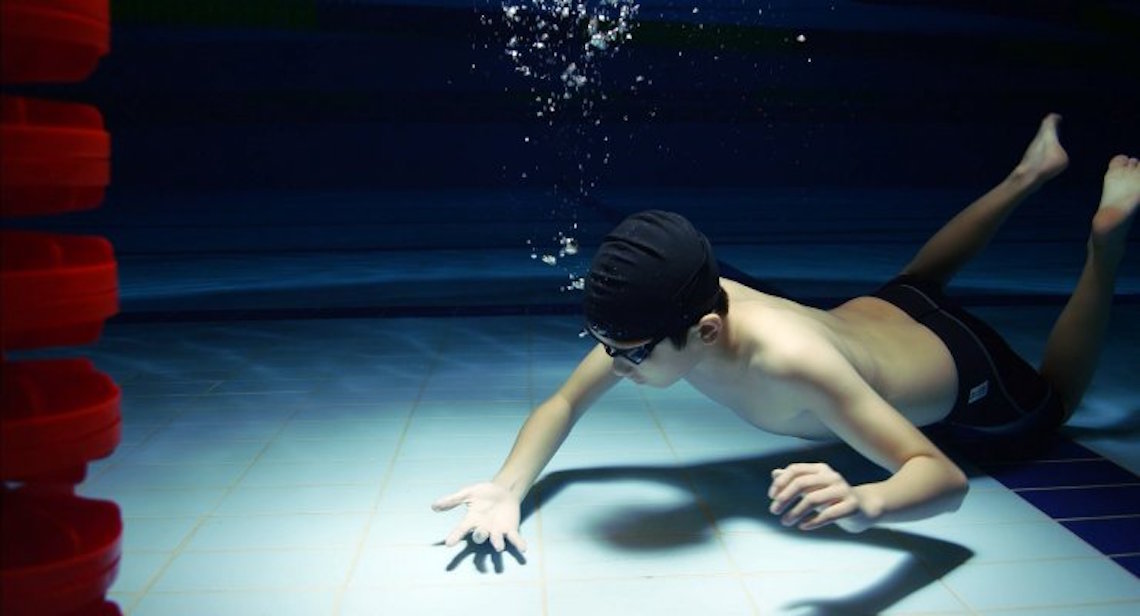
Building on her previous wonderful documentary Breathing Underwater, director Koh Heeyoung returns with The Breathing of the Fire. The film was part of the 2019 Jeonju Cinema Project, and follows an elderly potter who has spent much of his life attempting to craft the perfect bowl with techniques that have been passed down for generations, crafting raging fires in which to create a masterpiece. A fascinating insight into a dying cultural tradition.
9 – Shades of the Heart (아무도 없는 곳)

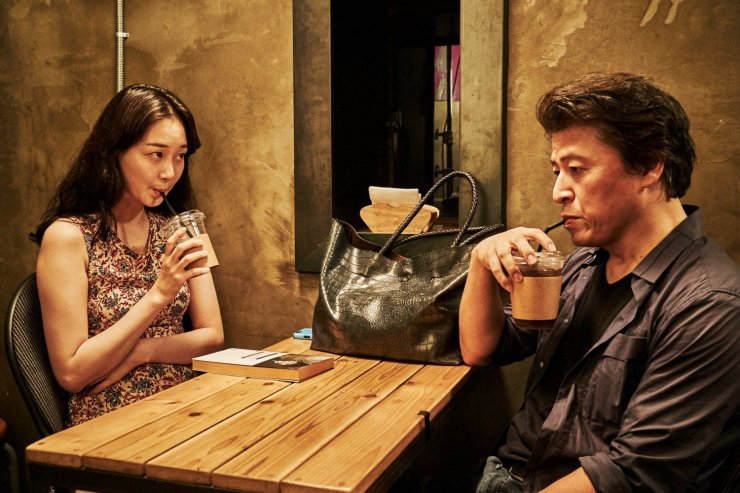
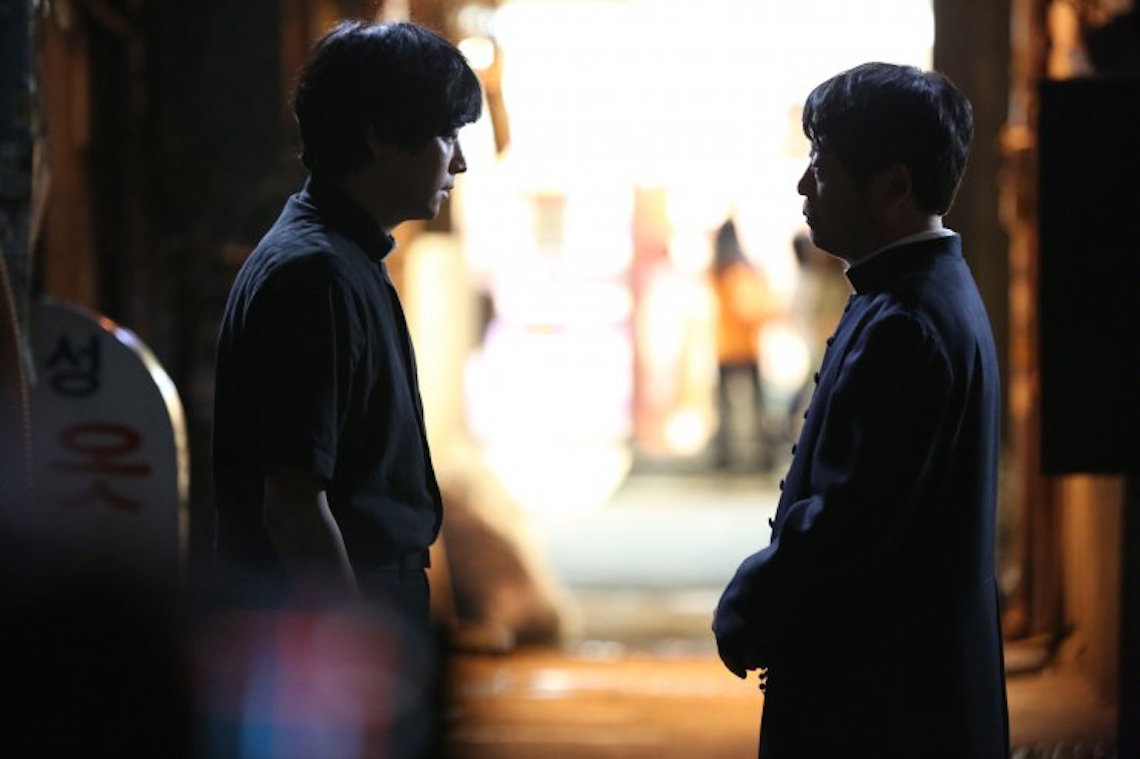
The latest from director Kim Jong-kwan (김종관) is also a Jeonju Cinema Project, and highlights once again that he is master of filming simple conversations in a manner that is captivating and thought-provoking. Shades of the Heart follows writer Chang-seok who returns to Seoul after his marriage falls apart, meeting a variety of interesting characters on his journey of self-discovery. What is left un-said is often as powerful as the dialogue itself.
10 – Rivercide: The Secret Six (삽질)

Independent Korean documentaries have rapidly evolved over the past few years, and the investigative journalism that has been applied in crafting Rivercide is testament to such efforts. The film examines the controversial subject of the four rivers project, using years of footage and investigation in their attempts to expose governmental corruption and the pollution of Korea’s rivers. Tensions around this film have been so high that at the Q&A for Riverside the filmmakers revealed they have received death threats, emphasising even more how such documentaries are vital.
Top 10 Korean Films of 2018 / Top 10 Korean Films of 2017

 2018 was quite a bizarre year for Korean cinema.
 One of the most surprising discoveries at Busan Film Festival was director Kim Junsik’s charming LGBTQ story Between the Seasons. The story follows cafe owner Hae-soo, a woman running from a difficult past, who becomes friends with creative high schooler Ye-jin. Through their burgeoning relationship the story explores gender, sexuality and love in contemporary Korea with real sincerity while never succumbing to trite melodrama. Oh Ha-nee in particular provides a moving performance as adolescent Hae-soo. Between the Seasons is a delicate and thoughtful story about tolerance and identity.
 Intimate Strangers follows a group of old friends who gather for a dinner party and decide to play a dangerous game – throughout the night, everyone’s phone calls and messages must be available for all to hear. Based on the 2016 Italian film Perfect Strangers, Intimate Strangers flits between comedy and drama as more and more secrets emerge, as the fascinating premise forces everyone to question their relationships, shared histories, and beliefs. Actor Yoo Hae-jin once again shines as a bad husband who slowly begins to change as revelations arise.
 A delightfully entertaining melodrama, director Lee Jang-hoon’s Be With You is certainly one of the most endearing tales of the year. Adapted from the Japanese film and novel of the same name, the influence of J-cultural storytelling is clear throughout yet is filled with Korean charm. Son Ye-jin is in typically great form as a wife/mother who has lost her memory, while the romantic backstory and family dynamic are especially alluring. Although Be With You doesn’t reinvent the genre in any way, the film is a lovingly made melodrama that pulls the heartstrings in all the right ways.
 Based on the shocking true story of unsolved murders in Busan, Dark Figure of Crime is a fascinating tale both for the onscreen shocks and the complicated production history. The film follows a detective who investigates cold cases, but the criminal responsible – although confessing to everything – is especially unreliable and as such, discovering the victims proves an arduous task. The police too dislike their old cases being investigated, and the apathy towards the high numbers of people missing and/or murdered is one of the real shocks of the film.
 Director Lee Hae-young’s Believer puts a stylish Korean spin on this remake/reimagining of Hong Kong director Johnnie To’s Drug War. Excess is the name of the game, as the story features wild narrative twists and flamboyant characters as the cat-and-mouse crime caper escalates. Production values are particularly lavish (as with the director’s previous film The Silenced), while the suspense-filled confrontations are real highlights. Solidly entertaining throughout, Believer is certainly 2018’s most enjoyable gangster movie.
 One of the surprise hits of the year was undoubtedly director Yim Soon-rye’s Little Forest. Adapted from the Japanese original, the film sees a university student become frustrated with city life and return to her hometown where she rediscovers a passion for cooking using her mother’s recipes. Little Forest became particularly popular among young Koreans (who themselves deal with extraordinary stress due to academic pressure and unemployment anxieties), and it’s easy to see why – the tale is a quietly understated expression of self-discovery and friendship, with the ever-charismatic Kim Tae-ri and perfectly presented national dishes beguiling audiences.
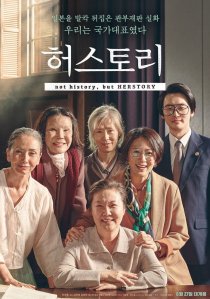 The tragic story of Korean ‘comfort women’ – Korean women forced into sexual slavery for Japanese troops – is a poignant subject that often appears on screens big and small. The latest is Herstory, based on the true events of a group of women from Busan who sought to take the Japanese government to court for their role in the atrocities. Helmed by director Min Kyu-dong, Herstory is a powerful testament to the strength and resilience of the women who refused to give up despite overwhelming pressure both at home and abroad. The film also boasts a powerhouse performance by the almost unrecognisable Kim Hee-ae who is wonderfully charismatic as a no-nonsense businesswoman determined to see Japan publicly acknowledge war crimes, and whose determination drives the events forward.
 A delightful discovery this year was House of Hummingbird, the stand-out film at the Busan International Film Festival. Director Kim Bo-ra’s debut feature is the coming-of-age story of youngster Eun-hee, who struggles with identity issues while also attempting to navigate the confusing relationships that exist around her, notably within her dysfunctional family. Told with acute sensitivity and a keen feminist eye, director Kim has constructed a quiet yet assured story of adolescence that emphasises the difficulty in connecting with others and the frustrating discrimination young women experience.
 Premiering Out of Competition at Cannes and based on real life events, The Spy Gone North is a taught espionage thriller by director Yoon Jong-bin. Boasting exquisite production design throughout, Spy generates suspense via impressive dialogue scenes and narrative twists rather than action-orientated fare, with the appearance of certain (in)famous individuals and historical situations adding significant tension to the proceedings. Amazingly, while the running time is over 2 hours Spy is consistently engaging while also offering a fascinating insight into the complex political corruption on the peninsula.
 Director Lee Chang-dong made a triumphant return to cinemas after an 8 year hiatus with Burning, a powerful and resonating drama-thriller about disaffected Korean youths. As with most of director Lee’s films, multiple viewings are required to unlock the sheer majesty and depths within the story as the narrative is so focused on metaphor and irony, as well as providing keen social commentary. This is arguably why Burning has proved somewhat divisive amongst audiences, as the aesthetics require serious engagement. Performances are phenomenal throughout with Yoo Ah-in providing a career-best highlight, Steven Yeun masterful in conveying the entitlement and boredom of Gangnam’s elite, and newcomer Jeon Jong-seo excelling as the innocent-yet-rebellious Hae-mi.
 While the films released throughout any particular year are indicative of a country’s identity, for Korean cinema in 2017 the exploration of political and social issues were especially revealing of the cultural shift that has arisen in the wake of Park Geun-hye’s presidency.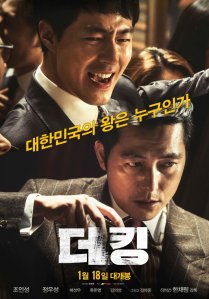
 The Battleship Island was intended as the big blockbuster of 2017, yet as soon as the theatrical cut was released it proved particularly divisive. The Director’s Cut, which appeared at the Busan Film Festival in October, improves things. It’s a big entertaining blockbuster high on production values and spectacle, with director Ryoo Seung-wan (
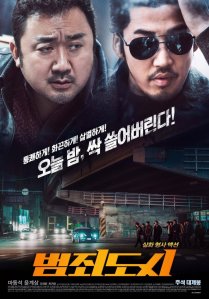 All hail Ma Dong-seok. Another hugely entertaining action-comedy that came out of left field, action-comedy The Outlaws sees the incredibly charismatic Mr. Ma as a tough cop battling against Chinese gangsters. Director Kang Yoon-sung’s impressive debut was a surprise hit upon release thanks to strong word of mouth, earning just over $52.7 million at the box office (
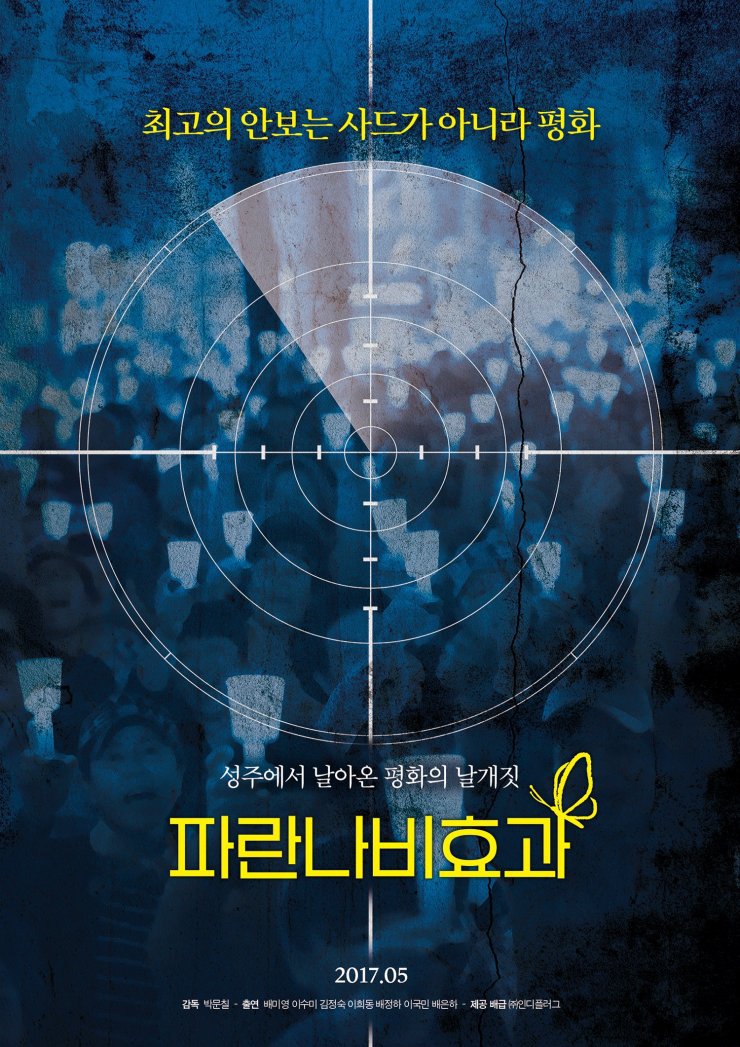
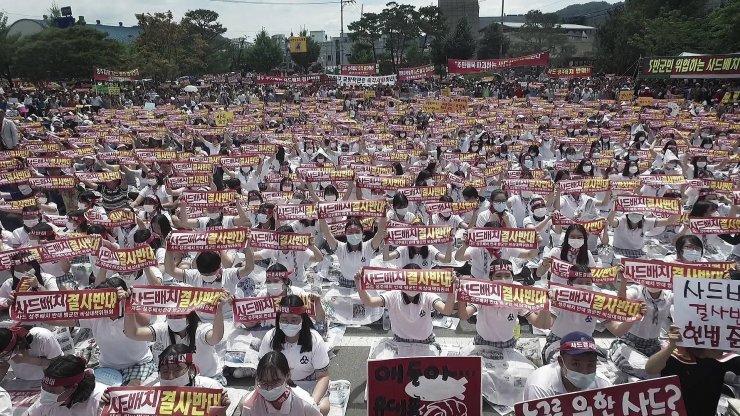
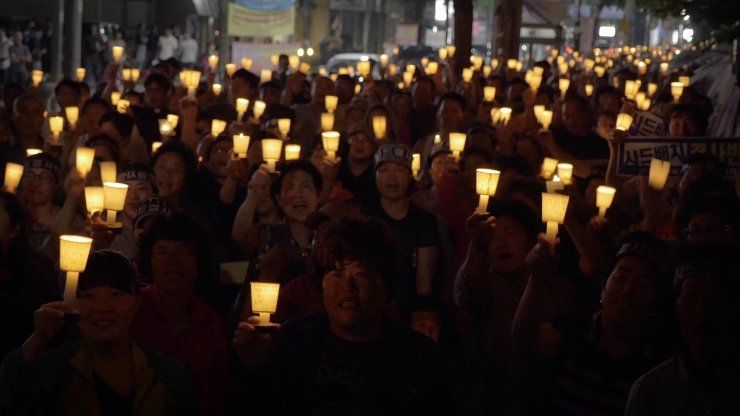
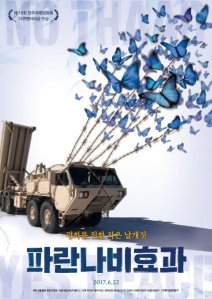 Winner of the Documentary Award at Jeonju Film Festival, director Park Moon-chil’s Blue Butterfly Effect follows the escalation of tension as the THADD missile system is forcibly positioned within a small farming community. The film brilliantly captures not only the political strife surrounding the issue but also the manner in which the protest movement is formed from grass roots through to a force to be reckoned with. Criminally under appreciated upon release, Blue Butterfly Effect offers great insight into the nature of Korean political unrest.
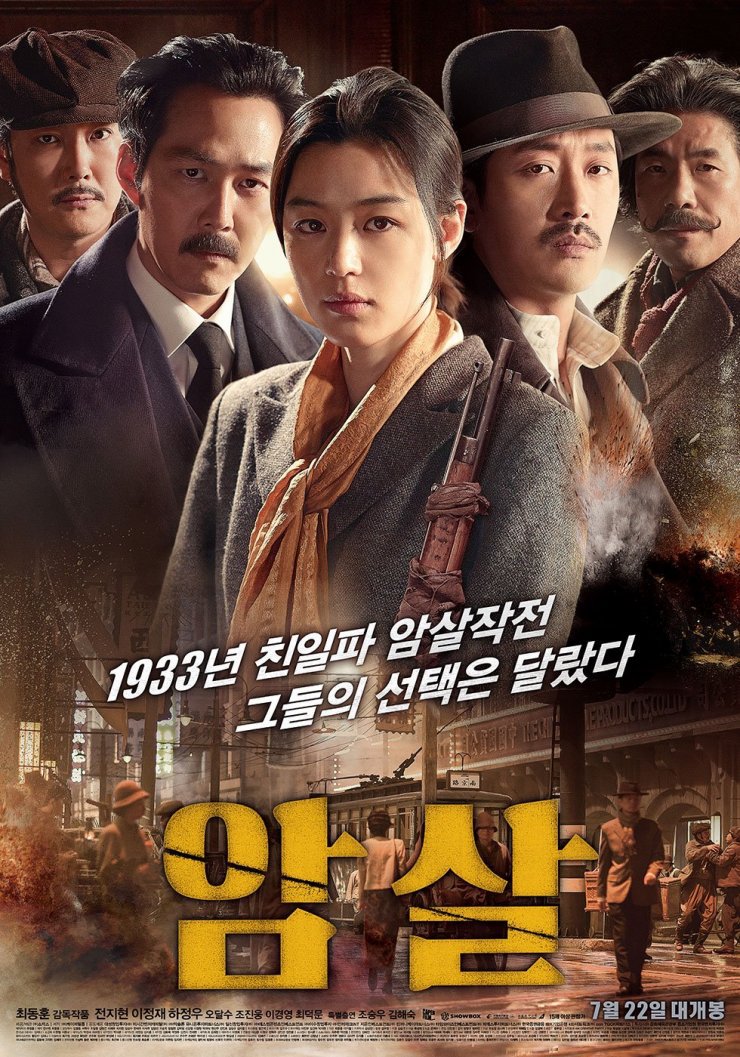
 Many years ago, a peasant uprising led by the legendary 3 Swords goes awry when Deok-gi (Lee Byung-hun) betrays the band of warriors by aligning with the corrupt king and murdering Poong-chun (Bae Soo-Bin). Distraught, Seol-rang (Jeon Do-yeon) flees with Poong-chan’s infant daughter Hong-yi, vowing revenge. 18 years later, Hong-yi (Kim Go-eun) has become a master swordsman thanks to the tutelage of the now-blind Seol-rang, and upon learning of her tragic history embarks on a quest to avenge her father.


















 hangukyeonghwa.com