More quick fire reviews from the 14th Jeonju International Film Festival.
Inertia
Inertia – 6/10
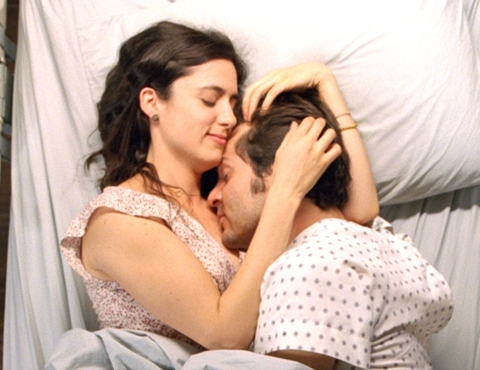
This Mexican hospital drama has an extremely heartfelt script, as the nature of love and sacrifice are explored. Central protagonist Lucia accidently runs into her ex-boyfriend Felipe who, thanks to failing kidneys, has momentary lapses in coherence. As she decides to take care of him the two discover feelings that they thought were long gone, yet Felipe’s increasingly volatile state causes further heartache. Director Isabel Munoz Cota competently helms the drama, yet there is always a distance between the audience and the characters, a critical issue for such an emotional story. Similarly the acting is also adequate, but the roles demand much more skill and nuance than what is provided. Inertia is a well-made film that doesn’t quite manage to fulfill the potential of the script.
Burn, Release, Explode, The Invincible (연소, 석방, 폭발, 대적할 이가 없는)
Burn, Release, Explode, The Invincible (연소, 석방, 폭발, 대적할 이가 없는) – 4/10
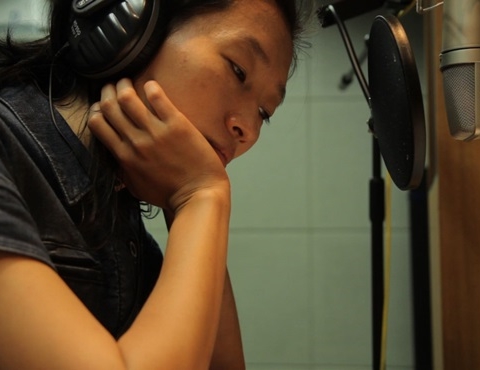
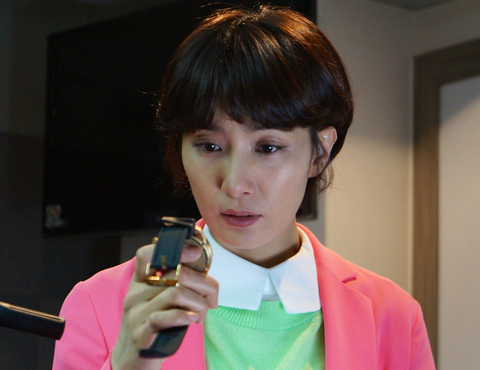
Director Kim Su-hyun (김수현) blends a variety of generic conventions within Burn, Release, Explode, The Invincible, merging drama, documentary, and experimental forms. The result is an odd tale about a woman with an androgynistic voice, who is in high demand for voice over work due to her authoritative yet soft vocal style. Her gift is also her curse however as the pressures surrounding her impact her mental stability. In terms of technique it’s a well-made film, yet the story is difficult to follow and the central protagonist hard to empathize with given the disparate conventions and non-linear storytelling. The finale is also quite odd as traditional Korean performances are introduced to express freedom. An interesting film, but also one that’s difficult to become immersed in.
Shibata and Nagao (시바타와 나가오)
Shibata and Nagao (시바타와 나가오) – 6/10
While his last film Breathless was a mesmerizing exploration of social class and the nature of violence, director Yang Ik-june (양익준) opts for a very different approach with romantic drama Shibata and Nagao. Filmed in Japanese, the film explores ex-lovers who meet again following a later break-up. Director Yang’s style is soft and tender as he examines the feelings that still exist between them, but it is also frustratingly slow-paced as very little information about them is revealed. There are some lovely moments that arise, as well as comedic – they discuss if a loud, violent couple are Korean – and it is thought-provoking in regards to unresolved/unrequited emotions. There’s a sense that there is a larger story not shown which is a shame. A lovely, yet slow-paced film.
Quick fire reviews from the 14th Jeonju International Film Festival.
Lebanon Emotion (레바논 감정)
Lebanon Emotion (레바논 감정) – 8/10
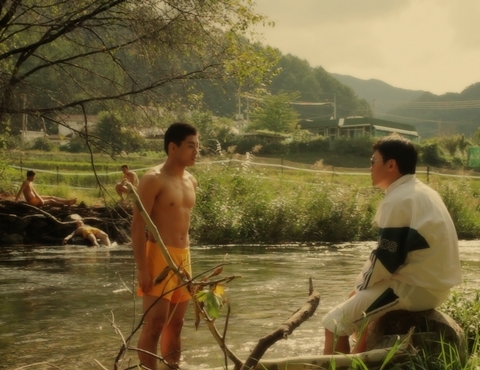
Lebanon Emotion is without a doubt one of the best films at the festival, and certainly a strong contender for best film in the Korean Film Competition category. Director Jung Young-heon (정영헌) has cemented his position as a film-making talent to watch, following his best director win for short film Hard Boiled Jesus at JIFF 2012. In Lebanon Emotion the director explores a great variety of themes throughout the drama/thriller narrative including suicide, guilt, survival, and purpose, against the backdrop of winter in the countryside. Director Jung’s prior history with cinematography is clearly apparent as the landscapes and settings are very attractive throughout. Yet what makes the film so powerful is the characterisation, and the wonderful performances given by the central cast who are continually poignant and compelling. Recommended viewing.
Mr. Vertigo (축지법과 비행술)
Mr. Vertigo (축지법과 비행술) – 5/10
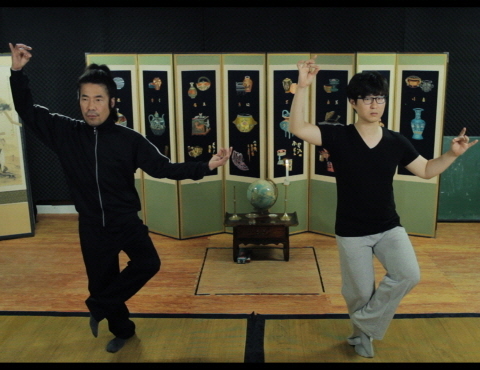
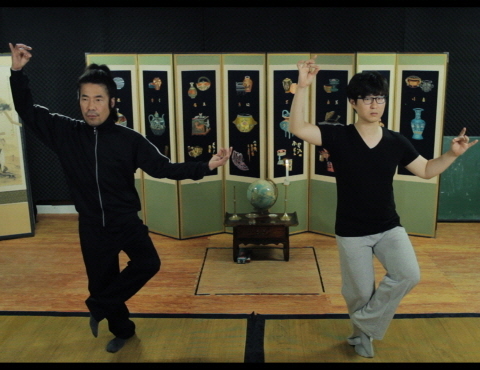
Mr. Vertigo promised to be one of the more quirky offerings at the festival, yet only partially succeeds. This is wholly due to actor Oh Dal-su who performs the role of a roguish ‘air-walking’ master who takes on a new student. Oh Dal-su has played plenty of similar characters in the past and while he tries to squeeze as much out of the master as he can, there isn’t really enough material for him to do so. The main protagonist is actually his disciple, a frustrated bookish young man who seeks something new and fulfilling. Again however, director Lee Kyung-sub (이경섭) doesn’t provide much information or fully convey his anxieties, resulting in a lack of engagement. A mildly entertaining film that doesn’t capitalize on its premise.
Timing (타이밍)
Timing (타이밍) – 5/10
As the title implies, Timing features some of the ironic features of life that tend to occur at the most inconvenient of moments. The narrative conveys the frustrations of a career woman recently diagnosed with cancer, and the events that transpire as a result. She explodes at her boss in a business meeting; an ex-lover appears out of concern; financial and health issues, and so forth. The film becomes quite episodic due to this approach, and as such it’s difficult to really align with the protagonist and feel the anguish she endures. The character is also not particularly likable due to her initial selfishness. However director Kim Ji-Yeon (김지연) manages to cram an awful lot of material into the 21 minute running and is quite insightful at times, although she could have benefitted much more by making it a feature.
The Woman (그 여자)
The Woman (그 여자) – 5/10
With the transsexual experience vastly underrepresented in Korean cinema, The Woman had the potential to shine a light on important issues yet only partially succeeds. The narrative follows Yoon-hee as she goes about her daily life, until her older brother pays a visit to inform her of their mother’s illness. Unfortunately director Jo Mee-hye (조미혜) takes nearly all the running time just to get to this point, generally meandering as Yoon-hee delivers milk on her rounds. There is a wealth of material within the film that is just never explored – Yoon-hee’s status as an outsider, her obviously fraught relationship with her husband, the extremely strained familial history – and as such only scrapes the surface of the potential on offer. The Woman is an interesting yet superficial film, and a missed opportunity.
Echo of Dragon (용문)
Echo of Dragon (용문) – 3/10
Fans of experimental and art house cinema will find much to love with director Lee Hyun-jung’s (이현정) Echo of Dragon, due to the highly symbolic features that run rampant throughout. For everyone else, the film is pretentious, self-indulgent and utterly absurd. The film does feature moments of beautiful cinematography although they are often sporadic, while narrative elements are started and dropped without any warning. Ironically it is a different director, Lee Sang-woo, who steals the show in his performance as a possibly mentally unhinged drifter. He provides much-needed levity and focus to the film, and is genuinely funny yet also hints at a greater depth that goes unexplored. The film is highly symbolic, but also frustratingly bizarre.
Garibong (가리봉)
Garibong (가리봉) – 5/10
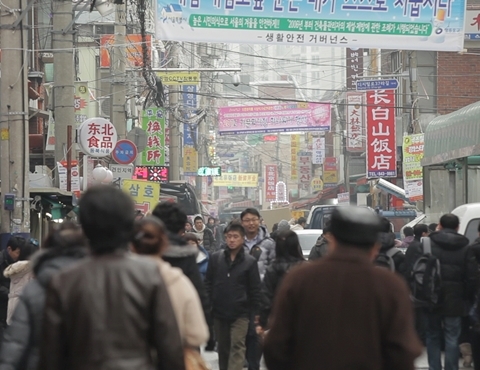
Director Park Ki-yong (박기용) has produced a documentary in the very literal sense of the word with Garibong, as he ‘documents’ areas within the titular district in which Chinese immigrants reside. The cinematography is superb, capturing the sense of dislocation of the area from the surrounding Seoul districts and the squalid, dilapidated buildings convey palpable depression. Often, he film evokes scenes from sci-fi classic Blade Runner. Yet despite the attractive visual prowess, the film is quite dull as there are no people or stories to follow, and therefore no opportunity to become fully engaged within the world of Garibong. The static camera is both a blessing and a curse, as while it captures the alleys and lifestyle there is always a distance between it and the residents. Ultimately the documentary is visually attractive, but lacking compulsion.
With such a great variety films to see at the 14th Jeonju International Film Festival, and precious little time to write full reviews, here is the first in a series of ‘Quick Fire Reviews’ from the festival.
Groggy Summer (그로기 썸머)
Groggy Summer (그로기 썸머) – ★★☆☆☆
Groggy Summer depicts the life of frustrated teenage poet Min-joon, whose poverty-stricken lifestyle leads him to despair. Misunderstood by his parents, the young man finds solace with his friends who are similarly displaced social outcasts. The story is a very interesting one, and director Yun Su-ik (윤수익) initially does well in conveying the difficulties of being a creative person in Korean society. As the film continues Min-joon is constantly beaten down by the trappings of capitalist society, where money is the solution at every turn. Yet the film doesn’t really explore any of the features in great detail, instead seeking to add more and more different challenges to Min-joon’s life, which results in a loss of focus and invites predictability. There are also intriguing parallels to be had with his artistic father, which unfortunately are not capitalised on. The major issues with Groggy Summer are the camerawork and editing. While the mixture of close-ups and extreme close-ups creates intimacy and provides a penetrating exploration of emotion, it also makes for uncomfortable viewing as the world in which Min-joon inhabits is not fully portrayed. The intensity of this style helps to convey frustration, but when used in conjunction with highly kinetic hand-held camera movement the result is dizziness and nausea. The editing also detracts from the story as it noticeably jumps in several areas. The story has a lot of potential and shows promise, yet the filmmaking techniques detract from the experience.
Cheer Up Mr. Lee (힘내세요, 병헌씨)
Cheer Up Mr. Lee (힘내세요, 병헌씨) – ★★★☆☆
A mockumentary about an aspiring but lazy director, Cheer Up Mr. Lee is a very funny examination of Korean dramas and documentaries. Based on the life of the director, Lee Byeong-hun (이병헌), the film wonderfully pokes fun at the contrived cinematic conventions to be seen in Korean media in a variety of ways. The central protagonist and his friends are very amusing as they are all losers who berate each other for fun instead of working hard to achieve their dreams, while the frustrations of the documentary team as the follow them are comedic. This postmodern sensibility extends to the awareness of filmic conventions, as Byeong-hun berates the film crew for employing techniques such as music during crises. Yet while the film begins strongly the narrative and comedy aren’t consistent, and as such the film often flits between fun and dull points as the focus is repeatedly found then lost. The second act suffers acutely in this regard, especially as the team travel to Busan. Luckily the film picks up towards the end, where the director pokes fun at short film and art film conventions, as he makes his debut in a very comedic manner. A fun film that often loses focus, yet very entertaining.
Karaoke Girl
Karaoke Girl – ★★★☆☆
Thai director Visra Vichit Vadakan has produced a fascinating insight into the life of young Thai women who find themselves working in the seedy bars of Bangkok. The film explores the life of Sa, a 22 year old woman who moved from the country to the capital in order to find work and money, yet did so at the expense of her happiness. Karaoke Girl is not a depressing effort however, as while Sa is treated terribly by her on-again-off-again boyfriend director Vadakan portrays the young woman as strong and passionate, and that she understands she deserves more than what life has provided for her. Sa’s spirit drives the film, and the actress is talented and engaging throughout. The director also wisely steers clear of any sexual content that could have so easily been included and instead focuses on Sa’s journey as she becomes stronger. Yet Karaoke Girl suffers from the mixture of drama and documentary techniques that occur throughout, never managing to fully blend them into a coherent whole which ultimately detracts from the viewing experience. The film jumps from following Sa’s life, which is utterly engaging, to interviewing her family in the countryside, and draws the audience out of the film. This is a genuine shame as Sa is an intriguing character/real life subject.
Juvenile Offender (범죄소년)
Juvenile Offender (범죄소년) – ★★★★☆
With a story concerned with the abandonment of youth, Juvenile Offender is a highly poignant and engaging drama. Director Kang Yi-kwan (강이관) explores several very important and timely social issues within Korean society, including teenage pregnancy, parental abandonment, poor social care, unfair legal system, and misunderstood youth. The film follows Jin-gu, a teenage who lives with his elderly grandfather. Falling into the wrong crowd and with anger problems, Jin-gu quickly earns a criminal record and finds himself in a detention center. When his mother, who was thought to be dead, surfaces to take him in, their relationship is explored as the two struggle to overcome their own strife as well as to forge a relationship. Director Kang deftly sidesteps any melodrama and the film emerges the stronger for it, while the powerful performances by both Seo Yeong-joo (서영주) as Jin-gu and Lee Jeong-hyeon (이정현) as his mother are captivating. While it feels unfair to comment negatively on appearance, Lee Jeong-hyeon’s quite obvious plastic surgery detracts from her role as a teenage mother with a criminal past. The youthfulness of her face appears similar to her son, which invites some oedipal anxieties at certain points. The film also somewhat loses track as it draws to a close, seemingly unsure how to wrap up so many issues and ends rather abruptly, yet it is also quite fitting. A powerful and timely film.
In part 1 of the examination of the 14th Jeonju Film Festival’s Korean Short Film Competition, 10 of the shorts were profiled and discussed. There are an interesting range of shorts in competition this year, including some animated entries and some experimental filmmaking, although for most there appears to be a real social-realist heart at the core of most of the films, particularly in regards to youth. Contemporary issues including teenage pregnancy, young runaways, extreme shyness, disillusioned youth, and the political impact on young minds are prominent issues at this year’s festival, and it’s really interesting to see such a strong devotion to youth issues.
This second part of the feature on the Short Film Competition explores the final 10 shorts within the category. As with the first part, youth issues seem to be the primary focus alongside more experimental fare and looks to be a very interesting lineup.
No More No Less (더도 말고 덜도 말고)
No More No Less (더도 말고 덜도 말고)
Director: Lim Oh-jeong (임오정)
Synopsis: The film explores the lives of teenage girls in contemporary Korea through the theft of an ipod, which brings to light issues of trust, jealousy, and companionship. The highly competitive and stressful life of Korean high school girls is potent material, and this film could shine a new perspective on a timely subject.
Phase (상)
Phase (상)
Director: Oh Min-wook (오민욱)
Synopsis: Another experimental addition to the lineup, Phase is concerned with ‘images that mutate’ by employing abstract images, footage from historical events, and phrases and mottos. The images that are circulating are quite attractive, and it will be interesting to see how director Oh uses them.
Road Movie (로드 무비)
Road Movie (로드 무비)
Director: Jung Nam (정남)
Synopsis: Experimental film Road Movie ‘portrays the existential base of film’ by utilising cinematic conventions in exploring the medium. Light, shadow and motion are used in conjunction with editing techniques as the film moves along a course.
Sisibibi (시시비비)
Sisibibi (시시비비)
Director: Jung Jee-hyung (정지형)
Synopsis: Sisibibi explores the notion of contemporary masculinity through two drunk central protagonists. Their discussion about what defines masculinity and what women are looking for, results into a competition. Contemporary Korean masculinity is complicated to say the least, so this could highlight some interesting issues.
Sweet Temptation (잘 먹고 잘 사는 법)
Sweet Temptation (잘 먹고 잘 사는 법)
Director: Jeong Han-Jin (정한진)
Synopsis: This short has an intriguing premise, as a young boy who has only had a diet consisting of natural foods is suddenly introduced to chocolate. Themes of parental trust and ‘blind faith’ are explored as the boy becomes open to new possibilities. Symbolic and timely material due to the generation gap.
The Sound of Rain (빗소리)
The Sound of Rain (빗소리)
Director: Kim Jin-hee (김진희)
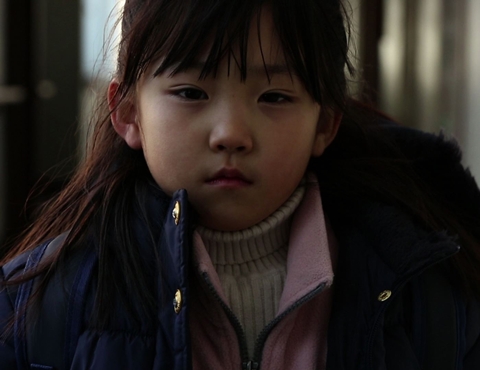
Synopsis: Exploring the fragility and innocence of the very young, The Sound of Rain depicts the anxieties of a kindergarten girl who has gone to school without an umbrella on a rainy day. Parental responsibilities and maternal abandonment are key themes within the film, and emphasize a growing social problem.
The Wish (주희)
The Wish (주희)
Director: Huh Jung (허정)
Synopsis: Another entry highlighting the social problems of teenage girls, The Wish explores the notion of popularity according to wealth in a middle school. When a supernatural ritual becomes fashionable at the school, jealousies and rivalries are examined.
Three Stories About Depth (깊이에의 강요)
Three Stories About Depth (깊이에의 강요)
Director: Choi Seung-chul (최승철)
Synopsis: This 9 minute short is divided into 3 ‘episodes’ that explore the cinematic techniques involving depth. Director Choi employs the theme of depth in a variety of ways, using the camera to penetrate different realms of distance, and could be potentially illuminating.
Trunk (트렁크)
Trunk (트렁크)
Director: Kim Hyeon-cheol (김현철)
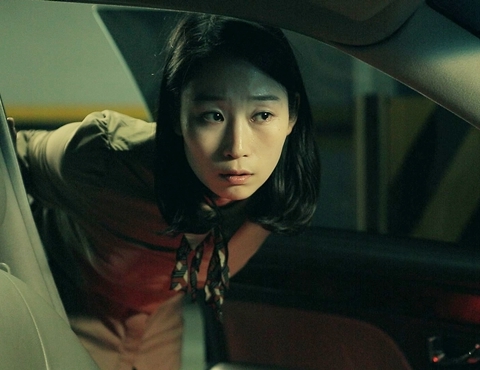
Synopsis: One of the more traditional genre entries, Trunk appear to be a short thriller that involves a woman too curious for her own good. When she takes a peek inside a car trunk that has been left open, there are ramifications to be had. It will be interesting to see if director Kim can fulfill the tension that the synopsis suggests.
Two Gentlemen (두 신사)
Two Gentlemen (두 신사)
Director: Park Jae-ok (박재옥)
Synopsis: Only the second animated entry this year, director Park’s Two Gentleman is quite a departure from the distinctly Korean issues explored by his peers. The film examines the snobbish nature of two French art critics as they quarrel over a painting, uses satire to do so.
The 14th Jeonju International Film Festival received more applicants than ever before for the Korean Short Film Competition – a total of 589 films were submitted, quite an increase from the 500 or so short films that are typically submitted. Out of these, 20 finalists were chosen to compete for the Grand Prize and the 5 million KRW reward, as well as the Best Director Prize (3 million KRW) and the Special Jury Prize (2 million KRW).
This year features mostly dramatic films that focus on quite a diverse range of generational and societal issues in Korea, yet there are also a growing number of experimental films as well as two animated shorts.
In this first part focusing on the competition, 10 of the short films are profiled and exemplify the festival’s nature in putting a spotlight on new, raw talent and for pushing boundaries.
Breathe Me (울게 하소서)
Breathe Me (울게 하소서)
Director: Han Eun-young (한은영)
Synopsis: Teenage pregnancy is a growing concern in Korea, particularly the secrecy in which it is shrouded. Director Han examines two such teens as they deliver their baby alone and the stark choices they face, in what looks to be a powerfully solemn drama.
Broken (부서진)
Broken (부서진)
Director: Choi Jung-min (최정민)
Synopsis: One of the more experimental submissions, Broken is a ‘self-reflexive narration’ that employs and juxtaposes news text from the past with images from the present. Director Choi apparently seeks to create conflict between the words and pictures.
Family (패밀리)
Family (패밀리)
Director: Jung Wook (정욱)
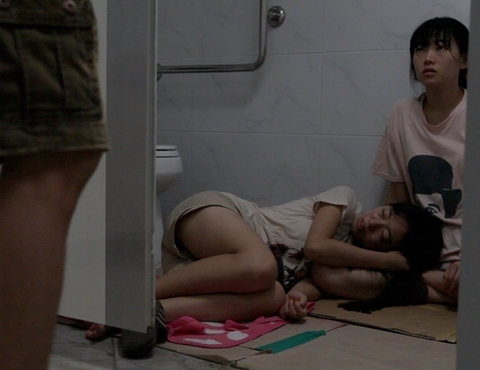
Synopsis:Family deals with a group of teenage runaways who have found accommodation in the form of a public bathroom. Director Jung explores their lives as they earn money illegally and continue their squalid existence, as well as the rejection from those supposed to protect them.
Flamenco Nina (플라멩코 소녀)
Flamenco Nina (플라멩코 소녀)
Director: Lee Chan-ho (이찬호)
Synopsis: The difficult life of extremely shy Jeong-hye is conveyed through this short, and the stresses she is unable to deal with prove a constant source of frustration. Yet she finds freedom of expression through dancing, suggesting this entry could be a feel-good character study.
Grecoroman (그레코로만)
Grecoroman (그레코로만)
Director: Shin Hyun-tak (신현탁)
Synopsis: One of few films to tackle issues of the older generation, Grecoroman is concerned with the notion of reputation as a security officer is branded a pervert for helping an epileptic child, which in turn prompts him to recall the promise of his youth.
Highs and Lows
Highs and Lows
Director: Yang Youn-hwa (양연화)
Synopsis: The first of only two animated entries, this 6 minute short focuses on the competitive nature of society and how people scramble to be on top. This is particularly relevant in Korean culture where competition begins very early, and it will be interesting to see it interpreted within animation.
I Have Nothing to Lose (낫씽 투 루즈)
I Have Nothing to Lose (낫씽 투 루즈)
Director: Seo Won-tae (서원태)
Synopsis: Another experimental entry, I Have Nothing to Lose blends images and text together to create ‘various strands of meaning’. At only 8 minutes it will be interesting to see what meanings director Seo manages to conjure, as well as what overall theme and/or message the film contains.
Late Summer in 1984 (나는 자랑스런 태극기 앞에)
Late Summer in 1984 (나는 자랑스런 태극기 앞에)
Director: Yoo Yong-ji (유용지)
Synopsis: Elements of the capitalist/communist history of Korea are dealt with in director Yoo’s Late Summer in 1984, depicting a family that is torn apart by ideological differences through the perspective of a young boy. Potentially a very illuminating piece.
Mask and Mirror (가면과 거울)
Mask and Mirror (가면과 거울)
Director: Min Byung-hun (민병훈)
Synopsis: Following the life of an elderly artist living in Paris, this short film delves into the issues of those in their twilight years. As the main protagonist is an artist, director Min uses experimental images to emphasize such thoughts on life and death.
My Sweet Home (열여덟 반,)
My Sweet Home (열여덟 반,)
Director: Jung Seoung-oh (정승오)
Synopsis: A tale of a boy on the fringes, My Sweet Home conveys the life of a young man with little ambition who sports tenuous relationships with those around him.
The Jeonju Digital Project (JDP) operates in a similar fashion to the festival’s Short! Short! Short! (숏!숏!숏!) annual event (the profile of which you can see here). Yet while the latter is focused exclusively on Korean film-making talent, the JDP has a more international scope, selecting three directors to produce a 30 minute digital short film each under an umbrella theme, as well as providing 50 million Korean won to help express their unique visions and styles. The JDP therefore is not only concerned with helping to promote talented directors, but also investing in international co-productions that serve to connect the Korean film industry worldwide.
The theme for the 14th JIFF JDP is ‘strangers’, a wonderfully ambiguous word that can be interpreted in vastly different ways yet also places relationships at the center. This year, the three selected directors are all of Asian origin – Japanese, Chinese, and Indonesian.
Director Kobayashi Masahiro, who was a jury member for JIFF’s International Competition at last year’s festival, was one of the few directors to incorporate the tsunami devastation in his feature length film Women on the Edge, which portrayed three sisters who are reunited following the aftermath crisis. The film was invited to Rotterdam, Tokyo, Osaka, and Jeonju film festivals respectively, yet he also has a long history in the film-making industry in the roles of director, screenwriter, and producer. From China, director Zhang Lu also has a history with JIFF as both a film-maker and member of the jury. His first feature, Tang Poetry, was invited to the 2003 edition of the festival, while he on the panel in 2009 for the ‘Korean Films in Competition’. Director Edwin, hailing from Indonesia, is certainly no stranger to the festival circuit with a filmography that has been invited to Cannes, Berlin, Rotterdam, Tribeca, and a staggering number of other festivals internationally. He also has a prior connection with JIFF, having two of his short films invited to the festival in 2008 and 2011, respectively.
Over There (풍경)
Over There (풍경)
Director: Zhang Lu (장률)
Synopsis: The topic of ‘strangers’ has been interpreted into documentary film Over There, in which director Zhang Lu explores the isolation and loneliness of the human experience despite the multitude of people that surround us. It also looks to explore a contrast in cultures. See below for the trailer.
Someone’s Wife In The Boat Of Someone’s Husband (누군가의 남편의 배에 탄 누군가의 아내)
Someone’s Wife In The Boat Of Someone’s Husband (누군가의 남편의 배에 탄 누군가의 아내)
Director: Edwin (에드윈)
Synopsis: The film follows two people searching for something missing from their lives, and inspired by a romantic legend, journey to the island of Sawai to find it. See the trailer below:
Strangers When We Meet (만날 때는 언제나 타인)
Strangers When We Meet (만날 때는 언제나 타인)
Director: Kobayashi Masahiro (고바야시 마사히로)
Synopsis: Focusing on the social issue of strained relationships amongst the elderly, the film explores the relationship between a couple who haven’t communicated for two years following the death of their son. See the trailer below:
Since 2007, the Jeonju International Film Festival has produced the Short! Short! Short! (숏!숏!숏!) series, a collection of 2-3 short films united by a particular theme. Each year, 2-3 talented Korean directors are chosen and given free reign to explore the theme in a manner of their choosing, yet for the 2013 edition each film-maker is connected through the works of novelist Kim Young-ha.
For this years installment of Short! Short! Short!, the directors selected are quite diverse in their respective approaches. Lee Sang-woo (이상우) is arguably the most prolific, responsible for often controversial films including Mother is a Whore (엄마는 창녀다), Father is a Dog (아버지는 개다), and Barbie (바비). Brothers Park Jin-sung (박진성) and Park Jin-seok (박진석) are credited with writing horror films Epitaph (기담) and Evil Spirit: VIY (마녀의 관), the latter of which saw director Park Jin-sung make his debut as a director. Finally, director Lee Jin-woo (이진우), responsible for Sundays in August (팔월의 일요일들) and several other successful short films, rounds out the selection. The film-making talent is quite diverse, and it will be interesting to see how each director takes on the work of Kim Young-ha in their own unique vision.
The Body
The Body
Directors: Park Jin-sung (박진성), Park Jin-seok (박진석)
Synopsis:The Body looks set to be an interesting interpretation of Kim’s The Last Visitor. The directors have a history in the horror genre and the story, which blurs reality and fantasy between three people on New Year’s Eve, has the potential to be a shocking short film.
Exit (비상구)
Exit (비상구)
Director: Lee Sang-woo (이상우)
Synopsis: No stranger to controversy, particularly in regards to sex and gender, director Lee Sang-woo’s adaptation focuses on a criminal fascinated with a tattoo located on his girlfriend’s genitalia, dubbed ‘the emergency exit’. Lee’s films are often polarizing so it will be interesting to see what he achieves with the material.
Waltzing on Thunder (번개와 춤을)
Waltzing on Thunder (번개와 춤을)
Director: Lee Jin-woo (이진우)
Synopsis: Adapting Kim’s The Lightning Rod, director Lee has created a romantic drama involving people who have been struck by lightning, focusing on central protagonist Mi-jung. The film promises to be one of the more quirky offerings in the category.
As part of the build up towards the 2013 installment of the Jeonju International Film Festival, last time here at Hanguk Yeonghwa the ten selected independent films that form the ‘Korean Films in Competition’ were profiled. What they highlight is that JIFF is still continuing to seek out new and fresh film-making talent as the directors are all relatively unknown, raising the possibility for ‘discovering’ quality productions and act as a potential springboard for future festival runs.
Yet JIFF 2013 is also featuring some of the more commercial films to emerge from Korea under the banner of ‘Korea Cinemascape’. In keeping with the festival tradition the themes are quite broad in scope allowing for a range of diverse projects to appear, from star-studded gangster and action epics through to more low-key dramatic pieces. Here are the films announced as part of the ‘Korea Cinemascape’.
Burn, Release, Explode, The Invincible (연소, 석방, 폭발, 대적할 이가 없는)
Burn, Release, Explode, The Invincible (연소, 석방, 폭발, 대적할 이가 없는)
Director: Kim Su-hyun (김수현)
Synopsis: A title that’s almost a story in itself, Burn, Release, Explode, The Invincible charts the life of actor Kim Sang-hyun and the unfolding drama. Described as ‘bohemian and arty’, the 53 minute drama sounds like an interesting exploration of the acting world.
Fists of Legend (전설의 주먹)
Fists of Legend (전설의 주먹)
Director: Kang Woo-seok (강우석)
Synopsis: Blockbuster action film Fists of Legend features several A-list stars including Hwang Jeong-min and Yoo Joon-sang, and helmed by the mighty Kang Woo-seok who has been responsible for a string of hits both as producer and director. Word of mouth is positive on this tent-pole actioner, which sees three middle-aged friends reunited in a fighting contest for a large cash prize. As JIFF is mostly concerned with independent features, Fists of Legend will offer a change of pace for those seeking big-budgeted action. Check out the trailer below:
Garibong (가리봉)
Garibong (가리봉)
Director: Park Ki Yong (박기용)
Synopsis: This documentary feature by director Park Ki-yong explores the immigrant experience of workers residing in Garibong-dong. Stories involving foreigners and the difficulties of cultural assimilation have become more prominent in recent years, and Garibong could offer a fresh perspective.
Juvenile Offender (범죄소년)
Juvenile Offender (범죄소년)
Director: Kang Yi-kwan (강이관)
Synopsis:Juvenile Offender made waves upon its release in 2012, with its story of disaffected youth, crime, and familial relationships. The film from director Kang, who previous helmed the Moon So-ri starring Sakwa (사과), premiered in Vancouver and won the coveted Special Jury Award and Best Actor for Seo Young-ju at the Tokyo International Film Festival. With the focus on human rights (indeed, it was partly funded by The National Human Rights Commission of Korea) and timely examination of socio-cultural issues it’s great to see the film get more exposure at JIFF. See below for the trailer:
Mr. Vertigo (축지법과 비행술)
Mr. Vertigo (축지법과 비행술)
Director: Lee Kyung-sub (이경섭)
Synopsis: Renowned character actor Oh Dal-su stars in Mr. Vertigo, a story about a man seeking to add excitement and difference to his boring life. At 25 minutes long, the film has the potential to be one of the more off-beat and humourous short stories at the festival.
My Paparotti (파파로티)
My Paparotti (파파로티)
Director: Yoon Jong-chan (윤종찬)
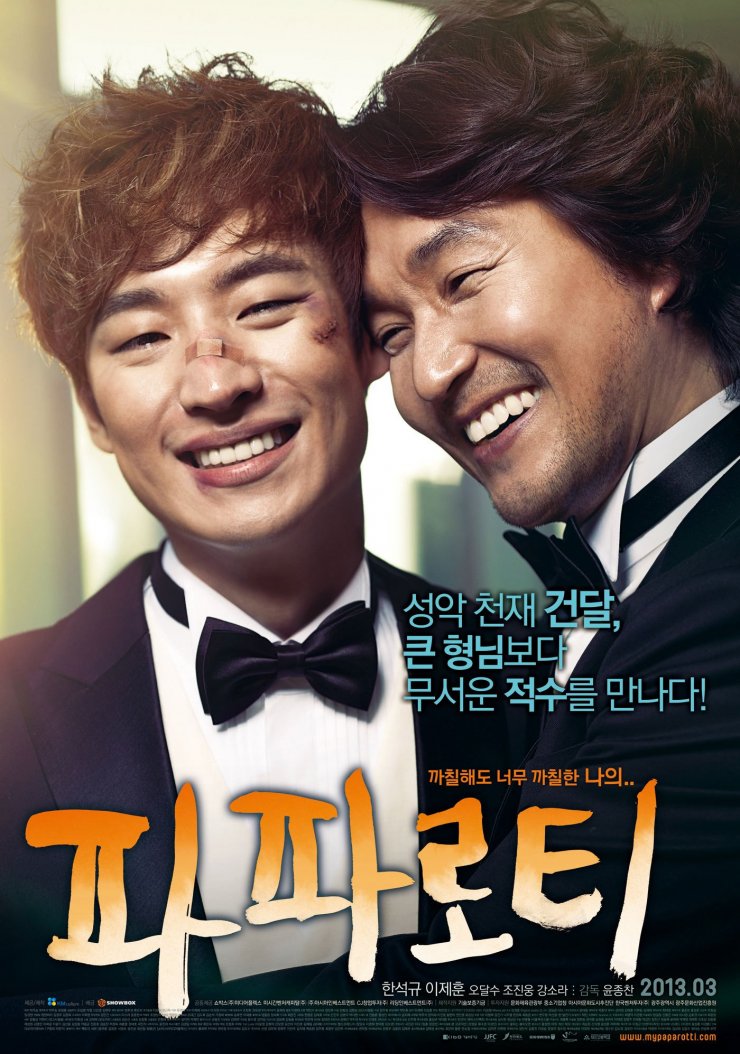
Synopsis: Since its release, My Paparotti has been quite successful earning around 1.45 million admissions (at the time of writing), despite mixed critical reactions. Featuring rising star Lee Je-hoon alongside Han Seok-kyu, the comedy-drama charts the relationship between a washed-up music teacher and young gangster who sports an exceptional singing voice. See the trailer below:
New World (신세계)
New World (신세계)
Director: Park Hoon-jung (박훈정)
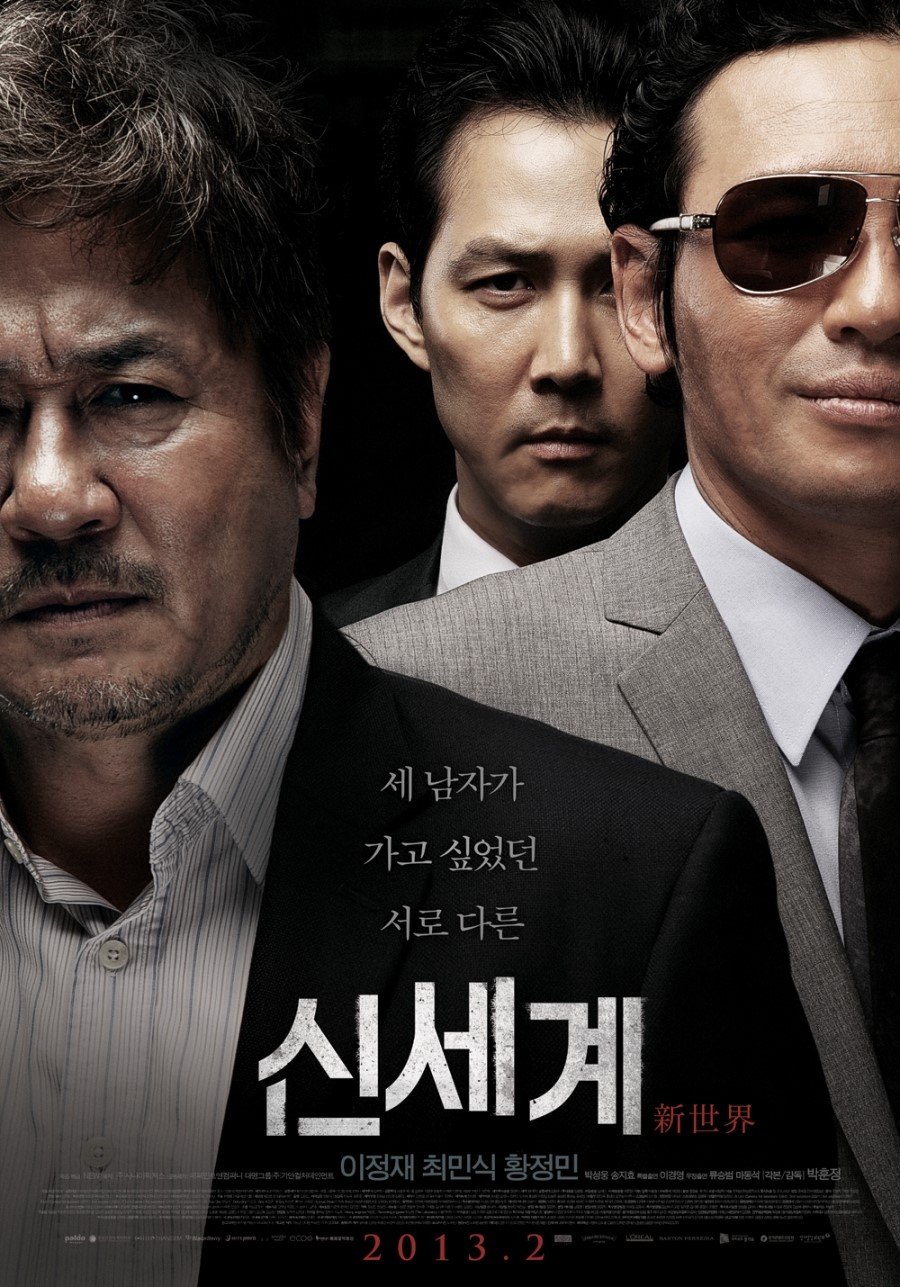
Synopsis: Gangster epic New World has been incredibly well-received both domestically as well as internationally, selling to multiple territories with its tale of violence and paranoia. Directed by Park Hoon-jung, the writer behind hits I Saw the Devil and The Unjust, the film also features heavyweights Choi Min-shik, Hwang Jeong-min, Lee Jeong-jae and Song Ji-hyo. New World has been likened to Infernal Affairs/The Departed which is high praise indeed. Check out the trailer below:
Project Cheonan Ship (천안함프로젝트)
Project Cheonan Ship (천안함프로젝트)
Director: Baek Seung-woo (백승우)
Synopsis: When he ROKS Cheonan was sunk in 2010, escalating tensions between North and South Korea, several conspiracy theories appeared despite the official verdict that a North Korean submarine fired a torpedo. Documentary Project Cheonan Ship explores the events as well as the reactions by Korean society.
Shibata and Nagao (시바타와 나가오)
Shibata and Nagao (시바타와 나가오)
Director: Yang Ik-june (양익준)
Synopsis: The 19 minute Korea/Japanese co-produced drama explores the final moments of a couple as they are about to separate. Director Yang Ik-june is the reason to be excited for this film as his exemplary drama Breathless proved his abilities behind the camera.
Talking Architecture, City:Hall (말하는 건축, 시티:홀)
Talking Architecture, City:Hall (말하는 건축, 시티:홀)
Director: Jeong Jae-eun (정재은)
Synopsis: The controversial City Hall project in Seoul has been fraught with difficulty since day one, and this documentary shines a light on the issues that occurred throughout construction. It looks to be an interesting piece, especially in the conflict of old (Japanese) versus new (Korean).
Timing (타이밍)
Timing (타이밍)
Director: Kim Ji-Yeon (김지연)
Synopsis: Timing looks set to be a sensitive drama, as a woman attempts to resolve loose ends before she moves abroad to study. In doing so she discovers the complex emotions of the sadness of letting go of the past and the fear of starting afresh.
To Be Reborn (환생의 주일)
To Be Reborn (환생의 주일)
Director: Hwang Qu-doek (황규덕)
Synopsis:To Be Reborn is a documentary that follows the director himself, as he pursues another avenue in life when frustrated with the film industry. The film-making frustrations depicted could resonate well with the independent audiences and prove to be a success.
Total Messed Family (오빠가 돌아왔다)
Total Messed Family (오빠가 돌아왔다)
Director: No Zin-soo (노진수)
Synopsis: The oddly titled Total Messed Family appears to be a more traditional family comedy-drama offering in which a group of mismatched personalities are forced to come together during a crisis. This certainly has the potential to be one of the ‘feel-good’ films at the festival.
The Woman (그 여자)
The Woman (그 여자)
Director: Jo Mee-hye (조미혜)
Synopsis: The only film to feature the transsexual experience in the category, The Woman portrays the story of Yoon-hee whose life is thrown into turmoil when her brother informs her of their mother’s illness. It will be very interesting to see how such issues are explored, as Korean culture is still quite conservative.
The 14th Jeonju International Film Festival is almost upon us, kicking off on the 25th of April and running for a week through to the 3rd of May. After the huge controversies surrounding the festival last year, JIFF is reinventing itself with new programmers and staff as well as holding additional events due to take place nearby.
As always JIFF will screen a great variety of film talent focusing specifically on the independent sector. Opening with the joint French/Canadian film Fox Fire (폭스파이어) by director Laurent Cantet, a host of new film-making talent will be on display until closing film Wajida (와즈다), by Saudi Arabian director Haifaa Al Mansour, is screened.
For the full list of films being shown at JIFF 2013 please follow the link provided here, which amongst other things features a wonderful focus on Indian films in a category titled ‘Beyond Bollywood’. Yet as Hanguk Yeonghwa is concerned with Korean films specifically, here’s a rundown of the ten ‘Korean Films in Competition’.
51+
51+
Director: Jung Yong-taek (정용택)
Synopsis:51+ explores the lives of musicians who perform in the famous Hongdae area of Seoul, a hotspot for indie bands and emerging talent. Yet as the area has become more popular and big businesses have moved in, aspiring musicians are forced out and must take opportunities where they can.
Cheer Up Mr. Lee (힘내세요, 병헌씨)
Cheer Up Mr. Lee (힘내세요, 병헌씨)
Director: Lee Byeong-hun (이병헌)
Synopsis: The film follows Byeong-heon, a young aspiring film-maker who endures seemingly constant disappointment as he attempts to establish himself. The film purports to be something of an amalgamation of docu- and mockumentary set in the film world.
Dancing Woman (춤추는 여자)
Dancing Woman (춤추는 여자)
Directors: Park Sun-il (박선일), Park Jun-hee (박준희), Ryu Jae-mi (유재미), Jo Chi-young (조지영), Choo Kyeong-yeob (추경엽)
Synopsis:Dancing Woman is an omnibus comprised of a variety of different genres and themes. Apparently, the film employs modern dance techniques during each narrative, and looks to be an interesting experimental piece.
Dear Dolphin (환상속의 그대)
Dear Dolphin (환상속의 그대)
Director: Kang Ji-na (강진아)
Synopsis: Employing a mixture of fantasy and reality in exploring love and death, Dear Dolphin looks set to be one of the more surreal offerings from the festival. The trailer can be viewed below:
December (디셈버)
December (디셈버)
Director: Park Jeong-hoon (박정훈)
Synopsis:December (디셈버) is an exploration of relationships and how they shift and change over time. At 73 minutes it’s quite short for a feature, yet as one of the few films focusing primarily on relationships it could be one of the more interesting dramatic films at the festival.
Echo of Dragon (용문)
Echo of Dragon (용문)
Director: Lee Hyun-jung (이현정)
Synopsis: The description of Echo of Dragon is quite ambiguous, even labelled as a ‘peculiar drama’. With it’s off-the-wall themes – including repressed desires – and ‘twisted’ imagery, the film has the potential to be a boundary-pushing wildcard.
Grandma-Cement Garden (할매-시멘트정원)
Grandma-Cement Garden (할매-시멘트정원)
Director: Kim Ji-gon (김지곤)
Synopsis: The human rights orientated Grandma-Cement Garden explores the forced relocation of elderly citizens in Busan. Their trials, lifestyles and memories are portrayed until their inevitable move, and as such could be a success with its political scandal/human interest angle.
Groggy Summer (그로기 썸머)
Groggy Summer (그로기 썸머)
Director: Yun Su-ik (윤수익)
Synopsis:Groggy Summer is concerned with the pressures of Korean society, and their impact on a creative wannabe poet. The dissection of culture and pressure on Korean youth is an intriguing and timely premise, and could tap into cultural anxieties.
Lebanon Emotion (레바논 감정)
Lebanon Emotion (레바논 감정)
Director: Jung Young-heon (정영헌)
Synopsis: The description of Lebanon Emotion is incredibly vague, but it appears to be an exploration of a variety of human emotions that occur in different situations. Director Jung has helmed several short films during his career, so it will be interesting to see what he achieves with feature length material.
My Place (마이 플레이스)
My Place (마이 플레이스)
Director: Park Moon-chil (박문칠)
Synopsis:My Place is an interrogation of the differences between contemporary and traditional Korea, focusing on one particular family unit. The ideological differences between generations isn’t particularly original, yet as single-motherhood forms part of the film it could signal a fresh approach on the subject.
The 2012 installment of the London Korean Film Festival begins this coming weekend, opening on the 1st of November and continuing through to the 11th in the capital before taking the show on the road to Glasgow, Bristol and Bournemouth. This year has been incredible for Korean cinema and the quality of films produced is reflected in the stellar line-up.
The opening gala, to be held at he high profile Odeon West End, will feature the most successful film in Korean cinematic history – The Thieves (도둑들). Following the screening will be a Q&A session with director Choi Dong-hoon (최동훈) and actor Kim Yoon-seok (김윤석), who has appeared in such prolific films including The Chaser (추격자), The Yellow Sea (황해), and Punch (완득이). Bookending the festival on the 10th of November will be the hugely – and still currently – successful film Masquerade (광해, 왕이 된 남자), also featuring an Q&A with director Choo Chang-min (추창민) and superstar Lee Byeong-Heon (이병헌), who is in London filming action film Red 2.
The festival will also highlight several other of the notable films produced in Korea this year, including science-fiction disease thriller Deranged (연가시) about a new form of parasite that spreads chaos across Korea, comedy-drama Dancing Queen (댄싱퀸) involving a middle-aged woman who attempts to realize her life-long ambitions, and poetically romantic Eungyo (AKA A Muse) (은교) which explores the love that develops between an aging poet and a 17 year old girl. Also present are All About My Wife (내 아내의 모든 것), a comedy about a man desperately trying to divorce his nagging other half, table tennis drama As One (코리아) which is based on the true events of the Northern and Southern teams forced to play together at the 1991 Championships, and Top Gun-inspired action film R2B: Return to Base (R2B: 리턴투베이스).
The Thieves (도둑들) will open the festival
Animated films are ably represented in the form of stark, poignant drama King of Pigs (돼지의 왕) about a reunion of school friends that forces old secrets to light, and indie hit Padak (파닥파닥) involving a fish attempting to escape his fate at a sushi restaurant and return to the ocean. Katuri – A Story of a Mother Bird (엄마 까투리), will also feature.
To honour director Choi Dong-hoon (최동훈), as well as opening the festival with his latest success The Thieves there will also be a retrospective of his work including The Big Swindle (범죄의 재구성), Tazza: The High Rollers (타짜), andJeon Woo-chi : The Taoist Wizard (전우치).
For the full line-up and to purchase tickets for the event, please head over to the official London Korean Film Festival website, or alternatively visit Hangul Celluloid who first broke news of the line up and sports a host of reviews and interviews with those within the industry.






























 hangukyeonghwa.com