The 18th Busan International Film Festival

BIFF 2013: Gala Presentation, New Currents, and Open Cinema

The 18th Busan International Film Festival

The 18th Busan International Film Festival

With the 18th Busan International Film Festival (BIFF) due to commence on October the 3rd, it’s high time to profile the Korean entries that are due to be screened.

Three of the big categories at BIFF – Gala Presentation, New Currents, and Open Cinema – showcase some of the incredible mainstream and independent films to emerge from the Korean film industry this year.

Gala Presentation focuses on a select group of important films from the Asian continent, and within this category are two Korean films – Bong Joon-ho’s Snowpiercer (설국열차) and Kim Jee-woon’s The X (더 엑스).

New Currents, meanwhile, explores some of the more powerful independent features to emerge from the continent. The manner in which the films within this category delve into social and cultural issues, often through experimentation of film form, make it one of the more fascinating areas. Three Korean films – 10 Minutes (10분), Steel Cold Winter (소녀) and Pascha (파스카) – appear, and receive their world premieres at BIFF 2013.

Rounding out the three, Open Cinema selects films to be presented on the Busan Cinema Center’s impressive outdoor screen. Two big thrillers from Korea are within the category – Cold Eyes (감시자들) and The Terror Live (더 테러 라이브).

Please see below for more in-depth coverage of each film.

Gala Presentation

The class system on the train is kept in check by sinister matriach Mason

The class system on the train is kept in check by sinister matriach Mason

Snowpiercer (설국열차) – Director Bong Joon-ho (봉준호)

Bong Joon-ho’s science-fiction epic was released in Korea earlier this year, earning over nine million admissions and over $50 million at the box office. For many foreign visitors to BIFF 2013 this will be their first opportunity to see the film before it’s released in international markets, so it’s placement within the Gala Presentation category is quite deserved. Snowpiercer is also notable as (currently) the most expensive Korean film ever made, as well as having Hollywood behemoth The Weinstein Company on board producing. The film tells the story of the last survivors on Earth following a man-made ice age that covered the planet. The last remnants of humanity struggle to survive on a train called ‘Snowpiercer’ which circumnavigates the globe every year. Yet within the train an unfair class system has emerged, and a revolution begins between the ‘haves’ and ‘have nots.’ For the review of Snowpiercer, please click here.

The X (더 엑스)

The X (더 엑스)

The X (더 엑스) – Director Kim Jee-woon (김지운)
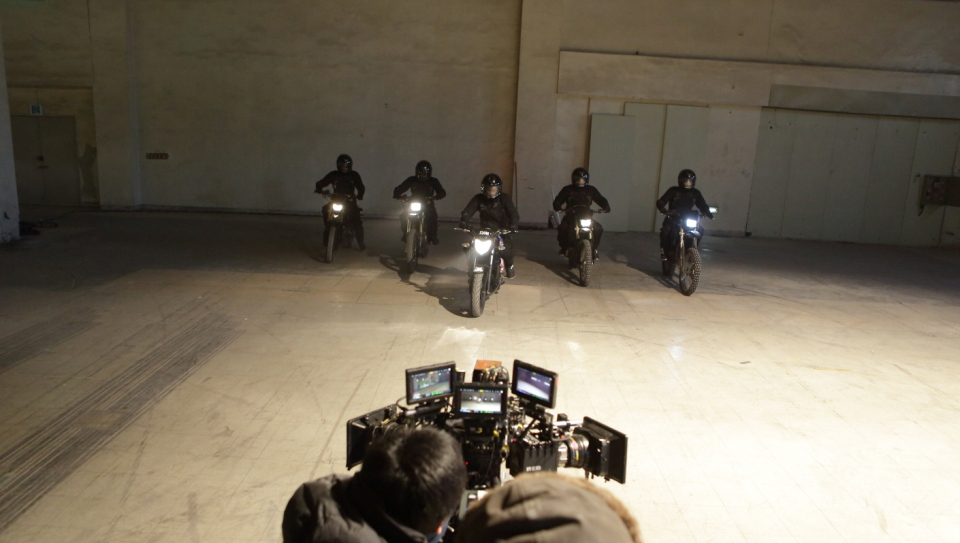
New camera technology allows for a more immersive experience

New camera technology allows for a more immersive experience

Screen X technology has been employed and experimented with in Kim Jee-woon’s latest film The X. Commissioned by cinema chain CGV, director Kim has used screen x – which allows for extra space on either side of the screen for a more immersive viewing experience – to produce this new 30 minute short action/thriller film. The X also features an all-star cast with Kang Dong-won, Shin Min-ah, and E Som in the lead roles which is guaranteed to arouse interest amongst their respective fan bases.

New Currents
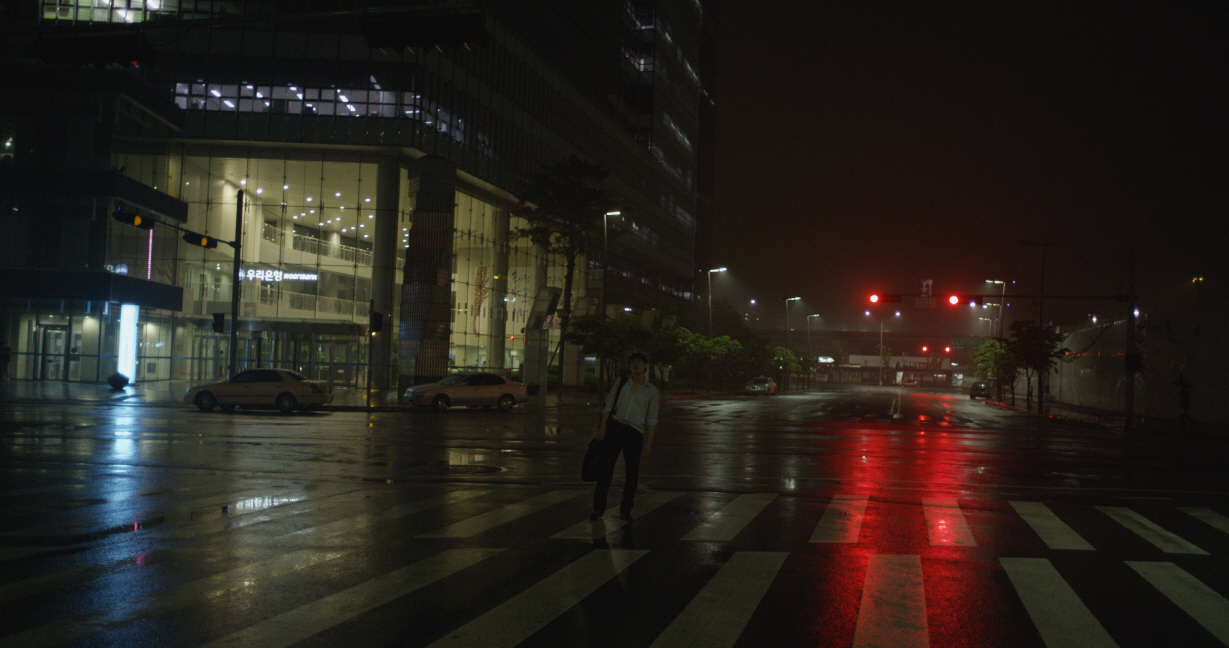
10 Minutes (10분)

10 Minutes (10분)

10 Minutes (10분) – Director Lee Yong-seung (이용승)

10 Minutes is concerned with examining the notoriously harsh environment of the Korean workplace. The story follows a  young intern as he enters employment at a government facility, and is promised a full-time position that will guarantee financial stability. Yet when his boss promotes someone else into the position, the young man is forced to reevaluate his options. 10 Minutes is director Lee Yong-seung’s thesis film while at the Dankook Graduate School of Cinematic Content.
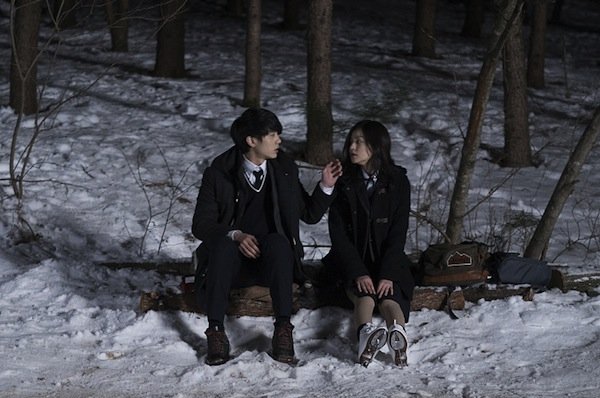
Steel Cold Winter (소녀)

Steel Cold Winter (소녀)

Steel Cold Winter (소녀) – Director Choi Jin-seong (최진성)

Steel Cold Winter is Choi Jin-seong’s first fiction film, after spending years helming successful documentaries. The film depcits the story of high schooler Yoon-soo who moves to the mountains in Gangwon Province following his friend’s suicide. Yet while he attempts to start a new life, he meets a mysterious girl called Hae-won and begins to fall in love. However Hae-won has a secret and when her father suddenly disappears, Yoon-soo’s suspicions become aroused.

Ga-eul's relationship with 17 year old Joseph is quite a scandal

Ga-eul’s relationship with 17 year old Joseph is quite a scandal

Pascha (파스카) – Director Ahn Seon-kyoung (안선경)

Director Ahn’s Pascha tells the story of a lonely 40 year old screenwriter and her 17 year old boyfriend. Their unconventional relationship, and penchant for adopting stray cats, is fine until some unexpected news forces the intervention of their families. The pressure exerted on the couple results in plenty of judgement and heartache, as they must try to find a way to stay together. Pascha could perhaps be an interesting and more feminist orientated companion piece with last year’s A Muse (은교), which explored similar themes with an older man and young girl.

Open Cinema

Rookie Yoon-jo must learn to observe and recall everything on a mission

Rookie Yoon-jo must learn to observe and recall everything on a mission

Cold Eyes (감시자들) – Directors Jo Eui-seok (조의석), Kim Byeong-seo (김병서)

A remake of Hong Kong thriller Eye in the Sky (2006), cat-and-mouse cop drama Cold Eyes performed very well upon its release over the summer. The film is a slick and high-tech thrill-ride, featuring an impressively futuristic rendition of Seoul as a government surveillance team works day and night to catch professional criminals. Cold Eyes depicts the story of talented rookie Yoon-joo (Han Hyo-joo) who joins a special division headed by Chief Hwang (Sol Kyeong-gu). Their mission is to apprehend a group of professional thieves and their mastermind ‘Shadow’ (Jeong Woo-seong). The A-list cast have all been superbly cast against the types of roles they usually portray, and the result is a highly engaging thriller.

Exploiting the opportunity to become a news anchor, Yeong-hwa begins to regret his decision

Exploiting the opportunity to become a news anchor, Yeong-hwa begins to regret his decision

The Terror Live (더 테러 라이브) – Director Kim Byeong-woo (김병우)

The Terror Live was one of the surprise hits of the summer, notably going toe-to-toe with Snowpiercer and still gaining a large proportion of the audience. The reasons are quite clear as the thriller is a well-crafted and suspense-filled, as well as striking a chord with Korean audiences due to governmental criticism within. Superstar Ha Jeong-woo plays disgraced TV anchor Yeong-hwa, who has been demoted to radio due to a scandal. When a terrorist calls the radio show threatening to blow up a bridge, his bluff is called, and shortly thereafter an explosion occurs. Set entirely within a newsroom, The Terror Live is one of the more interesting thrillers in recent memory. For the review of The Terror Live, please click here.
Busan International Film Festival (제18회 부산국제영화제) Festival News Korean Festivals 2013
The 18th Busan International Film Festival

BIFF 2013: The 18th Busan International Film Festival

The 18th Busan International Film Festival

The 18th Busan International Film Festival

Preparations are well underway for the 18th Busan International Film Festival  (BIFF), which is due to take place from the 3rd to the 12th of October.

BIFF 2013 will feature a staggering 300 films from 70 countries, with 136 of those world and/or international premieres.

Amongst returning categories including ‘Gala Presentation‘, ‘New Currents‘, ‘Korean Cinema Today‘, and so forth, are a number of special programs for cineastes.

Fly High, Run Far: The Making of Korean Master Im Kwon-taek‘ is an incredible retrospective for the filmmaking giant. Director Im has helmed an unbelievable 101 films during his career, and to celebrate his contribution to the film industry BIFF 2013 will screen a whopping 71 of his films as well as conduct a hand-printing ceremony in his honour. To accommodate so many films, and in an unprecedented move, the retrospective will begin 10 days early as well as feature a host of guest speakers ranging from film professionals to academics at the screenings.

Meanwhile ‘Park Chul-soo Special Commemoration: Eternal Movie Youth‘ is a celebration of the films of director Park who tragically died earlier this year. Five of the director’s films are due to be screened, including the world premiere of Green Chair 2013 – Love Conceptually (녹색의자2013-러브 컨셉츄얼리), the posthumous release of his last production.

Additionally, ‘Rogues, Rebels and Romantics: A Season of Irish Cinema‘ is a recognition of the filmic output from the Emerald Isle, which also sees director Jim Sheridan get the hand-printing treatment alongside the screening of two of his most famous films. A little closer to home, ‘The Unknown New Wave of Central Asian Cinema‘ champions eight forgotten masterpieces from Kazakhstan, Uzbekistan, Tajikistan, and Kyrgyzstan.

Please see below for the serene BIFF 2013 trailer.

http://www.youtube.com/watch?v=5naDf7jq6t0

BIFF 2013 will also open the festival with Bhutanese drama Vara: A Blessing by director/Buddhist monk Khyentse Norbu – the first film hailing from outside of Korea or China to do so in the festival’s history. BIFF 2013 will close with Korean film The Dinner (만찬) by director Kim Dong-hyun (김동현), his third film and his latest since 2005’s A Shark (상어).

Opening Film

Vara: A Blessing (Bhutan)

Vara: A Blessing

Vara: A Blessing

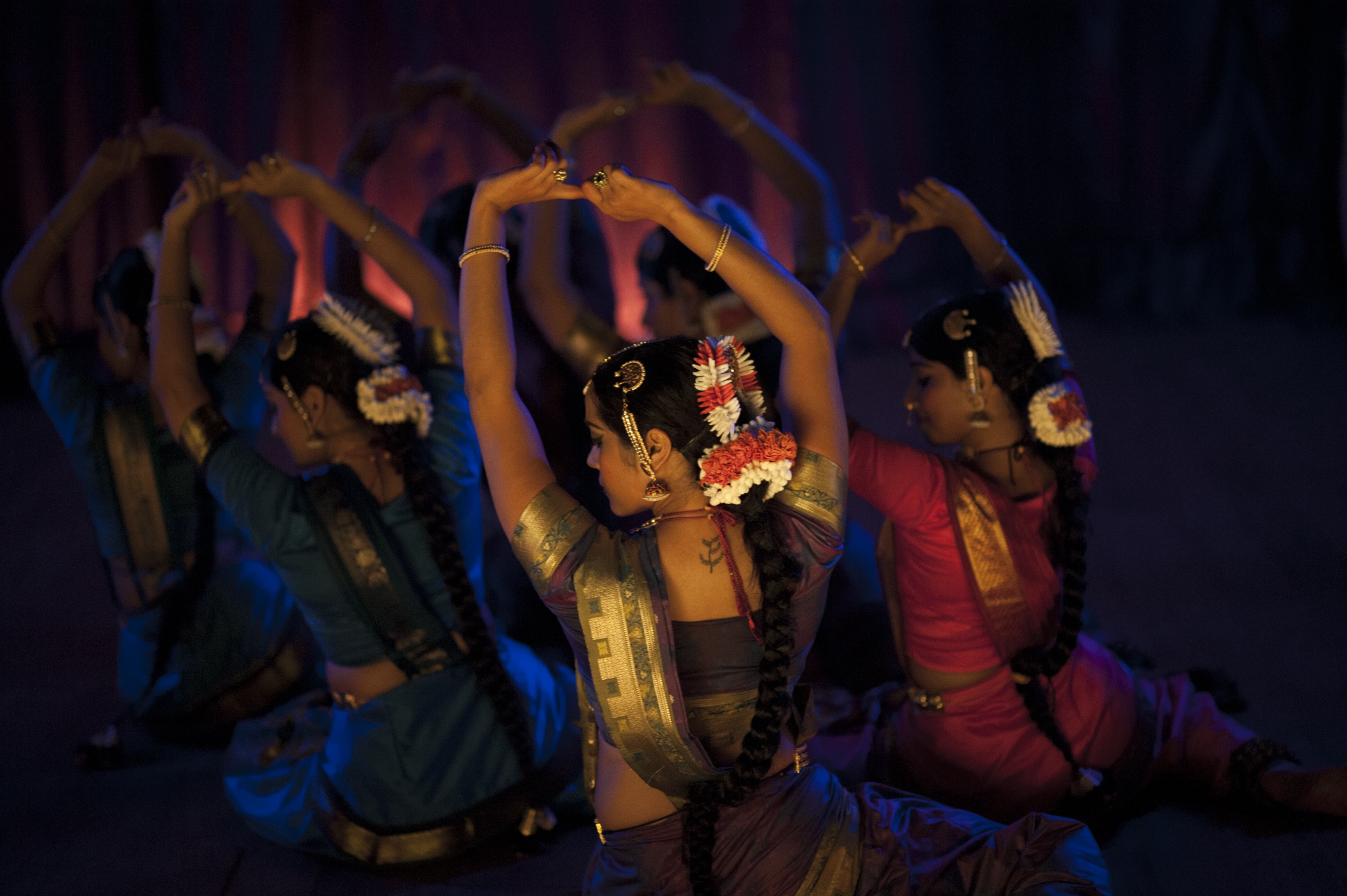
Vara: A Blessing is director/Buddhist monk Khyentse Norbu’s third film, adapted from the Indian short story ‘Rakta Aar Kanna’ (Blood and Tears) by Sunil Gangopadhyay. The film interprets the Indian dance Bharatanatyam through a forbidden love between a young couple. Featuring Buddhist themes of truth-seeking and the path to enlightenment, Vara depicts the story of Lila, a young woman learning the traditional dance from her mother, who falls in love with poor sculptor Shyam. While Shyam worships Lila as a goddess and she in turn imagines him as Lord Krishna, their relationship becomes extremely problematic when Subha, the village leader, objects to their union.

Closing Film

The Dinner (만찬) (Korea)

The Dinner (만찬)

The Dinner (만찬)

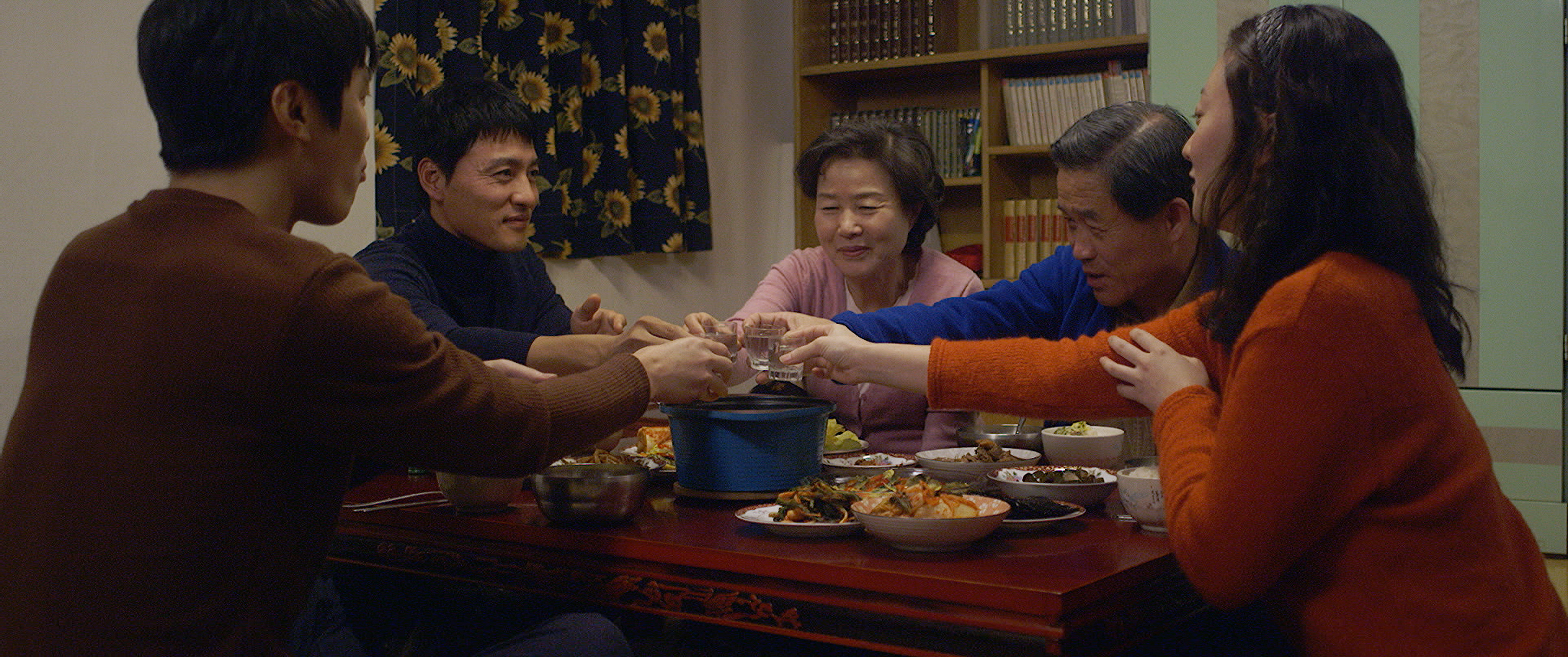
Director Kim Dong-hyun explores the modern Korean family in his latest film. Each member of the family struggles with various burdens involving work and family, yet financial concerns are the chief cause of stress for them all. Despite such hardships, the elderly father wishes to treat his wife with a meal of hamburgers for her birthday, something she has never tried before. Yet as the day wears on it becomes increasingly apparent that none of their three children have either remembered nor planned anything for their mother’s special day, as they are so caught up in their own circumstances. When even greater tragedy threatens them, they must learn to cope with their burdens as a family.

For more information from the official BIFF 2013 website, please click here.
Busan International Film Festival (제18회 부산국제영화제) Festival News Korean Festivals 2013
My Place (마이 플레이스)

Expat-orientated Chuseok Film Festival Prepares for 1st Edition

The 1st Chuseok Film Festival Screening Schedule

The 1st Chuseok Film Festival Screening Schedule

The first expat-orientated Chuseok Film Festival is due to take place this September. The two day celebration, which runs from the 18th to the 19th, is primarily aimed at the English-speaking community who are often left with little to do over the Chuseok period. The event will take place at the trendy Art 9 cinema, located in Isu. For those unaware, Chuseok is a particularly significant Korean holiday in which families reunite across the country for several days, in celebration of their ancestors.

The Chuseok Film Festival will act as a celebration of Korean cinema by screening several high profile films with English subtitles. Typically only a select few Korean films are subtitled in English upon release, and the festival aims to present a range of films from the past year for audiences. For the screening schedule please refer to the image above.

Here are Hanguk Yeonghwa’s Top 5 films from the upcoming festival:

My Place (마이 플레이스)

My Place (마이 플레이스)

My Place (마이 플레이스) is a funny, enlightening, and wonderful documentary about the importance of family. By using his unwed sisters pregnancy as a catalyst, director Park Moon-chil (박문칠) uses his concerns as a springboard in which to explore the history and psychology of his mother, father, and most predominantly his sister Peace. In doing so director Park shares his revelations and changing attitudes with the audience, with each step constantly compelling as the family attempt to heal past traumas in order to welcome the new baby. A superb and lovely documentary. For the full review, please click here.

Ruthless Myeong-soo visits Berlin to find the mole, but gets more than he bargained for

Ruthless Myeong-soo visits Berlin to find the mole, but gets more than he bargained for

The Berlin File (베를린) represents a stylistic evolution for director Ryoo Seung-wan (류승완), featuring some of the best action and stunt sequences in recent memory and arguably the best of his career. The director captures the paranoia of the spy world with confidence and skill, employing the city of Berlin incredibly well as the location of espionage. While the over-abundance of characters and narrative tangents bog down Jong-seong’s mission, director Ryoo deserves credit for going beyond the themes of ‘brotherhood’ by actually placing a North Korean agent as the ‘hero’ of the film, making The Berlin File an exhilarating, if somewhat convoluted, spy thriller. For the full review, please click here.

Choi Bo-na is constantly undervalued and overworked - until she finds the video

Choi Bo-na is constantly undervalued and overworked – until she finds the video

How to Use Guys with Secret Tips (남자사용설명서) is a wonderfully wacky and colourful romantic comedy, full of visual and musical vitality. Director Lee Won-seok (이원석) is brilliantly inventive as he plays with genre and cinematic conventions, infusing the film with a seemingly boundless energy and enthusiasm. The laughs come thick and fast as they are based in truth, including sexism in the workplace and the fragility of the male ego, which are explored to highly comical effect. While the final act falls back on cliche and predictability, How to Use Guys with Secret Tips is a very entertaining and fun rom-com. For the full review, please click here.

Soon-yeon looks after her sickly younger sibling

Soon-yeon looks after her sickly younger sibling

Barbie (바비) is a highly compelling and poignant drama from director Lee Sang-woo that explores an incredible array of social issues within contemporary Korea. As with the director’s previous work the focus is squarely on interrogating the family unit, yet the inclusion of international adoption allows for an expansion in highlighting a variety of socio-cultural themes and issues. While it takes the film quite some time to get going, Barbie (바비) serves as a powerful reminder of the issues facing those in poverty and leaves an indelible impression. For the full review, please click here.

Nobody's Daughter Haewon (누구의 딸도 아닌 해원)

Nobody’s Daughter Haewon (누구의 딸도 아닌 해원)

Director Hong Sang-soo’s 14th film, Nobody’s Daughter Haewon tells the story of a young woman having an affair with her married professor. The film is a wonderfully structured tale of love and loneliness, and features al the hallmarks the make director Hong such a fascinating filmmaker. Nobody’s Daughter Haewon was also invited to the Berlin International Film Festival earlier this year, where it was screened in competition.

For the official facebook page of The Chuseok Film Festival, please click on this link.

Festival News Korean Festivals 2013
Pop Redemption

JIMFF 2013: Opening Ceremony and Pop Redemption Screening

The Jechon International Music and Film Festival (제천국제음악영화제)

The Jechon International Music and Film Festival (제천국제음악영화제)

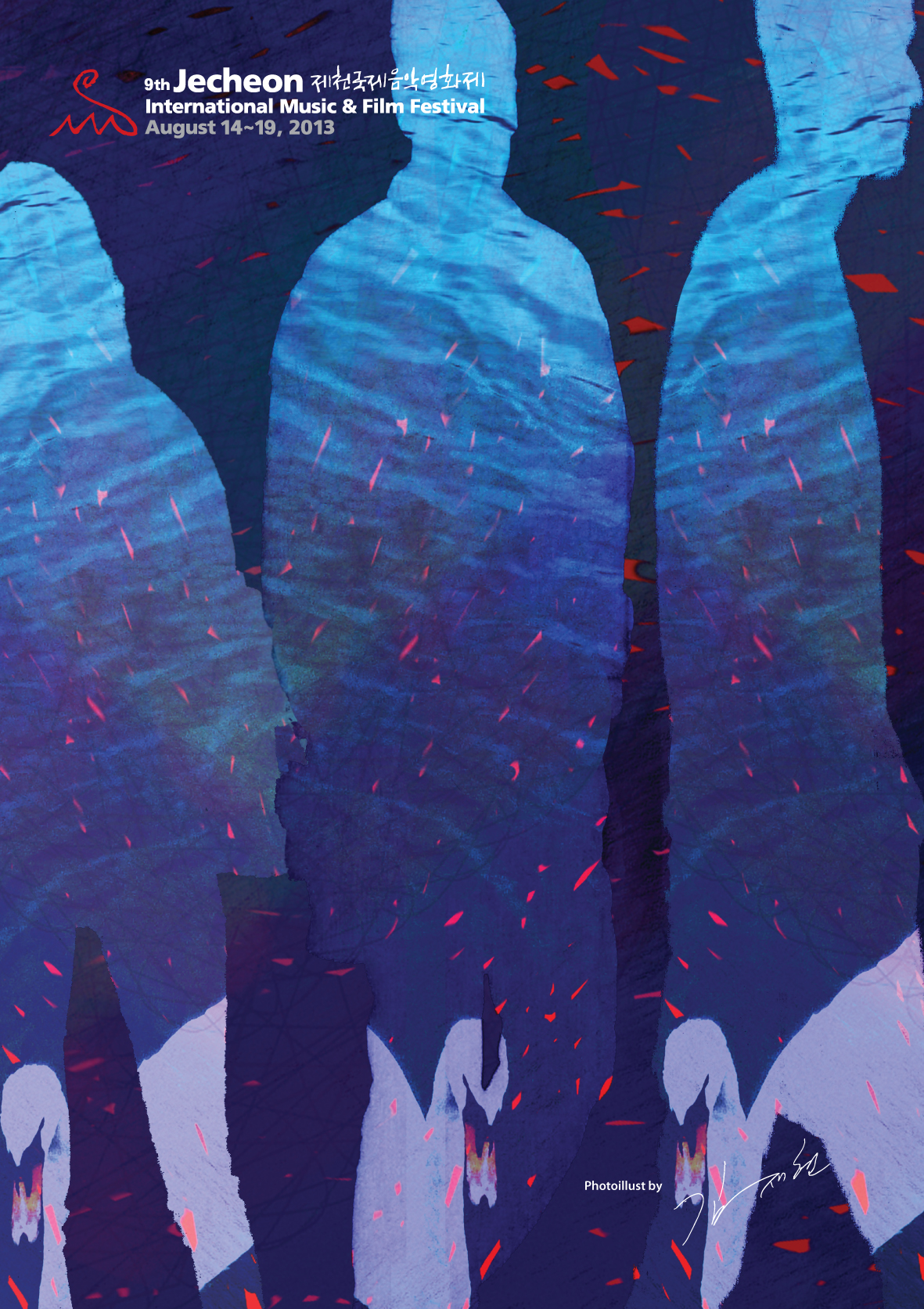
On a gloriously sunny 14th of August, the 9th Jechon International Music and Film Festival (JIMFF) got underway at the stunning riverside stage venue.

Beginning with a red carpet event that saw stars such as Moon So-ri and Yu Ji-tae arrive in style, the ceremony officially opened with T-ara’s Ham Eun-jeong and actor Joo Ji-hoon performing ‘Falling Slowly’ from Irish musical film Once.

As programmers and politicians congratulated Jechon for hosting the extravaganza, it was musical director Lee Dong-jun’s night as he became the latest recipient of the Jecheon Film Music Honorary Award. To celebrate his success, Lee Dong-jun – often referred to as the Korean Hans Zimmer – performed music from a selection of his hit films alongside an orchestra, and the result was superb. As scores from The Gingko Bed (은행나무 침대), Save the Green Planet! (지구를 지켜라!)Taegukgi (태극기 휘날리며)TV drama Iris (아이리스), My Way (마이 웨이) and this year’s hit Miracle in Cell No.7 (7번방의 선물) were played, the audience were continually stunned by the spectacle, which was certainly one of the best festival openings in recent memory.

Once the celebrations came to an end, the lights dimmed in preparation for opening film Pop Redemption by director Martin Le Gall. The French film is far from perfect but was a great choice to open the festival, featuring passionate musicians, entertaining comedy and several homages to The Beatles.

Pop Redemption

Pop Redemption

Pop Redemption – ★★★☆☆

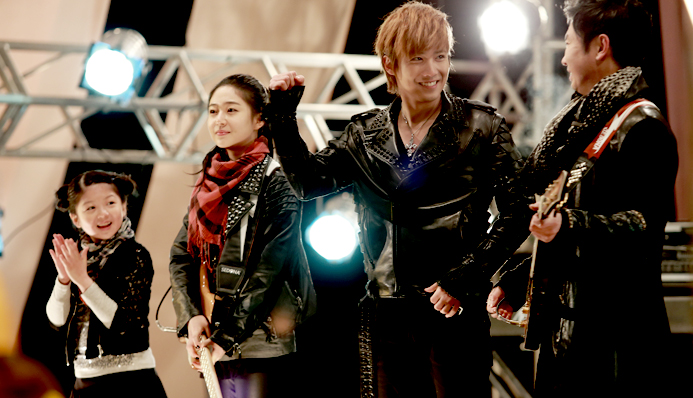
French film Pop Redemption is a highly enjoyable film, depicting four black metal rockers who begin to question their dedication to the band as they enter their thirties. Just as the members discuss splitting up for good, lead singer Alex lands them one final dream gig – rock festival Hellfest. Yet on their way the group encounter some difficult rednecks, and their course deviates wildly from the original plan. Pop Redemption is a fun film that explores the nature of friendship and getting older, through both music and road movie conventions. The conflicts that occur are often genuinely funny, while witnessing the rockers change and develop is very entertaining. Similarly the various homages to The Beatles are great to see. However such jokes go on for far too long, stalling for time while needless subplots involving bumbling police officers reach their conclusion. That said, the finale is a fitting – albeit cliched – tribute to rock music, and the feel-good factor certainly hits the spot. Please see below for the trailer.

Festival News Jechon International Music and Film Festival (제천국제음악영화제) Korean Festivals 2013
The arrival of charismatic femme fatale Eun-joo places the old man's allegiance into question

Oldmen Never Die (죽지않아) – ★★★☆☆

Oldmen Never Die (죽지않아)

Oldmen Never Die (죽지않아)

Receiving its world premiere in the World Fantastic Cinema program at Puchon Film Festival, Oldmen Never Die (죽지않아) quickly won over critics and audiences alike. So much so, in fact, that director Hwang Cheol-mean’s (황철민) dark comedy-drama went on to win PiFan’s LG HiEntech Award for best Korean independent feature film.

Oldmen Never Die is a competent and solid addition to director Hwang’s filmography. The film takes an awfully long time to find direction, but once it does it becomes a very entertaining portrayal of greed and lust, as well as an illuminating examination of the generational differences in Korean society.

Greedy Ji-hoon works hard in order to inherit his fascist grandfather's estate

Greedy Ji-hoon works hard in order to inherit his fascist grandfather’s estate

When greedy slacker Ji-hoon (Cha Rae-hyeong (차래형) learns of his estranged grandfather Hal-bae’s (Lee Bong-gyoo (이봉규) vast fortune, he becomes incredibly excited; even more so upon discovering that the old man has cancer and will likely die in the near future. While his liberal father wants nothing to do with the inheritance, such morality is of no concern to Ji-hoon and he travels into the countryside to gain his grandfather’s favour. Yet after four years of manual labour on the family farm, the old man still hasn’t died. Worse still, he has beaten his illness and his once greying hair is turning black. As Ji-hoon’s frustrations reach boiling point matters become even further complicated by the arrival of attractive city girl Eun-joo, who begins seducing Hal-bae for her own gain.

Oldmen Never Die is an accomplished film, and is highly interesting due to the examination of generational values throughout. None of the characters that inhabit the film are inherently ‘good’ people, and director Hwang explores their respective ideologies utilising dark comedy-drama. Grandfather Hal-bae is a horribly rude fascist who has profited from Korea’s military dictatorship, estranged from his family due to disagreeing with his son partaking in pro-democracy demonstrations. Grandson Ji-hoon meanwhile exemplifies the lazy money-orientated younger generation. All three men find it impossible to understand each other, and the clashes between Hal-bae’s constant vitriol and Ji-hoon’s childish sulking are as amusing as they are revealing.

The arrival of charismatic femme fatale Eun-joo places the old man's allegiance into question

The arrival of charismatic femme fatale Eun-joo places the old man’s allegiance into question

However it’s actress Han Eun-bi as gold digger Eun-joo who steals the limelight. Oldmen Never Die struggles to find direction during the entire first act, yet Eun-joo’s arrival at the farm gives the film a much-needed sense of purpose and compulsion. While Eun-joo is also morally questionable as she seduces elderly Hal-bae for money, Han Eun-bi’s performance injects enough charisma, alongside some intriguing dialogue, to strike the right balance between amoral and very misguided. Indeed, the best scenes in the film belong to her. From tempting Hal-bae with her voluptuous body in a daring red bikini, to more subtle moments expressing her disgust at being touched and the situation generally, Eun-joo’s presence – and complexity – make the film compelling viewing.

Unfortunately with the greater focus placed on Eun-joo’s seduction of Hal-bae, the same cannot be said of Ji-hoon whose lack of development results in the character spending far too much screen time sulking. The opportunity to explore the conflict between Ji-hoon and Eun-joo as they both fight for Hal-bae’s affections is never fully capitalised on, and as such the lack of tension makes Oldmen Never Die a very low key affair. The subdued nature of the film is odd given that the relationships become increasingly strained, although the style does lend more realism to the story as opposed to other more contrived examples of the genre. As such, Oldmen Never Die doesn’t really fulfill the potential offered by the characters, yet is still a highly competent and interesting generational examination.

The old man boasts of his vast fortune, but who will claim it?

The old man boasts of his vast fortune, but who will claim it?

Verdict:

Oldmen Never Die is an accomplished independent film that examinations Korea’s generational differences to illuminating effect. Director Hwang Cheol-mean’s dark comedy-drama explores the themes of greed, lust and amorality through manipulative bids for a large inheritance, within which Han Eun-bi’s performance as temptress Eun-joo steals the show. While the film takes a long time to find direction and the subdued nature is at odds with the intended tension, Oldmen Never Die is a highly competent and interesting portrayal of the ideological differences amongst Korea’s disparate generations.

★★★☆☆

Puchon International Fantastic Film Festival (제17회 부천국제판타스틱영화제) Reviews
The Jechon International Music and Film Festival (제천국제음악영화제)

JIMFF 2013: Jecheon Film Music Honorary Award

The Jechon International Music and Film Festival (제천국제음악영화제)

The Jechon International Music and Film Festival (제천국제음악영화제)

One of the most prestigious prizes at the Jechon International Music and Film Festival (제천국제음악영화제) is the Jecheon Film Music Honorary Award. The honour is bestowed upon those individuals who have made incredible contributions in film music, and are immortalised with a hand-printing and copper-plate ceremony, which serve as a reminder for festival-goers of the achievements of those within the industry.

For the 2013 festival, the award is to be given to Lee Dong-jun (이동준). The musical director has been responsible for scoring a staggering array of hit Korean films including The Gingko Bed (은행나무 침대), Green Fish (초록물고기), Shiri (쉬리), Punch Lady (펀치 레이디), TV drama Iris (아이리스), and My Way (마이 웨이), among many many others. In celebration of his achievements JIMFF will screen three films from his illustrious career – Taegukgi (태극기 휘날리며), Save the Green Planet! (지구를 지켜라!), and this years smash hit Miracle in Cell No.7 (7번방의 선물).

Unfortunately for English speaking audiences, only Taegukgi will be screened with English subtitles.

Please see below for a profile of each of Lee Dong-jun’s films to be screened at JIMFF 2013.

Miracle in Cell No.7 (7번방의 선물)

Miracle in Cell No.7 (7번방의 선물)

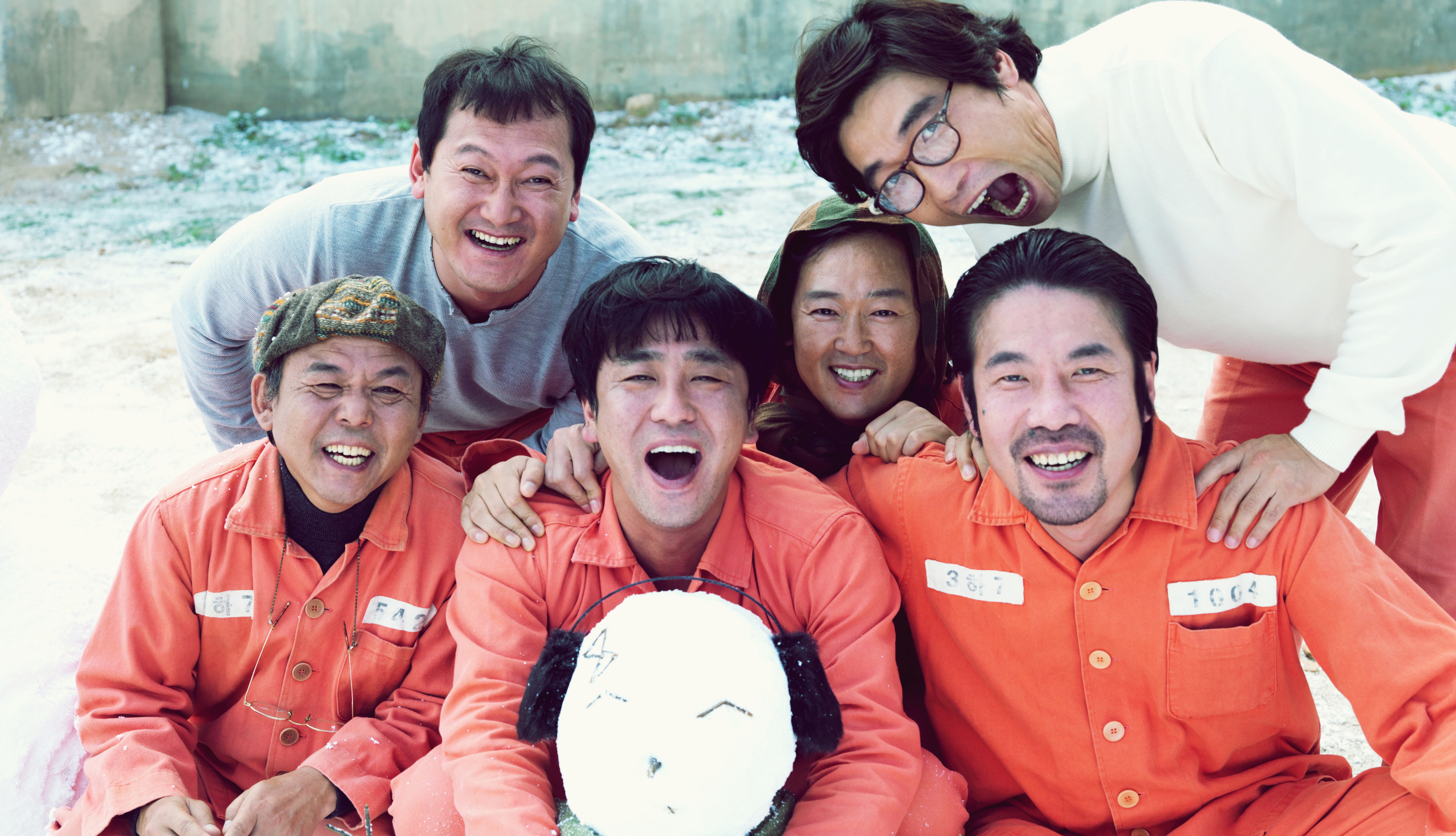
Miracle in Cell No.7 (7번방의 선물) by director Lee Hwan-gyeong (이환경) was a huge box office hit when it was released early in 2013, attaining over 12 admissions during its theatrical run. The prison melodrama tells the story of mentally ill Yong-gu (Ryoo Seung-ryong (류승룡) who is falsely charged with a crime and sent to prison, leaving his young daughter Ye-sung alone. His one wish is to be with her again, and together with the other members within the prison cell, they work to make the miracle happen. Miracle in Cell No.7 was such a success that it propelled stars Ryoo Seung-ryong and Park Sin-hye (박신혜) into the A-list realm. Please see below for the trailer.

Save the Green Planet! (지구를 지켜라!)

Save the Green Planet! (지구를 지켜라!)

Save the Green Planet! (지구를 지켜라!) is a brilliantly fun cult hit, that is both wonderfully whacky as well as a keen cultural examination. Director Jang Joon-hwan’s (장준환) film depicts the life of Lee Byeong-gu (Shin Ha-kyun (신하균) who has become obsessed with the notion that aliens from Andromeda are plotting to destroy the Earth. His next target is the CEO of a large chemical conglomerate, Kang Man-shik (Baek Yoon-sik (백윤식). But as he begins torturing the corrupt CEO for answers, is Byeong-gu really insane, or has he genuinely uncovered a sinister scheme? Please see below for the trailer.

Taegukgi (태극기 휘날리며)

Taegukgi (태극기 휘날리며)

Taegukgi (태극기 휘날리며) is a simply phenomenal war film. Director Kang Je Gyu (강제규) has crafted a powerful representation of events within the Korean war with stunning cinematography and an all-star cast. The film tells the story of two brothers, Jin Tae (Jang Dong Gun, 장동건) and Jin Seok (Won Bin, 원빈) who live a modest existence in central Seoul, 1950. Drafted into the military service, the brothers take two very different courses in life yet strive to be together and survive the war. Please see below for the trailer.

To visit the official JIMFF page about the award, please click here.

Festival News Jechon International Music and Film Festival (제천국제음악영화제) Korean Festivals 2013
The Jechon International Music and Film Festival (제천국제음악영화제)

JIMFF 2013: Korean Music Film Now

The Jechon International Music and Film Festival (제천국제음악영화제)

The Jechon International Music and Film Festival (제천국제음악영화제)

With the 9th Jechon International Music and Film Festival (제천국제음악영화제) just around the corner (August 14th-19th) a number of special film programs have been lined up for film fans. In addition to the international competition entitled ‘World Music Film Today’, other categories include ‘Cine Symphony,’ ‘Music in Sight,’ ‘Theme and Variations,’ Family Fest,’ a ‘Special Retrospective for Peter Chan,’ and ‘Cinema Concert.’

However for Korean film fans the ‘Korean Music Film Now’ program will undoubtedly be the most exciting. Separated into three areas – features, shorts 1 and shorts 2 – the category is a showcase for the best in contemporary film involving music. There are a range of genres from fiction to experimental to documentary, all examining the nature and relationship of Korean culture with music.

Each film in the program has been profiled below, many accompanied with a trailer, in order to see the selection on offer.

Korean Music Film Now – Features

Born to Sing (전국노래자랑)

Born to Sing (전국노래자랑)

Born to Sing (전국노래자랑)

Director: Lee Jong-pil (이종필)

Synopsis: The drama depicts aspiring singer Bong-nam who dreams of becoming famous, while his long-suffering wife supports them through her hair salon. When a nationwide competition is launched he believes this is his big chance.

Moon Glow (문글로우)

Moon Glow (문글로우)

Moon Glow (문글로우)

Director: Chang Hae-rang (장해랑)

Synopsis: This documentary follows Korea’s first generation of jazz players as they enter their 80s. Yet they are still young at heart, and recount all the trails they have overcome as they prepare for a performance.

Neighborhood Orchestra (우리동네오케스트라)

Neighborhood Orchestra (우리동네오케스트라)

Neighborhood Orchestra (우리동네오케스트라)

Director: Ham Dong-kuk (함동국)

Synopsis: The passion of a music teacher and his students are the subject of this documentary, as they rise from amateurs to playing with the Seoul Philharmonic Orchestra.

Rockin' on Heaven's Door (뜨거운 안녕)

Rockin’ on Heaven’s Door (뜨거운 안녕)

Rockin’ on Heaven’s Door (뜨거운 안녕)

Director: Danny Nam (남택수)

Synopsis: The drama depicts a spoilt Kpop star whose bad behaviour lands him in community service at a hospital. When the institution faces financial difficulty, the star joins the band to help.

Korean Music Film Now – Shorts 1

Freedom of the Wind (바람의 자유)

Freedom of the Wind (바람의 자유)

Freedom of the Wind (바람의 자유)

Director: Woo Seong-ha (우성하)

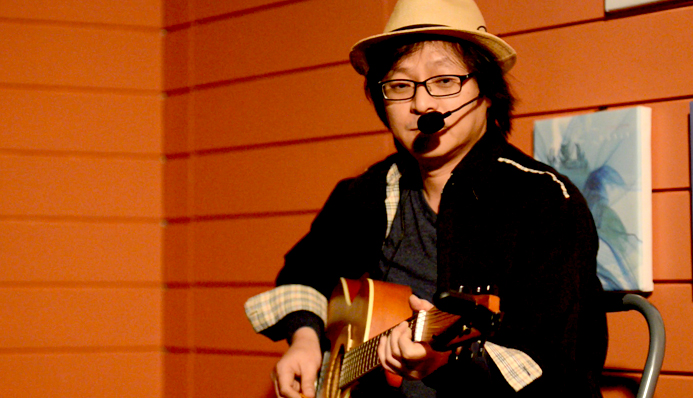
Synopsis: Exploring the life of a 50 year old singer-songwriter, this 27 minute documentary explores his attempts to be free like the wind through his music. Please see below for the trailer.

The Jazz Quartet (더 재즈 쿼텟)

The Jazz Quartet (더 재즈 쿼텟)

The Jazz Quartet (더 재즈 쿼텟)

Director: Yoo Dae-eol (유대얼)

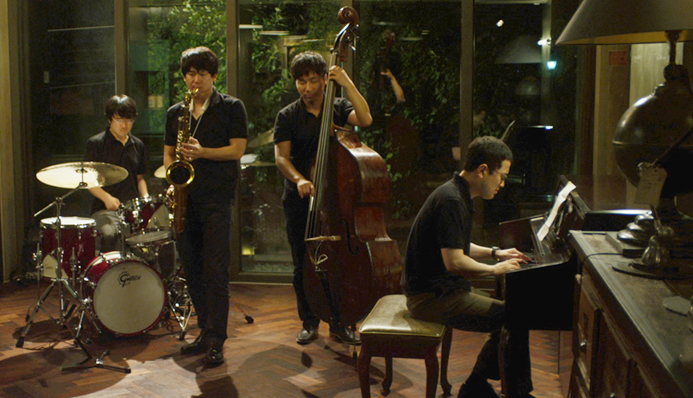
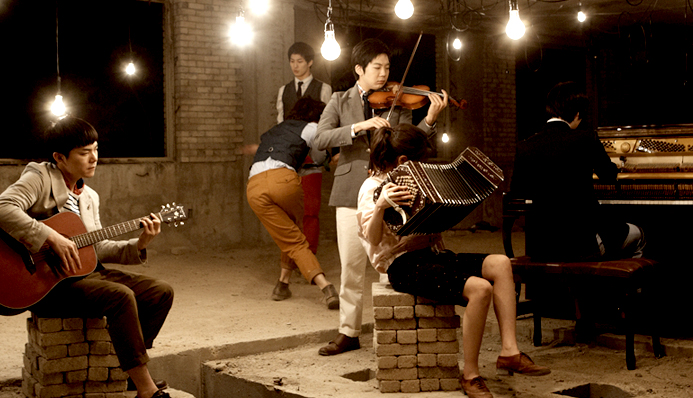
Synopsis: The Jazz Quartet portrays the lives of four musicians who, due to their ‘sloppy’ musical skill, wait on tables in order to make ends meet. However interesting things begin happening after their 5th anniversary.

The Journey

The Journey

The Journey

Director: Lim Wang-tae (임왕태)

Synopsis: Little is known about this 10 minute experimental film by director Lim Wang-tae, except that it follows a group of people walking through a forest, then on a road, towards the ocean.

Korean Music Film Now – Shorts 2

Circus: Watch My Show (서커스: 워치마이쇼)

Circus: Watch My Show (서커스: 워치마이쇼)

Circus: Watch My Show (서커스: 워치마이쇼)

Director: Yang Hyo-joo (양효주)

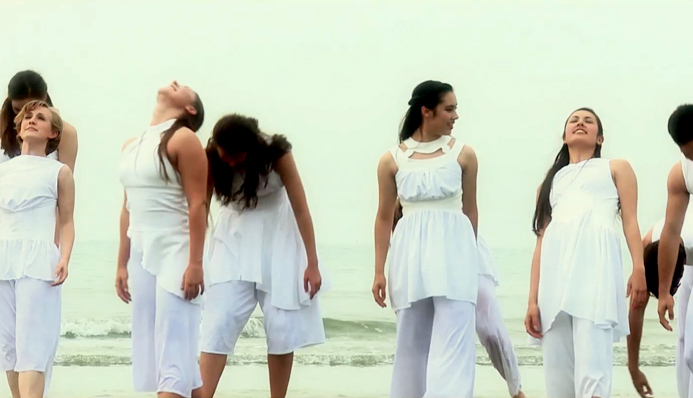
Synopsis: Another experimental offering, the film using dancing to explore the themes and connotations derived from the circus. Please see below for the trailer.

Ogu-gut for Mr. Heo (허창열씨 오구굿)

Ogu-gut for Mr. Heo (허창열씨 오구굿)

Ogu-gut for Mr. Heo (허창열씨 오구굿)

Director: Kang Ji-won (강지원)

Synopsis: The ogu-gut shamantic ritual is explored through this documentary, capturing traditional Korean cultural forms involving the after-life.

Who Made It? (누가 만들었을까?)

Who Made It? (누가 만들었을까?)

Who Made It? (누가 만들었을까?)

Director: Ji Tae-kyoung (지태경)

Synopsis: The nature of creation is explored in this documentary about Jeju Island, as a band captures the natural sounds from the land to reflect its beauty. Is music therefore divine?

For more detail please visit the official JIMFF website here.

Festival News Jechon International Music and Film Festival (제천국제음악영화제) Korean Festivals 2013
The Jechon International Music and Film Festival (제천국제음악영화제)

JIMFF 2013: The Jechon International Music and Film Festival

The Jechon International Music and Film Festival (제천국제음악영화제)

The Jechon International Music and Film Festival (제천국제음악영화제)

The Jechon International Music and Film Festival (제천국제음악영화제) is gearing up for its 9th installment, commencing on Wednesday the 14th of August and running through until Monday the 19th.

The city is famous for the picturesque Cheongpung Lake, which will host an outdoor theater as well as live musical performances on its shores.

Opening the festival at the Lakeside Stage will be French drama Pop Redemption by director Martin Le Gall. The film depicts the lives of four childhood friends who for the last eighteen years have been a part of metal band Dead Macabes. However as they approach their thirties life begins pulling them in different directions and their interest begins to wane. As a last ditch effort to save the band, member Alex signs them up for metal event ‘Hellfest’ but fate seems to transpire against them. Please see below for the trailer:

World Music Film Today

The international competition at JIMFF 2013 is entitled ‘World Music Film Today’ which features nine films from around the globe. The jury will consist of Korean director Lee Hwan-gyeong (이환경) (Miracle in Cell No.7), director/actress  Koo Hye-seon (구혜선) (The Peach Tree), president of Zip Cinema Lee Yoo-jin, Japanese company Amuse Group chairman Yokichi Osato, and Polish festival director Krzysztof Gierat. (Source: The Chosun Ilbo)

Black Gospel (블랙가스펠)

Black Gospel (블랙가스펠)

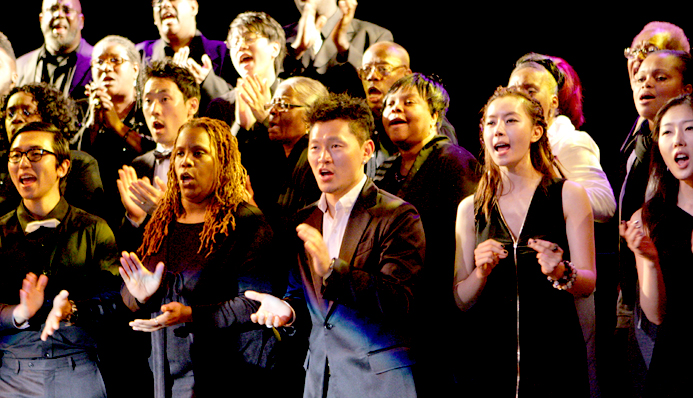
Within the competition there is one Korean film, documentary Black Gospel (블랙가스펠) directed by hisMT Ministry (히즈엠티 선교회). The film follows the members of Korea’s only gospel choir as they travel to Harlem, New York to study music.  But they quickly learn that they will have to raise their singing prowess to a whole new level if they want to compete at the gospel concert.

Please see below for the trailer.

For more information, please head on over to the official JIMFF website here.
Festival News Jechon International Music and Film Festival (제천국제음악영화제) Korean Festivals 2013
Colourful Dr. Swalski provides the tips Bo-na needs to move ahead, to great comedic effect

How to Use Guys with Secret Tips (남자사용설명서) – ★★★★☆

How to Use Guys with Secret Tips (남자사용설명서)

How to Use Guys with Secret Tips (남자사용설명서)

When it was released on February the 14th, How to Use Guys with Secret Tips (남자사용설명서) had the unenviable – and quite unfortunate – task of competing with several enormously popular films at the box office, in the form of Miracle in Room Number 7 and The Berlin File, which earned over 12 million and 7 million admissions respectively. A week later, gangster epic New World appeared in cinemas, hauling over 4 million admissions. Despite positive reviews from critics and audiences alike, the romantic-comedy just couldn’t compete.

This is a genuine shame as How to Use Guys with Secret Tips is an incredibly energetic, entertaining, and fresh rom-com. Director Lee Won-seok (이원석) infuses the film with a wacky and colourful sensibility, whilst simultaneously probing the sexism that exists within the workplace and, by extension, Korean culture. While the film turns to formulaic predictability in the final act to tie up all the loose ends, How to Use Guys with Secret Tips is visually enjoyable and great fun, marking director Lee as a talent to watch.

Choi Bo-na is constantly undervalued and overworked - until she finds the video

Choi Bo-na is constantly undervalued and overworked – until she finds the video

Assistant director Choi Bo-na (Lee Si-yeong (이시영) has worked for years in a TV commercial company, endlessly slaving away on other productions while waiting for her big break…which never arrives. Moreover, Bo-na is very aware that her gender is an issue within the workplace as it holds her back from progressing within the sexist industry. When a new commercial for the company is shot on a beach, lead actor Lee Seung-jae (Oh Jeong-se (오정세) complains about everything, and Bo-na’s frustrated attempts to chastise the arrogant star results in more disapproval. So much so in fact that when the commercial has finished shooting, the entire team leave the sleeping AD on the beach. Wandering alone at night, Bo-na spies the colourful Dr. Swalski (Park Yeong-gyoo (박영규) selling instructional videos. Reluctantly agreeing to buy How to Use Guys with Secret TipsBo-na starts putting the tips into practice and suddenly her life begins to turn around with hilarious results.

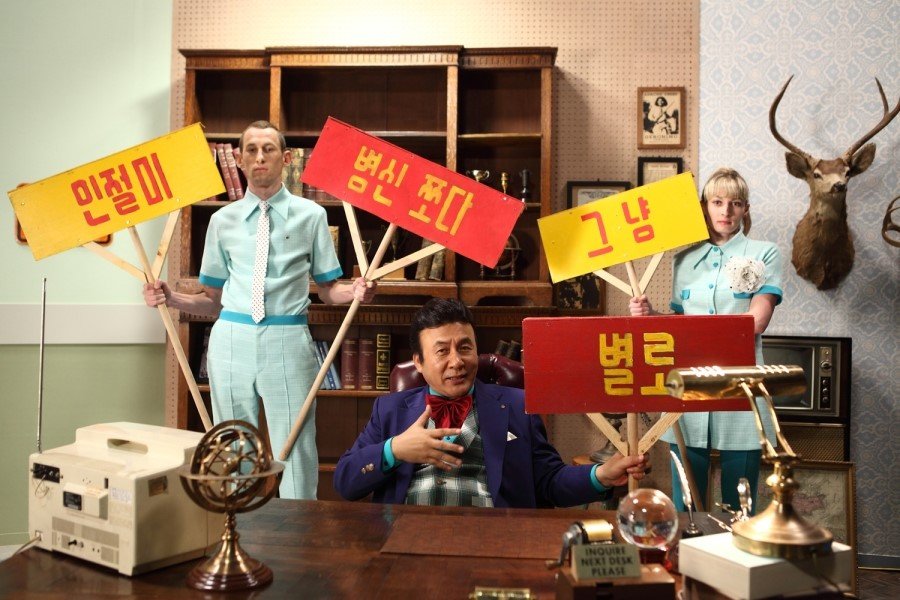
While the story of a woman struggling in both her professional and personal life is nothing new in the rom-com arena, director Lee infuses the film with such a whimsical visual and musical vitality that it’s impossible not to be won over. From the outset the director’s keen sense of mise-en-scene and flamboyantly playful use of text and image techniques are apparent, yet it is the introduction of charismatic Dr. Swalski that allows him to fully display his zany aesthetics. The doctor – brilliantly performed by Park Yeong-gyoo – is a guardian angel of sorts who bestows advice on how to manipulate men through the video. The cheesy and camp sensibilities of such ’70s style infomercials are lovingly recreated to hilarious effect, from the costumes and props through to the mistakes and bad editing. What makes Dr. Swalski special however is that he is not confined to the TV set. Director Lee constantly plays with and breaks the barriers between the three realities – the video, Bo-na’s life, and the audience – which makes the film incredibly charismatic.

Colourful Dr. Swalski provides the tips Bo-na needs to move ahead, to great comedic effect

Colourful Dr. Swalski provides the tips Bo-na needs to move ahead, to great comedic effect

The comedy hijinks that ensue as Bo-na uses the tips are fantastically entertaining as they feature elements of truth, in that director Lee is probing real gender issues that exist within contemporary Korean culture. Bo-na is a great and talented director, yet her gender halts her progress. Her attempts to conceal her femininity with hoodies and to be treated equally merely results in hiding her attractiveness, which stops men making allowances for her. However when Bo-na begins employing Dr, Swalski’s advice, the story spins into poking fun at modern masculinity to great effect. From simple eye contact through to massaging the male ego, Bo-na learns the simplicity of the opposite sex and rapidly rises through the ranks. This is articulated the most through her relationship with arrogant actor Lee Seung-jae who, despite his initial snobbery, finds himself in very comical situations in attempting to prove his worth.
Yet How to Use Guys with Secret Tips unfortunately flounders in the final act. With so many funny plot threads to tie up, the story falls back on the predictable cliches found in the genre to do so. The absence of director Lee’s playfulness is keenly apparent during the resolution which is a real shame, as the build up to that point is wonderfully entertaining. Still, while the finale is somewhat lacking, the film is certainly one of the most visually energetic and inventive romantic comedies to appear from Korea in recent memory, and a great debut from director Lee.

Can Bo-na find true love and success without using the tips?

Can Bo-na find true love and success without using the tips?

Verdict:

How to Use Guys with Secret Tips is a wonderfully wacky and colourful romantic comedy, full of visual and musical vitality. Director Lee Won-seok is brilliantly inventive as he plays with genre and cinematic conventions, infusing the film with a seemingly boundless energy and enthusiasm. The laughs come thick and fast as they are based in truth, including sexism in the workplace and the fragility of the male ego, which are explored to highly comical effect. While the final act falls back on cliche and predictability, How to Use Guys with Secret Tips is a very entertaining and fun rom-com.

★★★★☆

Puchon International Fantastic Film Festival (제17회 부천국제판타스틱영화제) Reviews
North Korean spy Ryu-hwan disguises himself as village idiot Dong-gu

Secretly, Greatly (은밀하게 위대하게) – ★★☆☆☆

Secretly, Greatly (은밀하게 위대하게)

Secretly, Greatly (은밀하게 위대하게)

Secretly, Greatly (은밀하게 위대하게) is responsible for breaking several notable records in Korean cinematic history upon release. The film surpassed all expectations to earn the biggest opening day for a domestic film with 497,560 admissions; the following day another benchmark was set as it scored a whopping 919,035 admissions, the largest haul in a single day for a Korean film. With such an impressive start, it’s perhaps unsurprising that Secretly, Greatly took only 36 hours to pass the coveted one million admissions milestone, the fastest Korean film to do so. And to cap it all off, the film won the Citizen’s Choice Award at the 2013 Puchon International Film Festival.

With such incredible success it would be reasonable to assume that Secretly, Greatly must therefore be an outstanding piece of cinema, but unfortunately that is far from the truth. While it begins confidently, the film quickly becomes submerged beneath pointless supporting characters and melodrama, with the belated action sequences and nationalist agenda bland and uninspiring. Competently directed by Jang Cheol-soo (장철수) yet lacking in substance, Secretly, Greatly is ultimately only for fans of the original webcomic and the extremely handsome lead actors.

North Korean spy Ryu-hwan disguises himself as village idiot Dong-gu

North Korean spy Ryu-hwan disguises himself as village idiot Dong-gu

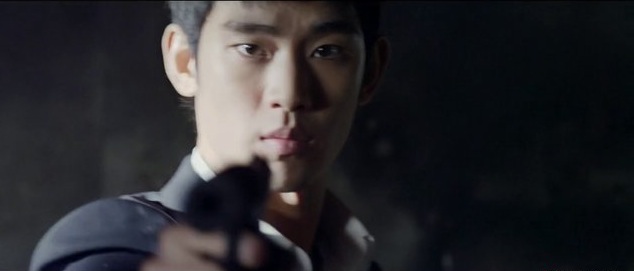
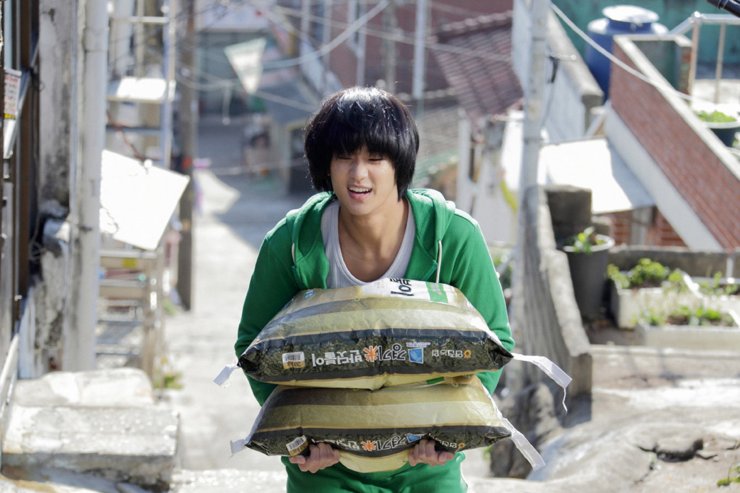
North Korean soldier Won Ryu-hwan (Kim Soo-hyeon (김수현) has trained relentlessly to be the best in his unit, and his efforts have not gone unnoticed. His superiors give Ryu-hwan a mission – to infiltrate South Korea under the cover identity of Dong-gu, the mentally ill fool of a shanty town, and to await further instructions. Taking to his new identity with patriotism and verve, Ryu-hwan slowly becomes disillusioned as time passes and with no word from his homeland. Yet one day out of the blue rival Northern soldier Ri Hae-rang (Park Ki-woong (박기웅) shows up in the neighbourhood, sporting a wannabe rocker identity. Adding further distress, junior soldier Ri Hae-jin (Lee Hyun-woo (이현우) also appears as a high school student. Yet just as the former rivals begin to form a brotherhood, their country calls them into action but their hearts and minds pull them in different directions.

Secretly, Greatly begins well, as Ryu-hwan is given orders by a scarred and scary general on a dark and snowy desolate beach. The foreboding sense of danger is wonderfully and skillfully undermined as the film then cuts to his new identity as Dong-gu, and the harassment and ridicule he experiences from the local townspeople. The editing is superb during these scenes as everything Dong-gu does, from falling over to sneezing, is all meticulously planned but results in physical comedy, and is highly entertaining to watch. The humour derived from the great contrast is amusing, especially in watching Dong-gu being humiliated despite his impressive skill set.

Ryu-hwan is joined by two other top spies, who form an uneasy fraternity

Ryu-hwan is joined by two other top spies, who form an uneasy fraternity

Yet once the opening has passed, the film very quickly becomes incredibly tedious. In the attempt to show Ryu-hwan’s life is far removed from the glory he imagined, he is inundated with bland, everyday problems. Often these problems are not even his, but those of the local community. The variety of inhabitants that are introduced into the story are completely one-dimensional and serve no purpose other than to provide momentary distractions for Ryu-hwan. Cliches and stereotypes abound, featuring the struggling single mother, the high school bully, the sexy girl with a heart of gold, and so on. None of them are developed into interesting characters, and the sheer number of them halts any development of the main protagonists themselves. Rather, their inclusion instigates a number of short stories that offer brief instances of comedy and/or drama, before being completely forgettable.

Likewise, the addition of wannabe rocker Hae-rang is a wholly wasted opportunity to initiate rivalry and bring some kind of direction to the wandering narrative. Hae-jin fares much better upon entry to the community, instigating mystery and action which is welcome. Yet that too quickly disintegrates as the three forge an unlikely kinship at a community picnic, such is the excitement within the shanty town for the spies.

The aimless story finally shifts gears in the final act as a North Korean general begins a special protocol, forcing Secretly, Greatly back into becoming an action film. Yet for three supposedly top agents the action is very dull and lacking in thrills, while the additional melodrama doesn’t carry any weight. In attempting to please all factions of the audience with elements from all genres, Secretly, Greatly manages to ultimately satisfy no-one.

Finally employing his lethal skills, Ryu-hwan fights for justice

Finally employing his lethal skills, Ryu-hwan fights for justice

Verdict:

Secretly, Greatly is a record breaking film, although unfortunately that doesn’t mean that it’s of high quality. While competently directed by Jang Cheol-soo and with a fun opening, things quickly become tedious due to an array of one dimensional stereotypes that flit throughout the aimless narrative, while the drama and action are bland and uninspired. Secretly, Greatly’s successes seems to be based on fans of the original comic strip stories and of handsome actors Kim Soo-hyeon, Park Ki-woong and Lee Hyun-woo, as there is little else to recommend.

★★☆☆☆

Puchon International Fantastic Film Festival (제17회 부천국제판타스틱영화제) Reviews