Pascha (파스카)

Pascha (파스카) – ★★☆☆☆

Pascha (파스카)

Pascha (파스카)

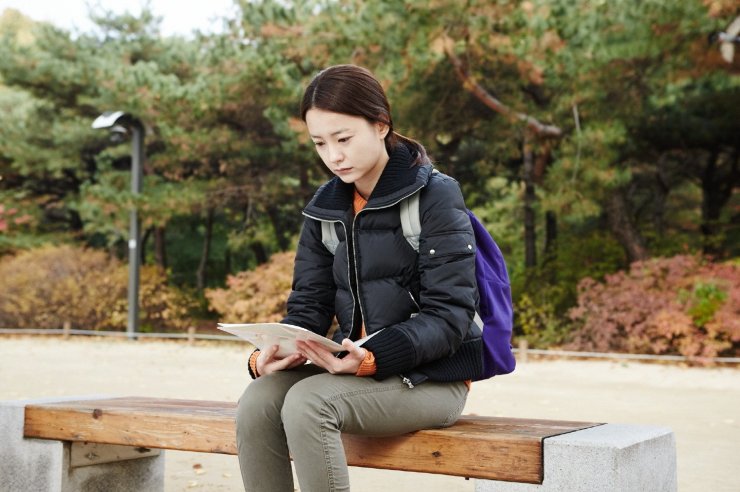
Screenwriter Ga-eul (Kim So-hee (김소희) lives a modest existence, working in dead-end jobs while she attempts to complete her screenplay. The only comforts for the lonely 40 year old are the stray cats she tends to – and often adopts – from the neighbourhood, and her boyfriend Joseph (Sung Ho-jun (성호준). Yet the relationship is quite scandalous as at 23 years her junior, Joseph has yet to complete high school let alone his required military service. Keeping a low-profile the couple continue their relationship unabated, until unexpected complications arise that threaten to drive them apart forever.

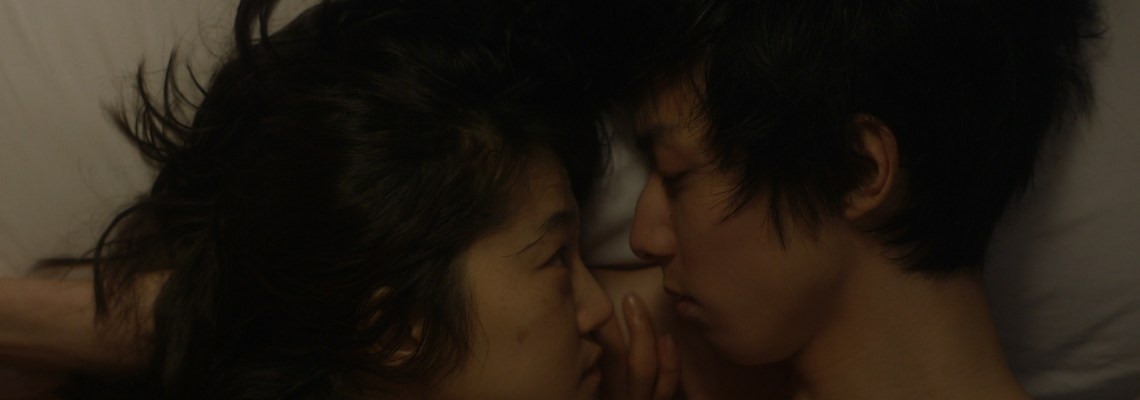
Crucial to the success of any romantic-drama is the core relationship. Audiences are fully aware that circumstances will enter the film that will challenge the protagonists, with the enjoyment derived from being so invested in the relationship that they will it to succeed despite the odds. In this sense, Pascha (파스카) falls far, far short of what is required as there is precious little romance or chemistry between Ga-eul and Joseph throughout the entire film. Director Ahn Seon-kyoung (안선경) has decided to enter the relationship well into it’s maturity, which is certainly no bad thing, as she sets up events and situations that are both natural as well as allowing for the sincerity of long-term partners to emerge. Yet even though the relationship is far from conventional such heartfelt emotions never appear, chiefly due to the awkwardness between the two lead actors which is incredibly distracting, particularly by Sung Ho-jun. There is a distance and coldness between them that conveys a mother and son relationship rather than lovers. Joseph’s Oedipal concerns are obviously an issue – hammered home with the song, “Sometimes I feel like a motherless child” – but scenes such as sharing a bath just appear clumsy and indifferent rather than passionate and intimate.

Ga-eul's relationship with 17 year old Joseph is quite a scandal

Ga-eul’s relationship with 17 year old Joseph is quite a scandal

Pascha‘s most interesting moments lie within scenes involving Ga-eul’s family. When they discover her relationship with the 17 year old, the judgement and criticism Ga-eul receives conveys a deep-rooted misogyny that, even at the age of 40, she must humbly endure. The abuse she suffers is indeed shocking and it is during such moments that actress Kim So-hee shines, displaying the frailty of the nervous and unconfident screenwriter with skill. The pressure enforced upon Ga-eul also leads to film’s very strong – and very graphic – anti-abortion statement, that will likely appall the majority of audiences and outrage many others. Commentators are likely to discuss how far directors could, or rather should, go when it comes to presenting such explicit and visceral portrayals of such a sensitive topic. Yet it is also bizarrely ironic given that the film is so concerned with feminist issues only to undermine one area of debate in such an extreme manner.

It is also unfortunate that director Ahn only begins to show creative flair out of the ashes from such controversial scenes. For the vast majority of the running time the film is an incredibly bland affair featuring a static camera and very little eye-catching cinematography. The uninspiring camerawork and compositions in the early stages of the film do convey the depression, loneliness and solemnity Ga-eul endures, yet such technical issues are rather crude and also suggest directorial inexperience, further detracting from the supposed intimacy between her and Joseph. This is indeed strange as director Ahn’s capabilities are impressive and wholly apparent during the film’s final scenes, a genuine shame as the relationship sorely requires such visual prowess much much earlier to be convincing and effective. As such Pascha is a romantic-drama that is ironically not memorable for its central couple or the relationship, but for the debate on ‘how far is too far?’ in representations of sensitive subject matter.

Ga-eul must learn to endure the pain of loss

Ga-eul must learn to endure the pain of loss

Verdict:

In the attempt to convey the scandalous relationship between a 40 year old screenwriter and her 17 year old boyfriend, Pascha falls far short of other romantic dramas. The awkwardness and indifference displayed by the actors ultimately ruins any tension for when the relationship is predictably threatened. Yet director Ahn Seon-kyoung does well when examining the issues of misogyny endured by the central protagonist. Ironically however, Pascha, is not memorable for the scandalous relationship but for the explicit representation of abortion, which will likely upset critics and audiences alike.

★★☆☆☆

 

Busan International Film Festival (제18회 부산국제영화제) Festival News Korean Festivals 2013 Reviews
Godsend (신의 선물)

Godsend (신의 선물) – ★★★☆☆

Godsend (신의 선물)

Godsend (신의 선물)

When teenager So-young belatedly discovers she is pregnant, her attempt to get an abortion is dismissed by a doctor as too dangerous. Overhearing their conversation however is middle-aged Seung-yeon who, after several years of trying and failing to become pregnant, offers So-young a deal – the baby for an expensive foreign car. As the two women head into the country for the final months of So-young’s pregnancy, they form a close relationship, supporting each other through the unusual circumstances. Yet they are beset by problems from Seung-yeon’s selfish husband, and a group of three hunters with a penchant for rape. All the while, a secretive gardener watches the events unfold.

Godsend (신의 선물)

The women bond over simple chores

As the title implies, Godsend is intended as something of a contemporary nativity story, expressed through the unique visions of Kim Ki-duk – here on writing and producing duties – and protege director Moon Si-hyun (문시현). Kim Ki-duk’s methodology of employing amoral, misogynistic characters to explore social problems is quite apparent throughout the film, yet Godsend is also lighter than most projects he is involved with, presumably due to director Moon. Indeed, the portrayal and character development ascribed to unlikely duo So-young and Seung-yeon is quite charming, arguably even empowering, in the early stages of the film as the twosome attempt to complete their unorthodox deal without the aid of men. Bonding scenes, which include driving lessons and growing vegetables, are sweet natured and sincere. That is, before the inclusion of men. The male characters within Godsend are appalling beasts, and the threat of rape is constantly present throughout the film which often makes for uncomfortable viewing.

Seung-yeon is constantly abused by her selfish husband

Seung-yeon is constantly abused by her selfish husband

While early sex scenes between Seung-yeon and her husband convey an impersonal and unloving relationship very well, the theme of ‘sex as duty’ and his later consistent attempts to rape his own wife despite her proclamations to stop emphasise the intense misogyny laced within the story. This is further compounded by the three hillbilly hunters who lay sexual siege to the women, while So-young’s ex simply wants to receive a share of the money. In each predicament Seung-yeon and So-young are routinely blamed and ‘punished’ for stepping outside of traditional patriarchal ‘boundaries’, often to shocking – and infuriating – effect. While Kim Ki-duk certainly has his flaws, his depictions of misogyny are usually quite insightful on both character-driven and cultural levels. Such depth is not contained within Godsend, and as such the later attempts to change such morally vacuous males into upstanding gentlemen rings ridiculously hollow.

Yet Godsend is very engaging whenever the story returns to the developing sisterhood between Seung-yeon and So-young. Critics often lament Kim Ki-duk’s characters for taking huge and arguably illogical leaps within his narratives, and director Moon Si-hyun overcomes such concerns through non-linear editing.  Initially the film jumps from So-young’s disgust at the proposed exchange to her journey with Seung-yeon into the countryside, yet director Moon fills in the gaps with flashbacks which works wonderfully in terms of character development, with their burgeoning relationship easily the heart and soul of the film.

As a modern nativity however, Godsend falls flat. While the first half of the film sets up events well, the second half provides an overabundance of sexist sub-plots that detract from the journey the women undertake. The constant misogyny and threat of rape constructs a perverse nativity as opposed to an exploration of contemporary pregnancy and childbirth issues. Thankfully the religious themes are not overt however, while the developing relationship between So-young and Seung-yeon makes Godsend an interesting and oft-compelling drama.

Seung-yeon's husband listens to 'gift of God' in So-young's tummy

Seung-yeon’s husband listens to the ‘gift of God’ in So-young’s tummy

Verdict:

Godsend is a compelling attempt at a contemporary nativity story of sorts, based on a screenplay by Kim Ki-duk and directed by one of his proteges, Moon Si-hyun. Exploring the issues of pregnancy and surrogacy, the film shines when depicting the burgeoning relationship between the two central female protagonists as they bond during their unorthodox deal. However the inclusion of atrocious male characters, who perpetuate a constant threat of rape, often makes for uncomfortable viewing.

★★★☆☆

Busan International Film Festival (제18회 부산국제영화제) Festival News Korean Festivals 2013 Reviews
The 18th Busan International Film Festival

BIFF 2013: Korean Cinema Today – Panorama

The 18th Busan International Film Festival

The 18th Busan International Film Festival

For exciting new Korean films, the Korean Cinema Today program at the Busan International Film Festival (BIFF) highlights some of the best and latest productions emerging from the industry.

Korean Cinema Today is separated into two sub-categories – Panorama and Vision. While Vision explores the latest independent films and exciting new filmmaking talent, Panorama showcases some of the big domestic and internationally acclaimed films, as well as more high profile world premieres.

The 14 films in Panorama 2013 contains some of the biggest names working in the industry today. For arthouse fans, Kim Ki-duk’s highly controversial Moebius, as well as two Hong Sang-soo films – Nobody’s Daughter Haewon and Our Sunhi – make appearances. Two directorial debuts are included in the form of superstar Ha Jeong-woo’s Fasten Your Seatbelt, and veteran actor Park Joong-hoon’s Top Star. King of Pigs director Yeon Sang-ho’s latest animation The Fake is featured. There are also exciting new projects that involve crowdfunding, human rights issues, and the debut of K-pop idol Lee Joon from MBLAQ in a lead role.

For the lowdown on all the films within the sub-category, please see below.

Korean Cinema Today – Panorama

Abbi (애비)

Abbi (Twisted Daddy) (애비)

Abbi (Twisted Daddy) (애비)

Director: Jang Hyun-soo (장현수)

Synopsis: Abbi – or rather, Twisted Daddy – is a drama about a father whose dedication to his son becomes out of hand. Working hard to ensure his son can study law and become successful, the aging father risks everything.

Another Family (또 하나의 가족)

Another Family (또 하나의 가족)

Another Family (또 하나의 가족)

Director: Kim Tae-yun (김태윤)

Synopsis: Crowdfunding was sourced to produce this real life legal drama about a woman who contracts leukemia while working at a Samsung factory. The film follows the family’s efforts overcome the disease as well as the corporation responsible.

The Berlin File (베를린)

The Berlin File (베를린)

The Berlin File (베를린)

Director: Ryoo Seung-wan (류승완)

Synopsis: The Berlin File was a big hit upon release earlier his year. With an all-star cast including Ha Jeong-woo and Jeon Ji-hyeon, the action-thriller showcased director Ryoo’s style like never before. For the full review, please click here.

The Fake (사이비)

The Fake (사이비)

The Fake (사이비)

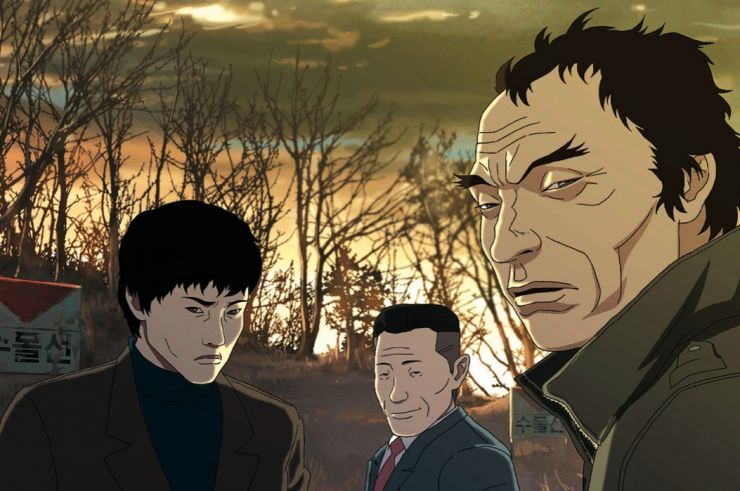
Director: Yeon Sang-ho (연상호)

Synopsis: Following on from his hugely successful film King of Pigs, director Yeon Sang-ho employs his biting cultural critique stylisation to explore corrupted religious officials who are holding a small town to ransom.

Fasten Your Seatbelt (롤러코스터)

Fasten Your Seatbelt (롤러코스터)

Fasten Your Seatbelt (롤러코스터)

Director: Ha Jeong-woo (하정우)

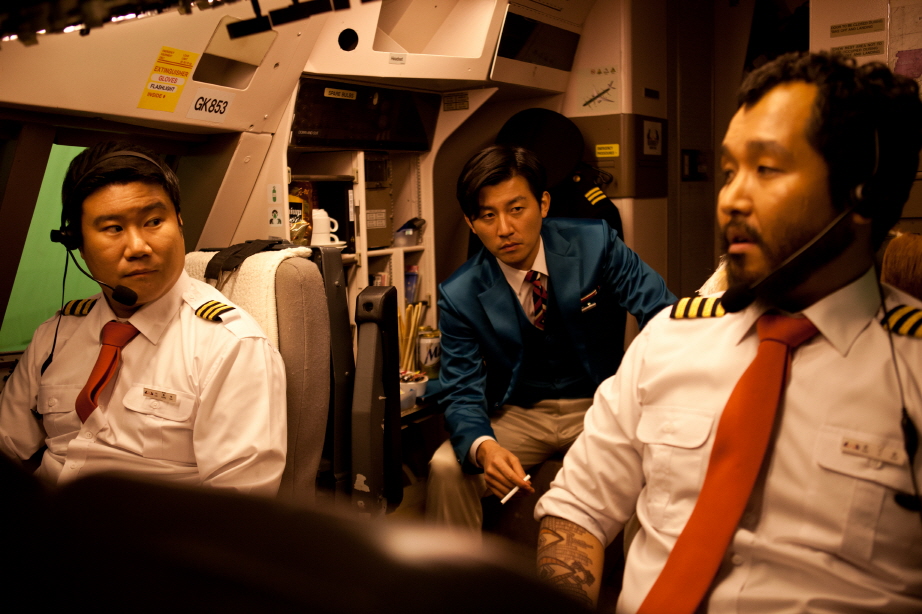
Synopsis: Fasten Your Seatbelt – or ‘Rollercoaster‘ in Korean – marks superstar Ha Jeong-woo’s directorial debut. The comedy sees mismatched characters collide when their plane encounters a typhoon.

God's Eye View (시선)

God’s Eye View (시선)

God’s Eye View (시선)

Director: Lee Jang-ho (이장호)

Synopsis: Lee Jang-ho was a prominent director during the 1970s and ’80s, and after an 18 year hiatus has re-entered filmmaking with God’s Eye View. The film explores a group of missionaries whose faith wanes after abduction by Islamic rebels.

Genome Hazard (무명인)

Genome Hazard (무명인)

Genome Hazard (무명인)

Director: Kim Sung-su (김성수)

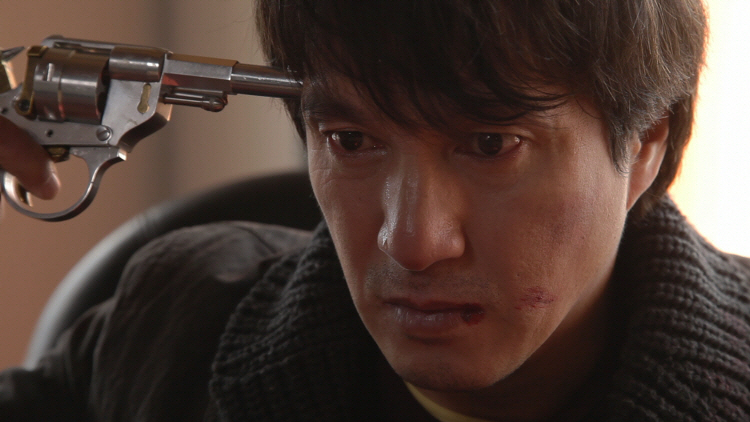
Synopsis: A co-production between Korea and Japan, sci-fi Genome Hazard depicts a man seemingly losing his sanity following the apparent death of his wife. Director Kim previously worked with Park Chan-wook and Son Il-gon.

If You Were Me 6 (어떤 시선)

If You Were Me 6 (어떤 시선)

If You Were Me 6 (어떤 시선)

Directors: Min Yong-keun (민용근), Lee Sang-cheol (이상철), Shin A-ga (신아가), Park Jung-bum (박정범)

Synopsis: Produced by the National Human Rights Commission, this omnibus film represents radically different stories about people living on the fringes of society, and the hardships they endure.

Moebius (뫼비우스)

Moebius (뫼비우스)

Moebius (뫼비우스)

Director: Kim Ki-duk (김기덕)

Synopsis: Moebius was marred by controversy before it was released.  Kim Ki-duk’s psychosexual thriller examines a family torn apart by adultery, penis dismemberment, and incest.

My Boy (마이보이)

My Boy (마이보이)

My Boy (마이보이)

Director: Jeon Kyu-hwan (전규환)

Synopsis: Town trilogy and The Weight director Jeon Kyu-hwan explores the life of an impulse disorder patient and his long-suffering family in My Boy. cultural attitudes towards mental health and the medical system are examined.

Nobody’s Daughter Haewon (누구의 딸도 아닌 해원)

Nobody’s Daughter Haewon (누구의 딸도 아닌 해원)

Nobody’s Daughter Haewon (누구의 딸도 아닌 해원)

Director: Hong Sang-soo (홍상수)

Synopsis: University student Haewon feels lonely following her mother’s departure for Canada, and contacts married lover – and professor – Seong-joon. A story of a young woman’s quest for identity.

Our Sunhi (우리 순희)

Our Sunhi (우리 순희)

Our Sunhi (우리 순희)

Director: Hong Sang-soo (홍상수)

Synopsis: Sunhi is a film student who, wishing to continue her studies in America, seeks a recommendation letter from her professor. Yet in doing so, she unwittingly allows 3 different men attempt to advise her over her future.

Rough Play (배우는 배우다)

Rough Play (배우는 배우다)

Rough Play (배우는 배우다)

Director: Shin Yeon-shick (신연식)

Synopsis: A sequel of sorts to Rough Cut, Rough Play is concerned with a rising film star who becomes involved with gangsters, leading to a downward spiral. Based on an idea by Kim Ki-duk, the film features K-pop idol Lee Joon from MBLAQ in the lead role.

Top Star (톱스타)

Top Star (톱스타)

Top Star (톱스타)

Director: Park Joong-hoon (박중훈)

Synopsis: Veteran actor Park Joong-hoon makes his debut with Top Star, a film about a talent manager who suddenly becomes a superstar. Yet as his popularity increase, so does his arrogance and determination to stay at the top.


Busan International Film Festival (제18회 부산국제영화제) Festival News Korean Festivals 2013
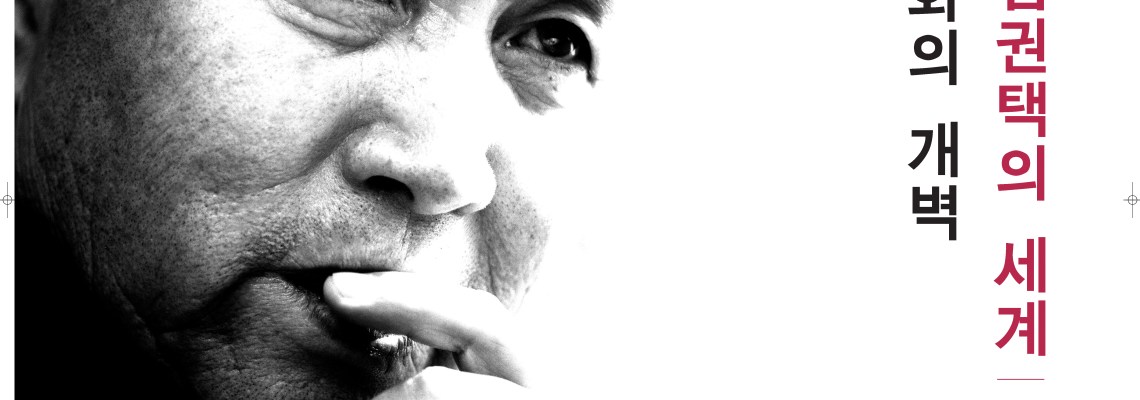
Im Kwon-taek Retrospective Poster

BIFF 2013: Fly High, Run Far: The Making of Korean Master Im Kwon-taek

The 18th Busan International Film Festival

The 18th Busan International Film Festival

Director Im Kwon-taek (임권택) has long been recognised as one of the most significant contributors within the Korean film industry, helming 101 films since his career began in 1936. At this year’s 18th Busan International Film Festival (BIFF), director Im is due to be honoured with a special hand-printing ceremony and a staggering retrospective that includes 71 of his films.

Fly High, Run Far: The Making of Korean Master Im Kwon-taek is a special program dedicated to the master director. In an unprecedented move and to accommodate so many films, the retrospective will begin on September 23rd – a full 10 days before BIFF officially begins.

Im Kwon-taek Retrospective Poster

Im Kwon-taek Retrospective Poster

The screenings are due to take place at the futuristic Busan Cinema Center, with the retrospective opening with 1981’s Mandala (만다라), often cited as director Im’s breakthrough film. From his early black and white work in the 1960s through to his more recent output in 2010 the celebration chronicles the director’s career, however as some films have either been lost or suffered decay unfortunately not all 101 films can be showcased.  The event will also feature a number of special guest visits from high profile filmmakers, actors and academics at selective showings. The retrospective is co-hosted by the Korean Film Archive, Busan International Film Festival, Dongseo University Im Kwon Taek Film Archive, and Busan Cinema Center. For the full listing of the program, please see the official Busan Cinema Center website here (Korean).

During the festival itself 9 of director Im’s films will be screened. Guest visits by film professionals including Lee Chang-dong, Hong Sang-soo Kim Tae-yong and more will also occur during BIFF. Please see below for a profile of each film.

Fly High, Run Far: The Making of Korean Master Im Kwon-taek

Chunhyang (춘향뎐)

Chunhyang (춘향뎐)

Chunhyang (춘향뎐) – (2000)

Based on the classic Korean tale (most recently made as erotic drama The Servant (방자전)), director Im infuses his version with traditional Korean pansori (folk performance). The story depicts lovers Chunhyang and Mongryong who are separated, yet when Chunhyang is tortured by a corrupt official, Mongryong comes back for revenge.

Come, Come, Come Upward (아제아제 바라아제)

Come, Come, Come Upward (아제아제 바라아제)

Come, Come, Come Upward (아제아제 바라아제) – (1989)

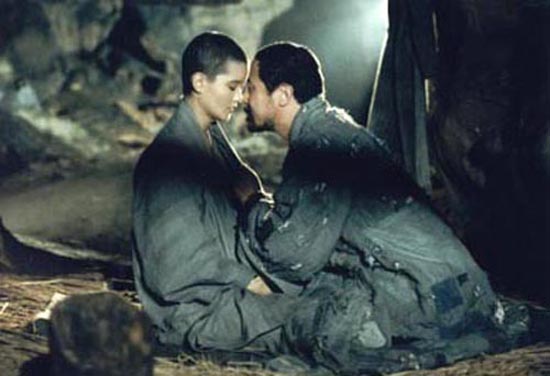
The different paths taken by two Buddhist nuns on their quest for enlightenment are the subject of this 1989 classic. While one nun seeks it through inner practices, the other searches amongst other people, with both enduring hardships on their journeys.

Fly High, Run Far (개벽)

Fly High, Run Far (개벽)

Fly High, Run Far (개벽) – (1991)

Set during the Joseon Dynasty in the mid-19th century, Fly High, Run Far depicts a land in turmoil as the new religion of Donghak is embraced by the people yet rejected by the aristocracy. Following the execution of Donghak’s founder a new leader emerges, yet he quickly discovers the hardships of his new position within the royal court.

The General’s Son (장군의 아들)

The General’s Son (장군의 아들)

The General’s Son (장군의 아들) – (1990)

A rare action film by director Im. The story  explores the ramifications of a fight between Korean theater worker Doo-han and a Japanese student during 1930s occupied Korea. When Doo-han becomes something of a national hero after his victory, consequences emerge.

Mismatched Nose (짝코)

Mismatched Nose (짝코)

Mismatched Nose (짝코) – (1980)

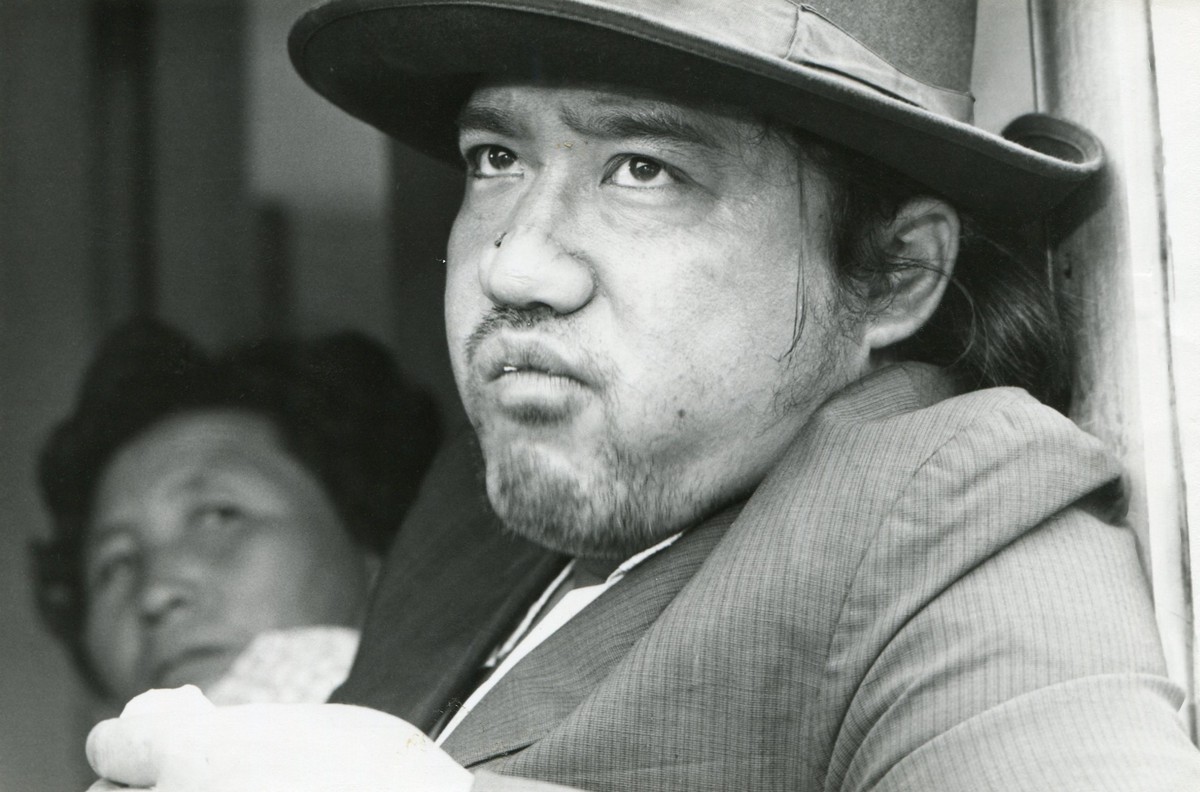
In this 1980 classic, director Im blurs the boundaries between societal notions of good and bad. When a former police officer finds himself in difficult times and is forced to become a tramp, he discovers a criminal he pursued is also in the same situation when they meet at a homeless shelter.

Seize the Precious Sword (삼국대협)

Seize the Precious Sword (삼국대협)

Seize the Precious Sword (삼국대협) – (1972)

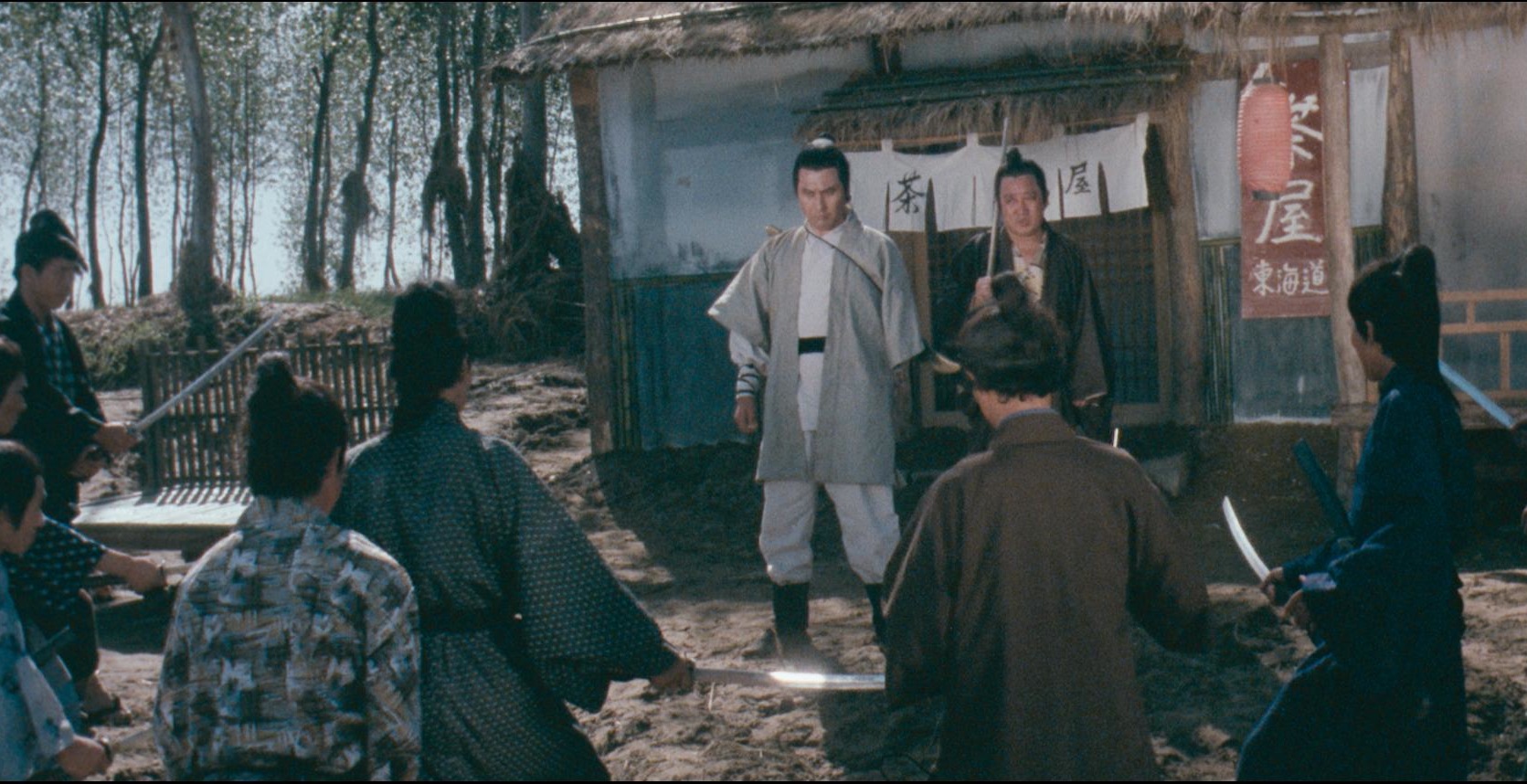
The oldest film in the retrospective, the film depicts a swordsman who travels to Japan with his two warrior friends on a singular mission – to find and return a Korean national treasure.

Seopyeonje (서편제)

Seopyeonje (서편제)

Seopyeonje (서편제)(1993)

One of director Im’s most famous films, Seopyeonje employs traditional Korean pansori in his melodrama about a reunited brother and sister, and the tragedies that befall a Korean community. Set against a backdrop of beautiful landscapes the film is an enduring classic and was a huge box office success, even gaining an invitation to the Cannes Film Festival.

Ticket (티켓)

Ticket (티켓)

Ticket (티켓)(1986)

In this somewhat controversial film, director Im explores the lives of coffee girls who work in a seaside town. As well as coffee the women provide extra sexual services euphemistically called ‘a ticket.’ The shocking and occasionally brutal treatment the women endure exposes one of the darker areas of Korean society.

Village in the Mist (안개마을)

Village in the Mist (안개마을)

Village in the Mist (안개마을) – (1982)

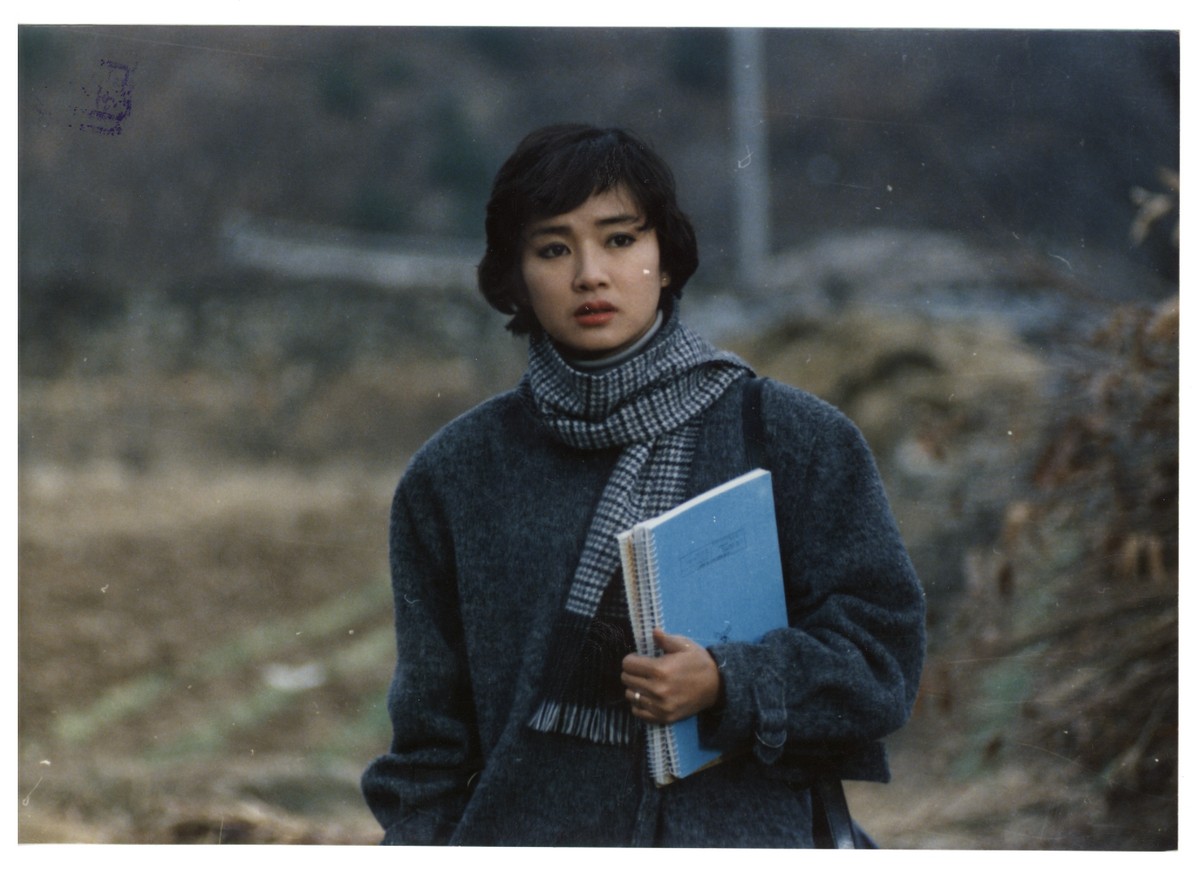
Sexuality and desire are explored in director Im’s Village in the Mist. The film tells the story of Seoulite Soo-ock who travels to the countryside to teach at an elementary school. Yet she is shocked to discover a sexual connection between the local vagabond and the women in the village, even though all the men claim he is impotent.

Busan International Film Festival (제18회 부산국제영화제) Festival News Korean Festivals 2013
Fasten Your Seatbelt (롤러코스터)

Ha Jeong-woo’s Directorial Debut ‘Fasten Your Seatbelt’ gets Trailer and BIFF Premiere

Fasten Your Seatbelt (롤러코스터)

Fasten Your Seatbelt (롤러코스터)

Superstar Ha Jeong-woo (하정우) has decided to take a step behind the camera as both writer and director for his latest project, with his debut arriving in the form of comedy Fasten Your Seatbelt (롤러코스터).

The film follows a group of misfits on a flight from Tokyo to Gimpo Airport and the comedic events that occur when the plane enters the path of a typhoon. The mismatched characters – including a hallyu pop star, a monk, a photographer, as well as other passengers and crew – must all try to work together despite their certainty that the flight will end in disaster.

Fasten Your Seatbelt is due to premiere at the 2013 18th Busan International Film Festival under the ‘Korean Cinema Today – Panorama’ category. Please see below for the trailer.

Film News
As tensions become increasingly frayed, the line between ally and enemy becomes blurred

New World (신세계) – ★★★★☆

New World (신세계)

New World (신세계)

Coppola’s 1972 classic The Godfather has long been a source of inspiration for audiences and filmmakers alike. The themes of family, power and corruption, alongside seminal performances from cinematic icons, make it one of the premiere examples of the gangster genre and a masterpiece in its own right. Director Park Hoon-jeong (박훈정) is clearly a huge admirer – he claims to have watched The Godfather over a hundred times – for he explores such topics, in conjunction with his own unique vision developed as screenwriter of The Unjust and I Saw The Devilwithin exemplary gangster film New World (신세계).

Exploring the dynamics of power within a criminal cartel turned conglomerate (or chaebol, as they are known in Korea), the story weaves a twisted and highly engaging web of suspense-filled intrigue. Ironically however, the focus on such power struggles makes the narrative a somewhat impersonal affair. Yet the film features excellent performances by an A-list cast alongside some truly gorgeous cinematography, combining to make New World a powerful and captivating addition to the genre.

Senior gangsters and close friends Jeong Cheong (left) and Ja-seong greet at the airport

Senior gangsters and close friends Jeong Cheong (left) and Ja-seong greet at the airport

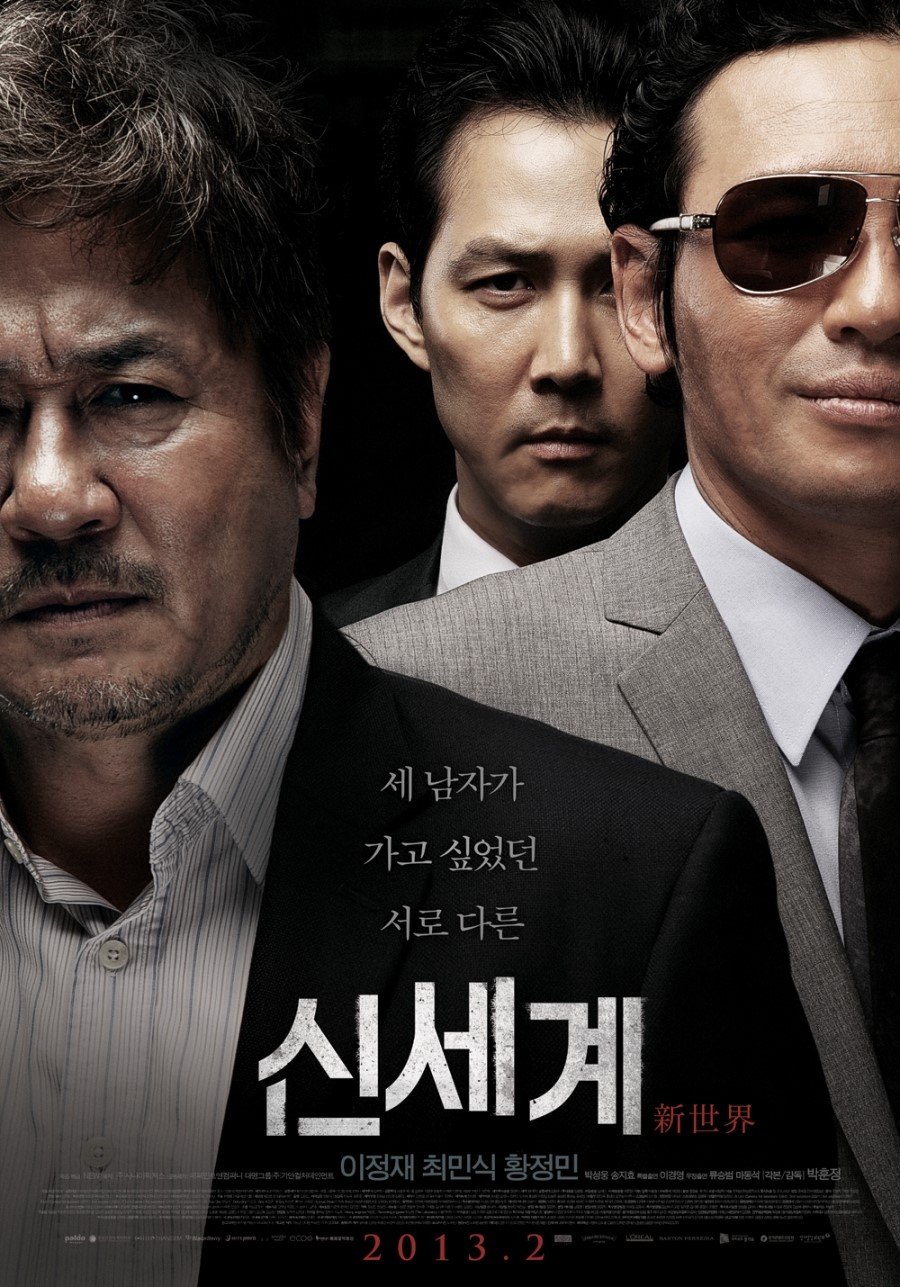
When the head of the Goldmoon corporation is killed in highly suspicious circumstances, a power vacuum is left in his wake. Yet the company is not a typical chaebol. It is an amalgamation of several different criminal organisations, brought together to expand their illegal operations under the guise of an enterprise. Among the candidates to become the next ‘kingpin’ of the cartel are stoic Lee Ja-seong (Lee Jeong-jae (이정재) and close friend Jeong Cheong (Hwang Jeong-min (황정민), as well as the aggressive Lee Joong-goo (Park Seong-woong (박성웅). Yet unknown to everyone within the organisation is Ja-seong’s dual role as a police officer, repeatedly putting his life on the line to report to Section Chief Kang (Choi Min-sik (최민식). As people on both sides of the law wage war for power, choices must be made and bloody confrontations forced in order to sit at the head of Goldmoon.

As with prior film The Unjust, director Park once again proves himself a master of balancing multiple characters. Each member of Goldmoon and the police force has an agenda, and director Park does incredibly well in portraying how each of them attempts to achieve their goals. The character development is consistently believable and occurs as a result of the desire for power, making the story an enthralling experience. This is also in no small way due to the performances of the A-list cast. Choi Min-shik in particular is outstanding as Chief Kang, a veteran cop who realises the monster he has become yet cannot quit. The actor conveys a brilliant complexity within the role, authoritative and intelligent yet self-loathing and frustrated. As Chinese descendant Jeong Cheong, Hwang Jeong-min is also superb. Amazingly he turns an extremely deplorable gangster into a likable jerk, with his foul-mouth and extravagance with fake goods masking a dangerously violent criminal. Ironically Lee Jeong-jae is somewhat short-changed as lead character Ja-seong. His role is the most complex as Ja-seong must play both sides of the law and stay alive, yet there are only a handful of moments where the character develops and genuinely feels threatened. Nevertheless, Lee Jeong-jae is very competent in the role.

Chief Kang meets with Jeong Cheong with an offer

Chief Kang meets with Jeong Cheong with an offer

Furthermore, rarely has a gangster film been so attractive. Director Park immediately places the audience within the violent, dark underbelly inhabited by the protagonists utilising great vision and skill. The composition, lighting and cinematography combine to produce some truly gorgeous aesthetics, conveying the Goldmoon hierarchy, the brutal violence, and stunning landscapes with minimal dialogue. The beauty of the dockyards at dawn is wonderfully contrasted with characters forced to swallow cement, and wonderfully captures the bizarre duality inherent in Ja-seong’s life. Such powerful and compelling imagery continue throughout the entire film, from the cold metallic offices in Goldmoon to the shadowy secret liaisons and deals that take place. New World is a genuine visual triumph, and the passion and attention to detail within every shot is palpable.

While director Park does a great job balancing and positioning the protagonists within the film to culminate in a powerful conclusion, the film also suffers from being overly ambitious. As enthralling as the story is, there are simply far too many characters within the narrative and too little time to fully construct them. Song Ji-hyo exemplifies this issue, as the talented actress is given precious few scenes in which to establish her role as a crucial player. However it is again Lee Jeong-jae who suffers the most in this regard, as his personal life – including an interesting sub-plot regarding his pregnant wife – is glossed over in favour of focusing on his status as a mole. The narrative is so concerned with the Goldmoon power play that, crucially, there is little reason provided to care about Ja-seong’s predicament on an emotional level.

Despite such criticism, New World is an incredibly powerful and exemplary gangster film. The exploration of power and corruption within the Goldmoon chaebol as well as the police force is continually fascinating,  even more so when taking into account such issues are a genuine social concern within contemporary Korea. Director Park has crafted an enthralling gangster epic, and fans of the genre will undoubtedly love it.

As tensions become increasingly frayed, the line between ally and enemy becomes blurred

As tensions become increasingly frayed, the line between ally and enemy becomes blurred

Verdict:

New World is a powerful and exemplary gangster film, examining the power play that occurs when the head of a criminal corporation is killed. Director Park Hoon-jeong expertly weaves a tangled web of gangsters and police into a compelling and thrilling story of corruption and betrayal. The film is also bolstered by fantastic performances from A-list stars including Choi Min-shik, Hwang Jeong-min and Lee Jeong-jae, who are continually fascinating to watch. While the focus on positioning characters and the shady deals that are made make the film a somewhat impersonal affair, New World is enthralling gangster epic that fans of the genre will not want to miss.

★★★★☆

Reviews
My Place (마이 플레이스)

Expat-orientated Chuseok Film Festival Prepares for 1st Edition

The 1st Chuseok Film Festival Screening Schedule

The 1st Chuseok Film Festival Screening Schedule

The first expat-orientated Chuseok Film Festival is due to take place this September. The two day celebration, which runs from the 18th to the 19th, is primarily aimed at the English-speaking community who are often left with little to do over the Chuseok period. The event will take place at the trendy Art 9 cinema, located in Isu. For those unaware, Chuseok is a particularly significant Korean holiday in which families reunite across the country for several days, in celebration of their ancestors.

The Chuseok Film Festival will act as a celebration of Korean cinema by screening several high profile films with English subtitles. Typically only a select few Korean films are subtitled in English upon release, and the festival aims to present a range of films from the past year for audiences. For the screening schedule please refer to the image above.

Here are Hanguk Yeonghwa’s Top 5 films from the upcoming festival:

My Place (마이 플레이스)

My Place (마이 플레이스)

My Place (마이 플레이스) is a funny, enlightening, and wonderful documentary about the importance of family. By using his unwed sisters pregnancy as a catalyst, director Park Moon-chil (박문칠) uses his concerns as a springboard in which to explore the history and psychology of his mother, father, and most predominantly his sister Peace. In doing so director Park shares his revelations and changing attitudes with the audience, with each step constantly compelling as the family attempt to heal past traumas in order to welcome the new baby. A superb and lovely documentary. For the full review, please click here.

Ruthless Myeong-soo visits Berlin to find the mole, but gets more than he bargained for

Ruthless Myeong-soo visits Berlin to find the mole, but gets more than he bargained for

The Berlin File (베를린) represents a stylistic evolution for director Ryoo Seung-wan (류승완), featuring some of the best action and stunt sequences in recent memory and arguably the best of his career. The director captures the paranoia of the spy world with confidence and skill, employing the city of Berlin incredibly well as the location of espionage. While the over-abundance of characters and narrative tangents bog down Jong-seong’s mission, director Ryoo deserves credit for going beyond the themes of ‘brotherhood’ by actually placing a North Korean agent as the ‘hero’ of the film, making The Berlin File an exhilarating, if somewhat convoluted, spy thriller. For the full review, please click here.

Choi Bo-na is constantly undervalued and overworked - until she finds the video

Choi Bo-na is constantly undervalued and overworked – until she finds the video

How to Use Guys with Secret Tips (남자사용설명서) is a wonderfully wacky and colourful romantic comedy, full of visual and musical vitality. Director Lee Won-seok (이원석) is brilliantly inventive as he plays with genre and cinematic conventions, infusing the film with a seemingly boundless energy and enthusiasm. The laughs come thick and fast as they are based in truth, including sexism in the workplace and the fragility of the male ego, which are explored to highly comical effect. While the final act falls back on cliche and predictability, How to Use Guys with Secret Tips is a very entertaining and fun rom-com. For the full review, please click here.

Soon-yeon looks after her sickly younger sibling

Soon-yeon looks after her sickly younger sibling

Barbie (바비) is a highly compelling and poignant drama from director Lee Sang-woo that explores an incredible array of social issues within contemporary Korea. As with the director’s previous work the focus is squarely on interrogating the family unit, yet the inclusion of international adoption allows for an expansion in highlighting a variety of socio-cultural themes and issues. While it takes the film quite some time to get going, Barbie (바비) serves as a powerful reminder of the issues facing those in poverty and leaves an indelible impression. For the full review, please click here.

Nobody's Daughter Haewon (누구의 딸도 아닌 해원)

Nobody’s Daughter Haewon (누구의 딸도 아닌 해원)

Director Hong Sang-soo’s 14th film, Nobody’s Daughter Haewon tells the story of a young woman having an affair with her married professor. The film is a wonderfully structured tale of love and loneliness, and features al the hallmarks the make director Hong such a fascinating filmmaker. Nobody’s Daughter Haewon was also invited to the Berlin International Film Festival earlier this year, where it was screened in competition.

For the official facebook page of The Chuseok Film Festival, please click on this link.

Festival News Korean Festivals 2013
Hope (소원)

Promotion Gears Up For Director Lee Joon-ik’s ‘So-won’ (소원)

Wish (소원)

Wish (소원)

Despite directing an producing an array of impression films including The King and the Clown, Radio Star, and Sunny, director Lee Joon-ik (이준익) announced his retirement from commercial film making in 2010 due to the box office failure of Battlefield Heroes.

Luckily for audiences however the key word is ‘commercial’, as director Lee has finished filming his comeback film, the modestly budgeted So-won (소원). The film tells the story of youngster So-won – which also means ‘wish’ in Korean – who is violently assaulted, and how her and her family struggle to overcome the trauma together.

It’s extremely potent and sensitive material, joining the ranks of Silenced, Azooma, and Don’t Cry Mommy as another high profile exploration of crimes against children.

So-won, which also features the incredibly talented Sol Kyeong-gu as the girl’s father, will arrive in cinemas in early October. Please see below for the trailer.

Film News
Snowpiercer plows through the snow covered landscapes

Snowpiercer (설국열차) – ★★★★☆

Snowpiercer (설국열차)

Snowpiercer (설국열차)

Director Bong Joon-ho‘s (봉준호) highly anticipated science-fiction epic Snowpiercer (설국열차) has  been in some form of development since 2004 and, nearly a decade on and sporting a $40 million price tag, finally gets a release. Currently the most expensive Korean film ever produced, featuring an international cast, and with around 80% of the dialogue in English, the film represents quite a risk for CJ Entertainment. They need not worry however, as the futuristic thriller is a darkly brilliant and enthralling experience.

Based on the French comic book series Le Transperceneige, director Bong’s adaptation is a keen and intellectual exploration of humanity and the class system set within the confines of a train. Yet it is also a violent and visceral action thriller, as tensions boil over among the last vestiges of humanity with shocking brutality. While not perfect, as the lack of character development, often predictable twists, and unrefined CGI let the film down somewhat, Snowpiercer is still a veritable thrill ride and certainly one of the best films released so far this year – by Korea or Hollywood.

The class system on the train is kept in check by sinister matriach Mason

The class system on the train is kept in check by sinister matriach Mason

In the near-future, global warming has become such an issue that the governments of the world convene and agree to release a cooling agent into the atmosphere. The experiment is a colossal failure, as the attempt plunges the world into another ice age, killing all life on the planet. The last vestiges of humanity live onboard the perpetually moving train ‘Snowpiercer’, with the passengers designated by class; the affluent live in privilege in the front carriages, while the poverty-stricken live in the rear. Angry at the unfairness and squalid living conditions, Curtis (Chris Evans) – along with protege Edgar (Jamie Bell) and mentor Gilliam (John Hurt) – lead a revolution against sinister matriarch Mason (Tilda Swinton) in order to control the engine invented by Wilford (Ed Harris). Yet to do so they will need the help of security specialist Namgoong Minsu (Song Kang-ho (송강호) and daughter Yona (Ko Ah-seong (고아성) to unlock the gates.

Snowpiercer, arguably more than any of his prior films, reflects director Bong’s incredible visual and spatial prowess. Throwing the audience immediately into a period of revolution, director Bong conveys a world of dirt, squalor and confinement to wondrous effect. The dystopian arena is intensely claustrophobic and acutely portrayed as the camera weaves around the environment introducing the suppressed population, while the darkness removes any sense of hope. Such powerful atmospherics generate palpable tension as the corruption and hypocrisy of the class system are exposed, recalling classics such as Lang’s Metropolis (1927) as well as the contemporary economic situations in the west, which resonate deeply. Yet the real masterstroke of the clearly Marxist-inspired story lies in the journey to the engine. Each carriage door opened unveils a startling new layer of  the hierarchy that leaves the revolutionaries – and audience – dumbfounded, and each is a triumph of design. Director Bong and production designer Ondrej Nekvasil have crafted unique and spectacularly bizarre worlds within each arena, from the sugary-sweet Disnified classroom through to a hellish costume party, each a stunning visual indictment of the social elite.

Each carriage within the train is stunningly realised and reveals a new level of the society

Each carriage within the train is stunningly realised and reveals a new level of the society

In bringing the worlds within Snowpiercer to life, the ensemble cast are terrific and perfectly suited for their allotted roles. Tilda Swinton stands out as she superbly channels Margaret Thatcher-esque conservatism into the character of Mason, while Alison Pill’s fanatical school teacher is great despite short screen time. On the Korean front Song Kang-ho is highly entertaining as junkie engineer Minsu, and is given some of the best in-jokes within the film particularly regarding untranslatable Korean curse words. Ko Ah-seong fares well as Minsu’s daughter Yona, although the story involving her character isn’t really given a chance to develop. Ultimately with so many quality performers within Snowpiercer there is little room for any character save Chris Evans’ Curtis to grow, however his subplot is predictable while speeches about the past would have provided greater impetus had they been shown and not told. As several narrative tangents are left unanswered, a director’s cut of the film would be a blessing indeed.

Yet this underdevelopment is primarily due to the breakneck speed in which the film advances. The whirlwind pace of Snowpiercer is simply incredible from start to finish as the revolutionaries battle to reach the front of the train, attempting to overcome the onslaught of obstacles and hostile environments they encounter as rapidly as possible. When things do slow down it is often detrimental to characters, forcing the audience to will them on further and as such the film is constantly engaging and compelling. Occasionally to reinforce the sense of speed, the train itself is portrayed speeding through the snow covered landscapes. While such scenes are wonderful in depicting urgency and momentum as well as global warming anxieties, they also highlight some quite unrefined computer imagery which detracts from their purpose.

However the sheer pace of Snowpiercer is astounding and, alongside the visually stunning and intellectual themes featured within, the sci-fi epic is a heart-pounding experience.

Snowpiercer plows through the snow covered landscapes

Snowpiercer plows through the snow covered landscapes

Verdict:

Based on the French comic book series Le Transperceneige, director Bong Joon-ho’s Snowpiercer is an enthralling viewing experience. The science-fiction epic about the last vestiges of humanity is a brilliant exploration of the unfairness of the class system, conveyed with stunning visual and spatial prowess throughout. The all-star international cast are perfectly suited for their roles, with Song Kang-ho and Ko Ah-seong also performing ably. The breakneck pace of the film results in little character development, yet when the themes, tensions and violence are so constantly riveting it is difficult to care. Simply put, Snowpiercer is a fantastic Korean sci-fi film.

★★★★☆

Reviews
Let Me Out (렛 미 아웃)

Filmmaking Zombie Melodrama ‘Let Me Out’ (렛 미 아웃) Gets Trailer and Release Date

Let Me Out (렛 미 아웃)

Let Me Out (렛 미 아웃)

Let Me Out (렛 미 아웃), an independent film about a precocious film student, is due to be released on August the 15th.

The filmmaking comedy received its debut at last year’s Puchon Fantastic Film Festival before appearing at Dallas, Hawaii, and other international film festivals respectively.

Written and directed by film teachers Kim Chang-rae (김창래) and So Jae-yeong (소재영), the story follows opinionated film student Mu-yeong (Kwon Hyeon-sang (권현상) who routinely criticizes the work of others but has yet to make any impact himself. Mu-yeong crosses the line however when he chides guest visitor and celebrated director Yang Ik-june for his films. Throwing down the gauntlet, director Yang bestows a cash prize upon the student forcing him to prove himself. Mu-yeong decides to film his zombie melodrama Let Me Out, but as he begins gathering his cast and crew including producer/best friend Yong-woon (Han Geun-sup (한근섭) and actress and love interest Ah-yeong (Park Hee-bon (박희본), he quickly discovers that making a film is far from easy.

Let Me Out will also be the first independent Korean film to be released simultaneously in Korea and the US, with Variety’s Richard Kuipers describing it as, “a highly entertaining comedy […] with an infectious let’s-put-on-a-show spirit.” (Variety)

Please see below for the trailer.

Film News