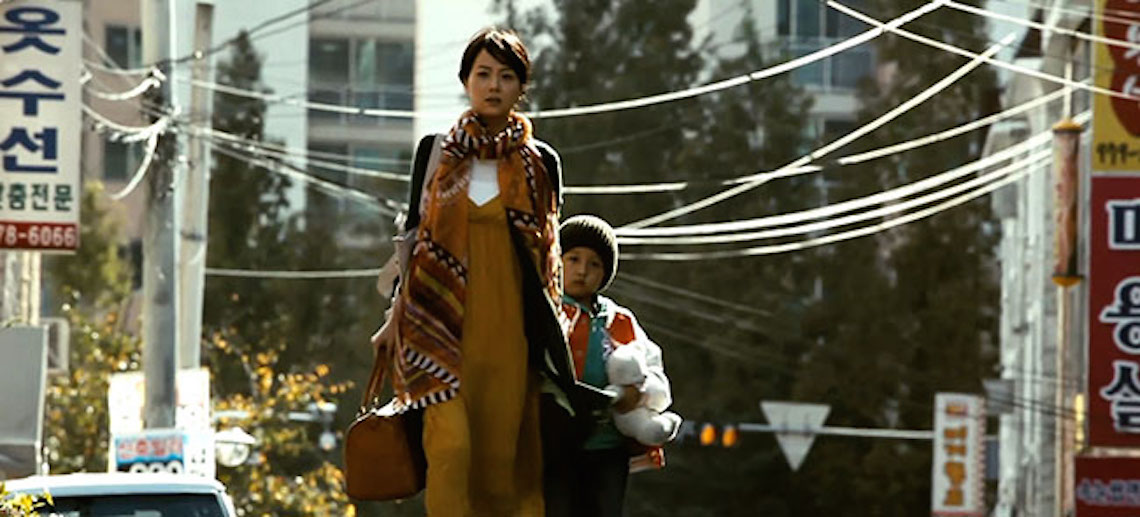
Coin Locker Girl (차이나타운) – ★★★☆☆

Coin Locker Girl (차이나타운)

Coin Locker Girl (차이나타운)

Abandoned by her biological mother in a coin locker in Seoul, a baby girl is discovered by a passing vagabond and brought up on the streets by the homeless community. Named ‘Il-yeong’ after the number ’10’ compartment in which she was discovered, the youngster shows remarkable resilience to her situation, a trait which proves useful when a corrupt cop abducts and sells her to a criminal organisation headed by sinister matriarch Mama (Kim Hye-soo (김혜수). Years later, Il-yeong (Kim Go-eun (김고은) has grown to become an enforcer and debt-collector for the organisation based in the seedy underbelly of Chinatown. Yet when Il-yeong is forced to collect a payment from kind-hearted Seok-hyeon she becomes conflicted, leading to a violently catastrophic showdown with those she has come to regard as family.
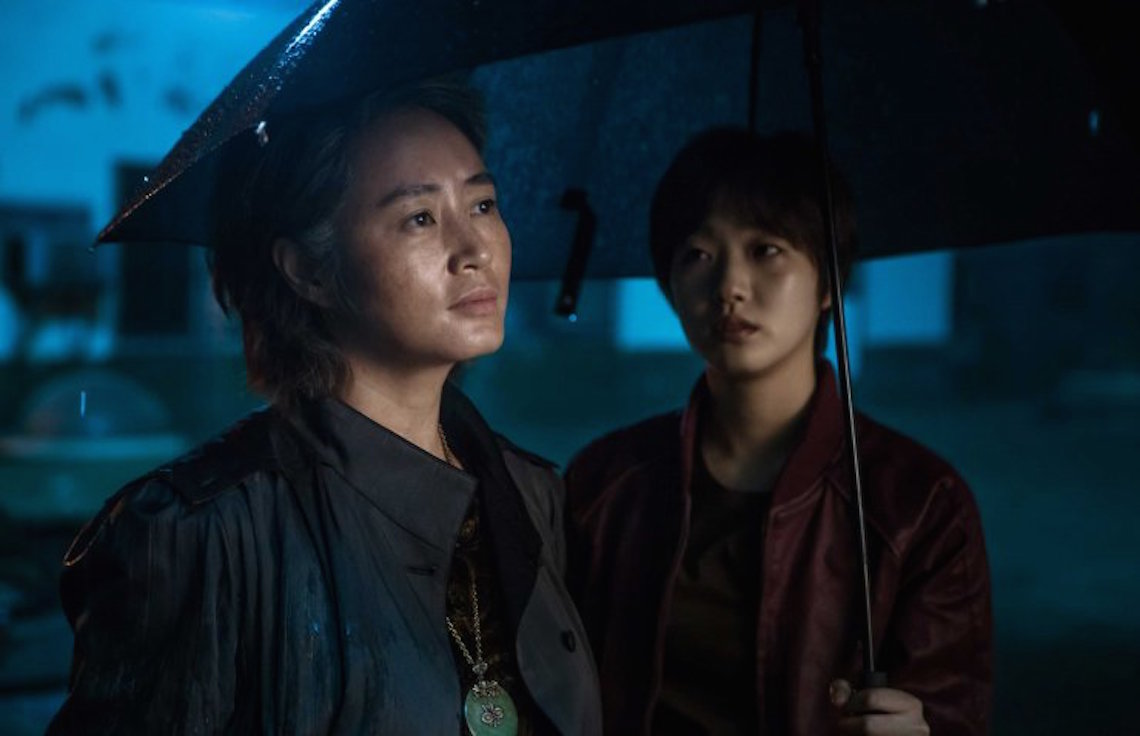
In Chinatown, Il-yeong collects debts for criminal matriach 'mom'

In Chinatown, Il-yeong collects debts for criminal matriarch ‘Mom’

Visually attractive and featuring a mesmerising performance by Kim Hye-soo, Coin Locker Girl – or the more pertinent Korean title Chinatown – is a narratively lacking yet impressive directorial debut by Han Jun-hee.

Director Han wonderfully employs colour to startling effect throughout the crime drama, utilising stunning shades of green in conveying the eerie, mysterious, and threatening world dominated by intense mob boss Mom, yet he also keeps the film grounded through the use of monotone shades of brown in conveying the drab existence his protagonists lead. In conjunction with skewed camera angles that generate surreal intensity, Coin Locker Girl is quite the stylised urban fable. The film is also a particularly refreshing break from the overabundance of testosterone in cinema, featuring two strong central females leads who are more than capable of emerging victorious over their male counterparts.

Where Coin Locker Girl falters however is primarily due to the weak narrative. While competent, and certainly a big step up from director Han’s writing duties on disappointing thriller Gifted Hands, the crime drama simply lacks the impetus required to make the events compelling. The film is often referred to as ‘A Bittersweet Life with women’ due to the very similar narrative structure, yet whereas director Kim Ji-woon spent time developing his central character’s foibles and making him someone audiences could emotionally invest in, the same cannot be said for Il-yeong’s trajectory due to a host of logic lapses and superfluous scenes involving underdeveloped supporting roles, a rival gang, as well as contrived motivations designed purely for plot progression. Il-yeong’s story, while interesting, doesn’t resonate as it should and as such ironically villainess Mama steals the limelight.
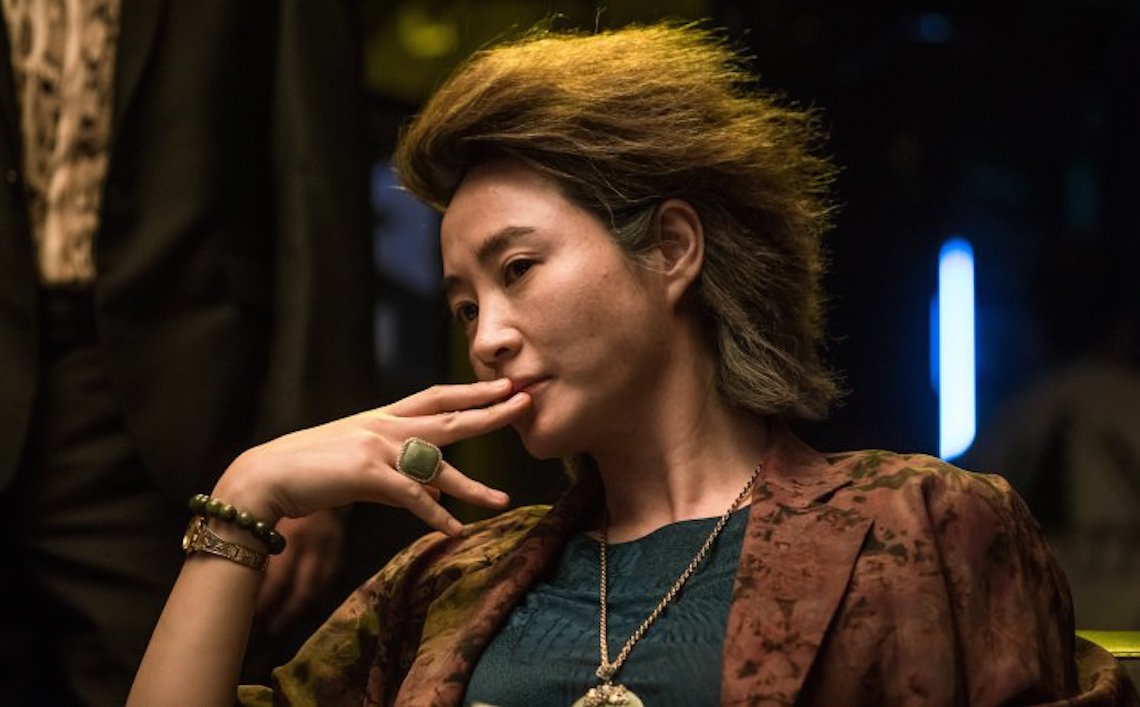
Mom is an intense, deadly force to be reckoned with

Mama is an intense, deadly force to be reckoned with

As underworld matriarch Mama, Kim Hye-soo is fascinating. Her transformative performance is easily a career highlight for the venerated actress, who exchanges the feminine glamour for which she is renown for a dowdy, masculine charisma with ease. Combined with her often disturbingly intense stares and danger-filled silences, Kim is wholly believable as a ruthless Chinatown kingpin. Every time Mama appears onscreen she dominates the proceedings, providing sorely needed suspense and compulsion to the narrative and is by far the most intriguing character within the film.

Kim Go-eun, however, has been completely miscast as gang enforcer/debt collector Il-yeong. While she is undoubtedly a charismatic actress, as exemplified in A Muse, Kim’s perfectly white and unblemished face in conjunction with her waif-like physique simply don’t convey the required gravitas the role requires and stands in stark contrast to the efforts employed by Kim Hye-soo. Though not a fault of her making, Kim Go-eun – as well as love interest Park Bo-geum – also falls victim to the oddities within the script and while she performs admirably, it’s difficult to emotionally invest in her journey.

Narrative peculiarities also particularly effect the supporting cast. Jo Bok-rae (C’est Si Bon) is criminally underused as corrupt cop Tak and he, along with the other male roles, seem to be present purely to engage in violent scenes that ironically tend to force Il-yeong to the sidelines. As adopted sister Song, Lee Soo-kyeong is present merely to be attractive although a scene in which she stabs herself in the arm with heroin, rather than injecting it into her veins, is quite laughable and destroys sympathy for the wayward antagonist. As the supporting roles are so underdeveloped, it is always a relief when Mama returns to the screen for she is the driving force behind Coin Locker Girl and the reason it’s an engaging viewing experience.
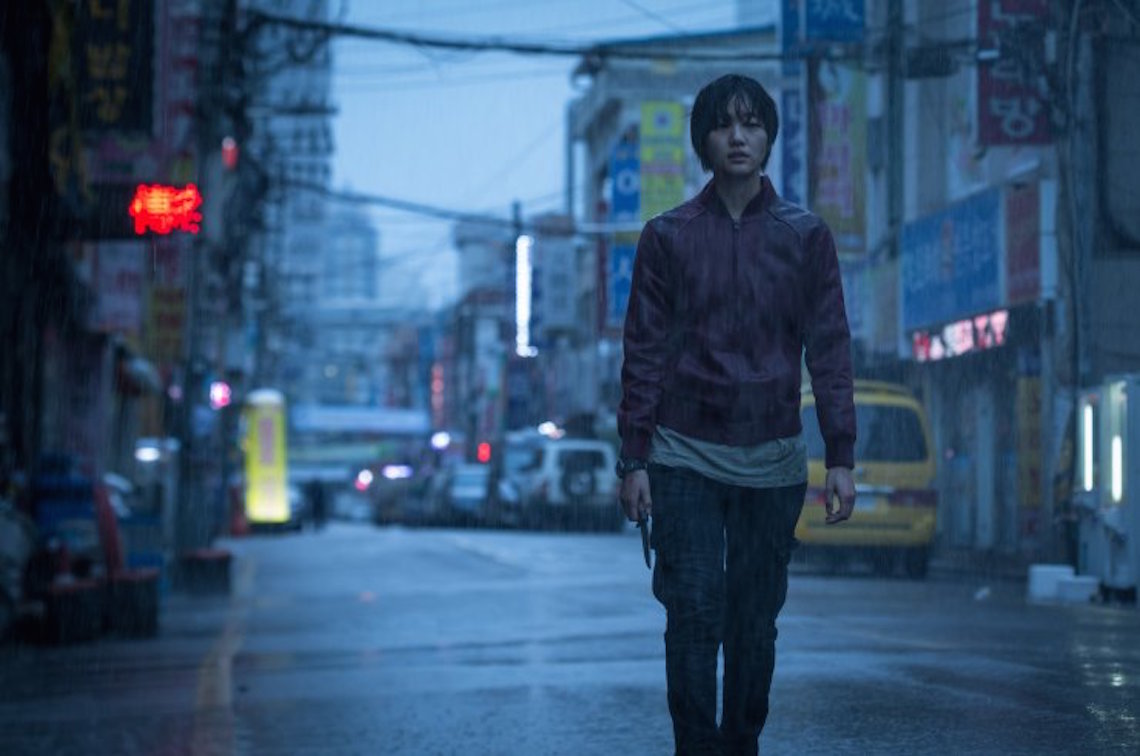
Il-yeong begins her quest for revenge

Il-yeong begins her quest for revenge

Verdict:

Coin Locker Girl is a visually impressive debut by writer/direcor Han Jun-jee, who employs striking colours and skewed camera angles to generate the intensity of the criminal underworld in Chinatown. Narratively however the crime drama is weak, yet the film is saved by a fascinatingly transformative performance by Kim Hye-soo who brings palpable gravitas to the role and provides the necessary compulsion to make Coin Locker Girl an entertaining effort.

★★★☆☆

Reviews

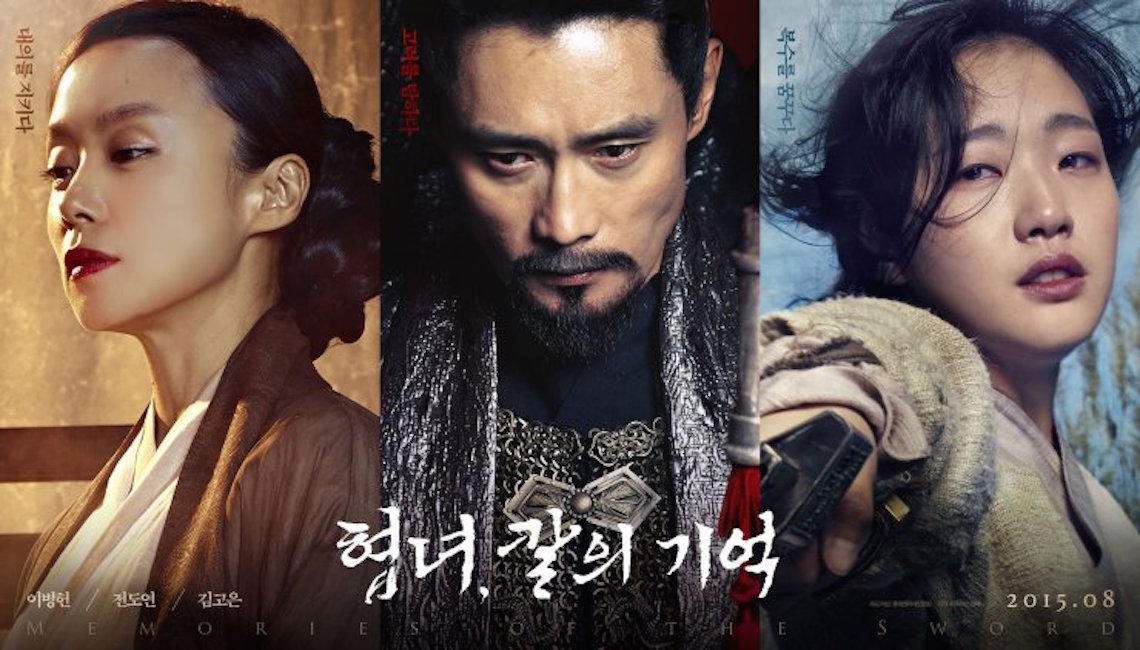
Lee Byung-hun’s Comeback ‘Memories of the Sword (협녀: 칼의 기억)’ Gets English Subtitled Trailer

Memories of the Sword (협녀: 칼의 기억)

Memories of the Sword (협녀: 칼의 기억)

Martial arts period drama Memories of the Sword has finally received a teaser trailer with English subtitles.

Originally set for release at the end of 2014, the film was reportedly delayed due to the blackmail scandal involving Lee Byung-hun, yet as the issue has now subsided an August 2015 date has been announced.

The swordplay epic follows the exploits of three warriors during the Goryeo dynasty who instigate an uprising, yet when their plan is finally set to achieve fruition master swordsman Deok-gi (Lee Byung-hun) betrays his comrades. To escape his wrath, Seol-rang (Jeon Do-yeon) flees with her young daughter to a place he can never find them. Eighteen years later, Deok-gi has positioned himself as a powerful ruler while Seol-rang – now blind – trains her daughter Seol-hee (Kim Go-eun) in ways of martial arts, preparing to exact her bloody revenge.

Directed and co-written by Park Heung-sik – who previously worked with Jeon Do-yeon on My Mother the Mermaid (2004) and I Wish I Had A Wife (2001) – Memories of the Sword will be a real test of the combined star power of three of Korea’s top tier actors, as well as a good indicator as to whether Korean cinema-goers have gotten over Lee’s transgressions.

MotS Kim Go-eun

MotS Kim Go-eun

MotS Lee Byeong-heon

MotS Lee Byeong-heon

MotS Jeon Do-yeon

MotS Jeon Do-yeon

Film News

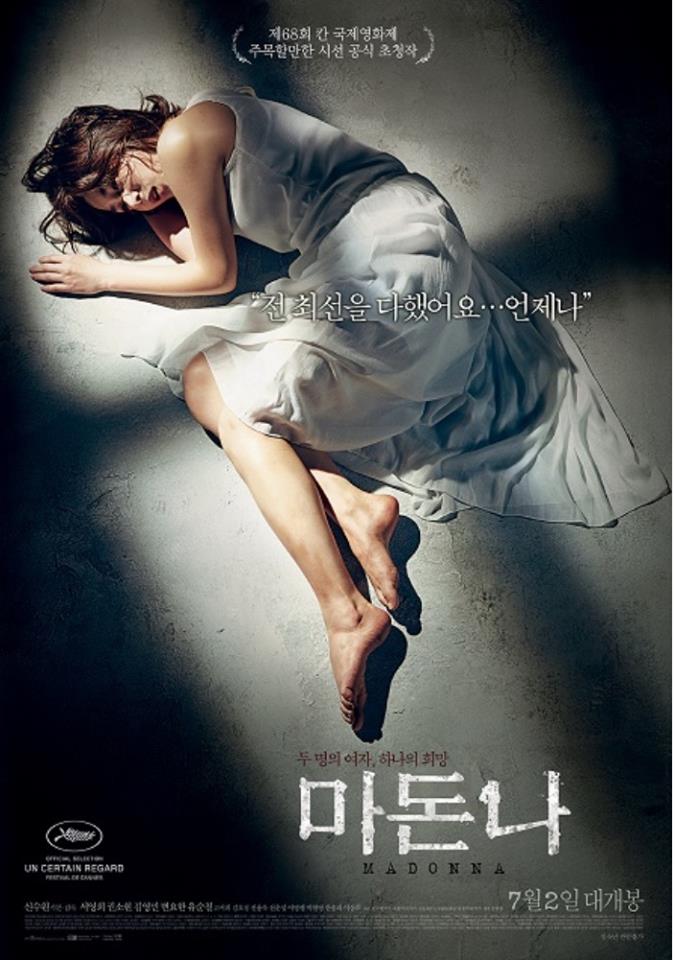
Madonna (마돈나) – ★★★☆☆

Madonna (마돈나)

Madonna (마돈나)

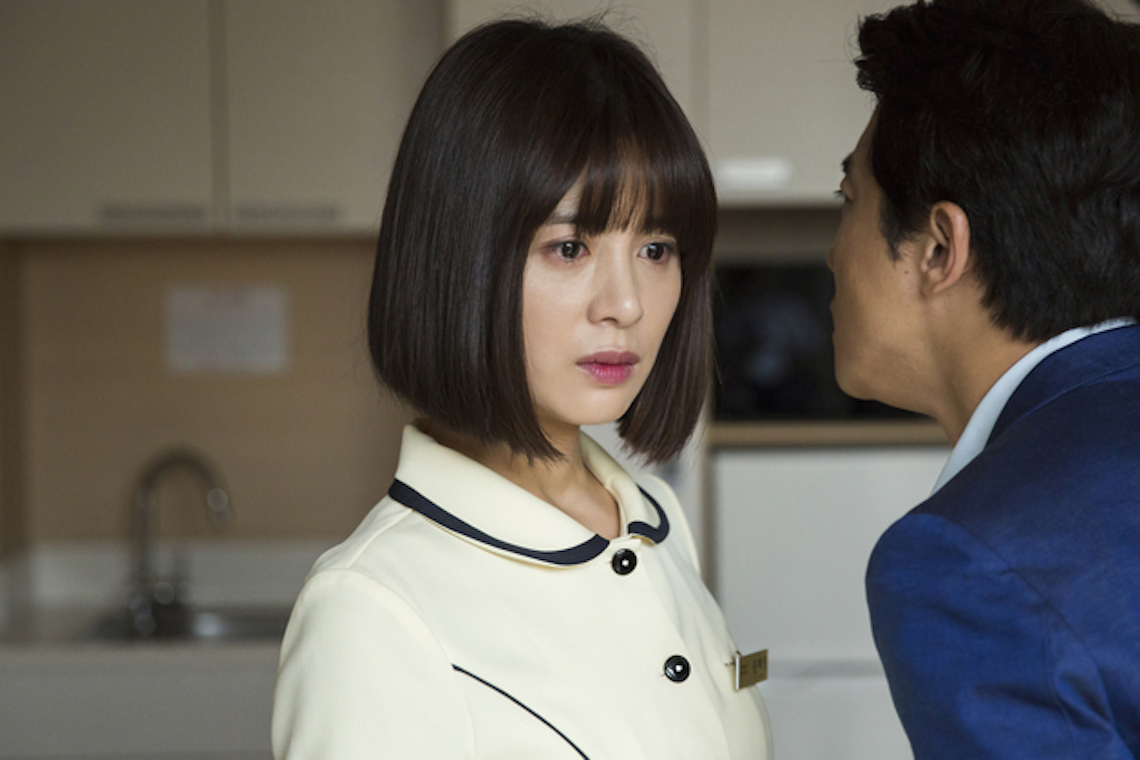
With debts mounting and depression looming, single thirty-something Hae-rim (Seo Yeong-hee (서영희) takes employment as a nurse on an exclusive VIP ward at a large hospital. Stunned by the difference in care the social-elite command, Hae-rim nevertheless works hard to provide treatment for her patient – an elderly and particularly wealthy mogul, whose son and heir Sang-woo (Kim Yeong-min (김영민) endeavours to keep alive whatever the cost. Following the tycoon’s latest heart transplant rejection time has seemingly run out, until the arrival of a comatose Jane Doe signals another possibility of prolonging his life. Yet upon Hae-rim’s discovery that the potential donor is pregnant, Sang-woo charges her with discovering the patient’s identity and obtaining permission from her next of kin, and in digging deeper into the life of Mi-na (Kwon So-hyeon (권소현) – nicknamed ‘Madonna’ – Hae-rim unearths some truly disturbing revelations.

Hae-rim is charged with locating Mi-na's next of kin

Hae-rim is charged with locating Mi-na’s next of kin

Featuring an equally impassioned sense of social injustice that made her prior film Pluto such a festival hit, writer/director Shin Su-won’s Madonna is a potent and unrelenting exploration of class inequality and misogyny in contemporary Korean society, one that potently generates debate on a great number of issues. The noir-esque drama also represents a clear technical evolution for Shin, as her collaboration with Yun Ji-woon’s on camera duties and Lee Shin-hye’s production design has yielded a noticeable level of visual finesse. Yet ultimately Madonna falls prey to overambition as the narrative attempts to include such a vast array of societal ills that the viewing experience becomes a punishing test of endurance, while structural imbalances in the final act tend to drain emotional resonance from the story. That said, Madonna is certainly one of the best Korean releases in the first half of 2015, and its premiere at Cannes was utterly deserved.

Director Shin displays incredible insight in regards to the culture of bullying within Korean culture, which she expresses through examining the rather vicious class system and associated sense of privilege, as well as the seemingly ingrained sexism and abuse that patriarchy knowingly perpetuates. The VIP wing beautifully captures such philosophies through portraying the excesses afforded to the rich clientele, with rooms adorned as if royalty were visiting yet are wonderfully cast in shadow to imply the secretive, macabre nature of the ward. The sense of entitlement expressed through the occupants articulate the amoral stance of the wealthy, with scenes featuring the chastisement of doctors akin to torture, the sexually predatory nature aimed at nurses, and one particularly effective confrontation, a discussion regarding obtaining organs via the Chinese black market. The hospital, as with the school in Pluto, is a location in which human rights abuses occur not only undisturbed, but are accepted.

As such, Hae-rim’s task in tracking Mi-na’s relatives becomes not merely an investigative case, but one that comes to embody an acute sense of social justice – for her, her unborn baby, and underprivileged women in general.

Hae-rim's investigation reveals a dark underbelly of abuse and misogyny

Hae-rim’s investigation reveals a dark underbelly of abuse and misogyny

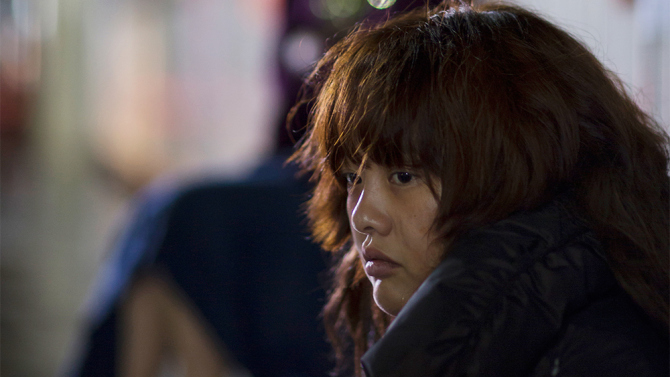
With the advent of Hae-rim’s mission, the narrative switches from the tightly controlled and well paced clinic-centric drama to a non-linear one that examines the issues Hae-rim currently endures, alongside flashbacks that unveil the experiences that led to Mi-na’s hospitalisation. Initially the noir-esque device works wonderfully as it allows director Shin to explore an even greater array of societal abuse, victimisation and psychological trauma. As Hae-rim goes beyond her remit she discovers the horrifying tale of her ‘Madonna’ – of a woman abused at every level of society by those around her, with the cruelty she endures generating a more religious appropriation for her namesake as opposed to the pop idol.

Yet as the flashbacks detailing Mi-na’s past become increasingly longer, Hae-rim’s journey succumbs to a supporting role, and as a result the intrigue and tension initially constructed regarding the hospital and her position within it ultimately dissipates, as does the invest in her character. The different timelines also fail to generate an emotional connection between the two women given their very different trajectories. Director Shin seems to become aware of this and, quite jarringly, inserts a traumatic scene to create the required empathy yet due to the unbalanced structure of the final act, it doesn’t quite work as effectively as it could.

The consistent depiction of abuse towards Mi-na also becomes problematic as the film becomes akin to a gruelling test of endurance. The atrocities committed become ever more horrifying – and in one particular confrontation needlessly graphic – that lack the emotional and contextual gravitas as with, say, Han Gong-ju, resulting in provoking the debate of ‘just how far is too far’ in the depiction of sexual violence instead of the intended discourse of sexual assault on marginalised women.

In the role of Mi-na/Madonna however, newbie actress Kwon So-hyeon is terrific. She wholeheartedly commits to the role with impressive verve and courage with a performance that is likely to cement her as a presence in Korean indie cinema for years to come. Seo Yeong-hee meanwhile, who previously portrayed female abuse and cathartic revenge to stunning effect in Bedevilled, performs highly capably in what is ultimately an emotionally limited role. Her presence, while cold, is charismatic and her return as a powerful female lead is welcome indeed.

Mi-na's traumatic history of abuse is revealed through potent flashbacks

Mi-na’s traumatic history of abuse is revealed through potent flashbacks

Verdict:

Madonna is an impassioned story of social injustice and sexist abuse in contemporary Korean society by writer/director Shin Su-won. Displaying an evolved visual finesse and featuring a potent exploration of the cruel class system, the noir-esque drama is an unflinching take on societal ills. The film ultimately becomes a gruelling test of endurance and lacking in emotional resonance due to final act structural imbalances, yet despite this Madonna is certainly one of the best Korean films of 2015 so far.

★★★☆☆

http://www.youtube.com/watch?v=hINkQOnnm6c

Reviews

Fantasy-thriller The Piper receives an English subtitled trailer

The Piper (손님)

The Piper (손님)

The Piper (손님) – or more literally translated as The Guest – has received an English subtitled trailer ahead of its July 9th release date in Korea.

Loosely based on the classic tale of The Pied Piper of Hamelin, the fantasy-thriller is about a father and his sickly boy who, shortly after the Korean War, find themselves at a strange remote village in the mountains on their way to Seoul. Intending to stay there only for a day before moving on, the duo start to experience surreal events amongst the citizens that leads the father to pick up his mysterious pipe.

First time director Kim Kwang-tae takes the helm, although he has previously worked as an assistant director on erotic period drama Untold Scandal and romance flick Almost Love.

The Piper also features some of Korean cinema’s incredible acting talent. With Ryoo Seung-ryong (The Admiral) in the lead as the father and Lee Sung-min (Kundo: Age of the Rampant) as the village elder, the film also includes Chun Woo-hee (Han Gong-ju) and popular star Lee Joon (Rough Play), as well as child actor Goo Seung-hyeon (The Fatal Encounter).

Please see below for the English subbed trailer.

The Piper

Film News

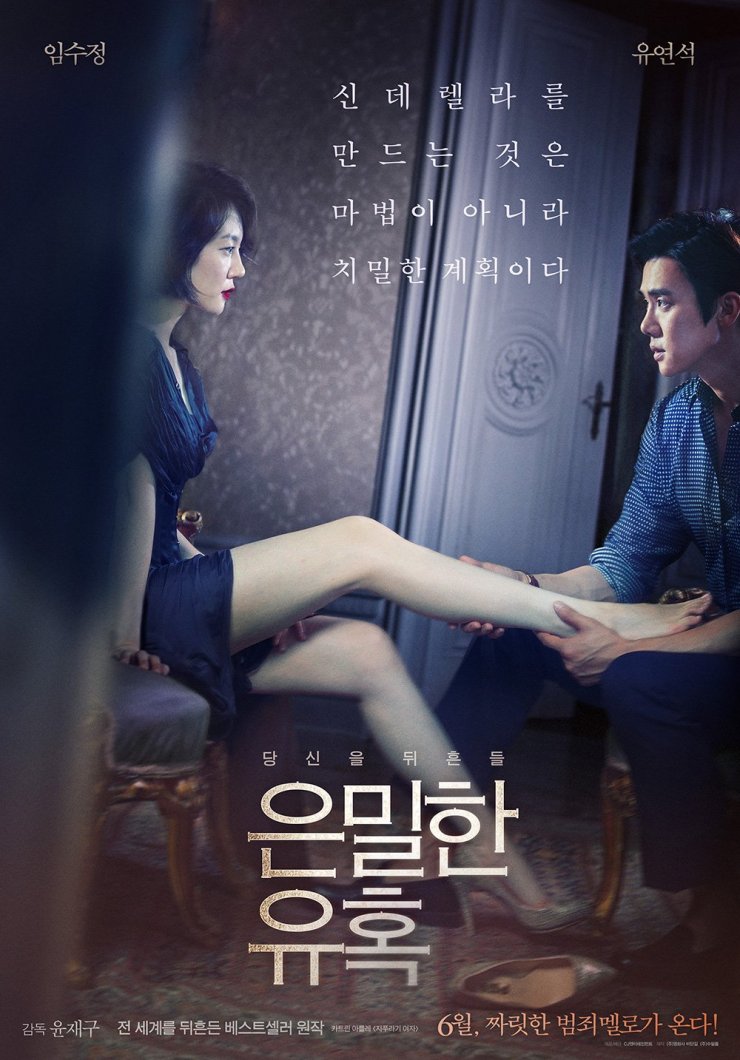
Perfect Proposal (은밀한 유혹) gets an English Subbed Trailer

Perfect Proposal (은밀한 유혹)

Perfect Proposal (은밀한 유혹)

Steamy thriller Perfect Proposal – or more literally translated as Secret Temptation – has received an English subtitled trailer ahead of its June 4th release date in Korea.

Based on French novel “La Femme de paille” (Woman of Straw) by Catherine Arley, the scandalous story depicts an ambitious young man (Yoo Yeon-seok (유연석) attempting to scheme a fortune from his sickly uncle (Lee Kyeong-yeong (이경영), enlisting the help of an attractive yet heavily-indebted woman (Im Soo-jeong (임수정) to do so. If she can marry the old man and manipulate him into changing his will so that she inherits his fortune, the pair will be rich forever more. Yet things don’t turn out as planned.

Director Yoon Jae-goo (윤재구), who previously helmed Secret (2009) and wrote Seven Days (2007), adapted the screenplay as well as taking the megaphone, and it will be interesting to see how he has interpreted such thrillingly seductive source material.

Perfect Proposal also signifies the return of actress Im Soo-jeong after a three year absence from the big screen, and playing a particularly different role from her last outing in Everything About My Wife.

For the English subbed trailer, please see below.

Film News

Snowy Road (눈길) – ★★★☆☆
Snowy Road (눈길)

Snowy Road (눈길)

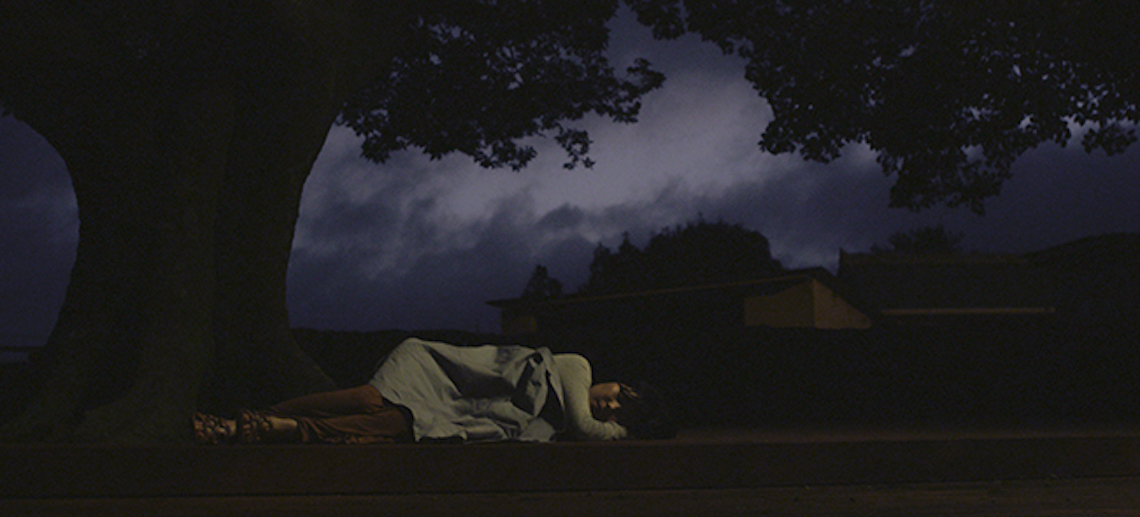
During the Japanese occupation of Korea, Yeong-ae (Kim Sae-ron (김새론), the arrogant daughter of a rich man in the village, studies hard to learn the language of the hostile force and be accepted within the ranks. Poverty-stricken Jong-boon (Kim Hyang-ki (김향기), meanwhile, must contend herself with menial chores until the possibility of marrying out of hardship arises. Yet when the Japanese forces come looking for girls to be ‘comfort women’ – or rather, sexual slaves – financial status does not enter consideration and both youngsters are abducted into a life of horrific servitude.

In the present day Jong-boon (Kim Yeong-ok (김영옥), now an elderly woman, lives alone in a dilapidated part of town. Noticing that her teenage neighbour Eun-soo (Cho Soo-hyang (조수향) is in trouble, she takes it alone herself to help the girl and in doing so is forced to confront the traumatic experiences of her past.

Yeong-ae and Jong-boon are abducted and forced to provide sexual services to Japanese troops

Yeong-ae and Jong-boon are abducted and forced to provide sexual services to Japanese troops

Snowy Road originally aired as a two-part television drama, yet for the purpose of a cinematic release the episodes have been edited together to create a powerful testament to the horrific abuses Korean women suffered during the Japanese occupation. Despite a large number of films and documentaries exploring the subject matter over the years, upon receiving its world premiere at Jeonju Film Festival 2015, Snowy Road left audiences sobbing at the depiction of two of Korea’s youngest and most celebrated actresses reenacting the torture so many women suffered at the hands of the Japanese Imperial Army. While the film does not always escape the production shortcomings and melodramatic trappings of K-drama, Snowy Road is a particularly emotional piece that strongly resonates.

Director Lee Na-jeong and writer Yoo Bo-ra have crafted an impressive tribute to women’s suffering in both the past and present through the non-linear story, cutting between the two periods to reinforce how women’s rights have changed and how far they have yet to go. For scenes in the past, director Lee conveys the atrocities committed to Korean women through the abduction, imprisonment and abuses Yeong-ae and Jong-boon endure at the hands of the Japanese. Yet in the present a rather different set of injustices are dealt with, as elderly Jong-boon is routinely treated with disrespect while her young charge Eun-soo, alone and in need of money, becomes easy prey for wealthy middle-aged men. It is difficult to state how brave director Lee and writer Yoo are for examining the abuses of the past (Japanese men) and present (Korean men) and depicting them parallel to each other through the narrative, especially given the current highly conservative and patriarchal political climate, as well as with anti-Japanese sentiment so high following Prime Minister Abe’s denial that the incidents ever occurred. That is not to say that the crimes are in any way equal – rather, that Lee and Yoo’s bravery comes from not over-simplifying the debates put forth as purely the result of an external ‘other’, but also critically looking within contemporary Korean culture to explore the plights that effect modern Korean women. Snowy Road presents the issues well, impressively articulating that women need to stand united against injustices past and present to draw attention to their plight, rather than internalise guilt and shame.

Elderly Jong-boon and Eun-soo form a unique bond through their experiences

Elderly Jong-boon and Eun-soo form a unique bond due to their experiences

While Snowy Road ambitiously tackles such sensitive issues competently, the film consistently struggles to escape its origins, existing somewhere between a TV drama and film but not quite fitting into either category. Cinematography of landscapes are generally composed with skill and appear cinematic, yet when faced with more intimate moments or generating tension the budget limitations become increasingly clear. As such crucial scenes, most explicitly apparent at the internment camp where Yeong-ae and Jong-boon are abused, lack the potency and sense of urgency that a film of this nature should contain.

The film also falls into cliche TV drama territory as the narrative attempts to come to a close. Melodrama has long been a feature of Korean TV and film output so it comes as little surprise that such generic devices arise in Snowy Road, however a film dealing with the subject matter of comfort women hardly requires such heavy-handed efforts to evoke tears from the audience. The story is tragic enough without additional manipulative melodramatic tropes, and their inclusion does a disservice to those who experienced such horrific trauma.

However that said, director Lee has chosen a particularly solid cast to express the issues being put forth. Kim Sae-ron is really developing into a wonderfully talented actress, and following her stellar performance in A Girl at My Door she exudes the icy arrogance of her character in Snowy Road delightfully. Playing off Kim’s cold demeanour is no small effort yet Kim Hyang-ki (Thread of Lies) is especially likeable as the young and warm-hearted Jong-boon. The actresses have established their careers with monikers such as ‘the nation’s daughters’ which undoubtedly serves to generate even more emotional resonance. The actresses in the present are somewhat shortchanged by the script yet Cho Soo-hyang, who scored Best Actress at Busan Film Festival 2014 for Wild Flowers, and Kim Yeong-ok acquit themselves admirably.

Jong-boon and Yeong-ae attempt to flee the internment camp

Jong-boon and Yeong-ae attempt to flee the internment camp

Verdict:

Snowy Road is a highly emotional charged film about ‘comfort women’ and the horrific abuses they suffered during the Japanese occupation. Yet director Lee Na-jeong and writer Yoo Bo-ra impressively combine the sensitive subject matter with the issues faced by contemporary women, and deserve credit for it. While the film often struggles to escape its TV drama origins, Snowy Road is a powerful and resonating story on a vital topic.

★★★☆☆

16th Jeonju International Film Festival (제16회 전주국제영화제) Festival News Korean Film Festivals 2015 Reviews

Seoul International Women’s Film Festival 2015

SIWFF POSTERThe Seoul International Women’s Film Festival (SIWFF) is due to be held from May 27th to June 3rd, at Megabox Sinchon and Arthouse Momo theaters near Ewha Women’s University.

Now in it’s 17th edition, the festival continues to feature successful categories such as New Currents, Polemics #IAmAFeminist, and Queer Rainbow that explore the lives of contemporary women around the globe.

Yet this year SIWFF organisers have added an extra element to help promote the event for the first time in the festival’s history – an honorary ambassador titled ‘Feminista.’ The first Feminista is actress Kim Ah-joong, the star of films including 200 Pounds Beauty and My P.S. Partner.

SIWFF 2015 will open with Berlinale Crystal Bear winner My Skinny Sister, which leads nicely into this year’s special focus program, The Equal Power of Swedish Women’s Cinema, which contains an impressive 21 titles.

However, let’s take a look at some of the Korean films due to be screened at SIWFF 2015.

New Currents

21& – director Kim A-ra (김아라)

Disillusionment for those in their early twenties is rife

Disillusionment for those in their early twenties is rife

Young filmmaker Kim A-ra explores the disillusionment and frustrations of Koreans in their early twenties in documentary 21&. After studying extremely hard in Korea’s brutal education system, the youngsters are looking forward to working towards achieving their ambitions…but is it possible?

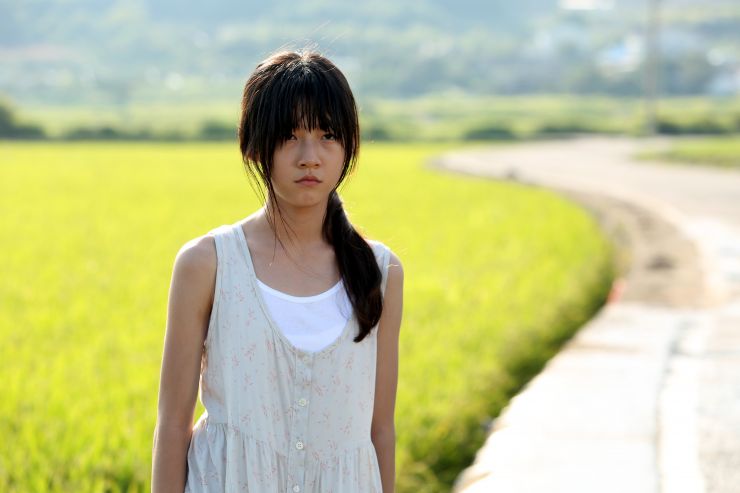
A Girl at My Door (도희야) – director Jung July (정주리)

Do-hee is a victim of terrible domestic abuse in the country town

Do-hee is a victim of terrible domestic abuse in the country town

Premiering at Cannes in Un Certain Regard before appearing at Toronto and Busan, A Girl at My Door is an incredible and empowering drama exploring the lives of those on the margins of contemporary society. Featuring outstanding performances by actresses Bae Doo-na and Kim Sae-ron, and with confident and assured direction under the gaze of July Jung, this is a great opportunity to catch the film again on the big screen. Read the review here.

Heart of Snow, Heart of Blood (눈의 마음: 슬픔이 우리를 데려가는 곳) – director Kim Jeong (김정)

Korean descendants born in Uzbekistan have a complex history

Korean descendants born in Uzbekistan have a complex history

Documentary Heart of Blood, Heart of Snow follows the life of Alex Kim, a descendant of Koreans who were forcibly relocated to Uzbekistan by Stalin. Yet while there his family wealth is confiscated, and he becomes the owner of a restaurant. Director Kim Jeong uses Alex’s story to examine the turbulent history of those who fled the Korean War, only to become struggling nomadic migrants.

The Liar (거짓말) – director Kim Dong-myeong (김동명)

Ah-young's lies explore the materialism of society

Ah-young’s lies explore the materialism of society

Talented independent actress Kim Kkob-bi takes centre stage in drama The Liar. The film examines the importance of social status, material wealth and physical appearances in Korean society through the lies told by Ah-young, the central  protagonist who dreams of a life of luxury away from her current reality. Director Kim’s drama premiered at Busan Film Festival last year.

Polemics #IAmAFeminist

Cart (카트) – director Boo Ji-young (부지영)

As tensions escalate, Seon-hee and Hye-mi fight back against their affluent male abusers

As tensions escalate, Seon-hee and Hye-mi fight back against their affluent male abusers

Based on a true story, Cart depicts the outcry and shocking abuse of workers rights as the managers of a supermarket chain attempt to fire their staff and replace them with part-timers. Yet many of the current workforce are struggling single mothers, students, or those nearing retirement. Premiering at Toronto before screening at Rotterdam and Busan, Cart is an impressive social drama. Read the review here.

The Emotional Society on Stage (감정의 시대:서비스 노동의 관계미학) – director Kim Sook-hyun (김숙현), Cho Hye-jeong (조혜정)

The roles we perform come under scrutiny

The roles we perform come under scrutiny

Experimental documentary The Emotional Society on Stage examines the roles people are forced into within society, and notably if it’s possible to break such cultural forms through performance. The 24 minute film previously appeared at the 2015 Jeonju Film Festival, as well as The Seoul Independent Documentary Film and Video Festival in the same year.

Queer Rainbow

Sinchon Bouncy Ball (신촌탱탱볼) – director Lee Min-jeong (이민정)

Homosexuality is still very much taboo in Korea

Homosexuality is still very much taboo in Korea

 World premiere. Documentary Sinchon Bouncy Ball presents the issues concerned with sexuality in modern Korea through following student Rau as she prepares to complete a school project regarding gender identity. In examining the various areas of the debate Rau comes to develop her ideas on the nature of sexuality, love and identity.

Barrier Free Screening

How to Steal a Dog (개를 훔치는 완벽한 방법) – director Kim Seong-ho (김성호)

Can Ji-so steal a dog and help her family?

Can Ji-so steal a dog and help her family?

How to Steal a Dog was a successful indie film in Korea earlier this year, and has been selected for the ‘barrier free screening’ event, presented for both visually and hearing-impaired audiences.

The film depicts the tale of Ji-so and younger brother Ji-suk who spy a poster offering a big cash reward for finding a missing dog.

For more information, please visit the official SIWFF website here.

Festival News Korean Film Festivals 2015 Seoul International Women's Film Festival (제 17회 서울국제여성영화제)

Warm After All (짐작보다 따뜻하게) – ★★☆☆☆
Warm After All (짐작보다 따뜻하게)

Warm After All (짐작보다 따뜻하게)

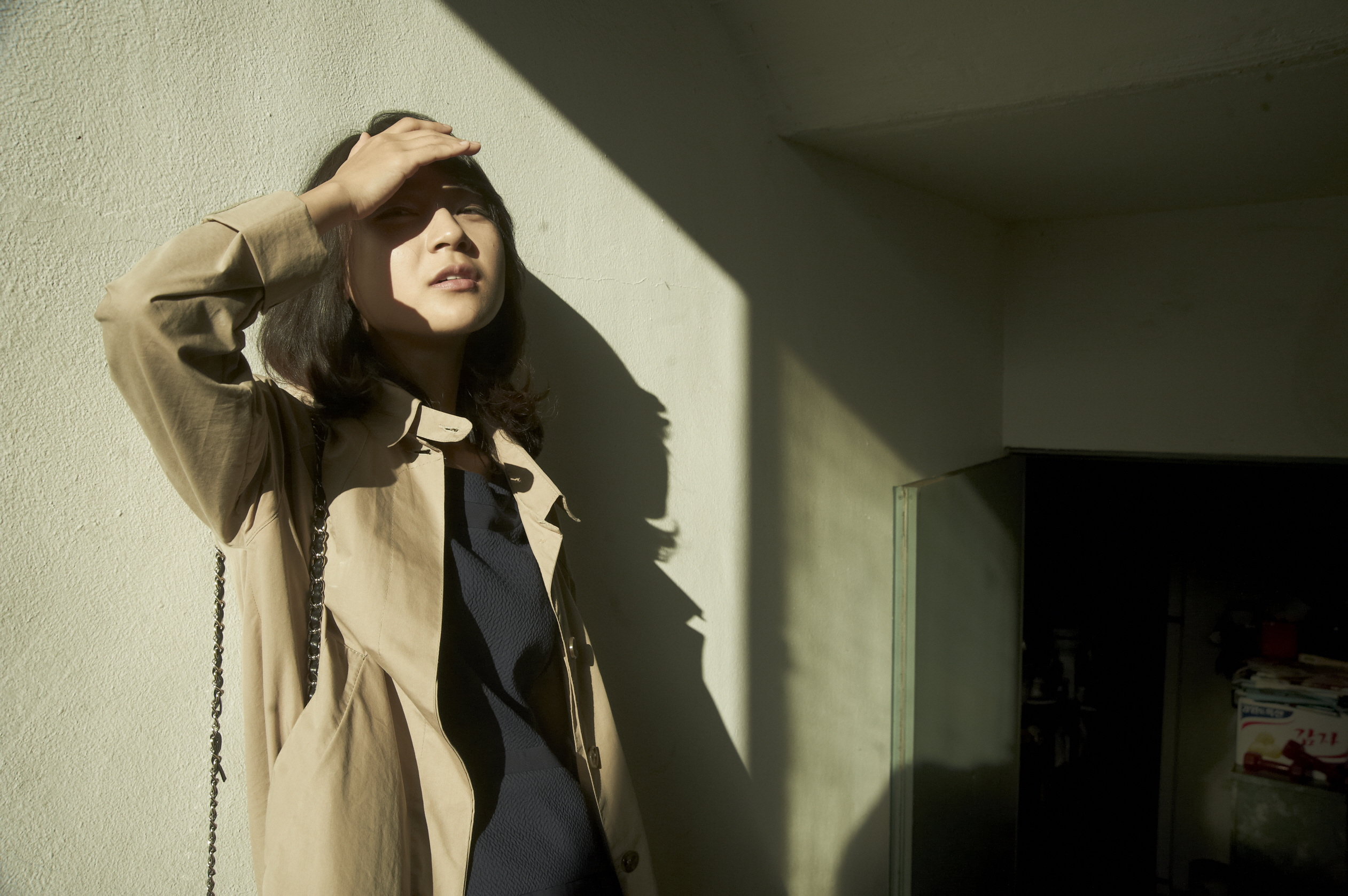
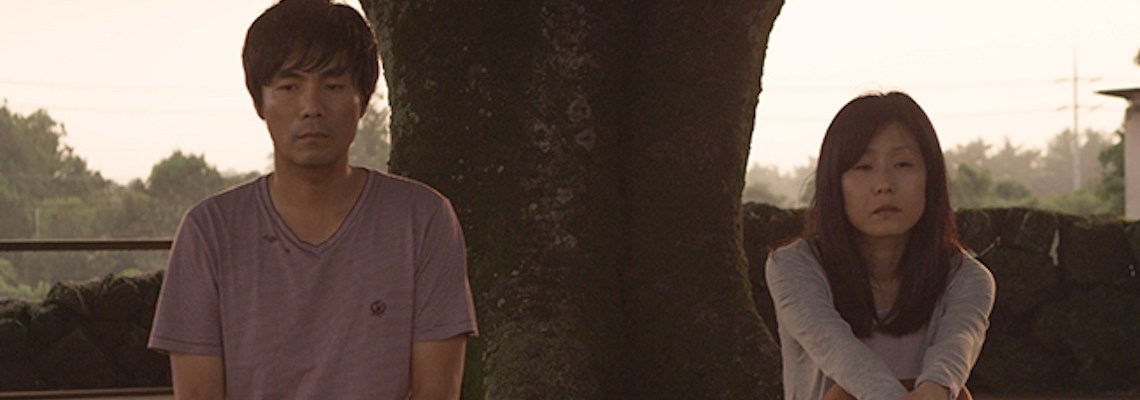
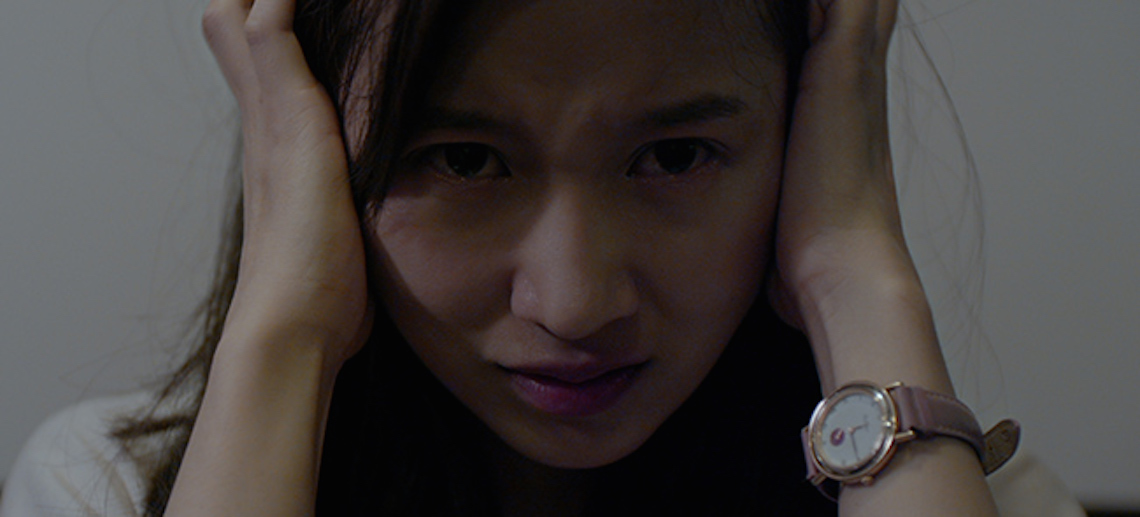
Dubbing actress Eun-kyeong (Lee Sun (이선) is a successful artist, yet a struggling single mother. Her teenage son Hoon (Kim Yu-bin (김유빈) shows little regard for his mother’s concerns, staying out late at PC cafes instead of coming home and eating lovingly prepared meals. Sun-kyeong’s stress about the issue becomes so fervent that insomnia arises and begins to effect her work, causing anxiety amongst her colleagues. Strangely however, ex-husband Sang-min (Im Hak-soon (임학순) has a good relationship with Hoon, and the two work together to plan a birthday surprise for Eun-kyeong. Yet when Eun-kyeong’s health takes a turn for the worst Sang-min is compelled to return, forcing them to confront the issues in their relationship.

Sensitively composed and particularly timely, director Lee Sang-min’s Warm After All is heartfelt film exploring the nature of love, tragedy and trauma. Through Eun-kyeong, an intelligent, successful and attractive career woman who seemingly has it all, director Lee interrogates the manner in which emotional and psychological anguish can manifest during the healing process without the proper support. The film is very much a gentle character study, with actress Lee Sun’s compelling performance inferring the depth of Eun-kyeong’s suffering potently as well as providing an absorbing and resonating emotional narrative core.

Ex-husband Sang-min plans a birthday surprise for Eun-kyeong with son Hoon

Ex-husband Sang-min plans a birthday surprise for Eun-kyeong with son Hoon

While the first half of Warm After All interestingly explores Eun-kyeong’s – and to a lesser extent ex-husband Sang-min’s – psychological disposition, the narrative takes an excessive amount of time to reach what is ultimately a rather predictable plot device. Wisely director Lee employs it around the halfway point and from there the film gains more traction and poignancy as the divorced couple support each other during the healing process, conveying their frailties through well-framed shots and the effective use of beautiful Jeju Island landscapes.

Yet rather than deeply explore the internal conflicts and hardships plaguing them, or the ways in which the estranged couple come to accept and deal with reality, Warm After All instead portrays Eun-kyeong and Sang-min’s path to stability somewhat romantically which is a misstep. Certain scenes, notably that of Sang-min’s preparation of a tent for Eun-kyeong while she sleeps, are tenderly crafted and moving, however in skipping over the depths of such a pivotal and central theme the overall power and emotional resonance of the narrative is significantly lessened.

Eun-kyeong struggles to cope with the issues that plague her

Eun-kyeong struggles to cope with the issues that plague her

Verdict:

Warm After All is a sensitive and timely drama about love, tragedy and anguish by director Lee Sang-min. The film depicts emotional and psychological trauma with sincerity although only manages to become truly engaging at the half way stage, yet even then struggles to explore the depths of trauma and the healing process. Warm After All is an affecting yet slight examination of love and loss.

★★☆☆☆

16th Jeonju International Film Festival (제16회 전주국제영화제) Festival News Korean Film Festivals 2015 Reviews

Unconfessional (고백할 수 없는) – ★☆☆☆☆

Unconfessional (고백할 수 없는)

Unconfessional (고백할 수 없는)

Resolved to produce an artistic independent film worthy of a premiere at Cannes, famous genre director Byeong-cheon (Bae Sung-woo (배선우) prepares to interview a local teenager for the lead role. With his sullen daughter Na-rae (Han Jae-in (한재인) out on a day trip with her estranged mother, the director welcomes prospective actor Se-young (Jeong Seong-il (정성일) into his home and begins to record their conversation on camera. Yet the interview takes an unexpected turn when Byeong-cheon begins asking questions about Se-young’s connection to Na-rae, and as the two attempt to psychologically outmaneuver each other the situation escalates into dark territory.

Unconfessional is an attempt at constructing a scaled-down character-driven thriller, and is a noble effort by director Choe In-gyu (최인규). The great strength of the film lies in the location, a wonderfully labyrinthian homestead featuring multiple tiers and arenas within which director Choe wisely keeps the action confined. The narrative is also initially good at generating suspense and in keeping the motives of Beong-cheon and Se-young concealed, imparting various red herrings to deter audiences from predicting their true intentions.

Byeong-cheon's actions and motives are mysterious to say the least

Byeong-cheon’s actions and motives are mysterious to say the least

Yet following the rather intriguing opening, Unconfessional slips into a comedy-thriller of sorts through a combination of overacting, laughably silly twists and turns, and hilariously bad dialogue. Just how much director Choe intended such humourous features to be part of the film’s identity is open for debate, yet it is certainly entertaining as well as effective at lightening the darker moments of the narrative. “How dare you not know George Michael!” Byeong-cheon excessively exclaims as he violently discusses music with Se-young, before accusing the teen of using his “nasty banana” with daughter Na-rae and throwing a cup of urine in his face. Such darkly-comedic scenes – undoubtedly receiving contributions from poor subtitling – tend to replace tension with farce, yet it is consistently amusing.

Unfortunately however, as Unconfessional enters its final act the film becomes subsumed beneath the various twists, odd characterisation and the genre requirement for a final revelation. It all becomes quite nonsensical, through the bizzarity of Byeong-cheon and Se-young’s connection and the poor technical prowess displayed during their conflict, while the last-minute inclusion of Na-rae who, along with her mother, were largely written out of the script for much of the running time, combines to lead to a rather unsatisfactory conclusion.

How is Na-rae tied to both Byeong-cheon and Se-young?

How is Na-rae tied to both Byeong-cheon and Se-young?

Verdict:

Unconfessional is a noble effort by director Choe In-gyu to create a scaled-down thriller, one which is initially good at concealing character motivation. Yet the film – unintentionally or otherwise – slips into a comedy-thriller of sorts through laughable twists and turns which ultimately leads to a nonsensical and disappointing climax.

★☆☆☆☆

16th Jeonju International Film Festival (제16회 전주국제영화제) Festival News Korean Film Festivals 2015 Reviews

Coin Locker (코인라커) – ★☆☆☆☆

Coin Locker (코인라커)

Coin Locker (코인라커)

In a desolate, crime-ridden part of town, former boxer Sang-pil (Lee Yeong-hoon (이영훈) turns to local loan shark Jae-gon (Jeong Wook (정욱) to support his gambling habit. Yet through his appallingly bad luck and with debt spiraling out of control, Sang-pil soon finds himself on the receiving end of the gangster’s wrath. In desperate need of a quick-fix solution he turns to estranged wife Yeon (Son Yeo-eun (손여은), who also takes care of their psychologically ill son Geon-ho (건호), for help but to no avail. As Sang-pil is unable to settle the debt, however, Jae-gon comes looking for Yeon for restitution.

The former boxer gets in deep with loan sharks

The former boxer gets in deep with loan sharks

Coin Locker is a highly erratic and lackadaisical attempt at crafting a gangster-infused drama by director Kim Tae-kyung. Technically lacking, the narrative is also consistently a rather slap-dash affair as storylines and characterisation veer haphazardly, while the ‘logic’ within is often unintentionally comical.

Due to the uncoordinated nature of the script, Coin Locker never really seems to know what kind of film it wants to be and often features large plot holes. Initially it attempts to conform to crime conventions through the conflict between Sang-pil – a terrible former boxer who is seemingly unable to physically defend himself – and cravat-wearing, unthreatening local kingpin Jae-gon, before employing drama tropes as Yeon and her son go on the run, with the foolish mother continuing to frequent familiar places and impossibly confining her son within a subway coin locker, for which he would have to be a skilled contortionist to fit inside of. Add to the mix Geon-ho’s surreal subconscious scenes in which he talks to and blows bubbles with a strange older man, and the result is a mish-mash of disparate features that never successfully coalesce into a satisfactory whole.

Yeon and Geon-ho are forced on the run

Yeon and Geon-ho are forced on the run

Poor characterisation and acting work in conjunction to generate unintended farce, serving to dissolve tension as well as to withdraw audience engagement. Sang-pil is a vile low-life, not only a debt-ridden gambling addict but also a man willing to sell his family home without their acknowledgement. Yet following such behaviour, Coin Locker posits him as a heroic saviour figure during a particularly violent and misogynistic finale, a change of heart that rings especially hollow. Similarly dotting mother Yeon is content to leave her traumatised son in the care of strangers or in an impossibly small coin locker while she attempts – and fails – to to work as a ‘hostess,’ despite the knowledge that they’ll soon be departing for New Zealand anyway. Gangster Jae-gon is the only consistent character throughout the film, with actor Jeong Wook clearly taking great pleasure hamming it up during his scenes.

The film also suffers in other forms, including repetition – gangsters chase, victims run – and corporate placement – Popeye’s, Tesco Homeplus and Lotte Mart logos feature prominently. Tone is also problematic, as after adeline-pumping chase sequences scenes such as blowing bubbles on a rooftop or fun at a fairground suddenly occur. For all of the attempts to play with suture a variety of generic conventions, Coin Locker ultimately, and rather unfortunately, falls flat.

Gambling addict Sang-pil has a sudden change of heart

Gambling addict Sang-pil has a sudden change of heart

Verdict:

Coin Locker is an erratic crime-drama by director Kim Tae-kyung. Featuring a particularly uncoordinated narrative, haphazard characterisation and large plot holes, the film is consistently lacking and is often unintentionally comical. While it attempts to amalgamate various conventions they never successfully coalesce into a satisfactory whole, and as such Coin Locker ultimately falls flat.

★☆☆☆☆

16th Jeonju International Film Festival (제16회 전주국제영화제) Festival News Korean Film Festivals 2015 Reviews