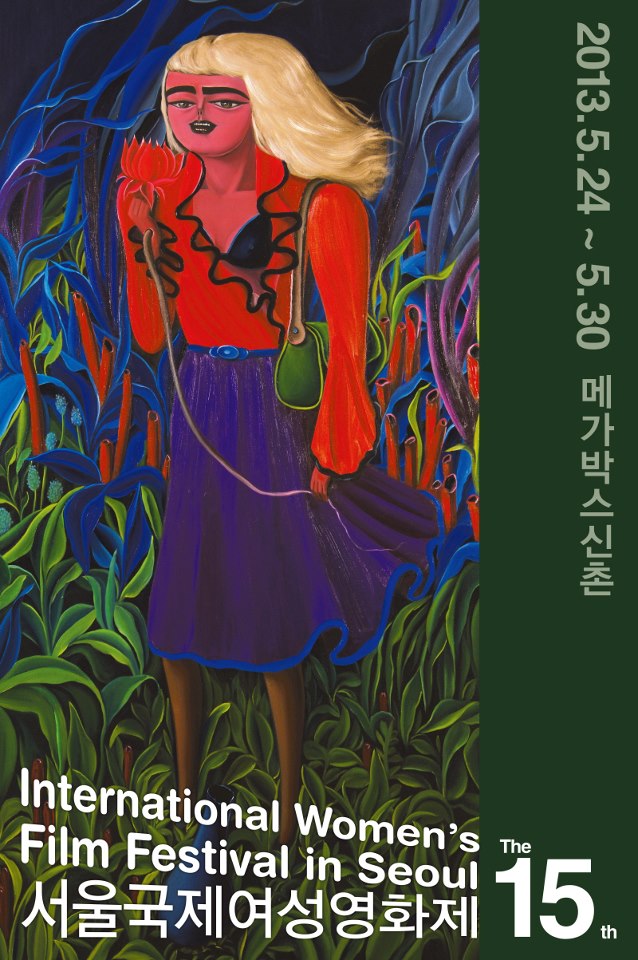
The 15th International Women's Film Festival in Seoul

WFFIS 2013: The 15th International Women’s Film Festival in Seoul – New Currents

The 15th International Women's Film Festival in Seoul

The 15th International Women’s Film Festival in Seoul

The 15th installment of the International Women’s Film Festival in Seoul (WFFIS) is due to commence from May the 24th to the 30th, in the trendy Sinchon district of the capital. With the catchphrase, “see the world through women’s eyes!”, the festival celebrates the achievements of female filmmakers throughout the world by screening an eclectic selection of films that focus on women’s issues.

The festival will launch with American director Sally Potter’s Ginger and Rosa, a film that explores the early days of feminism in 1960s London through the experiences of two teenage girls. From there, films from around the world will be shown that will promote and explore a variety of discourses.

For the full list of films you can visit the official website here, but for an in-depth look specifically at the Korean films in the festival – as well as the official WFFIS trailer – please see below.

New Currents Category

Grape Candy (청포도 사탕: 17년 전의 약속)

Grape Candy (청포도 사탕: 17년 전의 약속)

Grape Candy (청포도 사탕: 17년 전의 약속)

Director: Kim Hee-jung (김희정)

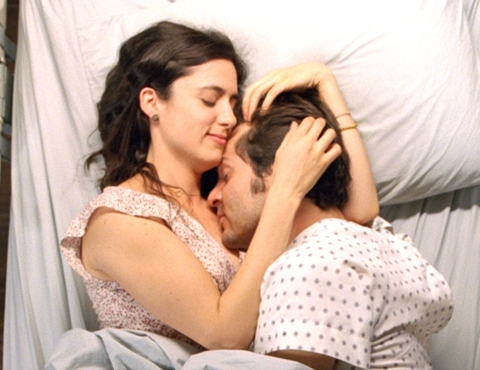
Synopsis: Released in 2012, director Kim Hee-jung’s independent drama Grape Candy explores the life of Sun-joo who is busy making preparations for her upcoming wedding. When her fiance is involved in an accident, she bumps into estranged middle school friend So-ra at the hospital and discovers the two are due to embark on a business trip together. Filled with jealousy, Sun-joo joins the trip but in doing so suppressed memories from the past begin to surface. See below for the trailer:

Love Games (연애놀이)

Love Games (연애놀이)

Love Games (연애놀이)

Director: Joung Yu-mi (정유미)

Synopsis: This animated 16 minute short film portrays the different kinds of games that couples play to bring them closer together, from mundane picnic events to more exciting endeavours.

Modern Family (가족시네마 )

Modern Family (가족시네마 )

Modern Family (가족시네마 )

Directors: Shin Su-won (신수원), Lee Soo-yeon (이수연), Kim Seong-ho (김성호), Hong Ji-young (홍지영)

Synopsis: Omnibus film Modern Family is comprised of 4 shorts that examine the family unit. In Circle Line, director Shin Su-won depicts the life of an unemployed middle-aged man. Director Lee Soo-yeon depicts the possible future of motherhood in E.D.571, involving a woman in 2030 who sold her eggs to repay student loans. In Good Company is about pregnant women in the workplace by director Kim Seong-ho. Finally director Hong Ji-young explores family trauma in Star-shaped Stain.

Circle Line (순환선)

Circle Line (순환선)

E.D.571

E.D.571

In Good Company (인 굿 컴퍼니 )

In Good Company (인 굿 컴퍼니 )

Star-shaped Stain (별 모양의 얼룩)
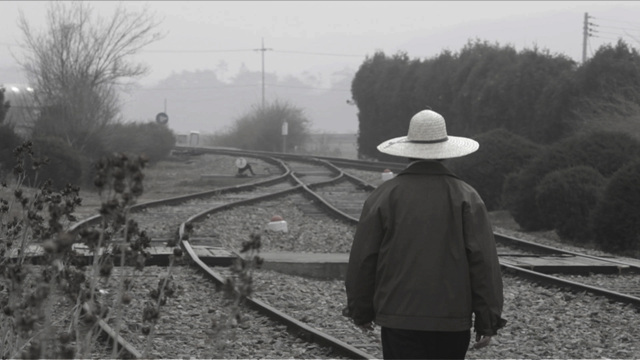
Star-shaped Stain (별 모양의 얼룩)


My Father's Emails (아버지의 이메일)

My Father’s Emails (아버지의 이메일)

 My Father’s Emails (아버지의 이메일)

Director: Hong Jae-hee (홍재희)

Synopsis: My Father’s Emails is an autobiographical documentary based on the life of director Hong’s father, who wrote an email detailing his experiences through periods of Korean history.
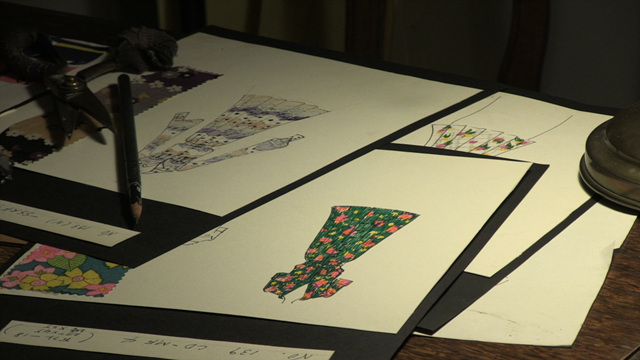
Nora Noh (노라노)

Nora Noh (노라노)

Nora Noh (노라노)

Director: Kim Sung-hee (김성희)

Synopsis: Fashion designer Nora Noh is the subject of this documentary. Her importance in the world of fashion as the first person in Korea to hold a fashion show, as well as her other contributions, are explored and profiled.

Pluto (명왕성)

Pluto (명왕성)

Pluto (명왕성)

Director: Shin Su-won (신수원)

Synopsis: Festival favourite Pluto has garnered a lot of positive critical response since its premiere at the Busan Film Festival in 2012. The film explores the incredible pressure and bullying that transpires in Korean high schools, as well as the power wielded – and abused – by elite students. While several films have tackled the challenging subject matter, Pluto‘s originality and powerful resonance has led to invitations to international festivals including Hong Kong and Berlin. See the trailer below:

Tour of Duty (거미의 땅)

Tour of Duty (거미의 땅)

Tour of Duty (거미의 땅)

Director: Kim Dong-ryung (김동령), Park Kyoung-tae (박경태)

Synopsis: Documentary Tour of Duty examines a dilapidated camp town that once hosted the US military. Directors Kim and Park follow 3 women, and reveal their secrets and memories.
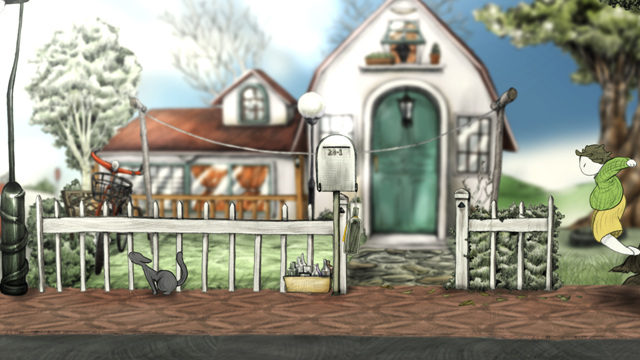
You Were So Precious (너무 소중했던, 당신)

You Were So Precious (너무 소중했던, 당신)

You Were So Precious (너무 소중했던, 당신)

Director: Baek Mi-young (백미영)

Synopsis: This animated co-production with France portrays an underground world where forgotten things dwell. When a child monk decides to return one to its owner, events are set in motion.

Festival News International Women's Film Festival in Seoul (서울국제여성영화제) Korean Festivals 2013
The otherworldly landscapes are beautifully realised

Lebanon Emotion (레바논 감정) – ★★★★☆

Lebanon Emotion (레바논 감정)

Lebanon Emotion (레바논 감정)

Receiving its world premiere at the 2013 14th Jeonju International Film Festival, Lebanon Emotion (레바논 감정) quickly began to earn praise amongst audiences and critics alike. Director Jung Young-heon’s (정영헌) poignant tale of a man unable to come to terms with his mother’s death and a woman on the run is a wonderful dramatic thriller, featuring sincere and moving performances as the complex lives of the characters within become evermore intertwined. The director’s history as a cinematographer is also readily apparent throughout as the film contains some genuinely gorgeous visuals, which also serve to be deeply symbolic of the main protagonists. While a few plot holes and structural imbalances stop it from being a perfect film, with Lebanon Emotion director Jung has established himself as a Korean filmmaker to watch.

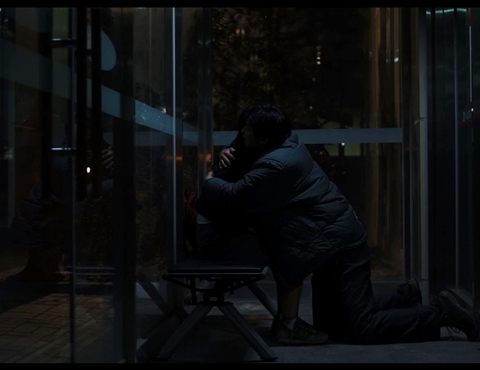
The central protagonist attempts to accept his mother's death

The central protagonist attempts to accept his mother’s death

Seeking solace at a friend’s country home, a man plans his suicide due to his inability to cope with his mother’s death. Yet while taking a stroll in the mountains he hears the scream of a woman who has stepped on a deer trap, and takes her home to nurse her back to health. As they become more acquainted the unlikely couple start to realize they share several things in common, while the kindness they experience from each other is unprecedented. Yet little do either of them know that the woman’s past is catching up to them in the form of her brutal gangster ex-boyfriend, and he is far from happy.

One of the great strengths of Lebanon Emotion are the themes that it explores through the central protagonists. The grief inhabited by the man is palpable, with his depression and insular mannerisms acutely alluding to his turmoil. His reconstruction of his mother’s death is heartbreakingly poignant, as are his breakdowns when faced with the reality of the situation. Similarly issues of survival are inherent to the woman’s struggle. Fresh out of prison and with nowhere to go, the strength and resilience that she employs are wonderfully conveyed without ever becoming cliche. The contrast between the characters is also a delightful reversal of traditional gendered roles, where the emotional/homestead and physical/drifter realms are exchanged. Such work could be so easily undermined when placing the two characters together, but luckily contrivances are rejected and in its place a complex relationship develops through the slow and natural discovery of each other’s personalities.
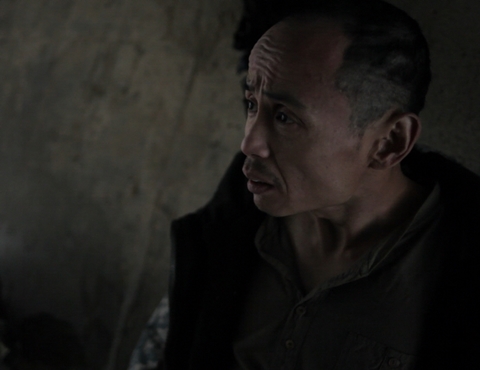
The arrival of the woman begins a chain of unexpected events

The arrival of the woman begins a chain of unexpected events

The otherworldly landscapes further serve as potent symbolism for the man and woman. The winter environments are stunning and drained of colour, and director Jung makes effective use of locations in regard to each character. While the lack of colour heightens the depression and emotional distress of the man, the snow covered land becomes a challenge for survival for the woman. The area surrounding the country home is a construction site, a place that initially embodies the dismantling of a life yet through the relationship that develops comes to convey the construction of one. Director Jung wisely makes use of each area, adding further surrealism with the inclusion of dream sequences that add even greater insight to not only the protagonists, but also as a comment on the meaning of life.

Yet Lebanon Emotion is not solely concerned with deep, existential issues. The inclusion of the woman’s ex-boyfriend adds incredible tension to the proceedings as he gets ever closer to discovering her location, placing her relationship with the man on a timer. The suspense and tension generated whenever the gangster is on screen is quite chilling, while the brutality that occurs is highly effective due to the threat rather than the action. The danger and impact of such violence on the lives of those involved makes the story continually compelling and engaging, and acts as an interesting debate on the nature of masculinity.
The otherworldly landscapes are beautifully realised

The otherworldly landscapes are beautifully realised

Verdict:

Lebanon Emotion is certainly one of the best films to emerge from the 2013 Jeonju International Film Festival. With an engrossing story involving the nature of grief, the challenges of survival, and the threat of external violence, the film never ceases to be compelling as two seemingly disparate people come together through suffering. Director Jung Young-heon’s keen visual sensibilities are stunningly realised through the lovely cinematography, making for an attractive and insightful film.

★★★★☆

Jeonju International Film Festival (제14회 전주국제영화제) Korean Festivals 2013 Reviews
Breathe Me (울게 하소서)

JIFF 2013: Quick Fire Reviews 4

Further quick fire reviews from the 14th Jeonju International Film Festival.

Breathe Me (울게 하소서)

Breathe Me (울게 하소서)

Breathe Me (울게 하소서) – ★★★★☆

Far too often, scandalous headlines of teen pregnancy and mothers abandoning their children in horrific ways fill Korean media. It’s therefore quite brave of director Han Eun-young (한은영) to produce a film about both issues in this 20 minute short, particularly as it is staged from the perspective of the teens themselves. The result is an incredibly engaging and compelling film, one that is so enthralling that it feels more like 5 minutes than the actual running time. As high school girl A-young has her baby in secret, director Han effectively uses the dim lighting and locations very well in constructing the loneliness and isolation of the situation, contrasted well with the panic and adrenaline-induced scenes of her boyfriend as he attempts to find her. Rather than provide excuses, director Han conveys how the fear of the situation leads the teens to make illogical choices that jeopardize them all. While more information about the central protagonists, and a longer running time, would have made Breathe Me a stronger short, the film is a powerful piece and one that is timely.

Dear Dolphin (환상속의 그대)

Dear Dolphin (환상속의 그대)

Dear Dolphin (환상속의 그대) – ★★★☆☆

Director Kang Ji-na’s (강진아) Dear Dolphin examines the grief, and the illogical sense of guilt, that follows the death of a loved one. Such weighty subject matter is given a sense of surrealism with the inclusion of water symbolism and hallucinations brought on by insomnia, as the narrative conveys how loving memories and emotions can become poison through the refusal of acceptance. For the most part director Kang succeeds in capturing the psychological devastation and the difficulty in moving on, yet the narrative structure is also responsible for lessening the poignancy of the message. As the story often jumps between time frames without much notice, as well as the stylistic changes and the picking up and dropping of subplots at whim, it becomes difficult to fully connect with the central protagonists and to feel their trauma. Perhaps this is intentional in order to keep the film ‘light’ despite the complex subject matter, but the result is one that distances audiences from the raw emotional power that the film attempts yet never fully manages to conceive. A thought-provoking film.

Festival News Jeonju International Film Festival (제14회 전주국제영화제) Korean Festivals 2013
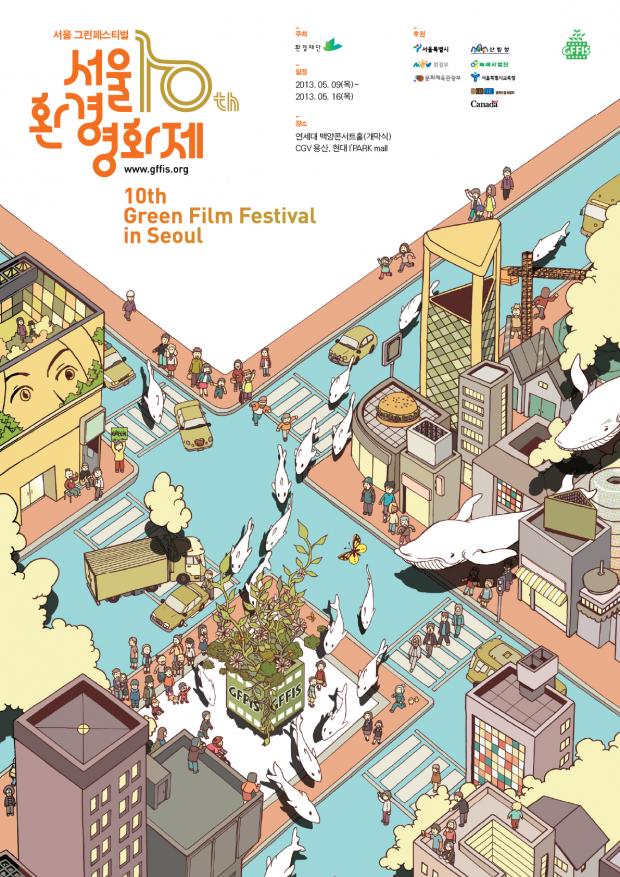
The 10th Green Film Festival in Seoul

GFFIS 2013: The 10th Green Film Festival in Seoul

The 10th Green Film Festival in Seoul

The 10th Green Film Festival in Seoul

Kicking off on the 9th of May and running through until the 16th, the 10th Green Film Festival in Seoul (GFFIS) will take place at CGV cinemas in Yongsan. The festival screens films that highlight environmental matters from all over the world, ranging from GMO foods to corporate corruption, animal welfare to government protesting, and that great variety continues to be present within the 2013 edition.

Opening with the Matt Damon starring Promised Land, directed by Gus Van Sant, the festival boasts an impressive array of international screenings. For the full list of films please visit the official website here (in Korean), however featured below are the Korean entries that will emphasize the environmental issues occurring within the country.

But first, be sure to check out the official trailer for the festival:

Korean Films

International Environmental Film Category

Forest Dancing (춤추는 숲)

Forest Dancing (춤추는 숲)

Forest Dancing (춤추는 숲)

Director: Kang Seok-pil (강석필)

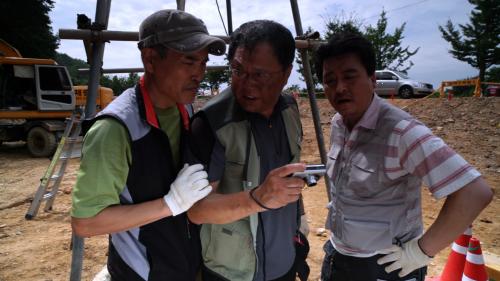
Synopsis: The documentary follows the residents of a small village community in Seoul, who protest against a building project that will raze part of a mountain to make way for a private academy.

Korean Environment Category:

Boiler (남양주는 모른다)

Boiler (남양주는 모른다)

Boiler (남양주는 모른다)

Director: Lee Hyun-Ji (이현지)

Synopsis: Fictional film Boiler explores the lives of a handful of binge drinking tunnel laborers. Their mundane existence is changed however when they discover something underground while working.

Cats and Dogs (그 강아지 그 고양이)

Cats and Dogs (그 강아지 그 고양이)

Cats and Dogs (그 강아지 그 고양이)

Director: Min Byung-Woo (민병우)

Synopsis: The first film to be shot entirely using the iphone 4s, this romantic-comedy depicts the lives of two pet owners and their relationships.

Cats in the Pool (수영장의 고양이들)

Cats in the Pool (수영장의 고양이들)

Cats in the Pool (수영장의 고양이들)

Director: Kim Bo-Kyoung (김보경)

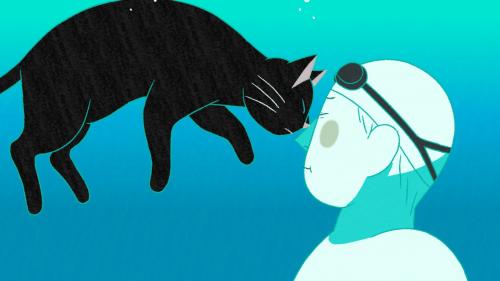
Synopsis: In this animated short, a man hits a cat while driving. The guilt of the event causes him to hallucinate the cat – and other felines – wherever he goes.

Cement Town Tragedy (투구꽃 그 마을)

Cement Town Tragedy (투구꽃 그 마을)

Cement Town Tragedy (투구꽃 그 마을)

Director: Oh Kyu-Ik (오규익)

Synopsis: The documentary examines a small town and the impact of a cement plant built 50 years ago, and the fallout of hazardous materials on the health of the community.

Cruel Inheritance - Heredity (잔인한 내림 – 遺傳)

Cruel Inheritance – Heredity (잔인한 내림 – 遺傳)

Cruel Inheritance – Heredity (잔인한 내림 – 遺傳)

Director: Kim Hwan-Tae (김환태)

Synopsis: Cruel Inheritance is a documentary concerned with the ramifications of the atomic energy and bombs, from Hiroshima in 1945 through to Fukushima in 2011.

Fog and Smoke (안개와 연기)

Fog and Smoke (안개와 연기)

Fog and Smoke (안개와 연기)

Director: Cha Jea-Min (차재민)

Synopsis: Experimental film Fog and Smoke explores the complicated and intense emotions involved in the development of a city in the port of Incheon., including issues related to the financial crisis.

Green Slime (녹색물질)

Green Slime (녹색물질)

Green Slime (녹색물질)

Director: Kwon Oh-Kwang (권오광)

Synopsis: This 12 minute short fiction film portrays a group of friends who reunite in a bar, and recount their childhood story involving a ‘green monster’.

The Hours of Tree (나무의 시간)

The Hours of Tree (나무의 시간)

The Hours of Tree (나무의 시간)

Director: Jeong Da-Hee (정다희)

Synopsis: Exploring the life of trees across seasons and beyond, this animated short is concerned with the way life unfolds and develops for vegetation, and the very meaning of existence.

KBS Environment Special; Experiment Excrement (KBS 환경스페셜: 똥을 실험하다)

KBS Environment Special; Experiment Excrement (KBS 환경스페셜: 똥을 실험하다)

KBS Environment Special; Experiment Excrement (KBS 환경스페셜: 똥을 실험하다)

Director: Shin Dong-Man (신동만)

Synopsis: The environmental impact of human waste is examined in this KBS documentary, portraying the thoughtless consumption of materials every time a person flushes the toilet.

A Monster in the Reservoir (저수지의 괴물)

A Monster in the Reservoir (저수지의 괴물)

A Monster in the Reservoir (저수지의 괴물)

Director: Lee Sung-Gang (이성강)

Synopsis: The life of a monster who dwells in a reservoir is portrayed in this animated short. When human development approaches, the monster’s home is threatened.

Paldang (팔당 사람들)

Paldang (팔당 사람들)

Paldang (팔당 사람들)

Director: Kauh Eun-Jin (고은진)

Synopsis: Paldang examines the issues involved in farming in contemporary Korea, from government subsidies to organic farming and wind power, and the conflicts that arise.

Souvenir Animation

Souvenir Animation

Souvenir Animation

Director: Kang Min-ji (강민지)

Synopsis: This 11 minute animated film explores the keepsakes and mementos that are obtained over time through traveling. The photos and ornaments from trips in different times state the importance of travel.

Sweet Temptation (잘 먹고 잘 사는 법)

Sweet Temptation (잘 먹고 잘 사는 법)

Sweet Temptation (잘 먹고 잘 사는 법)

Director: Jeong Han-Jin (정한진)

Synopsis: A young boy who had previously only consumed organic foods is suddenly introduced to chocolate, and begins to question his lifestyle.

Talking Architecture, City:Hall (말하는 건축, 시티:홀)

Talking Architecture, City:Hall (말하는 건축, 시티:홀)

Talking Architecture, City:Hall (말하는 건축, 시티:홀)

Director: Jeong Jae-eun (정재은)

Synopsis: The difficulties of the new city hall project in Seoul are captured in this documentary, exemplifying the struggle of old versus new.

Who Made It? (누가 만들었을까?)

Who Made It? (누가 만들었을까?)

Who Made It? (누가 만들었을까?)

Director: Ji Tae-kyoung (지태경)

Synopsis: The beautiful landscapes of Jeju Island are the focus of this documentary. The people of Jeju and their relationship to the surroundings are also featured, alongside Jeju musicians.

Festival News Green Film Festival in Seoul (제10회 서울환경영화제) Korean Festivals 2013
Shibata and Nagao (시바타와 나가오)

JIFF 2013: Quick Fire Reviews 3

More quick fire reviews from the 14th Jeonju International Film Festival.

Inertia

Inertia

Inertia – 6/10

This Mexican hospital drama has an extremely heartfelt script, as the nature of love and sacrifice are explored. Central protagonist Lucia accidently runs into her ex-boyfriend Felipe who, thanks to failing kidneys, has momentary lapses in coherence. As she decides to take care of him the two discover feelings that they thought were long gone, yet Felipe’s increasingly volatile state causes further heartache. Director Isabel Munoz Cota competently helms the drama, yet there is always a distance between the audience and the characters, a critical issue for such an emotional story. Similarly the acting is also adequate, but the roles demand much more skill and nuance than what is provided. Inertia is a well-made film that doesn’t quite manage to fulfill the potential of the script.

Burn, Release, Explode, The Invincible (연소, 석방, 폭발, 대적할 이가 없는)

Burn, Release, Explode, The Invincible (연소, 석방, 폭발, 대적할 이가 없는)

Burn, Release, Explode, The Invincible (연소, 석방, 폭발, 대적할 이가 없는) – 4/10

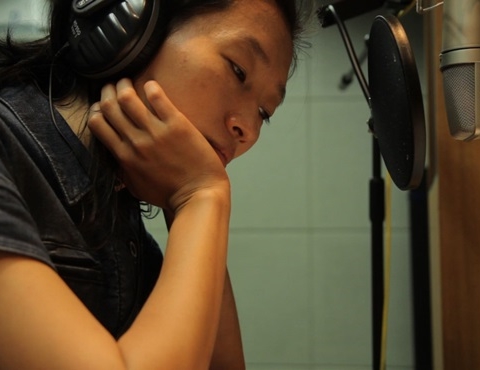
Director Kim Su-hyun  (김수현) blends a variety of generic conventions within Burn, Release, Explode, The Invincible, merging drama, documentary, and experimental forms. The result is an odd tale about a woman with an androgynistic voice, who is in high demand for voice over work due to her authoritative yet soft vocal style. Her gift is also her curse however as the pressures surrounding her impact her mental stability. In terms of technique it’s a well-made film, yet the story is difficult to follow and the central protagonist hard to empathize with given the disparate conventions and non-linear storytelling. The finale is also quite odd as traditional Korean performances are introduced to express freedom. An interesting film, but also one that’s difficult to become immersed in.

Shibata and Nagao (시바타와 나가오)

Shibata and Nagao (시바타와 나가오)

Shibata and Nagao (시바타와 나가오) – 6/10

While his last film Breathless was a mesmerizing exploration of social class and the nature of violence, director Yang Ik-june (양익준) opts for a very different approach with romantic drama Shibata and Nagao. Filmed in Japanese, the film explores ex-lovers who meet again following a later break-up. Director Yang’s style is soft and tender as he examines the feelings that still exist between them, but it is also frustratingly slow-paced as very little information about them is revealed. There are some lovely moments that arise, as well as comedic – they discuss if a loud, violent couple are Korean – and it is thought-provoking in regards to unresolved/unrequited emotions. There’s a sense that there is a larger story not shown which is a shame. A lovely, yet slow-paced film.
Festival News Jeonju International Film Festival (제14회 전주국제영화제) Korean Festivals 2013 Reviews
Mr. Vertigo (축지법과 비행술)

JIFF 2013: Quick Fire Reviews 2

Quick fire reviews from the 14th Jeonju International Film Festival.

Lebanon Emotion (레바논 감정)

Lebanon Emotion (레바논 감정)

Lebanon Emotion (레바논 감정) – 8/10

Lebanon Emotion is without a doubt one of the best films at the festival, and certainly a strong contender for best film in the Korean Film Competition category. Director Jung Young-heon (정영헌) has cemented his position as a film-making talent to watch, following his best director win for short film Hard Boiled Jesus at JIFF 2012. In Lebanon Emotion the director explores a great variety of themes throughout the drama/thriller narrative including suicide, guilt, survival, and purpose, against the backdrop of winter in the countryside. Director Jung’s prior history with cinematography is clearly apparent as the landscapes and settings are very attractive throughout. Yet what makes the film so powerful is the characterisation, and the wonderful performances given by the central cast who are continually poignant and compelling. Recommended viewing.

Mr. Vertigo (축지법과 비행술)

Mr. Vertigo (축지법과 비행술)

Mr. Vertigo (축지법과 비행술) – 5/10

Mr. Vertigo promised to be one of the more quirky offerings at the festival, yet only partially succeeds. This is wholly due to actor Oh Dal-su who performs the role of a roguish ‘air-walking’ master who takes on a new student. Oh Dal-su has played plenty of similar characters in the past and while he tries to squeeze as much out of the master as he can, there isn’t really enough material for him to do so. The main protagonist is actually his disciple, a frustrated bookish young man who seeks something new and fulfilling. Again however, director Lee Kyung-sub (이경섭) doesn’t provide much information or fully convey his anxieties, resulting in a lack of engagement. A mildly entertaining film that doesn’t capitalize on its premise.

Timing (타이밍)

Timing (타이밍)

 Timing (타이밍) – 5/10

As the title implies, Timing features some of the ironic features of life that tend to occur at the most inconvenient of moments. The narrative conveys the frustrations of a career woman recently diagnosed with cancer, and the events that transpire as a result. She explodes at her boss in a business meeting; an ex-lover appears out of concern; financial and health issues, and so forth. The film becomes quite episodic due to this approach, and as such it’s difficult to really align with the protagonist and feel the anguish she endures. The character is also not particularly likable due to her initial selfishness. However director Kim Ji-Yeon (김지연) manages to cram an awful lot of material into the 21 minute running and is quite insightful at times, although she could have benefitted much more by making it a feature.

The Woman (그 여자)

The Woman (그 여자)

The Woman (그 여자) – 5/10

With the transsexual experience vastly underrepresented in Korean cinema, The Woman had the potential to shine a light on important issues yet only partially succeeds. The narrative follows Yoon-hee as she goes about her daily life, until her older brother pays a visit to inform her of their mother’s illness. Unfortunately director Jo Mee-hye (조미혜) takes nearly all the running time just to get to this point, generally meandering as Yoon-hee delivers milk on her rounds. There is a wealth of material within the film that is just never explored – Yoon-hee’s status as an outsider, her obviously fraught relationship with her husband, the extremely strained familial history – and as such only scrapes the surface of the potential on offer. The Woman is an interesting yet superficial film, and a missed opportunity.

Echo of Dragon (용문)

Echo of Dragon (용문)

Echo of Dragon (용문) – 3/10

Fans of experimental and art house cinema will find much to love with director Lee Hyun-jung’s (이현정) Echo of Dragon, due to the highly symbolic features that run rampant throughout. For everyone else, the film is pretentious, self-indulgent and utterly absurd. The film does feature moments of beautiful cinematography although they are often sporadic, while narrative elements are started and dropped without any warning. Ironically it is a different director, Lee Sang-woo, who steals the show in his performance as a possibly mentally unhinged drifter. He provides much-needed levity and focus to the film, and is genuinely funny yet also hints at a greater depth that goes unexplored. The film is highly symbolic, but also frustratingly bizarre.

Garibong (가리봉)

Garibong (가리봉)

Garibong (가리봉) – 5/10

Director Park Ki-yong (박기용) has produced a documentary in the very literal sense of the word with Garibong, as he ‘documents’ areas within the titular district in which Chinese immigrants reside. The cinematography is superb, capturing the sense of dislocation of the area from the surrounding Seoul districts and the squalid, dilapidated buildings convey palpable depression. Often, he film evokes scenes from sci-fi classic Blade Runner. Yet despite the attractive visual prowess, the film is quite dull as there are no people or stories to follow, and therefore no opportunity to become fully engaged within the world of Garibong. The static camera is both a blessing and a curse, as while it captures the alleys and lifestyle there is always a distance between it and the residents. Ultimately the documentary is visually attractive, but lacking compulsion.

Festival News Jeonju International Film Festival (제14회 전주국제영화제) Korean Festivals 2013 Reviews
Cheer Up Mr. Lee (힘내세요, 병헌씨)

JIFF 2013: Quick Fire Reviews 1

With such a great variety films to see at the 14th Jeonju International Film Festival, and precious little time to write full reviews, here is the first in a series of ‘Quick Fire Reviews’ from the festival.

Groggy Summer (그로기 썸머)

Groggy Summer (그로기 썸머)

Groggy Summer (그로기 썸머) ★★☆☆☆

Groggy Summer depicts the life of frustrated teenage poet Min-joon, whose poverty-stricken lifestyle leads him to despair. Misunderstood by his parents, the young man finds solace with his friends who are similarly displaced social outcasts. The story is a very interesting one, and director Yun Su-ik (윤수익) initially does well in conveying the difficulties of being a creative person in Korean society.  As the film continues Min-joon is constantly beaten down by the trappings of capitalist society, where money is the solution at every turn. Yet the film doesn’t really explore any of the features in great detail, instead seeking to add more and more different challenges to Min-joon’s life, which results in a loss of focus and invites predictability. There are also intriguing parallels to be had with his artistic father, which unfortunately are not capitalised on. The major issues with Groggy Summer are the camerawork and editing. While the mixture of close-ups and extreme close-ups creates intimacy and provides a penetrating exploration of emotion, it also makes for uncomfortable viewing as the world in which Min-joon inhabits is not fully portrayed. The intensity of this style helps to convey frustration, but when used in conjunction with highly kinetic hand-held camera movement the result is dizziness and nausea. The editing also detracts from the story as it noticeably jumps in several areas. The story has a lot of potential and shows promise, yet the filmmaking techniques detract from the experience.

Cheer Up Mr. Lee (힘내세요, 병헌씨)

Cheer Up Mr. Lee (힘내세요, 병헌씨)

Cheer Up Mr. Lee (힘내세요, 병헌씨) – ★★★☆☆

A mockumentary about an aspiring but lazy director, Cheer Up Mr. Lee is a very funny examination of Korean dramas and documentaries. Based on the life of the director, Lee Byeong-hun (이병헌), the film wonderfully pokes fun at the contrived cinematic conventions to be seen in Korean media in a variety of ways. The central protagonist and his friends are very amusing as they are all losers who berate each other for fun instead of working hard to achieve their dreams, while the frustrations of the documentary team as the follow them are comedic. This postmodern sensibility extends to the awareness of filmic conventions, as Byeong-hun berates the film crew for employing techniques such as music during crises. Yet while the film begins strongly the narrative and comedy aren’t consistent, and as such the film often flits between fun and dull points as the focus is repeatedly found then lost. The second act suffers acutely in this regard, especially as the team travel to Busan. Luckily the film picks up towards the end, where the director pokes fun at short film and art film conventions, as he makes his debut in a very comedic manner. A fun film that often loses focus, yet very entertaining.

Karaoke Girl

Karaoke Girl

Karaoke Girl – ★★★☆☆

Thai director Visra Vichit Vadakan has produced a fascinating insight into the life of young Thai women who find themselves working in the seedy bars of Bangkok. The film explores the life of Sa, a 22 year old woman who moved from the country to the capital in order to find work and money, yet did so at the expense of her happiness. Karaoke Girl is not a depressing effort however, as while Sa is treated terribly by her on-again-off-again boyfriend director Vadakan portrays the young woman as strong and passionate, and that she understands she deserves more than what life has provided for her. Sa’s spirit drives the film, and the actress is talented and engaging throughout. The director also wisely steers clear of any sexual content that could have so easily been included and instead focuses on Sa’s journey as she becomes stronger. Yet Karaoke Girl suffers from the mixture of drama and documentary techniques that occur throughout, never managing to fully blend them into a coherent whole which ultimately detracts from the viewing experience. The film jumps from following Sa’s life, which is utterly engaging, to interviewing her family in the countryside, and draws the audience out of the film. This is a genuine shame as Sa is an intriguing character/real life subject.

Juvenile Offender (범죄소년)

Juvenile Offender (범죄소년)

Juvenile Offender (범죄소년) – ★★★★☆

With a story concerned with the abandonment of youth, Juvenile Offender is a highly poignant and engaging drama. Director Kang Yi-kwan (강이관) explores several very important and timely social issues within Korean society, including teenage pregnancy, parental abandonment, poor social care, unfair legal system, and misunderstood youth. The film follows Jin-gu, a teenage who lives with his elderly grandfather. Falling into the wrong crowd and with anger problems, Jin-gu quickly earns a criminal record and finds himself in a detention center. When his mother, who was thought to be dead, surfaces to take him in, their relationship is explored as the two struggle to overcome their own strife as well as to forge a relationship. Director Kang deftly sidesteps any melodrama and the film emerges the stronger for it, while the powerful performances by both Seo Yeong-joo (서영주) as Jin-gu and Lee Jeong-hyeon (이정현) as his mother are captivating. While it feels unfair to comment negatively on appearance, Lee Jeong-hyeon’s quite obvious plastic surgery detracts from her role as a teenage mother with a criminal past. The youthfulness of her face appears similar to her son, which invites some oedipal anxieties at certain points. The film also somewhat loses track as it draws to a close, seemingly unsure how to wrap up so many issues and ends rather abruptly, yet it is also quite fitting. A powerful and timely film.

Jeonju International Film Festival (제14회 전주국제영화제) Korean Festivals 2013 Reviews
JIFF 2013

JIFF 2013: Korean Short Film Competition – Part 2

JIFF 2013

JIFF 2013

In part 1 of the examination of the 14th Jeonju Film Festival’s Korean Short Film Competition, 10 of the shorts were profiled and discussed. There are an interesting range of shorts in competition this year, including some animated entries and some experimental filmmaking, although for most there appears to be a real social-realist heart at the core of most of the films, particularly in regards to youth. Contemporary issues including teenage pregnancy, young runaways, extreme shyness, disillusioned youth, and the political impact on young minds are prominent issues at this year’s festival, and it’s really interesting to see such a strong devotion to youth issues.

This second part of the feature on the Short Film Competition explores the final 10 shorts within the category. As with the first part, youth issues seem to be the primary focus alongside more experimental fare and looks to be a very interesting lineup.

No More No Less (더도 말고 덜도 말고)

No More No Less (더도 말고 덜도 말고)

No More No Less (더도 말고 덜도 말고)

Director: Lim Oh-jeong (임오정)

Synopsis: The film explores the lives of teenage girls in contemporary Korea through the theft of an ipod, which brings to light issues of trust, jealousy, and companionship. The highly competitive and stressful life of Korean high school girls is potent material, and this film could shine a new perspective on a timely subject.

Phase (상)

Phase (상)

Phase (상)

Director: Oh Min-wook (오민욱)

Synopsis: Another experimental addition to the lineup, Phase is concerned with ‘images that mutate’ by employing abstract images, footage from historical events, and phrases and mottos. The images that are circulating are quite attractive, and it will be interesting to see how director Oh uses them.

Road Movie (로드 무비)

Road Movie (로드 무비)

Road Movie (로드 무비)

Director: Jung Nam (정남)

Synopsis: Experimental film Road Movie ‘portrays the existential base of film’ by utilising cinematic conventions in exploring the medium. Light, shadow and motion are used in conjunction with editing techniques as the film moves along a course.

Sisibibi (시시비비)

Sisibibi (시시비비)

Sisibibi (시시비비)

Director: Jung Jee-hyung (정지형)

Synopsis: Sisibibi explores the notion of contemporary masculinity through two drunk central protagonists. Their discussion about what defines masculinity and what women are looking for, results into a competition. Contemporary Korean masculinity is complicated to say the least, so this could highlight some interesting issues.

Sweet Temptation (잘 먹고 잘 사는 법)

Sweet Temptation (잘 먹고 잘 사는 법)

Sweet Temptation (잘 먹고 잘 사는 법)

Director: Jeong Han-Jin (정한진)

Synopsis: This short has an intriguing premise, as a young boy who has only had a diet consisting of natural foods is suddenly introduced to chocolate. Themes of parental trust and ‘blind faith’ are explored as the boy becomes open to new possibilities. Symbolic and timely material due to the generation gap.

The Sound of Rain (빗소리)

The Sound of Rain (빗소리)

The Sound of Rain (빗소리)

Director: Kim Jin-hee (김진희)

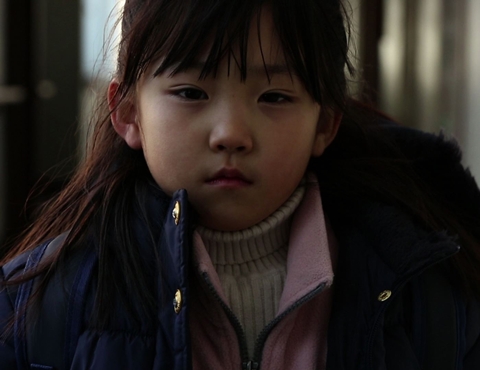
Synopsis: Exploring the fragility and innocence of the very young, The Sound of Rain depicts the anxieties of a kindergarten girl who has gone to school without an umbrella on a rainy day. Parental responsibilities and maternal abandonment are key themes within the film, and emphasize a growing social problem.

The Wish (주희)

The Wish (주희)

The Wish (주희)

Director: Huh Jung (허정)

Synopsis: Another entry highlighting the social problems of teenage girls, The Wish explores the notion of popularity according to wealth in a middle school. When a supernatural ritual becomes fashionable at the school, jealousies and rivalries are examined.

Three Stories About Depth (깊이에의 강요)

Three Stories About Depth (깊이에의 강요)

Three Stories About Depth (깊이에의 강요)

Director: Choi Seung-chul (최승철)

Synopsis: This 9 minute short is divided into 3 ‘episodes’ that explore the cinematic techniques involving depth. Director Choi employs the theme of depth in a variety of ways, using the camera to penetrate different realms of distance, and could be potentially illuminating.

Trunk (트렁크)

Trunk (트렁크)

Trunk (트렁크)

Director: Kim Hyeon-cheol (김현철)

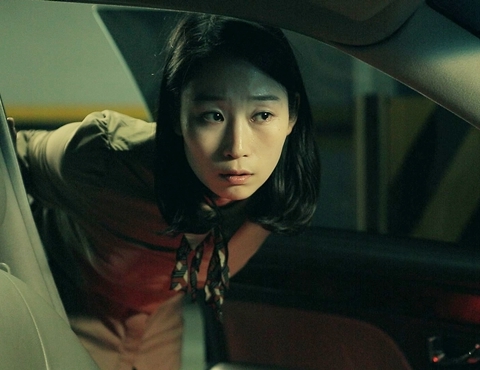
Synopsis: One of the more traditional genre entries, Trunk appear to be a short thriller that involves a woman too curious for her own good. When she takes a peek inside a car trunk that has been left open, there are ramifications to be had. It will be interesting to see if director Kim can fulfill the tension that the synopsis suggests.

Two Gentlemen (두 신사)

Two Gentlemen (두 신사)

Two Gentlemen (두 신사)

Director: Park Jae-ok (박재옥)

Synopsis: Only the second animated entry this year, director Park’s Two Gentleman is quite a departure from the distinctly Korean issues explored by his peers. The film examines the snobbish nature of two French art critics as they quarrel over a painting, uses satire to do so.

Festival News Jeonju International Film Festival (제14회 전주국제영화제) Korean Festivals 2013
JIFF 2013

JIFF 2013: Korean Short Film Competition – Part 1

JIFF 2013

JIFF 2013

The  14th Jeonju International Film Festival received more applicants than ever before for the Korean Short Film Competition – a total of 589 films were submitted, quite an increase from the 500 or so short films that are typically submitted. Out of these, 20 finalists were chosen to compete for the Grand Prize and the 5 million KRW reward, as well as the Best Director Prize (3 million KRW) and the Special Jury Prize (2 million KRW).

This year features mostly dramatic films that focus on quite a diverse range of generational and societal issues in Korea, yet there are also a growing number of experimental films as well as two animated shorts.

In this first part focusing on the competition, 10 of the short films are profiled and exemplify the festival’s nature in putting a spotlight on new, raw talent and for pushing boundaries.

Breathe Me (울게 하소서)

Breathe Me (울게 하소서)

Breathe Me (울게 하소서)

Director: Han Eun-young (한은영)

Synopsis: Teenage pregnancy is a growing concern in Korea, particularly the secrecy in which it is shrouded. Director Han examines two such teens as they deliver their baby alone and the stark choices they face, in what looks to be a powerfully solemn drama.

Broken (부서진)

Broken (부서진)

Broken (부서진)

Director: Choi Jung-min (최정민)

Synopsis: One of the more experimental submissions, Broken is a ‘self-reflexive narration’ that employs and juxtaposes news text from the past with images from the present. Director Choi apparently seeks to create conflict between the words and pictures.

Family (패밀리)

Family (패밀리)

Family (패밀리)

Director: Jung Wook (정욱)

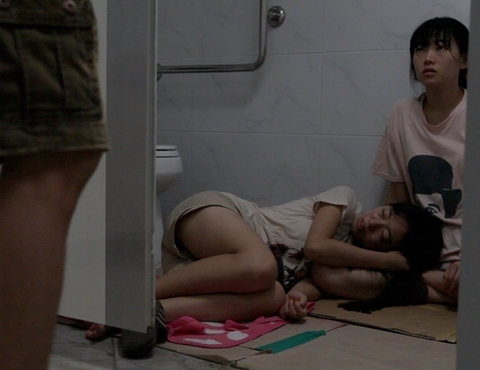
Synopsis: Family deals with a group of teenage runaways who have found accommodation in the form of a public bathroom. Director Jung explores their lives as they earn money illegally and continue their squalid existence, as well as the rejection from those supposed to protect them.

Flamenco Nina (플라멩코 소녀)

Flamenco Nina (플라멩코 소녀)

Flamenco Nina (플라멩코 소녀)

Director: Lee Chan-ho (이찬호)

Synopsis: The difficult life of extremely shy Jeong-hye is conveyed through this short, and the stresses she is unable to deal with prove a constant source of frustration. Yet she finds freedom of expression through dancing, suggesting this entry could be a feel-good character study.

Grecoroman (그레코로만)

Grecoroman (그레코로만)

Grecoroman (그레코로만)

Director: Shin Hyun-tak (신현탁)

Synopsis: One of few films to tackle issues of the older generation, Grecoroman is concerned with the notion of reputation as a security officer is branded a pervert for helping an epileptic child, which in turn prompts him to recall the promise of his youth.

Highs and Lows

Highs and Lows

Highs and Lows

Director: Yang Youn-hwa (양연화)

Synopsis: The first of only two animated entries, this 6 minute short focuses on the competitive nature of society and how people scramble to be on top. This is particularly relevant in Korean culture where competition begins very early, and it will be interesting to see it interpreted within animation.

I Have Nothing to Lose (낫씽 투 루즈)

I Have Nothing to Lose (낫씽 투 루즈)

I Have Nothing to Lose (낫씽 투 루즈)

Director: Seo Won-tae (서원태)

Synopsis: Another experimental entry, I Have Nothing to Lose blends images and text together to create ‘various strands of meaning’. At only 8 minutes it will be interesting to see what meanings director Seo manages to conjure, as well as what overall theme and/or message the film contains.

Late Summer in 1984 (나는 자랑스런 태극기 앞에)

Late Summer in 1984 (나는 자랑스런 태극기 앞에)

Late Summer in 1984 (나는 자랑스런 태극기 앞에)

Director: Yoo Yong-ji (유용지)

Synopsis: Elements of the capitalist/communist history of Korea are dealt with in director Yoo’s Late Summer in 1984, depicting a family that is torn apart by ideological differences through the perspective of a young boy. Potentially a very illuminating piece.

Mask and Mirror (가면과 거울)

Mask and Mirror (가면과 거울)

Mask and Mirror (가면과 거울)

Director: Min Byung-hun (민병훈)

Synopsis: Following the life of an elderly artist living in Paris, this short film delves into the issues of those in their twilight years. As the main protagonist is an artist, director Min uses experimental images to emphasize such thoughts on life and death.

My Sweet Home (열여덟 반,)

My Sweet Home (열여덟 반,)

My Sweet Home (열여덟 반,)

Director: Jung Seoung-oh (정승오)

Synopsis: A tale of a boy on the fringes, My Sweet Home conveys the life of a young man with little ambition who sports tenuous relationships with those around him.

Festival News Jeonju International Film Festival (제14회 전주국제영화제) Korean Festivals 2013
In the tournament, Deok-gyu gives his all in a bout with Mr. Turtle

Fists of Legend (전설의 주먹) – ★★★☆☆

Fist of Legend (전설의 주먹)

Fist of Legend (전설의 주먹)

Based on the popular web cartoon by Lee Jong-gyu and Lee Yoon-gyun, Fists of Legend (전설의 주먹) is the latest offering from prolific film-maker Kang Woo-seok (강우석). The premise is a simple one; three middle-aged men who were friends in high school find themselves down on their luck and, tempted by the prize money offered by a TV fighting show, find themselves reunited in the ring. As such the film evokes a Rocky Balboa/Warrior sensibility, with a dash of classic Korean gangster film Friend (친구) thrown in for good measure. Yet Fists of Legend never gets anywhere close to the quality of what inspired it, with a cliched and hackneyed narrative, awful TV drama-esque acting, and complete mis-use of the principal cast, while the overly-long running time adds further tedium. Luckily veteran actor Hwang Jeong-min (황정민) is on hand to elevate the film out of monotony, alongside the interesting flashback sequences. Yet there’s no escaping the fact that Fists of Legend is a big disappointment, and beneath all of the lead actors involved.

Tough, cynical producer Hong Gyu-min (Lee Yo-won (이요원) presides over a TV show which pits middle-aged men – who were ‘legendary fighters’ back in their youth – against each other in a mixed martial arts ring for entertainment. After receiving a tip-off, Gyu-min tracks down gentle noodle restaurant owner Im Deok-gyu (Hwang Jeong-min (황정민), who was known as a talented boxer in his youth. In need of money following an incident involving his daughter, Deok-gyu reluctantly agrees to fight and surprises everyone when he emerges victorious. However his winning streak starts a series of events that sees former friends and rivals in the form of salaryman Lee Sang-hoon (Yoo Jun-sang (유준상) and gangster Shin Jae-seok (Yoon Je-moon (윤제문) enter the tournament, while the unearthing of his checkered past brings difficulty for Deok-gyu and his family.

In need of money, widowed restaurant owner Deok-gyu accepts the producer's challenge

In need of money, widowed restaurant owner Deok-gyu accepts the producer’s challenge

Fists of Legend begins well as it gloriously parodies middle-aged masculinity, featuring high-octane action sequences of svelte teenage fighters who give way to their chubby older counterparts battling on TV. The subversion of the action genre is highly entertaining as the fighters, described as teenage legends, are publicly beaten and humiliated as they attempt to prove their manliness. The comedy derived from such sequences is a fun way to introduce the concept of the show, and sets up the narrative well for the introduction of the central protagonists. Yet the film falters almost immediately in doing so as Lee Yo-won ridiculously overacts as producer Hong Gyu-min, spouting clunky dialogue about her resilience and tenacity as well as what constitutes a ‘real man’ in the attempt to recruit Deok-gyu for the show. Deok-gyu is, for all intents and purposes, the Korean Rocky Balboa; not particularly bright yet kind-hearted, widowed, and with a precocious child, the aged fighter is down-on-his-luck in every respect. Actor Hwang Jeong-min injects real heart into the role, squeezing every nuance he can muster from the character to generate sincere charisma and likability. His quality is such that whenever he comes into contact with other characters the result is often cringe-inducing, as the overacting by the supporting cast – especially Lee Yo-won and Deok-gyu’s daughter – appears even worse next to Hwang’s calm and mediated approach. Indeed, it is largely due to Hwang that Fists of Legend is engaging at all, as the journey he undertakes in which he is forced to reevaluate his past is compelling as well as adding depth to Deok-gyu’s predicament.

In order to fully articulate such self-reflection, director Kang repeatedly whisks the audience back to Deok-gyu’s past to convey how he and his friends came together. The veteran director crafts the drama well, so much so that he appears to be more invested in the flashbacks than the current crises as so much of the running time is focused on the formative years that the impetus of the fighting tournament is almost lost. Experiencing the developing friendship between Deok-gyu and his friends, as well as their eventual parting of ways, are some of the genuine highlights of the film yet the sequences feel at odds with those in the present. It’s as if two screenplays are being forced to coalesce but only partly manage to do so, and the result is a film that is at least 30 minutes too long. Furthermore, as the pace in the modern era falters in the second act, contrived features are added to the past in the attempt to flesh out relationships and dramatic tension for the fights in the present, but ultimately feel tacked on.

As high school students, the friends are forced to make tough choices

As high school students, the friends are forced to make tough choices

With such a large focus on Deok-gyu, it’s easy to forget that his two former best friends are also in the tournament. The lack of characterisation – on the adult counterparts at least – is a genuine shame as actors Yoo Jun-sang and Yoon Je-moon are highly competent performers, yet they are given such slight material to work with that they barely register throughout the film. This also serves to remove any kind of dramatic tension for the battles between them which is disappointing given that the hype generated for the contest of champions is enormous, yet they ultimately have little legitimate reasoning for wanting to fight each other. The tournaments are anticlimactic for a number of reasons, notably for director Kang’s limitations when filming action. Aside from one shot, in which the camera rolls with the fighters during a takedown, the action is bland and uninspired while the notion that these middle-aged men could somehow become mixed martial arts specialists almost overnight is just silly. The cliches that enter the film during the fight sequences, such as rousing music when a character becomes angry, are reminiscent of 1980s action films yet without the self-reflexive tongue-in-cheek attitude to make them work, and become laughable as a result. The inclusion of Survivor’s ‘Eye of the Tiger’ compounds the film’s 80s sensibilities further but it just serves to remind the audience of the superior Rocky series of films instead. Yet despite such criticisms, Deok-gyu’s bouts are compelling due to Hwang’s performance, and there’s always something cathartic about an underdog rising up against insurmountable odds.

In the tournament, Deok-gyu gives his all in a bout with Mr. Turtle

In the tournament, Deok-gyu gives his all in a bout with Mr. Turtle

Verdict:

Fists of Legend, by veteran director Kang Woo-seok, is an odd action film that attempts to combine the themes within Rocky, Warrior and Korean classic Friend, in depicting a fighting tournament for middle-aged men. Yet with clunky dialogue, awful over-acting and an overly-long running time the film doesn’t achieve anything near the films from which it takes inspiration. Luckily Hwang Jeong-min’s performance is the saving grace of Fists of Legend, and his underdog story gives the film the compulsion it so sorely requires.

★★★☆☆

Reviews