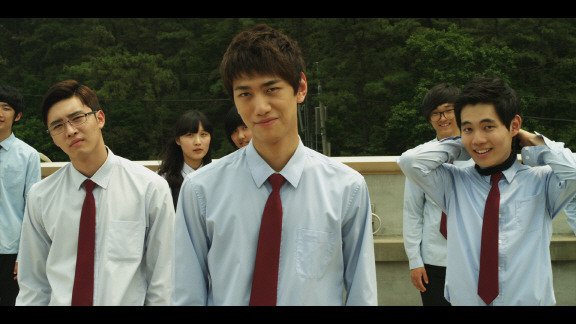
How to Use Guys with Secret Tips (남자사용설명서)

PiFan 2013: Quick Fire Reviews 1

Quick-fire reviews from the second day of the 17th Puchon International Fantastic Film Festival:

F*ck for Forest

F*ck for Forest

F*ck for Forest – 7/10 

 Polish documentary F*ck for Forest, by director Michal Marczak, is a fascinating exploration of a group attempting to help the world through sex and pornography. Disillusioned by the trappings of contemporary society and rejected by their families, the individuals live together in a commune of sorts as they take naked photos and make pornographic material to sell on the internet. Yet this money is not for personal gain; indeed, the group look for food in trash and accept clothes from charity organizations. Rather, they intend to save the planet. The film explores their lives with great insight, capturing the fragile psychology amid the unfaltering determination to save the Earth, and is constantly compelling. Yet as the film becomes more extreme – a man licks blood and semen from his hand – and the attitude of the general population is slowly introduced, F*ck for Forest becomes something of a tragic comedy as the group have dedication but precious little direction or awareness. The documentary is a great exploration of the attitudes towards sex and nudity in modern society, but also of the white saviour complex as the group travel to Peru in order to ‘save’ them for a hilarious yet pitiable conclusion. A thoroughly engaging, tragically-comic documentary.

How to Use Guys with Secret Tips (남자사용설명서)

How to Use Guys with Secret Tips (남자사용설명서)

How to Use Guys with Secret Tips (남자사용설명서) – 8/10

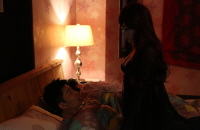
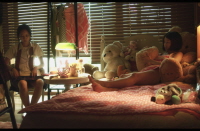
Director Lee Won-suk’s romantic comedy is a real gem and one of the most fun and exhilarating takes on the genre in a quite some time. The film itself isn’t particularly original in a narrative sense, but it’s the endlessly endearing stylization that is captivating throughout. Director Lee is superb in conveying the incredibly frustrating Korean workplace, poking fun at situations and quirky characters with real skill. But his masterstroke is in creating the cheesy retro world of the video which bestows advice on the heroine, wonderfully realised through the mise-en-scene from the glittery clothes through the silly infomercial style performances. Director Lee also manages to blend both worlds together for hilariously charming results, which manages the difficult feat of simultaneously being genuinely funny as well as conveying the difficulties of being a working women in contemporary Korea. While the ending ties up all the loose ends in a rather generic fashion, How to Use Guys with Secret Tips is one of the most enjoyable, charismatic rom-coms to emerge from Korea in recent years and is thoroughly recommended.

Drug War

Drug War

Drug War – 8/10

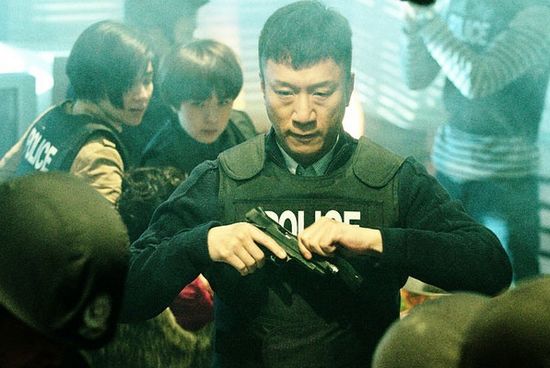
Iconic director Johnnie To’s Drug War is an exemplary action thriller. Moving to mainland China and away from his usual Hong Kong/Macau cityscapes, director To constructs the dark and violent world of drug smuggling with deft skill. What is particularly impressive throughout is the amalgamation of gritty urban realism, kinetic action and comedy, combined with themes of brotherhood. There is no room for romance in this very masculine world, as both cops and smugglers have unparalleled determination and refuse to give up even when faced with certain defeat. The film moves along at a rocketing pace while the stylized action sequences – including an incredible shoot-out in front of a school – leave audiences breathless. Due to this there is little time given to characterisation of the leads, but when action is this good it’s hard to fault. Another great film by the visionary director.

The Bluff (허풍)

The Bluff (허풍)

The Bluff (허풍) – 1/10

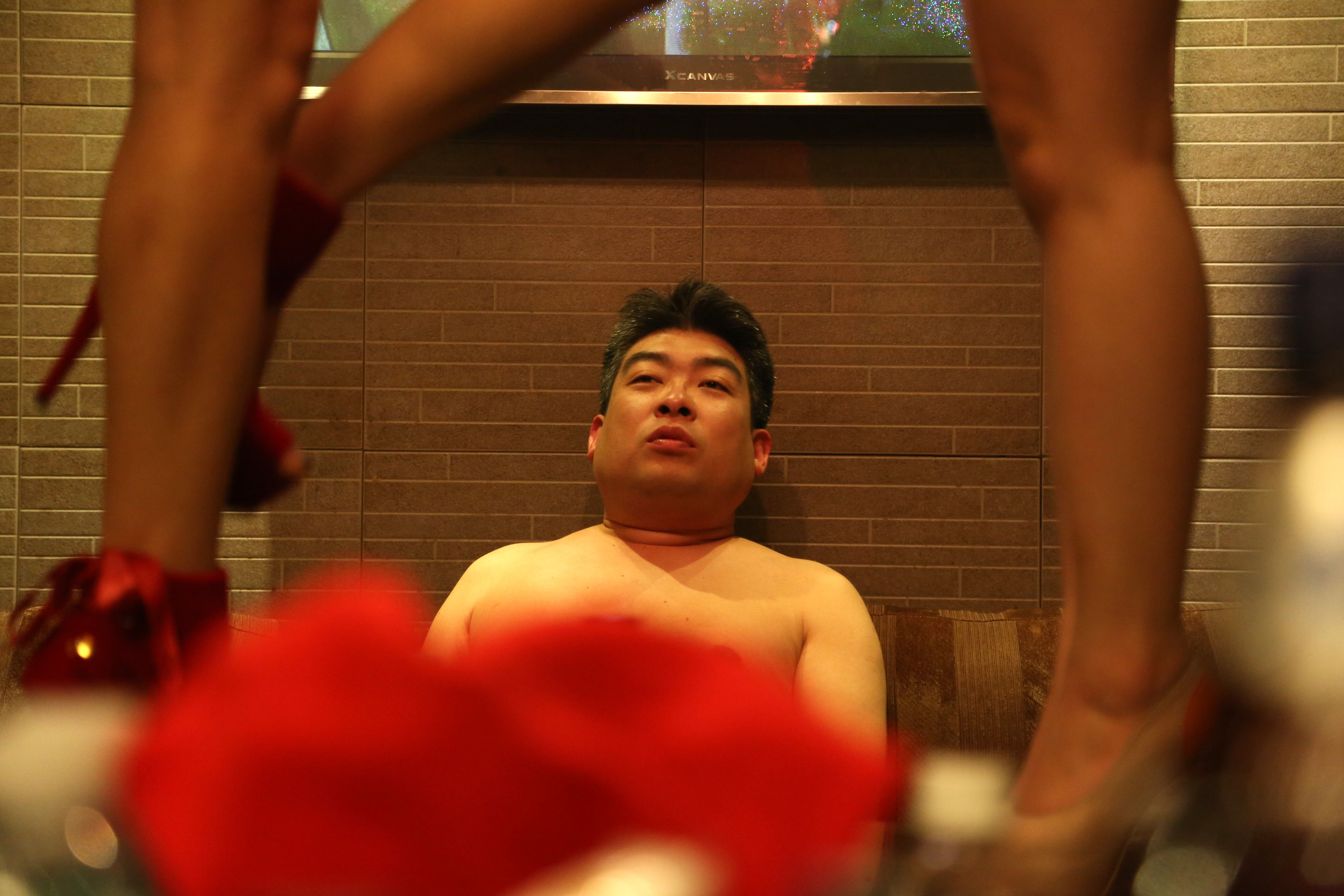
In theory, a film featuring men bluffing about sexual experiences with their friends could be an insightful piece on the fragile and almost pitiable egos of modern men. In practice, The Bluff is nothing more than dressed up, misogynistic soft-core porn. The early stories display some promise as the tubby and unattractive middle-aged men find themselves the ‘victims’ of con-artists, but they quickly dissolve into showing such men having sex with extremely attractive women that they could never hope to get outside of celluloid. Yet from there the film becomes even more misogynistic as one man calls a virgin ghost to be his sexual plaything, only to have sex with her in an animalistic and abusive fashion. Finally, the last tale involves a man having sex with an alien, who can change her face to anyone he chooses. It’s quite clear that (mostly female) porn stars are used within The Bluff due to their performances and obvious enhancements, which would be fine if the film wasn’t pretending to be something more. How it is within the ‘World Fantastic Cinema’ category at the festival is something of a mystery, as The Bluff is simply soft-core porn for men undergoing a mid-life crisis. Avoid.

Festival News Korean Festivals 2013 Puchon International Fantastic Film Festival (제17회 부천국제판타스틱영화제)
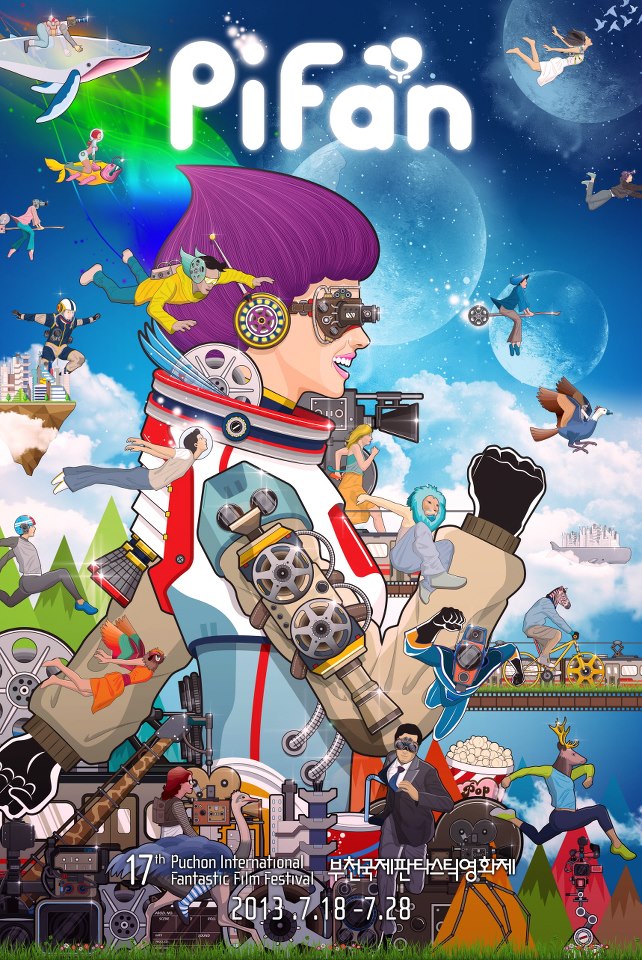
The 17th Puchon International Fantastic Film Festival

PiFan 2013: Red Carpet, Opening Ceremony and ‘The Congress’ Screening

The 17th Puchon International Fantastic Film Festival

The 17th Buchon International Fantastic Film Festival

On a swelteringly hot Thursday the 18th of July, the opening ceremony of the 17th Buchon International Fantastic Film Festival began with a wonderful red carpet event.

Film stars, directors and programmers from a variety of countries all traversed the carpet to the screams of gathered fans. Hosts Shin Hyeon-joon and Choi Soo-young from Girls’ Generation were among the first to walk down followed by PiFan lady and guy Fuji Mina and Lee Hyun-woo, before several notable and internationally acclaimed film stars including Yeo Min-jeong, Son Se-bin, Kim Yoon-hye, Lee Soo-hyeok, Lee Chae-young, Park Ji-soo, Jeong Han-bi, Ahn Seung-gi, and directors Im Kwon-taek and Kim Dong-ho.

Once everyone was seated the opening ceremony began, kicked off with a performance from Kpop star – and former Buchon resident – Lee Hi, who sang her hit ‘Rose’. Shortly thereafter the PiFan awards ceremony took place, celebrating some the most popular contemporary Korean film stars. Ma Dong-seok walked away with the IT Star Award, while Kim Soo-hyun and Park Shin-hye were the recipients of the Fantasia Awards, as voted by Buchon citizens. Superstars Lee Byeong-heon and Jeon Ji-hyeon were awarded the Producers’ Choice Awards, respectively.

Red carpet event gears up

Red carpet event gears up

Fans wait to see their idols

Fans wait to see their idols

Programmers are interviewed

Programmers are interviewed

The hosts arrive

The hosts arrive

Soo-young and pose for the cameras

Soo-young and Shin Hyeon-joon pose for the cameras

PiFan guy and lady

PiFan guy and lady

Handsome actors were cheered

Handsome actors were cheered

Actresses wore stunning dresses

Actresses wore stunning dresses

dress caused a stir

Yeo Min-jeong’s dress caused a stir

Japanese filmmakers walked the carpet

Japanese filmmakers wore traditional clothes

Rising stars also made an appearance

Rising stars also made an appearance

Director Im Kwon-taek traverses the red carpet with Ahn Seung-gi and Kim Dong-ho

Director Im Kwon-taek traverses the red carpet with Ahn Seung-gi and Kim Dong-ho

Once all the festivities had settled down, it was time for the opening film The Congress to begin.

Opening Film

The Congress

The Congress

The Congress – 6/10

Directed by Israeli Ari Folman (Waltz with Bashir), The Congress tells the story of Robin Wright (playing herself), an actress who has burnt all her bridges in Hollywood and is given one final option – to sell her very ‘image’ for ‘computer artists’ to use as they please. Left with little alternative, Robin goes through with the procedure and her image makes a fortune for the studio, appearing in projects the real Robin would never do. Yet with the rapid evolution of entertainment the lines between fantasy and reality become blurred, and Robin must attempt to rediscover her identity and return to reality. As such the film is an interesting exploration of the very concepts of identity and entertainment, as well as a scathing portrayal of the manner in which women are exploited in the Hollywood system. Initially The Congress is somewhat of a pseudo-documentary, as Robin’s life is almost uncomfortably laid bare for the audience to witness and pass judgement. Such scenes often succumb to needless repetition however, as Robin is repeatedly attacked for her history of bad choices over and over again, although it does allow Folman to convey how the actress is used and abused in various relationships. The best scene in the film comes during these scenes as Harvey Keitel performs a gripping personal monologue, which the competent directing doesn’t really capitalize on. Yet as the narrative jumps twenty years into the future The Congress becomes an animated fantasy which, while gorgeously retro, is continuously frustrating. This is chiefly due to fact that it’s difficult to ascertain what exactly Robin’s impetus is in this whacky world. While it articulates how people often wish to escape themselves in old-school animated form, the film really loses a lot of the drive during this particular area of the narrative. The Congress is an interesting film that articulates a lot of important debates surrounding identity and the future of entertainment, yet it’s also a frustrating endeavour.

Festival News Korean Festivals 2013 Puchon International Fantastic Film Festival (제17회 부천국제판타스틱영화제)
Original director Lee Myeong-se and the cast of The Spy:Mr. K

Action/comedy ‘The Spy’ (스파이) gets a trailer

Original director Lee Myeong-se and the cast of The Spy:Mr. K

Original director Lee Myeong-se and the cast of The Spy/Mr. K

Superstars Seol Kyeong-gu (설경구) and Moon So-ri (문소리) are again teaming up for the big screen, this time with Daniel Henney (다니엘 헤니) for an action/comedy tentatively titled The Spy: Undercover Operation (스파이/협상종결자). 

The film – initially called Mr. K – has been in development for quite some time and has been surrounded in controversy, chiefly due to the very public disagreements between original director Lee Myeong-se (이명세) and the production team, whose visions for the blockbuster apparently differed wildly. Director Lee, whose credits include M (엠) and Duelist (형사), is an excellent filmmaker and one of the few genuine auteurs working within the Korean film industry today, however it was always something of an odd choice to have such an artistically-minded person at the helm of a big summer film. With director Lee’s departure, new director Lee Seung-joon (이승준), who was the assistant director on action film Quick (퀵) was brought on board, and now finally a trailer has arrived.

The Spy: Undercover Operation sees top Korean spy Kim Cheol-su (Seol Kyeong-gu) on a mission to solve a terrorist attack that occurs in Seoul, with the investigation taking him to Thailand. Yet being the best has meant neglecting his flight attendant wife Young-hee (Moon So-ri), putting a strain on the relationship. However while undercover in Bangkok, Cheol-su spots his wife with handsome rival Ryan (Daniel Henney) and begins to go against orders to discover what his wife is up to.

It’s quite a departure for the Seol/Moon team-up that brought audiences powerhouse performances in Oasis (오아시스) and Peppermint Candy (박하사탕). Let us know your thoughts in the comments below.

Film News
Spike Lee's Oldboy

Oldboy vs. Oldboy – Spike Lee’s (red band) Trailer Hits the Web

Spike Lee's Oldboy

Spike Lee’s Oldboy

When it was announced several years ago that Park Chan-wook‘s classic revenge thriller Oldboy was getting the American remake treatment, the number one question on the lips of Asian cinema fans was, “Why?” However as it languished in development hell as directors and actors came and went, it seemed – thankfully – that director Park’s film would remain untouched.

That is until Spike Lee came on board to helm the remake, with Josh Brolin in the role so wonderfully inhabited by Choi Min-sik in the original. The collective sighs and repeated, “Not again,” where almost audible over the internet, while the uninspired poster (see right) did little to assuage fan anxiety.

However, with the release of the red band trailer – which features plenty of violence, gore, and sexual nudity – the film doesn’t appear to be the terrible mess most feared. While it obviously lacks originality and Park Chan-wook’s incredible stylisation, Spike Lee’s version appears to be a well-made and solid effort, with certain sequences appearing more of an homage than as a direct rip-off. Check out the trailer below to see for yourself, and if you have an opinion sound off in the comments section below.

And just for good measure, here’s the trailer for the 2003 original.

Film News
The 17th Puchon International Fantastic Film Festival

PiFan 2013: Vision Express

The 17th Puchon International Fantastic Film Festival

The 17th Puchon International Fantastic Film Festival

With the 17th Puchon International Fantastic Film Festival gearing up to start on July 18th, one of the more interesting categories within the program arrives in the form of ‘Vision Express’.

‘Vision Express’ highlights some of the new emerging talent from around the world, and as such features documentaries and fiction films that are more independent in nature compared to other offerings in the program. If there’s one category that has the potential to hold some surprising new creativity, then ‘Vision Express’ certainly fits the bill.

There are four Korean films with ‘Vision Express’, featuring the work of seven directors, all of which are profiled below.

For the listings of Korean films within the Opening/Closing ceremonies, Puchon Choice, and World Fantastic Cinema, please click on the links.

Love Scene (러브씬)

Love Scene (러브씬)

Love Scene (러브씬)

Director: Lee Jeong-won (이정원), Kim Du-heon (김두헌), Moon In-dae (문인대)

Synopsis: In this 88 minute fiction, several short stories explore romantic and sexual relationships with supernatural/mystical elements.

Sunshine Love (썬샤인 러브)

Sunshine Love (썬샤인 러브)

Sunshine Love (썬샤인 러브)

Director: Jo Eun-seong (조은성)

Synopsis: A more traditional romantic tale of a couple brought together and separated by fate is offered by director Jo, as the lovers fight the odds to be reunited.

Young Artists (젊은 예술가들)

Young Artists (젊은 예술가들)

Young Artists (젊은 예술가들)

Directors: Kang Tae-woo (강태우)

Synopsis: Young Artists depicts the lives of  students at Konkuk Art High School as they prepare for  big graduation performance at Christmas. Yet with their unique styles, will they be able to work as a team?

Incomplete Life: Prequel (미생 프리퀄)

Incomplete Life: Prequel (미생 프리퀄)

Incomplete Life: Prequel (미생 프리퀄)

Director: Son Tae-gyum (손태겸), Kim Tae-hui (김태희)

Synopsis: The lives and histories of six quite different characters are explored in this 60 minute film, examining the events and psychological traumas  of the past and how they manifest in the present.

For the full list of films playing in the ‘Vision Express’ category, please check out the official PiFan site by clicking on this link.

Festival News Korean Festivals 2013 Puchon International Fantastic Film Festival (제17회 부천국제판타스틱영화제)
The 17th Puchon International Fantastic Film Festival

PiFan 2013: World Fantastic Cinema

The 17th Puchon International Fantastic Film Festival

The 17th Puchon International Fantastic Film Festival

The wonderfully titled ‘World Fantastic Cinema’ section in the upcoming Puchon International Fantastic Film Festival (PiFan) features a truly eclectic range of films from a host of countries. With horrors, thrillers, dramas, romance and comedies on offer, there is certainly something for everyone in the line-up.

There are seven feature films from Korea within the category, including some mainstream releases as well as a focus on new talent, all of which are profiled below.

Alternatively, if you wish to see the features on the opening/closing films or the Puchon Choice categories, please click on the link(s) to be taken to the relevant page.

The Bluff (허풍)

The Bluff (허풍)

The Bluff (허풍)

Director: Gong Ja-gwan (공자관)

Synopsis: When four friends gather for a reunion, the small talk eventually gives way to more sexual topics of conversation. A game of bluffs begins, as the friends attempt to get to know each other more deeply than ever before.

Go, Stop, Murder (고스톱 살인)

Go, Stop, Murder (고스톱 살인)

Go, Stop, Murder (고스톱 살인)

Director: Kim Joon-kwon (김준권)

Synopsis: Popular game ‘go, stop’ becomes horririfc in this thriller, as a group of players in the countryside start to die one-by-one. Yet when a substitute player is brought in, he begins to think that the game itself is the source of the problem.

Horror Stories 2 (무서운 이야기2)

Horror Stories 2 (무서운 이야기2)

Horror Stories 2 (무서운 이야기2)

Directors: Jeong Beom-sik (정범식), Kim Hwi (김휘), Kim Seong-ho (김성호), Min Gyu-dong (민규동)

Synopsis: The first Horror Stories film opened PiFan 2012, so it’s perhaps only fitting that the sequel features in the line-up as well. Horror Stories 2 follows in the same footsteps as its predecessor, as three short scary tales are framed within another fourth. The Cliff involves two friends who find trouble in a mountain; Pain of Death features horrors set in the countryside; and Escape is concerned with a teacher who must deal with the consequences of some bad advice. See below for the trailer.

How to Use Guys with Secret Tips (남자사용설명서)

How to Use Guys with Secret Tips (남자사용설명서)

How to Use Guys with Secret Tips (남자사용설명서)

Director: Lee Won-seok (이원석)

Synopsis: Released back in February this year, director Lee’s How to Use Guys with Secret Tips garnered some impressive reviews from both Korean and foreign critics alike. In a case of extremely bad timing however, the film failed to set the box office alight as it went toe-to-toe with The Berlin File and Miracle in Room No. 7. The film follows unlucky-in-love Bo-na, a Tv commercial assistant director, who discovers a tape featuring instructions on how to seduce and manipulate men. But can she find true love? See below for the trailer.

Oldmen Never Die (죽지않아)

Oldmen Never Die (죽지않아)

Oldmen Never Die (죽지않아)

Director: Hwang Cheol-min (황철민)

Synopsis: In order to inherit his grandfather’s fortune, Ji-hun became a farmer to impress the old man with his labor skills and determination. Yet bizarrely the old man simply refuses to die, while the arrival of a challenger threatens Ji-hun’s plans.

Southern Superhero Showdown (촌능력전쟁)

Southern Superhero Showdown (촌능력전쟁)

Southern Superhero Showdown (촌능력전쟁)

Director: Ryu Hoon (류훈)

Synopsis: The brilliantly titled Southern Superhero Showdown features an unemployed young man named Ho-bang, who accidently discovers a strange village where everyone has superpowers. The paradox however is that the village is seemingly inescapable.

The Truth (진실)

The Truth (진실)

The Truth (진실)

Director: Seo Seung-man (서승만)

Synopsis: This 93 minute fiction blurs the lines between performance and reality through a story featuring stage actors. When weapons are brandished and characters die on stage, what really is going on?

For the full line-up of films in the PiFan World Fantastic Cinema category, please head over to the PiFan site by clicking on this link.

Festival News Korean Festivals 2013 Puchon International Fantastic Film Festival (제17회 부천국제판타스틱영화제)
Vulnerability, as well as strength, are portaryed through the ajumma

Azooma (공정사회) screening and Q&A with director Lee Ji-seung (이지승)

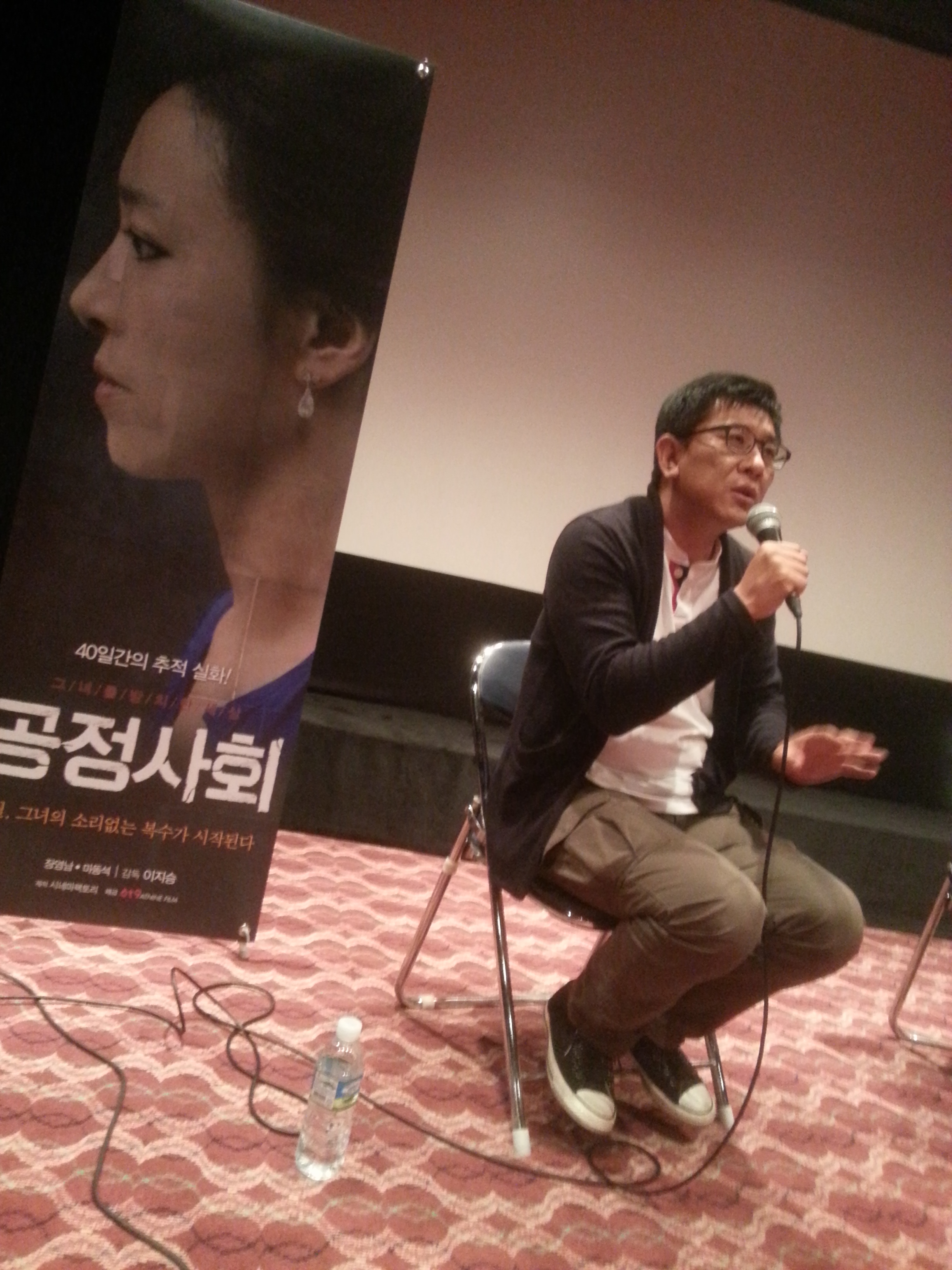
Director Lee Ji-seung fields questions at the Q&A

Director Lee Ji-seung fields questions at the Q&A

At Indieplus in Seoul’s affluent Gangnam district, a special screening of revenge thriller Azooma (공정사회) was held, followed by a Q&A with director Lee Ji-seung (이지승) on May the 21st.

(For the review of Azooma, please click on this link.)

As always, producer Hwang Hye-rim (황혜림) kicked off the discussion by introducing director Lee and providing some context for the film.

Producer Hwang: Director Lee has been working in the film industry for years, for more than a decade. And he was actually more specialized in production and production management on big budget films including Haeundae, so blockbusters, too. This film (Azooma) was a relatively low budget film within his career, but it’s his directorial debut and he also wrote the script so the original idea is from him too. You have to say that it’s kind of interesting to see that in recent years we had revenge movies coming out in the Korean film scene, not just revenge but also involving sex crimes. So we could start by asking how he came to his idea for this film, to give a brief idea before we start the questions.

Director Lee: This film is actually based on a real incident that happened in 2003. (Spoilers) Of course it wasn’t like a dentist killer or anything like that (end spoilers), but there was a mother who had a daughter who was sexually molested and raped, and in real life she searched for the offender for about 40 days throughout Seoul and Gyeonggi Province. So she tried very hard to find this sex offender, and she caught him, and led him to the police.  That was the real incident, and it became the inspiration for this film. It happened in 2003 but it wasn’t until about a year or two ago that I read about this in a news article, so after reading that article I thought it would be good to make a film about this issue, because as you can see in the film the sentences for sex crimes are really really light and it’s happening over and over again in Korea. And it’s a really heinous kind of crime but it’s really frustrating to think that even in 2013 we could live with these sex offenders. For example even if he had done it 10 years ago he wouldn’t be in jail for long and he would live with us in this society, and that was a really frustrating reality for me. I thought that even though it’s a low budget film it would be worthy to make it and to remind everyone, including those writing the law system, that we need to work more on this issue to make a fair society. So that’s how I started this film.

Azooma (공정사회)

Azooma (공정사회)

Question: My question is about the title. The English title is ‘Azooma’, but actually the Korean title means, if you translate it literally, ‘fair society.’ So why did you use the title ‘Azooma’ instead?

Director Lee: Before answering the question, I’d like to suggest if you can think of female characters in Korean films. How have you seen them? How have you received them? Back in the 1990s when I was studying films in the U.S., at the time I thought – and I heard this a lot from my friends – “why are Korean women so weak?” “They are always getting beaten, why are they so passive?” I heard those kinds of questions a lot. Also, I’m not sure if it’s an unfortunate coincidence or not, but famous Korean directors who are famous abroad like Park Chan-wook, Hong Sang-soo or Kim Ki-duk, if you think of their films their female characters can also get those kinds of questions.  Not all of them, but their famous films are like that. So I thought, ‘yes it’s quite easy to misunderstand the characteristics of Korean women after watching these films.’ So it’s not because of that that I choose the title as Azooma, but the word exists only in Korea so I’d like to choose that title to show the power of women in Korea. The word ‘azooma’ also has a kind of image of a very strong middle aged woman who would run in the subway when she spots an empty seat, that’s a kind of joke that explains the character, in a negative way. But it wasn’t my point to depict that kind of azooma because I see many women around me who are called azooma even if they are married or not. They are just women, sometimes mothers, sometimes naïve, just around me and in our society. I’d like to show the reality, that they have a lot of disadvantages because they are treated as an azooma. They are often mistreated, but people kind of ignore them. I’m not an azooma, but I’ve seen it too much.

Question: You said that it (sexual assault and rape) is happening over and over again but it’s not just Korea, it’s happening all over the world. If they (the victims) need help from the government, from the police, who have to catch them (the criminals), do they have to do it by themselves? Is it really happening in Korea?

Director Lee: Actually it’s a really tricky question. I don’t know about the law very well, but when I made this film I thought of the differences between here in Korea and other parts of the world, because from what I hear through the news – in the U.S. at least – it seems like the sentence for this crime is much heaver than here in Korea. These offenders can get 200 years, or 2000 years, for their crime. So it seemed to me at least that there is a system that prevents them from doing it again by giving them heavy sentences. But here in Korea we don’t really have that kind of regulation or law system. I think if you have a heavier punishment, then maybe it will help a little bit to reduce that kind of crime. So that’s why I made this film. I wanted to show that we have a society where there is no, or very light, regulation and punishment on these kinds of crimes, that was the point. It’s happening over and over again, but I don’t think I can tell you that it’s ok to kill them. I just hope that if we care a bit more about each other, if society is a bit more caring, I just hope things will get better.

Yeon-joo is abducted by a stranger after school

Yeon-joo is abducted by a stranger after school

Question: As we’ve mentioned this has been an ongoing problem for centuries but in the past two years in Korean cinema there’s been an explosion in this kind of subject matter with The Crucible, Don’t Cry Mommy, Lee Chang-dong’s Poetry and Azooma. Why do you think it’s now, the past two years there’s suddenly been such interest in sexual crimes and punishment?

Director Lee: I think Korea is quite unique in terms of film sociology, but before answering your question I should explain a little bit about my premise first. I don’t think it’s a trend in making these films, about sex crimes, but I think maybe a lot of films that featured social issues were not so well known abroad (previously). There have been films about these issues but maybe they were not big or well known enough. Films that were made about these issues like the ones you mentioned have become successful during recent years. Although to answer your question, there is a certain kind of trend where people are more interested in social issues kinds of movies these days. I think because film has a certain kind of power to change the world and to society, especially in Korea, there are a lot of people and artists who would like to try to make a better world through films. Or to solve certain problems or issues that are not solved by the law system that we have now. There are more efforts by film artists about these issues.

Producer Hwang: Just to give you a little background, in recent years sex crimes became more open to the public, so now women have become braver in talking about it openly. It has a lot to do with having a patriarchal society, such as being a virgin before marriage, but now it has changed.

Director Lee and producer Hwang explore the concepts in Azooma

Director Lee and producer Hwang explore the concepts in Azooma

Question: I have 2 questions. When the mother gets to know about the place where the sex offender lives, it was different from the usual thriller, such as the process in which she found the place. It seemed more metaphoric. So I’d like to know why you chose this way to show it. The second question is, the mother reads the daughter the Little Red Riding Hood story at the park. I’d like to know why you put that scene in the film.

Director Lee: I’d like to answer the second question first about Little Red Riding Hood. This is a really famous fairytale that almost everybody knows, so it kind of came to me while I was preparing this film and the story. Little Red Riding Hood was told to go home early, (N.B. there appears to be a misunderstanding about the story on Little Red Riding in what follows) not to stay out late but she was caught by the wolf, and eaten by the wolf and the hunter had to save her, so the process was good for this film to show the story metaphorically. The sex offender is the wolf and of course the daughter is little red riding hood. Also there’s another reason. This book is the kid’s favorite (story) too. I don’t know if you saw it, but in the hospital scene when the mother was taking a book it was the little red riding hood. I also had to put little things that the child can actually recognize and remember, so when you see in the film when she was questioned by the detective over and over again I needed to put little things that a child could remember. For example the crown, or the lamp of the hairdresser shop, or the little red riding hood picture in the offenders house. I thought it would be a good metaphor for the whole story of the film. And also good for making hints for the child. I think to a certain extent that the scene that you mentioned is a certain kind of fantasy of mine too, so it’s not really realistic but from my point of view it’s kind of a fantasy too. Personally I don’t really like realistic films so I think movies should be more expressionistic. I’m a Hollywood kid too, so I’ve seen a lot of Hollywood films. Personally I like films that absorb you into a new world. When I felt, ‘if I make a film of this issue in a very realistic way what would the mother do?’ maybe she could do a demonstration in front of a government building having a picket saying, ‘please help me to catch the offender’.

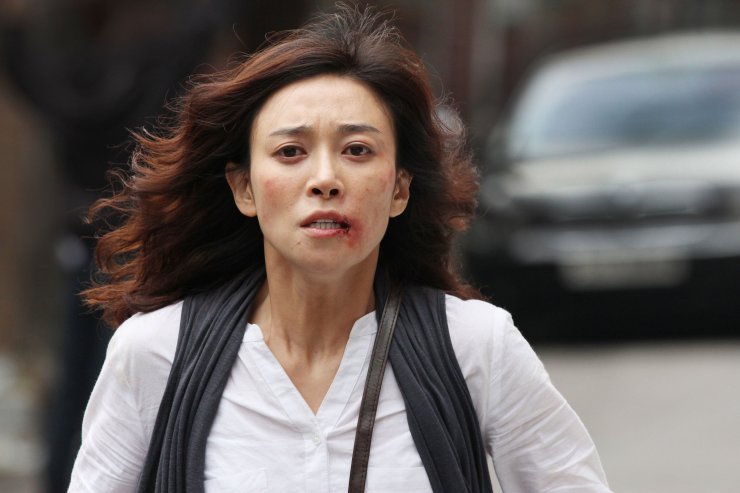
Due to ineffective police work, the ajumma tracks the criminal herself

Due to ineffective police work, the ajumma tracks the criminal herself

But otherwise there’s nothing much else she can do in real life. I didn’t want to make a movie like that, that’s why I chose this way. It was probably possible because the production was relatively low scale and low budget. Also I felt that if someone who had a similar kind of experience saw this film I would really love to give them a little bit of comfort. That’s why I chose this way to show the whole process of finding the place of the sex offender. Actually there are a lot of fantasies throughout the film, in my point of view. That scene that you mentioned was one that I put a lot of effort into, and I’m happy that you picked it out. There are other choices to make this in a more conventional way like a crime-thriller, but I wanted to combine the mindscape of the mother – her emotions and mind – and to give information in a different way. I didn’t want to have it all in the kid’s words, such as, “It was room 303,” or something like that. I just chose to show information bit by bit through the eyes of the kid and through the imagination of the mother. It was a combination of two points of view.

Question: Do you think nowadays Korean society is still strongly male orientated? For example, in the film the azooma she took power into her own hands. Is this a kind of female empowerment these days?

Vulnerability, as well as strength, are portaryed through the ajumma

Vulnerability, as well as strength, are portaryed through the ajumma

Director Lee: I think things are a little bit better than before, women are stronger. But still there is a long way to go in Korea, in terms of social status, and the perception of women and men, there is still a lot of discrimination and difference. It’s traditionally a patriarchal society for a long time and it still is, so it’s not a society that women would want. There are still things that need to be improved. In the film with the police department scenes, when the mother goes there and tells them about her kid, I think if it was me – an older man – if I was there, would they do the same thing to me? Probably not. If I say that I lost my kid, he couldn’t do that to me. It was probably because she’s an azooma, because she’s a woman. I think we need a lot of improvement. Sorry I’m not a woman so I don’t know exactly, but that’s what I think.

Question: Because of the subject matter, how difficult was it to get funding for this film? In the structure of the film we go forwards and backwards. Did you think about a different structure before deciding upon this one?

Director Lee: In terms of funding, no I had no difficulties at all because this film is only 50,000,000 won/$50,000. It was quite low budget, and one of the producers behind this project came to me to make a contract with me as the producer of the film. And that money was to hire me. He prepared that as a guarantee. But when I got to know this film I said we should make the film with this budget. Let’s just make it. I didn’t need any guarantees as a director. We could do everything in a very minimalist way in terms of staff and actors and actresses, and that’s how it all started. We only shot nine times, that was all. The whole structure was like this even from the script. This was the way I wanted to do it, but I do have an alternate version, which I made in the editing process, which is in chronological order. I could see that in this way it gives more possibility to understand the mother’s feelings more, it’s more emotional, but this was the way that I wanted to do it. If you can remember, this whole process was to give you a puzzle, and to have the whole picture later. That was the basic method for me. If you remember the first scene, the azooma was more like the popular misconception of an azooma. Through this kind of structure you can see the misconception of a strong and powerful azooma change into the azooma I wanted to show you, a mother who is vulnerable sometimes but who tries very hard. That kind of transition happens within this structure.

Disillusioned with patriarchal institutions, the ajumma prepares for her own brand of justice

Disillusioned with patriarchal institutions, the ajumma prepares for her own brand of justice

Question: I know the title is ‘Azooma’, but if you go on wikipedia and look at the correct Romanization it’s ajumma. Is there a reason why you changed the spelling?

Director Lee: When I was thinking of an English title, and I was thinking about using ‘ajumma’, of course I knew that people have different spellings of the word. But I kind of wanted to make my own word of ajumma. There are many different spellings on wikipedia, but the rules are not set yet, so I wanted to make my own version of the word. I also thought a ‘z’ would be easier to pronounce for a foreign audience. After finishing the film and having the final spellings, I found out there was someone else before me who had thought of it and used it. My ambition was bigger, but someone did it already.

Thank you to Indieplus, producer Hwang Hye-rim and director Lee Ji-seung for taking the time for the Q&A.

Directors Interviews/Q&As
The 17th Puchon International Fantastic Film Festival

PiFan 2013: Puchon Choice

The 17th Puchon International Fantastic Film Festival

The 17th Puchon International Fantastic Film Festival

With the Puchon International Fantastic Film Festival gearing up for it’s 17th installment, a large variety of films have been selected to showcase the diverse genre filmmaking talent across the globe.

There are some wonderfully titled categories throughout the program that emphasise the dedication to popular cinema, and within each are an eclectic selection of Korean films that highlight the many and varied productions emerging from the country.

This article will explore the films within the ‘Puchon Choice’ category, which contains one current and highly popular feature film from director Jang Cheol-su, and several noteworthy shorts that explore a host of topics through genre frameworks.

Puchon Choice

Secretly, Greatly (은밀하게 위대하게)

Secretly, Greatly (은밀하게 위대하게)

Secretly, Greatly (은밀하게 위대하게)

Director: Jang Cheol-soo (장철수)

Synopsis: Based on the popular webcomic and still enjoying a healthy run at the box office, director Jang’s Secretly, Greatly has broken several records – biggest opening day (497,560), most admissions in one day (919,035) and the fastest film to cross the one million mark (36 hours) (Source: Kobiz). The success has largely been attributed to the three heartthrob actors within the film, notably Kim Soo-hyun whose star power has increased dramatically. This will be the first showing of the film with English subtitles in Korea, so fans will be quick to get tickets.  Please see below for the trailer.

Buchon Choice: Short 1

8

8

8

Director: Lee Sang-il (이상일)

Synopsis: There is precious little information about director Lee’s 3 minute short fiction film, but judging from the stills it appears to be an abduction horror/thriller set in an apartment.

Two Boys and a Sheep (소년과 양)

Two Boys and a Sheep (소년과 양)

Two Boys and a Sheep (소년과 양)

Director: Lee Hyeong-seok (이형석)

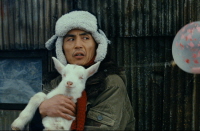
Synopsis: This 18 minute fiction gets its international premiere at PiFan 2013, and features several protagonists quarreling over the titular sheep. Looks to be one of the more quirky offerings from the festival.

When the Moon is on the Wane (달이 기울면)

When the Moon is on the Wane (달이 기울면)

When the Moon is on the Wane (달이 기울면)

Director: Jeong So-yeong (정소영)

Synopsis: In a village full of tilting houses only one woman – Jae-ah – stays behind to wait for her brother. An intriguing premise that hints at exploring the notion of community and family, as well as history and memory and how they erode over time.

Buchon Choice: Short 2

Dirty Harry (더티혜리)

Dirty Harry (더티혜리)

Dirty Harry (더티혜리)

Director: Lee Yo-seob (이요섭)

Synopsis: Director Lee’s 28 minute short explores teenage pregnancy. When Harry discovers her best friend Crush is pregnant, she tracks down the father – a delivery boy from a local Chinese restaurant.

The Rumblings (밀청)

The Rumblings (밀청)

The Rumblings (밀청)

Director: Choi Ju-young (최주용)

Synopsis: Mi-yeon lives a monotonous life ever since her husband passed away, and one day begins to listen in her neighbor’s conversations. But what started as fun suddenly turns serious.

A Stranger Dream (이몽)

A Stranger Dream (이몽)

A Stranger Dream (이몽)

Director: Tak Sae-woong (탁세웅)

Synopsis: Horror/thriller A Stranger Dream depicts a young woman who witnesses the murder of a man living in a luxurious mansion – in her dreams. They are so vivid, and continually recur, that the woman then decides to seek out the man and warn him.

Festival News Korean Festivals 2013 Puchon International Fantastic Film Festival (제17회 부천국제판타스틱영화제)
DIsabled Captain Kang works hard yet dreams of escapism

Captain Kang (강선장) – ★★★★☆

Captain Kang (강선장)

Captain Kang (강선장)

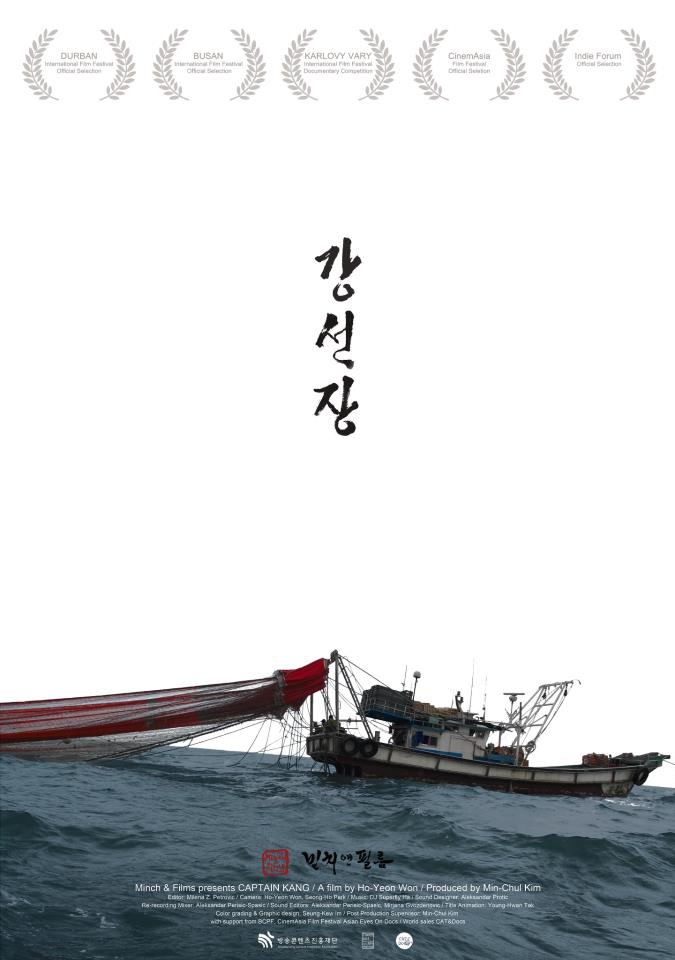
Director Won Ho-yeon (원호연) has crafted a beautifully poetic and ethereal documentary with Captain Kang (강선장), an exploration of the life of a fishing captain who lost his legs in a tragic accident. From beginning to end the film is a sensitive depiction of an impaired working class figure, one that never slips into sentimentality or melodrama due to the even-handed direction. Without his legs, Captain Kang still resolutely refuses to quit fishing and his determination, coupled with his philosophical musings, convey a man of humility and dignity.

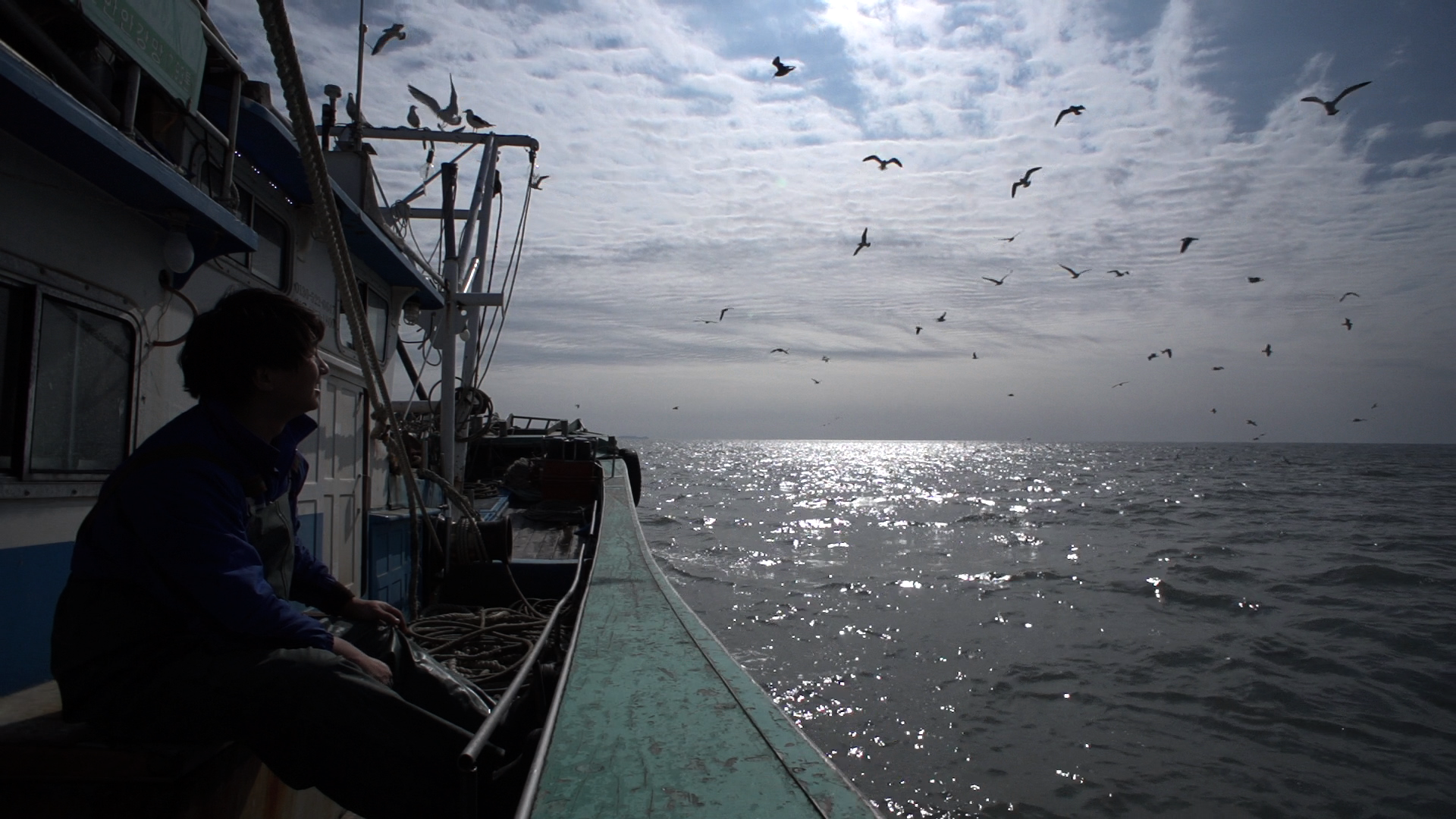
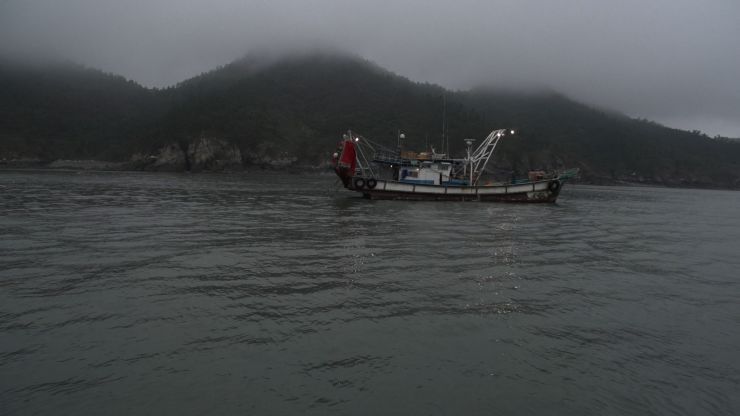
From the outset, Captain Kang’s attitude on life is superbly combined with the cinematography. As Kang discusses the concepts of freedom and the struggles of life, the stunning open waters and the hard but rewarding tasks of fishing are conveyed; when he explains the precognitive dream he had leading up to his accident, the waters are filled with supernaturals mists. In every case director Won conveys how Kang and the sea are united spiritually, and the gorgeous visuals and compelling fisherman make the documentary an enthralling experience.

Captain Kang and the ocean are spiritually connected

Captain Kang and the ocean are spiritually connected

In developing the life of Kang, director Won contrasts the captain’s life at sea with that of his family on land. Such scenes are interesting as they convey the support of a humble family involved in the fishing industry, diligently working together at all hours in order to earn a living. Yet what is fascinating is that, while happy in the company of his family, Kang never seems wholly comfortable on land. As such the film loses some of its compulsion whenever the ship docks, as the captain’s character and his life at sea is so absorbing and interconnected that when they are separated it is keenly felt by the audience. Yet director Won attempts to make other members of the family interesting, notably the relationship between Kang and his son. The captain’s guilt for losing his legs – especially when he had a premonition – requires that his son join the family business rather than pursue his own desires. Yet the wonderful irony is that Kang’s remorse blinds him from seeing his son’s faults, adding another dimension – and a little comedy – to the proceedings.

Yet as great as it is to see the captain as a family man, Captain Kang always soars when on the ocean. The symbiotic nature of the humble captain and the sea – simultaneously his love and his nemesis – is constantly enthralling, and watching the leg-less fisherman brave the perils of the job is as entertaining as it is fascinating.

Captain Kang is a wonderfully ethereal journey

Captain Kang is a wonderfully ethereal journey

Verdict:

Captain Kang is a beautifully ethereal documentary about a fisherman who refuses to let his lack of legs stop him working. Wisely eschewing any sentimentality, director Won Ho-yeon captures the humble and modest captain’s life with dignity, conveying their symbiotic relationship through the wonderful cinematography and Kang’s philosophising. Poetic and captivating, Captain Kang is a consistently compelling exploration of working class pride.

★★★★☆

Reviews
Pluto (명왕성)

Pluto (명왕성) – ★★★★☆

Pluto (명왕성)

Pluto (명왕성)

The Korean education system is infamous for it’s grueling and oppressive culture, and the stress imposed on youngsters has often been the subject of film. Typically such themes appear in the form of teenage horrors, such as the successful Whispering Corridors series, whereby the pressures of constant examinations and competition from other students prove too much to bear for their very souls.

With Pluto (명왕성), director Shin Su-won (신수원) takes a dramatic-thriller approach to the topic and the result is fantastic. Employing the technical prowess and artistic sensibilities that earned her the Canal Plus prize for her short Circle Line (순환선) at Cannes, director Shin deftly explores the weighty subject matter with skill. Even more impressive is that Pluto manages to straddle both the independent aesthetic realm as well as more mainstream territory, a remarkable achievement given that it’s only her second feature film. While some critics have lamented the inclusion of more generic features, it is a wise move on director Shin’s part as it solidifies her name through the industry as a talent to watch.

At a highly prestigious high school that produces some of the most elite students in Korea, top student Yun-jin (Seong Joon (성준) is found murdered in a nearby forest. Immediately suspected is frosty roommate Joon (David Lee (이다윗), yet with a sound alibi his release is assured. Yet Joon knows much more about the circumstances surrounding Yun-jin’s death than he reveals, and gathers the most elite student group at school together to discover the killer.

The elite students run the school, forging a secret society

The elite students run the school, forging a secret society

Pluto begins with all the hallmarks of a highly competent independent thriller, as Yun-jin is stalked in the woods until he meets his untimely demise in suitably shocking fashion. Yet from such humble beginnings director Shin skillfully intertwines such low-budget aesthetics with thriller conventions, as prime suspect Joon is immediately questioned by detectives; however his intelligence proves too great for the officers to cope with, and with zero evidence, he is released. Both realms are consolidated incredibly well through the use of the non-linear narrative as Joon – sporting rebellious blue hair – in the present holds suspects captive as time counts down, while flashbacks to Joon’s admission to the school convey the character driven foundations.

The method is wonderfully effective in articulating the intense pressures enforced on students, whilst simultaneously providing each member of the school motive for Yun-jin’s murder. Director Shin approaches the topic with keen insight – perhaps unsurprising given her history as a teacher – as she emphasises how parental wealth, greedy tutors, and corrupt school officials are all accountable in the creation of highly intelligent yet morally questionable youths. And their actions are certainly unconscionable, as awful acts of cruelty are performed within the elite secret society of top tier students, ranging from sexual assault, bullying, bludgeoning animals and vandalism that ultimately result in suicide and murder.

Acts of vandalism are overlooked by officials in the bid to produce the best candidates

Acts of vandalism are overlooked by officials in the bid to produce the best candidates

Yet as ‘evil’ as their deeds are, director Shin fully develops each elite student as a victim in their own right. The lack of parental guidance and the encouraged desire to win at any cost pushes them into psychological instability. Their wildly spinning moral compass is, director Shin conveys, the result of a fundamentally corrupt education and class system that is doomed to repeat itself. The narrative wonderfully explores what happens when someone dares to challenge such a system through Joon, as he attempts to breach a social and educational class supposedly beyond his reach. Joon’s creativity and alternative perspective on life is brilliantly realised through his discussion on Pluto’s demotion, a theory that superbly encapsulates the very essence of the story – the belief that the sun/exam results are the center of the universe/life is not only flawed but wholly arrogant.

Lee David (이다윗) is highly competent in his performance as Joon. The novice actor does well in conveying an initially hopeful and interesting young man whose jealousy and desire leads him on a darker path. As his originality and creativity are quashed for the sake of exam results, the transformation into amorality is wholly believable.

Yet despite so many positive accomplishments, the final act was lamented by some critics for its use of generic conventions. This is an understandable criticism although one that is somewhat nitpicking. What director Shin has achieved with Pluto is remarkable, as she has taken a film with a keen social message and made it mainstream; a two-for-one in promoting debate on a serious Korean issue as well as solidifying her reputation as director of talent.

The intense stress and competition becomes to much to bear for Joon

The intense stress and competition becomes to much to bear for Joon

Verdict:

Pluto is an excellent exploration of the intense Korean education system, and the highly intelligent yet morally questionable youth that it creates. It’s a stunning feature film from director Shin Su-won, whose keen eye for symbolism and character study is articulated throughout. One of the great strengths of the film is the manner in which director Shin combines both the independent aesthetic with the mainstream thriller, simultaneously promoting debate on an important social issue as well as cementing herself as a quality director. Thoroughly recommended.

★★★★☆

International Women's Film Festival in Seoul (서울국제여성영화제) Reviews