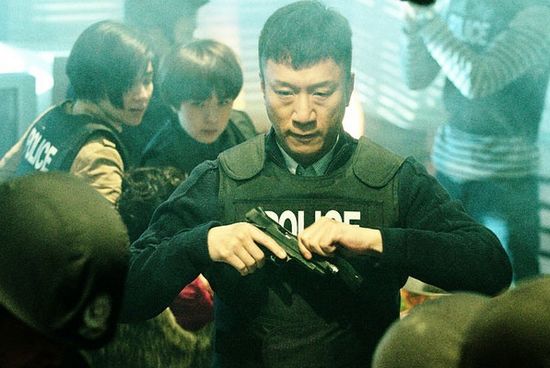
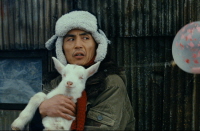
North Korean spy Ryu-hwan disguises himself as village idiot Dong-gu

PiFan 2013: Quick Fire Reviews 2

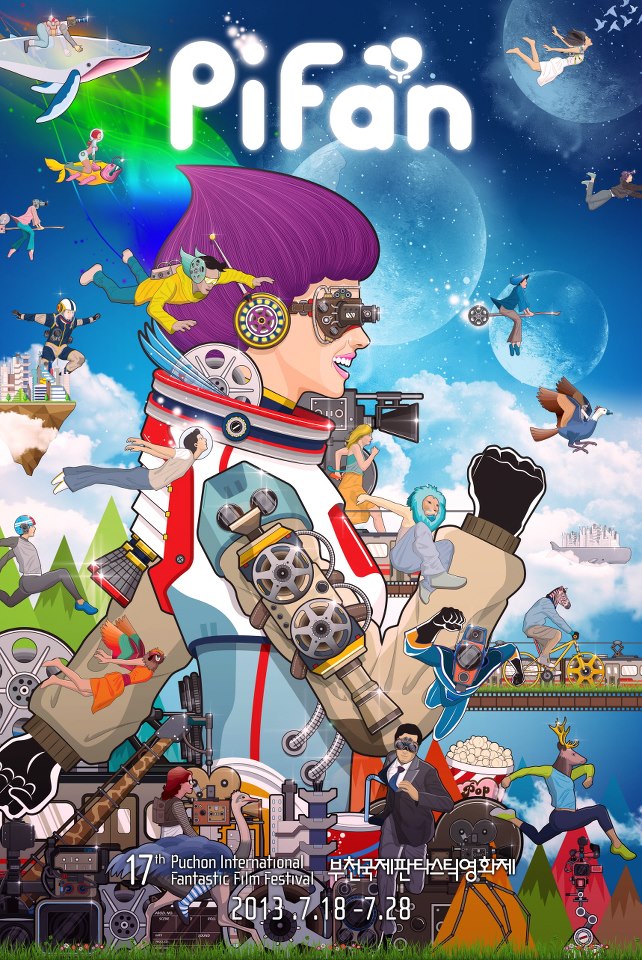
The second in a series of quick-fire reviews from the 17th Puchon International Fantastic Film Festival:

The Act of Killing

The Act of Killing

The Act of Killing – 8/10

Unbelievably powerful, director Joshua Oppenheimer’s documentary follows the lives of a group of Indonesian gangsters who are wholly unrepentant about their role in the mass murders from the 1960s onwards.  Oppenheimer does a superb job of combining the history and politics of Indonesia with the psychology of his subjects, in order to fully convey the attempts to justify the genocide and rape of those perceived to be ‘anti-communist.’ So resolute are the gangsters in their convictions that they attempt to make a movie about their past ‘heroism’, re-enacting the torture and murders from their youth. Yet as time passes the men, now elderly, slowly come to consider that perhaps their actions may not have been so patriotic after all. The documentary is a stunning and poignant character study which, while overly long, is an incredible achievement in showcasing the recent history of the country. Recommended.
Secretly, Greatly (은밀하게 위대하게)

Secretly, Greatly (은밀하게 위대하게)

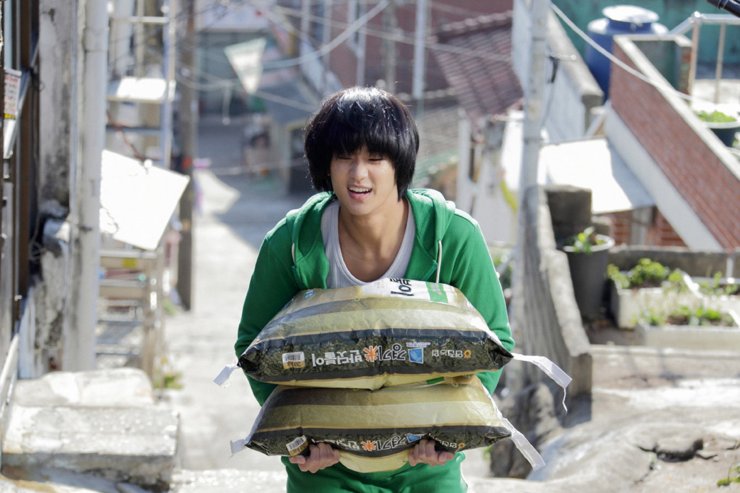
Secretly, Greatly (은밀하게 위대하게) – 4/10

The achievements of director Jang Cheol-soo’s Secretly Greatly have long been publicized, as it broke several records in the opening few days. The reason for such success must surely be due to the fans of the original webtoon and the extremely handsome lead actors, for the film is not particularly good at all. Secretly Greatly does start well however with a enjoyable contrast between action and comedy conventions and continues through in introducing agent Dong-gu’s role in the community, yet from there it quickly slides into bland territory. While competently directed, the film suffers from a problem that effects a large number of Korean productions – in attempting to please everyone by including different genres and a host of characters, it ultimately satisfies no-one. However the huge financial success of the film should guarantee director Jang’s future projects, which will hopefully be more like his prior Bedevilled.

There is Light

There is Light

There is Light – 7/10

Japanese director Toda Yukihiro shines a spotlight on the the plight of the disabled in There is Light. He does so in an interesting manner, as prostitute Saori visits and services a variety of disabled clients who rarely leave home, forming relationships with them as she hears their stories. Indeed, the tales of their disabilities are potent and moving as is the cultural attitude towards those with physical limitations. Yet Saori, despite her beauty, is also disabled in a different, more emotional way making the relationships that develop natural and sincere as well as a commentary on prostitution. The main issue with There is Light is that Saori’s character isn’t developed well as the audience learns precious little about her and as such is merely a device linking the disparate disabled protagonists, which is unfortunate and a missed opportunity. However the film is still an eye-opener on the difficulties of being disabled in Japan, and he insular lives that so many Japanese lead.

Festival News Korean Festivals 2013 Puchon International Fantastic Film Festival (제17회 부천국제판타스틱영화제)
How to Use Guys with Secret Tips (남자사용설명서)

PiFan 2013: Quick Fire Reviews 1

Quick-fire reviews from the second day of the 17th Puchon International Fantastic Film Festival:

F*ck for Forest

F*ck for Forest

F*ck for Forest – 7/10 

 Polish documentary F*ck for Forest, by director Michal Marczak, is a fascinating exploration of a group attempting to help the world through sex and pornography. Disillusioned by the trappings of contemporary society and rejected by their families, the individuals live together in a commune of sorts as they take naked photos and make pornographic material to sell on the internet. Yet this money is not for personal gain; indeed, the group look for food in trash and accept clothes from charity organizations. Rather, they intend to save the planet. The film explores their lives with great insight, capturing the fragile psychology amid the unfaltering determination to save the Earth, and is constantly compelling. Yet as the film becomes more extreme – a man licks blood and semen from his hand – and the attitude of the general population is slowly introduced, F*ck for Forest becomes something of a tragic comedy as the group have dedication but precious little direction or awareness. The documentary is a great exploration of the attitudes towards sex and nudity in modern society, but also of the white saviour complex as the group travel to Peru in order to ‘save’ them for a hilarious yet pitiable conclusion. A thoroughly engaging, tragically-comic documentary.

How to Use Guys with Secret Tips (남자사용설명서)

How to Use Guys with Secret Tips (남자사용설명서)

How to Use Guys with Secret Tips (남자사용설명서) – 8/10

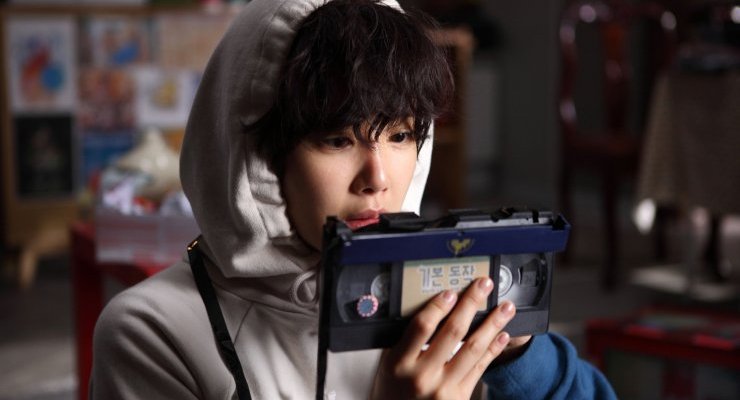
Director Lee Won-suk’s romantic comedy is a real gem and one of the most fun and exhilarating takes on the genre in a quite some time. The film itself isn’t particularly original in a narrative sense, but it’s the endlessly endearing stylization that is captivating throughout. Director Lee is superb in conveying the incredibly frustrating Korean workplace, poking fun at situations and quirky characters with real skill. But his masterstroke is in creating the cheesy retro world of the video which bestows advice on the heroine, wonderfully realised through the mise-en-scene from the glittery clothes through the silly infomercial style performances. Director Lee also manages to blend both worlds together for hilariously charming results, which manages the difficult feat of simultaneously being genuinely funny as well as conveying the difficulties of being a working women in contemporary Korea. While the ending ties up all the loose ends in a rather generic fashion, How to Use Guys with Secret Tips is one of the most enjoyable, charismatic rom-coms to emerge from Korea in recent years and is thoroughly recommended.

Drug War

Drug War

Drug War – 8/10

Iconic director Johnnie To’s Drug War is an exemplary action thriller. Moving to mainland China and away from his usual Hong Kong/Macau cityscapes, director To constructs the dark and violent world of drug smuggling with deft skill. What is particularly impressive throughout is the amalgamation of gritty urban realism, kinetic action and comedy, combined with themes of brotherhood. There is no room for romance in this very masculine world, as both cops and smugglers have unparalleled determination and refuse to give up even when faced with certain defeat. The film moves along at a rocketing pace while the stylized action sequences – including an incredible shoot-out in front of a school – leave audiences breathless. Due to this there is little time given to characterisation of the leads, but when action is this good it’s hard to fault. Another great film by the visionary director.

The Bluff (허풍)

The Bluff (허풍)

The Bluff (허풍) – 1/10

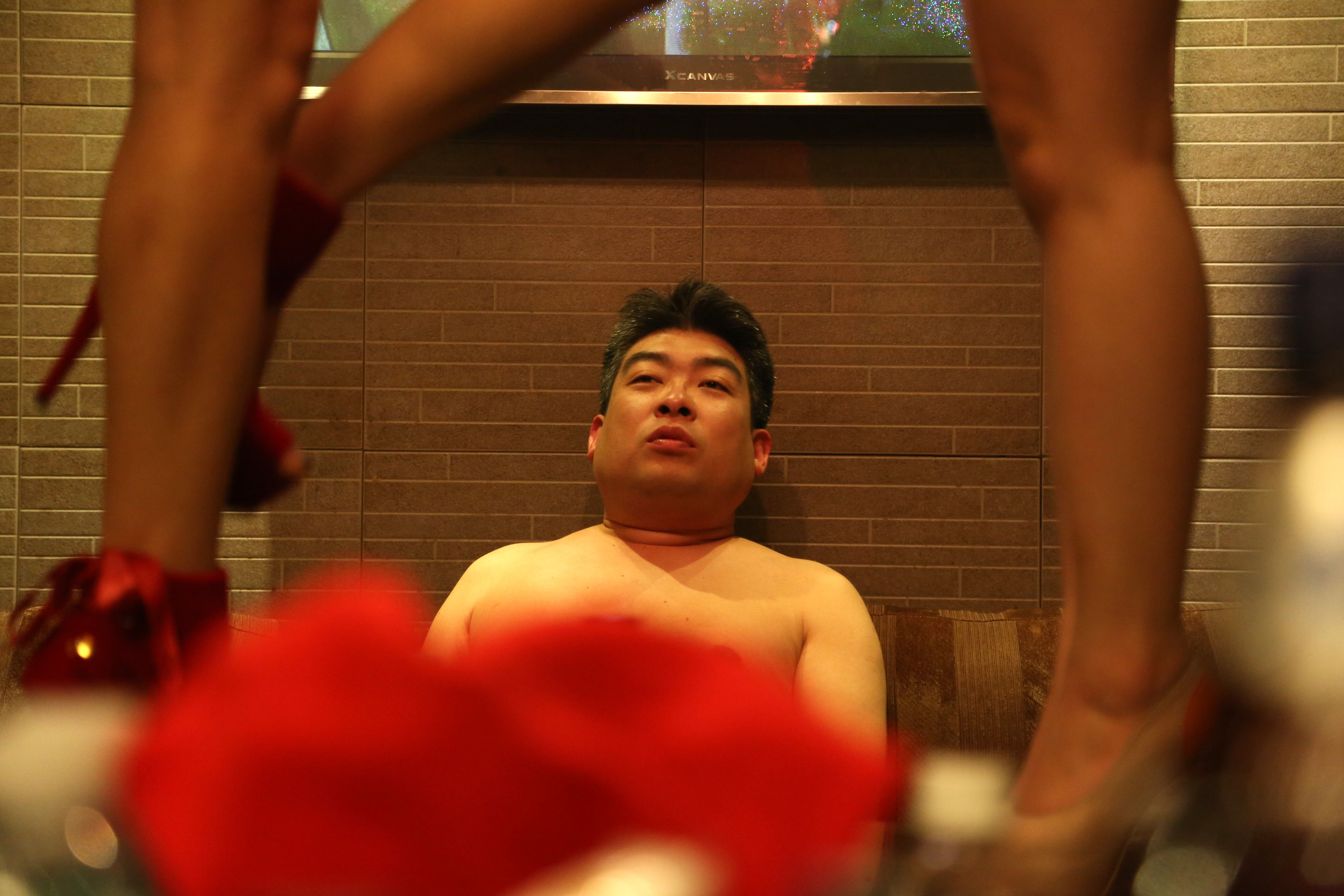
In theory, a film featuring men bluffing about sexual experiences with their friends could be an insightful piece on the fragile and almost pitiable egos of modern men. In practice, The Bluff is nothing more than dressed up, misogynistic soft-core porn. The early stories display some promise as the tubby and unattractive middle-aged men find themselves the ‘victims’ of con-artists, but they quickly dissolve into showing such men having sex with extremely attractive women that they could never hope to get outside of celluloid. Yet from there the film becomes even more misogynistic as one man calls a virgin ghost to be his sexual plaything, only to have sex with her in an animalistic and abusive fashion. Finally, the last tale involves a man having sex with an alien, who can change her face to anyone he chooses. It’s quite clear that (mostly female) porn stars are used within The Bluff due to their performances and obvious enhancements, which would be fine if the film wasn’t pretending to be something more. How it is within the ‘World Fantastic Cinema’ category at the festival is something of a mystery, as The Bluff is simply soft-core porn for men undergoing a mid-life crisis. Avoid.

Festival News Korean Festivals 2013 Puchon International Fantastic Film Festival (제17회 부천국제판타스틱영화제)
The 17th Puchon International Fantastic Film Festival

PiFan 2013: Red Carpet, Opening Ceremony and ‘The Congress’ Screening

The 17th Puchon International Fantastic Film Festival

The 17th Buchon International Fantastic Film Festival

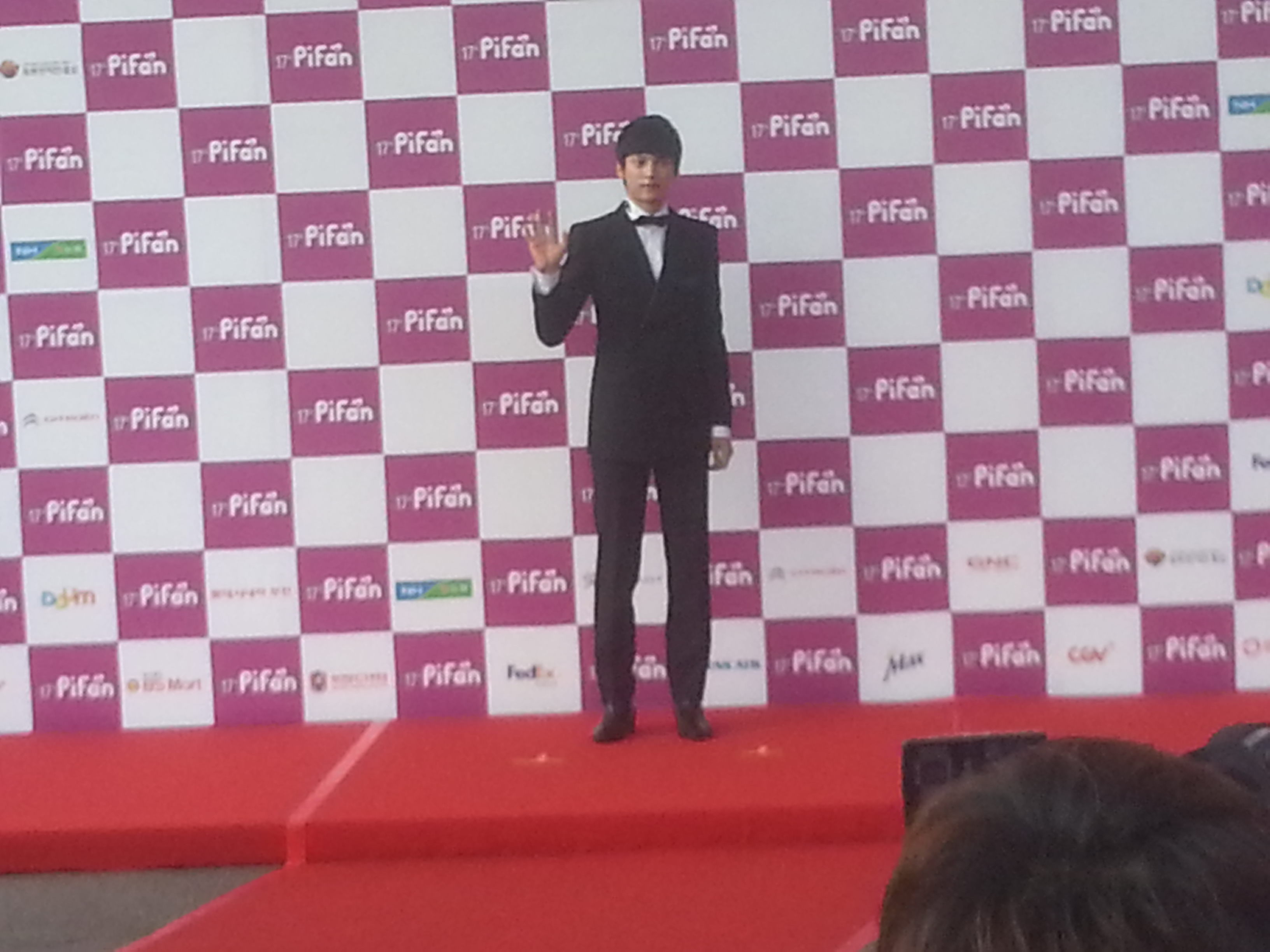
On a swelteringly hot Thursday the 18th of July, the opening ceremony of the 17th Buchon International Fantastic Film Festival began with a wonderful red carpet event.

Film stars, directors and programmers from a variety of countries all traversed the carpet to the screams of gathered fans. Hosts Shin Hyeon-joon and Choi Soo-young from Girls’ Generation were among the first to walk down followed by PiFan lady and guy Fuji Mina and Lee Hyun-woo, before several notable and internationally acclaimed film stars including Yeo Min-jeong, Son Se-bin, Kim Yoon-hye, Lee Soo-hyeok, Lee Chae-young, Park Ji-soo, Jeong Han-bi, Ahn Seung-gi, and directors Im Kwon-taek and Kim Dong-ho.

Once everyone was seated the opening ceremony began, kicked off with a performance from Kpop star – and former Buchon resident – Lee Hi, who sang her hit ‘Rose’. Shortly thereafter the PiFan awards ceremony took place, celebrating some the most popular contemporary Korean film stars. Ma Dong-seok walked away with the IT Star Award, while Kim Soo-hyun and Park Shin-hye were the recipients of the Fantasia Awards, as voted by Buchon citizens. Superstars Lee Byeong-heon and Jeon Ji-hyeon were awarded the Producers’ Choice Awards, respectively.

Red carpet event gears up

Red carpet event gears up

Fans wait to see their idols

Fans wait to see their idols

Programmers are interviewed

Programmers are interviewed

The hosts arrive

The hosts arrive

Soo-young and pose for the cameras

Soo-young and Shin Hyeon-joon pose for the cameras

PiFan guy and lady

PiFan guy and lady

Handsome actors were cheered

Handsome actors were cheered

Actresses wore stunning dresses

Actresses wore stunning dresses

dress caused a stir

Yeo Min-jeong’s dress caused a stir

Japanese filmmakers walked the carpet

Japanese filmmakers wore traditional clothes

Rising stars also made an appearance

Rising stars also made an appearance

Director Im Kwon-taek traverses the red carpet with Ahn Seung-gi and Kim Dong-ho

Director Im Kwon-taek traverses the red carpet with Ahn Seung-gi and Kim Dong-ho

Once all the festivities had settled down, it was time for the opening film The Congress to begin.

Opening Film

The Congress

The Congress

The Congress – 6/10

Directed by Israeli Ari Folman (Waltz with Bashir), The Congress tells the story of Robin Wright (playing herself), an actress who has burnt all her bridges in Hollywood and is given one final option – to sell her very ‘image’ for ‘computer artists’ to use as they please. Left with little alternative, Robin goes through with the procedure and her image makes a fortune for the studio, appearing in projects the real Robin would never do. Yet with the rapid evolution of entertainment the lines between fantasy and reality become blurred, and Robin must attempt to rediscover her identity and return to reality. As such the film is an interesting exploration of the very concepts of identity and entertainment, as well as a scathing portrayal of the manner in which women are exploited in the Hollywood system. Initially The Congress is somewhat of a pseudo-documentary, as Robin’s life is almost uncomfortably laid bare for the audience to witness and pass judgement. Such scenes often succumb to needless repetition however, as Robin is repeatedly attacked for her history of bad choices over and over again, although it does allow Folman to convey how the actress is used and abused in various relationships. The best scene in the film comes during these scenes as Harvey Keitel performs a gripping personal monologue, which the competent directing doesn’t really capitalize on. Yet as the narrative jumps twenty years into the future The Congress becomes an animated fantasy which, while gorgeously retro, is continuously frustrating. This is chiefly due to fact that it’s difficult to ascertain what exactly Robin’s impetus is in this whacky world. While it articulates how people often wish to escape themselves in old-school animated form, the film really loses a lot of the drive during this particular area of the narrative. The Congress is an interesting film that articulates a lot of important debates surrounding identity and the future of entertainment, yet it’s also a frustrating endeavour.

Festival News Korean Festivals 2013 Puchon International Fantastic Film Festival (제17회 부천국제판타스틱영화제)
The 17th Puchon International Fantastic Film Festival

PiFan 2013: Vision Express

The 17th Puchon International Fantastic Film Festival

The 17th Puchon International Fantastic Film Festival

With the 17th Puchon International Fantastic Film Festival gearing up to start on July 18th, one of the more interesting categories within the program arrives in the form of ‘Vision Express’.

‘Vision Express’ highlights some of the new emerging talent from around the world, and as such features documentaries and fiction films that are more independent in nature compared to other offerings in the program. If there’s one category that has the potential to hold some surprising new creativity, then ‘Vision Express’ certainly fits the bill.

There are four Korean films with ‘Vision Express’, featuring the work of seven directors, all of which are profiled below.

For the listings of Korean films within the Opening/Closing ceremonies, Puchon Choice, and World Fantastic Cinema, please click on the links.

Love Scene (러브씬)

Love Scene (러브씬)

Love Scene (러브씬)

Director: Lee Jeong-won (이정원), Kim Du-heon (김두헌), Moon In-dae (문인대)

Synopsis: In this 88 minute fiction, several short stories explore romantic and sexual relationships with supernatural/mystical elements.

Sunshine Love (썬샤인 러브)

Sunshine Love (썬샤인 러브)

Sunshine Love (썬샤인 러브)

Director: Jo Eun-seong (조은성)

Synopsis: A more traditional romantic tale of a couple brought together and separated by fate is offered by director Jo, as the lovers fight the odds to be reunited.

Young Artists (젊은 예술가들)

Young Artists (젊은 예술가들)

Young Artists (젊은 예술가들)

Directors: Kang Tae-woo (강태우)

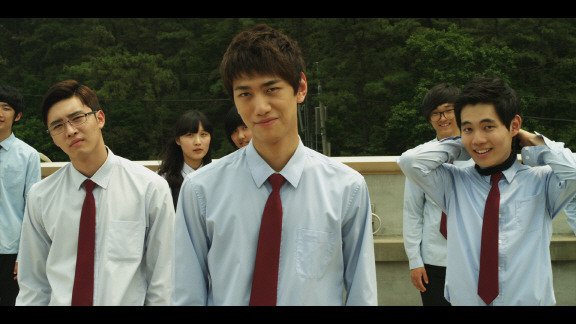
Synopsis: Young Artists depicts the lives of  students at Konkuk Art High School as they prepare for  big graduation performance at Christmas. Yet with their unique styles, will they be able to work as a team?

Incomplete Life: Prequel (미생 프리퀄)

Incomplete Life: Prequel (미생 프리퀄)

Incomplete Life: Prequel (미생 프리퀄)

Director: Son Tae-gyum (손태겸), Kim Tae-hui (김태희)

Synopsis: The lives and histories of six quite different characters are explored in this 60 minute film, examining the events and psychological traumas  of the past and how they manifest in the present.

For the full list of films playing in the ‘Vision Express’ category, please check out the official PiFan site by clicking on this link.

Festival News Korean Festivals 2013 Puchon International Fantastic Film Festival (제17회 부천국제판타스틱영화제)
The 17th Puchon International Fantastic Film Festival

PiFan 2013: World Fantastic Cinema

The 17th Puchon International Fantastic Film Festival

The 17th Puchon International Fantastic Film Festival

The wonderfully titled ‘World Fantastic Cinema’ section in the upcoming Puchon International Fantastic Film Festival (PiFan) features a truly eclectic range of films from a host of countries. With horrors, thrillers, dramas, romance and comedies on offer, there is certainly something for everyone in the line-up.

There are seven feature films from Korea within the category, including some mainstream releases as well as a focus on new talent, all of which are profiled below.

Alternatively, if you wish to see the features on the opening/closing films or the Puchon Choice categories, please click on the link(s) to be taken to the relevant page.

The Bluff (허풍)

The Bluff (허풍)

The Bluff (허풍)

Director: Gong Ja-gwan (공자관)

Synopsis: When four friends gather for a reunion, the small talk eventually gives way to more sexual topics of conversation. A game of bluffs begins, as the friends attempt to get to know each other more deeply than ever before.

Go, Stop, Murder (고스톱 살인)

Go, Stop, Murder (고스톱 살인)

Go, Stop, Murder (고스톱 살인)

Director: Kim Joon-kwon (김준권)

Synopsis: Popular game ‘go, stop’ becomes horririfc in this thriller, as a group of players in the countryside start to die one-by-one. Yet when a substitute player is brought in, he begins to think that the game itself is the source of the problem.

Horror Stories 2 (무서운 이야기2)

Horror Stories 2 (무서운 이야기2)

Horror Stories 2 (무서운 이야기2)

Directors: Jeong Beom-sik (정범식), Kim Hwi (김휘), Kim Seong-ho (김성호), Min Gyu-dong (민규동)

Synopsis: The first Horror Stories film opened PiFan 2012, so it’s perhaps only fitting that the sequel features in the line-up as well. Horror Stories 2 follows in the same footsteps as its predecessor, as three short scary tales are framed within another fourth. The Cliff involves two friends who find trouble in a mountain; Pain of Death features horrors set in the countryside; and Escape is concerned with a teacher who must deal with the consequences of some bad advice. See below for the trailer.

How to Use Guys with Secret Tips (남자사용설명서)

How to Use Guys with Secret Tips (남자사용설명서)

How to Use Guys with Secret Tips (남자사용설명서)

Director: Lee Won-seok (이원석)

Synopsis: Released back in February this year, director Lee’s How to Use Guys with Secret Tips garnered some impressive reviews from both Korean and foreign critics alike. In a case of extremely bad timing however, the film failed to set the box office alight as it went toe-to-toe with The Berlin File and Miracle in Room No. 7. The film follows unlucky-in-love Bo-na, a Tv commercial assistant director, who discovers a tape featuring instructions on how to seduce and manipulate men. But can she find true love? See below for the trailer.

Oldmen Never Die (죽지않아)

Oldmen Never Die (죽지않아)

Oldmen Never Die (죽지않아)

Director: Hwang Cheol-min (황철민)

Synopsis: In order to inherit his grandfather’s fortune, Ji-hun became a farmer to impress the old man with his labor skills and determination. Yet bizarrely the old man simply refuses to die, while the arrival of a challenger threatens Ji-hun’s plans.

Southern Superhero Showdown (촌능력전쟁)

Southern Superhero Showdown (촌능력전쟁)

Southern Superhero Showdown (촌능력전쟁)

Director: Ryu Hoon (류훈)

Synopsis: The brilliantly titled Southern Superhero Showdown features an unemployed young man named Ho-bang, who accidently discovers a strange village where everyone has superpowers. The paradox however is that the village is seemingly inescapable.

The Truth (진실)

The Truth (진실)

The Truth (진실)

Director: Seo Seung-man (서승만)

Synopsis: This 93 minute fiction blurs the lines between performance and reality through a story featuring stage actors. When weapons are brandished and characters die on stage, what really is going on?

For the full line-up of films in the PiFan World Fantastic Cinema category, please head over to the PiFan site by clicking on this link.

Festival News Korean Festivals 2013 Puchon International Fantastic Film Festival (제17회 부천국제판타스틱영화제)
The 17th Puchon International Fantastic Film Festival

PiFan 2013: Puchon Choice

The 17th Puchon International Fantastic Film Festival

The 17th Puchon International Fantastic Film Festival

With the Puchon International Fantastic Film Festival gearing up for it’s 17th installment, a large variety of films have been selected to showcase the diverse genre filmmaking talent across the globe.

There are some wonderfully titled categories throughout the program that emphasise the dedication to popular cinema, and within each are an eclectic selection of Korean films that highlight the many and varied productions emerging from the country.

This article will explore the films within the ‘Puchon Choice’ category, which contains one current and highly popular feature film from director Jang Cheol-su, and several noteworthy shorts that explore a host of topics through genre frameworks.

Puchon Choice

Secretly, Greatly (은밀하게 위대하게)

Secretly, Greatly (은밀하게 위대하게)

Secretly, Greatly (은밀하게 위대하게)

Director: Jang Cheol-soo (장철수)

Synopsis: Based on the popular webcomic and still enjoying a healthy run at the box office, director Jang’s Secretly, Greatly has broken several records – biggest opening day (497,560), most admissions in one day (919,035) and the fastest film to cross the one million mark (36 hours) (Source: Kobiz). The success has largely been attributed to the three heartthrob actors within the film, notably Kim Soo-hyun whose star power has increased dramatically. This will be the first showing of the film with English subtitles in Korea, so fans will be quick to get tickets.  Please see below for the trailer.

Buchon Choice: Short 1

8

8

8

Director: Lee Sang-il (이상일)

Synopsis: There is precious little information about director Lee’s 3 minute short fiction film, but judging from the stills it appears to be an abduction horror/thriller set in an apartment.

Two Boys and a Sheep (소년과 양)

Two Boys and a Sheep (소년과 양)

Two Boys and a Sheep (소년과 양)

Director: Lee Hyeong-seok (이형석)

Synopsis: This 18 minute fiction gets its international premiere at PiFan 2013, and features several protagonists quarreling over the titular sheep. Looks to be one of the more quirky offerings from the festival.

When the Moon is on the Wane (달이 기울면)

When the Moon is on the Wane (달이 기울면)

When the Moon is on the Wane (달이 기울면)

Director: Jeong So-yeong (정소영)

Synopsis: In a village full of tilting houses only one woman – Jae-ah – stays behind to wait for her brother. An intriguing premise that hints at exploring the notion of community and family, as well as history and memory and how they erode over time.

Buchon Choice: Short 2

Dirty Harry (더티혜리)

Dirty Harry (더티혜리)

Dirty Harry (더티혜리)

Director: Lee Yo-seob (이요섭)

Synopsis: Director Lee’s 28 minute short explores teenage pregnancy. When Harry discovers her best friend Crush is pregnant, she tracks down the father – a delivery boy from a local Chinese restaurant.

The Rumblings (밀청)

The Rumblings (밀청)

The Rumblings (밀청)

Director: Choi Ju-young (최주용)

Synopsis: Mi-yeon lives a monotonous life ever since her husband passed away, and one day begins to listen in her neighbor’s conversations. But what started as fun suddenly turns serious.

A Stranger Dream (이몽)

A Stranger Dream (이몽)

A Stranger Dream (이몽)

Director: Tak Sae-woong (탁세웅)

Synopsis: Horror/thriller A Stranger Dream depicts a young woman who witnesses the murder of a man living in a luxurious mansion – in her dreams. They are so vivid, and continually recur, that the woman then decides to seek out the man and warn him.

Festival News Korean Festivals 2013 Puchon International Fantastic Film Festival (제17회 부천국제판타스틱영화제)
Pluto (명왕성)

Pluto (명왕성) – ★★★★☆

Pluto (명왕성)

Pluto (명왕성)

The Korean education system is infamous for it’s grueling and oppressive culture, and the stress imposed on youngsters has often been the subject of film. Typically such themes appear in the form of teenage horrors, such as the successful Whispering Corridors series, whereby the pressures of constant examinations and competition from other students prove too much to bear for their very souls.

With Pluto (명왕성), director Shin Su-won (신수원) takes a dramatic-thriller approach to the topic and the result is fantastic. Employing the technical prowess and artistic sensibilities that earned her the Canal Plus prize for her short Circle Line (순환선) at Cannes, director Shin deftly explores the weighty subject matter with skill. Even more impressive is that Pluto manages to straddle both the independent aesthetic realm as well as more mainstream territory, a remarkable achievement given that it’s only her second feature film. While some critics have lamented the inclusion of more generic features, it is a wise move on director Shin’s part as it solidifies her name through the industry as a talent to watch.

At a highly prestigious high school that produces some of the most elite students in Korea, top student Yun-jin (Seong Joon (성준) is found murdered in a nearby forest. Immediately suspected is frosty roommate Joon (David Lee (이다윗), yet with a sound alibi his release is assured. Yet Joon knows much more about the circumstances surrounding Yun-jin’s death than he reveals, and gathers the most elite student group at school together to discover the killer.

The elite students run the school, forging a secret society

The elite students run the school, forging a secret society

Pluto begins with all the hallmarks of a highly competent independent thriller, as Yun-jin is stalked in the woods until he meets his untimely demise in suitably shocking fashion. Yet from such humble beginnings director Shin skillfully intertwines such low-budget aesthetics with thriller conventions, as prime suspect Joon is immediately questioned by detectives; however his intelligence proves too great for the officers to cope with, and with zero evidence, he is released. Both realms are consolidated incredibly well through the use of the non-linear narrative as Joon – sporting rebellious blue hair – in the present holds suspects captive as time counts down, while flashbacks to Joon’s admission to the school convey the character driven foundations.

The method is wonderfully effective in articulating the intense pressures enforced on students, whilst simultaneously providing each member of the school motive for Yun-jin’s murder. Director Shin approaches the topic with keen insight – perhaps unsurprising given her history as a teacher – as she emphasises how parental wealth, greedy tutors, and corrupt school officials are all accountable in the creation of highly intelligent yet morally questionable youths. And their actions are certainly unconscionable, as awful acts of cruelty are performed within the elite secret society of top tier students, ranging from sexual assault, bullying, bludgeoning animals and vandalism that ultimately result in suicide and murder.

Acts of vandalism are overlooked by officials in the bid to produce the best candidates

Acts of vandalism are overlooked by officials in the bid to produce the best candidates

Yet as ‘evil’ as their deeds are, director Shin fully develops each elite student as a victim in their own right. The lack of parental guidance and the encouraged desire to win at any cost pushes them into psychological instability. Their wildly spinning moral compass is, director Shin conveys, the result of a fundamentally corrupt education and class system that is doomed to repeat itself. The narrative wonderfully explores what happens when someone dares to challenge such a system through Joon, as he attempts to breach a social and educational class supposedly beyond his reach. Joon’s creativity and alternative perspective on life is brilliantly realised through his discussion on Pluto’s demotion, a theory that superbly encapsulates the very essence of the story – the belief that the sun/exam results are the center of the universe/life is not only flawed but wholly arrogant.

Lee David (이다윗) is highly competent in his performance as Joon. The novice actor does well in conveying an initially hopeful and interesting young man whose jealousy and desire leads him on a darker path. As his originality and creativity are quashed for the sake of exam results, the transformation into amorality is wholly believable.

Yet despite so many positive accomplishments, the final act was lamented by some critics for its use of generic conventions. This is an understandable criticism although one that is somewhat nitpicking. What director Shin has achieved with Pluto is remarkable, as she has taken a film with a keen social message and made it mainstream; a two-for-one in promoting debate on a serious Korean issue as well as solidifying her reputation as director of talent.

The intense stress and competition becomes to much to bear for Joon

The intense stress and competition becomes to much to bear for Joon

Verdict:

Pluto is an excellent exploration of the intense Korean education system, and the highly intelligent yet morally questionable youth that it creates. It’s a stunning feature film from director Shin Su-won, whose keen eye for symbolism and character study is articulated throughout. One of the great strengths of the film is the manner in which director Shin combines both the independent aesthetic with the mainstream thriller, simultaneously promoting debate on an important social issue as well as cementing herself as a quality director. Thoroughly recommended.

★★★★☆

International Women's Film Festival in Seoul (서울국제여성영화제) Reviews
The 17th Puchon International Fantastic Film Festival

PiFan 2013: The 17th Puchon International Fantastic Film Festival

The 17th Puchon International Fantastic Film Festival

The 17th Puchon International Fantastic Film Festival

The Puchon International Fantastic Film Festival – or PiFan, for short – is gearing up for its 17th installment commencing this coming July 18th and running through to the 28th.

As is always the case with PiFan, the focus on genre films means a quite eclectic range of screenings from a variety of countries, and the 2013 edition continues the trend. A total of 219 films – 133 feature films and 86 shorts – from 40 countries are on offer, opening with the Asian premiere of animated all-star cast feature The Congress by director Ari Folman, and closing with the World Premiere of Korean film The Terror Live (더 테러 라이브) by director Kim Byeong U (김병우).

The Congress

The Congress

Opening Film The Congress

Israeli director Ari Folman, who previously made waves with Waltz With Bashir in 2008, finally returns to the director’s chair with The Congress. An international co-production between Israel, Germany, France, Luxembourg Poland and Belgium, The Congress features an all-star cast in a story that sees Robin Wright ‘sell’ her image to create a digital actress. However in doing so she can never act again, and more importantly, she loses all rights in the control of her very image. Please see below for the trailer:

The Terror Live (더 테러 라이브)

The Terror Live (더 테러 라이브)

Closing Film The Terror Live (더 테러 라이브)

PiFan wraps up the festival with the world premiere of Korean film The Terror Live (더 테러 라이브). Director Kim Byeong U’s (김병우) thriller features Ha Jeong-woo (하정우) as disgraced anchorman-turned-radio host Yoon Young-Hwa. When a terrorist calls the show threatening to blow up a bridge, Yoon calls it a hoax – only for the bridge to explode. Believing this to be an opportunity to become a TV anchorman once more, Yoon works hard to become involved in the incident, only for it to escalate even further. Please see below for the trailer:

Furthermore, PiFan will feature several films by some of the most prolific directors working today, including Johnnie To – Blind Detective, Drug War -, Miike Takshi – Shield of Straw, Lesson of Evil – and a special program dedicated to Japanese director Tsukamoto Shinya – Tetsuo, The Iron Man, Tetsuo II: The Body Hammer, Tokyo Fist, Bullet Ballet, A Snake of June and Kotoko.

Cult films will be present in the Ourselves, Our Robots: The Thin Line Between Human and Robot showcase, featuring the likes of THX 1138, Robocop, Manborg, The Machine, and Computer Chess. Meanwhile Urban Cult: The Dark Side of the City will feature The Warriors, Escape From New York, Maniac, Maniac Cop 2 and Vigilante.

Fo the full line up and timetable of screenings, please visit the official PiFan website here.

Festival News Korean Festivals 2013 Puchon International Fantastic Film Festival (제17회 부천국제판타스틱영화제)
My Place (마이 플레이스)

My Place (마이 플레이스) – ★★★★☆

My Place (마이 플레이스)

My Place (마이 플레이스)

The best kinds of documentary are the ones where the audience and those within the film itself undertake the same journey of discovery, sharing revelations and introspections about a particular topic that ultimately change the perspectives of those both sides of the camera. This is acutely the case with director Park Moon-chil’s My Place, a highly personal account of the director’s own family history and trauma. Director Park explores the inherently Korean cultural clashes of traditional ideology versus the contemporary, Western individualism contrasted with Eastern collectivism, as well as gender and family politics, all through the microcosm of his own family unit. Beginning with very traditional concerns over his unmarried sister’s pregnancy, the documentary charts how every member of the Park family is forced to re-examine themselves, their pasts, and their choices in order to welcome the new member into the fold. From beginning to end My Place is a heartwarming and illuminating film, thanks in no small part to the director’s wonderfully strong and charismatic sister who challenges familial and cultural issues head-on and emerges victorious.

My Place (마이 플레이스)

Cross-cultural trauma and single motherhood are problematic topics in Korea

Director Park’s sister Peace is very much the heart and soul of My Place, and the documentary is largely centered around the ramifications of her decision to be a single mother. In Korean culture unwed mothers are heavily stigmatized, and the film begins by attempting to address her perceived irresponsibility and whether abortion is a viable option. Yet as director Park converses about the issue with his parents, he begins to re-evaluate his own understanding of his sisters character through considering their shared history, and by interviewing her about her past and the pregnancy. The technique is superb, as the non-judgmental approach allows for layers of psychology and past traumas to be re-examined, and how they impact the decisions of the present. For instance, the film explores how the siblings were born and raised in Toronto which allowed their individuality and creativity to be nurtured, yet their forced relocation back to Korea at a young age provided an enormous culture shock that was difficult to cope with; the director even noting that school assemblies reminded him of the Nazis. The impact was greatest on Peace however, and the home videos and photographs of her childhood authentically capture her fraught and difficult childhood.

Old home videos add authenticity to the journey the family undertake

Old home videos add authenticity to the journey the family undertake

Director Park also applies such frameworks to his mother and father, and in doing so discovers more about what drove them in their youth and what shaped their decision-making processes so long ago. With the revelations of Peace’s unhappy childhood it would be all too easy to blame his parents, and while they indeed acknowledge responsibility for their choices, delving into their history stops the issue from being simple. Such scenes are brilliantly edited within the documentary not only for their seamlessness, but the constantly compelling revelations regarding his parents inspires audience introspection. Each member of the Park household is a fascinating person forged by history, and the loving care that director Park exhibits when filming them is palpable. This particularly applies in regard to Peace, as the directors respect and admiration for his sister clearly grows and develops during the course of the film.

Ironically what forces the family to re-evaluate themselves is the very thing that causes them worry – Peace’s pregnancy. And when her son Soul is born, witnessing the family gathering together and become stronger than ever is extremely poignant. Director Park charts the very early years of Soul’s life in similarly effective style, exploring how each member attempts to find a role in which to provide help and support, and the results are consistently moving, humourous and entertaining. Watching Peace working hard as a single mother, and Soul as he develops a personality of his own, is powerfully absorbing and captured with tenderness and sensitivity. One such scene involves Soul and his grandfather reading a storybook together, and the attempt to bestow morality lessons on the youngster is a beautifully funny moment. Director Park – and the audience – come to realise that the initial concerns over Peace’s pregnancy were unfounded, and that the strength and resilience she exhibits as a single mother are incredibly admirable. As such, My Place is emblematic of changing cultural attitudes, and is a wonderful testament to the love and bonds shared within the family.

Family trauma is revisited and healed through the birth of Peace

Family trauma is revisited and healed through the birth of Peace

Verdict:

My Place is a funny, enlightening, and wonderful documentary about the importance of family. By using his unwed sisters pregnancy as a catalyst, director Park Moon-chil uses his concerns as a springboard in which to explore the history and psychology of his mother, father, and most predominantly his sister Peace. In doing so director Park shares his revelations and changing attitudes with the audience, with each step constantly compelling as the family attempt to heal past traumas in order to welcome the new baby. A superb and lovely documentary.

★★★★☆

International Women's Film Festival in Seoul (서울국제여성영화제) Jeonju International Film Festival (제14회 전주국제영화제) Reviews
A former 'prostitute' throws candy at evil spirits while cursing American GIs.

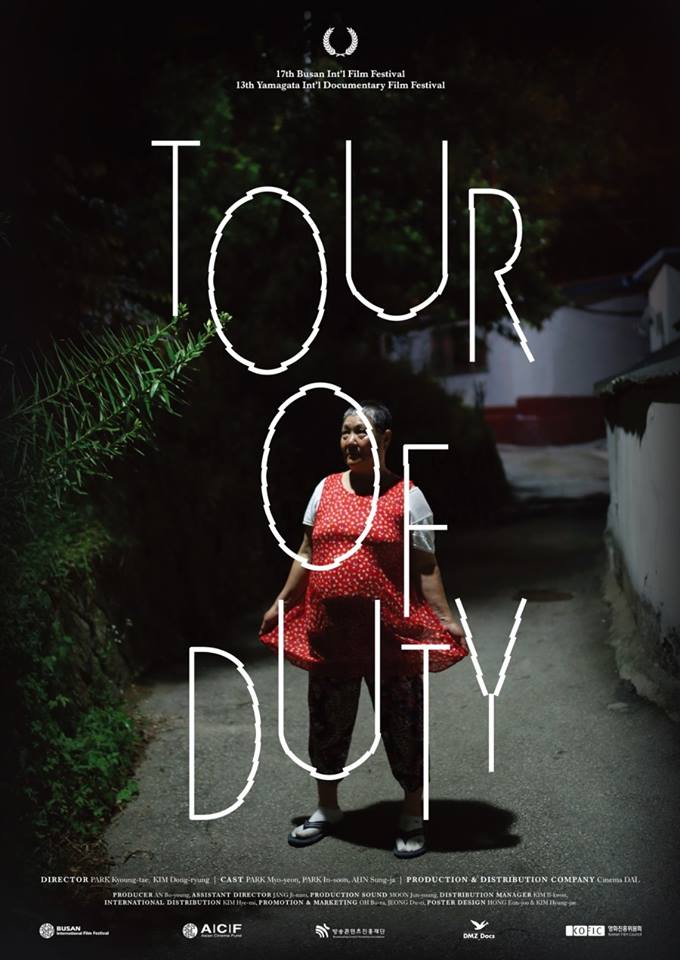
Tour of Duty (거미의 땅) – ★★★☆☆

Tour of Duty (거미의 땅)

Tour of Duty (거미의 땅)

The sexual slavery inflicted upon the women of Korea during the Japanese occupation is an oft-discussed topic in Korean culture, with the euphemistically labelled ‘comfort women’ still striving for acknowledgement of the abuses they suffered. Less debated, however, is how the Korean government similarly forced such atrocities upon the women of the country for the pleasure of the American military, which was required in order to keep ‘peace’ on the peninsula. The hypocrisy involved has been a genuine source of frustration amongst feminists, particularly in regards to terminology – as money was exchanged for such sexual services with the American GIs, the women are often referred to as ‘prostitutes’ despite the subjugation imposed upon them.

Tour of Duty (거미의 땅)

Tour of Duty opens with a heartbreaking tale

Tour of Duty (거미의 땅), by directors Kim Dong-ryung (김동령) and Park Kyoung-tae (박경태), is a documentary that seeks to address the experiences of such ‘forgotten’ women. The film explores the lives of women forced to provide sexual services in a military town in the Uijeongbu area, and the affects of a history of sexual bondage. It is a heart-breaking and gut-wrenching viewing experience as the handful of women who still live in the now dilapidated town share their stories, and the poignancy is difficult to overstate. Directors Kim and Park do well in simply allowing their subjects to recount their traumatic pasts and their own distinct personalities, accompanied by some very attractive cinematography that exemplifies the twisted, labyrinthian landscape of not only the area but also the psychological trauma within. Yet despite such initial potency Tour of Duty loses focus and compulsion due to each director attempting to impart their own creativity on the film, resulting in an incredibly overly-long running time of two and a half hours.

A former 'prostitute' throws candy at evil spirits while cursing American GIs.

A former ‘prostitute’ throws candy at evil spirits while cursing American GIs.

Tour of Duty opens in suitably powerful style, as a now-elderly lady discusses some of the awful abuses she suffered when the military town was fully operational. The frank, almost confessional-tone of the conversation which includes the number of sexual partners and abortions she endured in her youth is beyond moving, while the resilience and resolve that developed as a result is incredible to witness. Similarly, the other women within the documentary are also highly compelling as they recount not only their tragic history, but their current life of squalor. One such woman, who became infected with a venereal disease from an African-American soldier, walks around the desolated military town throwing candies to ward off evil spirits while screaming racial obscenities about the man who gave her the affliction. Another traverses the myriad of maze-like pathways searching through refuse, lamenting the loss of her children. Directors Kim and Park employing stunning cinematography for each woman, employing different and very effective cinematic techniques for each in order to convey the disparate characters within the film. One of the most powerful images in the film comes when trying to locate the town itself on a map. As the camera moves across the Uijeongbu district, the sheer number of former military towns starkly articulates that the women featured within Tour of Duty are symbolic of a great many such stories in the area.

Yet the documentary becomes problematic when it begins to explore the life of an African-American/Korean orphan. Her history, involving childhood abduction by the authorities and forced prostitution – in which she often made to ‘service’ up to 15 soldiers a day – is no less harrowing than the other pasts being recounted. However the manner in which her story is told is highly expressionistic and completely at odds with the prior documentarian aesthetic. As such it is very clear that two directors are collaborating, with their alternative visions never managing to form a cohesive whole. The result is two films that have been edited together in a rather rudimentary fashion, which detracts from the incredible poignancy of what came before. This also gives rise to the other big issue with the film in the form of the two and a half hour running time, which is far, far too long. This is a genuine shame as had the two quite different films been edited separately both would be much stronger pieces of film, particularly the superb documentarian aesthetic in which Tour of Duty began.

A Korean-American orphan explores the old brothels she was forced to work in

A Korean-American orphan explores the old brothels she was forced to work in

Verdict:

Tour of Duty is a powerful documentary about the sexual abuses suffered by Korean women in an American military town in the Uijeongbu district. The stories of sexual slavery are harrowing and poignant, while the government role by both Korea and America in the atrocities, as well as the ‘forgotten’ status of the women, makes for an important and sometimes upsetting viewing experience. Yet the film loses traction as directors Kim Dong-ryung and Park Kyoung-tae seek to impose their quite different visual styles – the documentarian and the experimentalist – and the two disparate aesthetic styles never combine into a cohesive whole and make an overly-long running time of two and a half hours. Despite this, Tour of Duty is a potent reminder of crimes from the recent past that should not be forgotten.

★★★☆☆

http://www.youtube.com/watch?v=PKJJeie26EQ

International Women's Film Festival in Seoul (서울국제여성영화제) Reviews