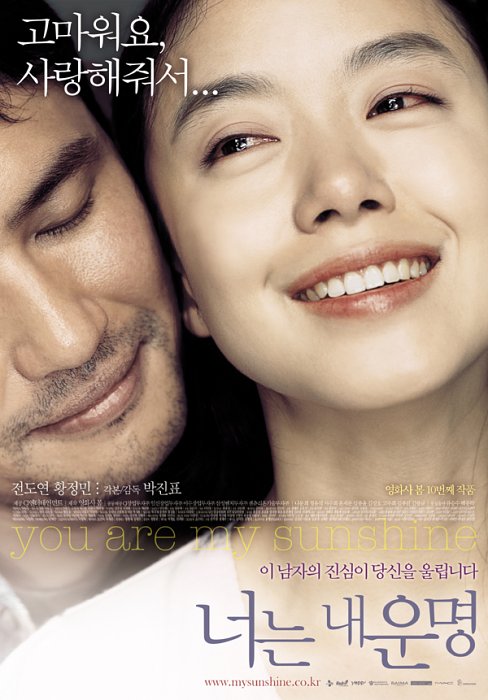
In a small picturesque countryside town, cattle farmer Seok-jung (Hwang Jeong-min (황정민) yearns to be married. Having saved plenty of money he initially considers finding a bride in The Philippines, however decides that the absence of love defeats the purpose. Close to giving up hope, Seok-jung spies new resident Eun-ha (Jeon Do-yeon (전도연) in the village who works as a ‘coffee girl’/prostitute, and is instantly smitten despite his mother’s (Na Moon-hee (나문희) disapproval. Seok-jung showers Eun-ha with affection in order to win her heart, with the worldly-wise Seoulite gradually succumbing to his country charms. Yet Eun-ha’s turbulent past eventually catches up to her, testing the limits of their love.
When Seok-jung sees Eun-ha, it’s truly love at first sight
Director Park Jin-pyo (박진표) cemented his status as a filmmaker of repute with You Are My Sunshine, a romantic-drama that impressively employs the cliches and predictable pleasures of the genre in becoming an effective and entertaining tear-jerker.
While You Are My Sunshine doesn’t push any boundaries in terms of originality, director Park perceptively infuses the film with generic conventions alongside an awareness of their strengths and limitations, following tried-and-tested motifs yet still managing to avoid descending into corny melodrama. Indeed, certain scenes even playfully poke fun at the huge popularity of such tales despite the silliness, in amusing self-referential moments. As well as the clearly self-aware narrative, the camerawork and cinematography apply a more social-realist aesthetic than is typically found in other examples of the genre, halting the story from becoming too whimsical by grounding events with a distinct air of realism. Luckily this doesn’t translate into the story taking itself too seriously, as You Are My Sunshine fully embraces the cliches as virtues and emerges stronger for it.
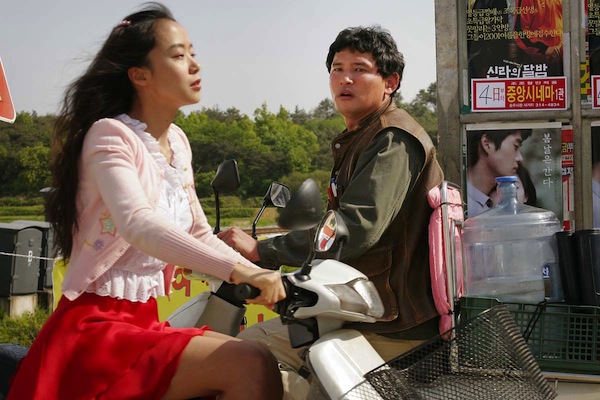
Coffee girl Eun-ha gradually starts to fall for Seok-jung’s sincere declarations
The power of You Are My Sunshine resides in the central relationship which features fantastic performances by leads Hwang Jeong-min and Jeon Do-yeon, who received critical acclaim as well as notable accolades, for their turns in the film. Hwang Jeong-min is incredibly charismatic as farmhand Seok-jung. He clearly bulked up for the role as his size is particularly imposing, which ironically contrasts with his boyishly energetic mannerisms and speech that convey a kindly and naive, yet intellectually limited, suitor. Much of the film’s enjoyment is derived from his boundless hopefulness and innocence as he pursues and is constantly rejected by a ‘coffee girl’ – a desire his mother and friends are baffled by – yet his persistence and sincerity are heartwarming despite the cliches. Jeon Do-yeon, meanwhile, opts for an alternative approach in her portrayal of Eun-ha as she doesn’t merely act the role, but inhabits it completely. She is simply brilliant throughout, channeling Eun-ha’s pessimism and experience in confrontations with Seok-jung with acute sophistication.
Unfortunately however the narrative falters in the final act as the pressure to succumb to melodrama is impossible to avoid, although fans will undoubtedly be highly satisfied. Director Park employs a life-threatening illness as a plot device to generate to required sentiment which is quite exploitative, however he manages to sidestep the full brunt of criticism by using it to explore the ignorance of local townsfolk, the negativity inherent in gossip, as well as the manner in which the media appropriate such events for gain. It amalgamates into a finale that is ultimately far too long yet it does contain some interesting debates regarding Korean society and law.
The lovestruck couple find their love is tested in ways unimaginable
Verdict:
You Are My Sunshine is an entertaining romantic-drama by director Park Jin-pyo, who employs the cliches and conventions of the genre effectively without succumbing to whimsical melodrama. Featuring wonderful performances by Jeon Do-yeon and Hwang Jeong-min, as well as a sense of self-awareness and greater realism than its peers, the film is particularly effective in conveying a fraught tale of romance that fans of the genre are sure to relish.
Kang In-gu (Song Kang-ho (송강호) is far from the average gangster. While he joins his compatriots in the Dog Gang as they partake in criminal activities and expand their territory, In-gu also wants the joy of having a typical family. Yet his long-suffering wife (Park Ji-young (박지영) and daughter (Kim So-eun (김소은) are deeply ashamed of his occupation, with In-gu’s efforts to impress them and earn their respect constantly failing. Thankfully, due to a great deal secured by In-gu, he can finally quit the gangster lifestyle and focus on creating the perfect home in the suburbs. Yet when the ambitious younger brother (Yoon Je-moon (윤제문) of the big boss (Choi Il-hwa (최일화) makes a play for power, In-gu’s dreams quickly begin to unravel.
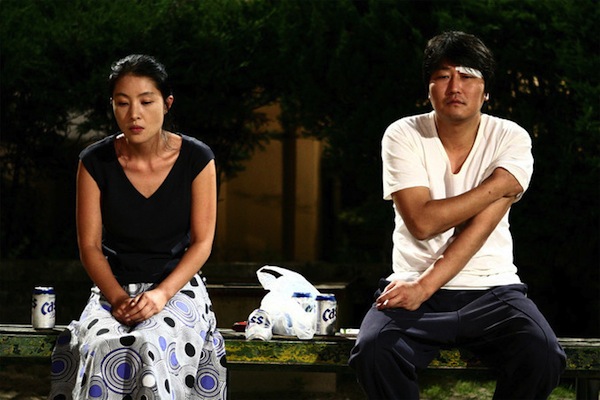
In-gu’s attempts to have a career as a gangster as well as a family strain his relationships
The Show Must Go On is a unique gangster tale in that director Han Jae-rim does away with the overt machismo and glamourisation of the underworld lifestyle, presenting a more grounded and comedic interpretation of the genre. Crime comedies have become somewhat of a staple in Korean cinema with the Marrying the Mafia and My Wife is a Gangster series, but what sets The Show Must Go On apart from its peers is that overt humour is jettisoned in favour of irony and satire. The original Korean title translates as ‘Elegant World‘ yet In-gu’s life is revealed as anything but, as he works hard in absurd situations in order to provide for his family but succeeds only in upsetting them further. When his daughter’s grades slip, for example, In-gu attempts to bribe the concerned teacher with vouchers incurring greater animosity from the family. In his role as senior gangster, In-gu is forced to wrestle with a short middle-aged man and bite his fingers in order to acquire prints for a contract. It is through such ironic moments that director Han pokes fun at both the lifestyle and the genre, resulting in a film with a distinct identity.
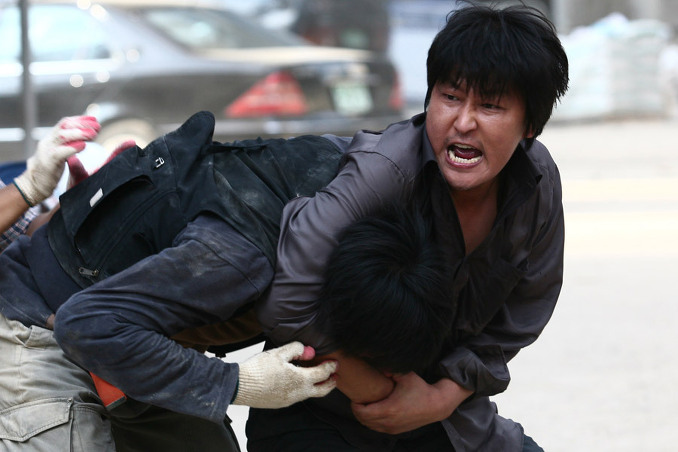
That said, the humour within the crime-comedy-drama misses more often than it hits. While director Han competently helms the action and creates certain confrontations that raise a smile, others mostly just fall flat and give way to violent conflict, dramatic scenes, or a combination of the two. As such the tone within The Show Must Go On veers uncontrollably throughout the narrative and is incredibly uneven from beginning to end. Certain set-pieces – such as a battle royale between gangsters and striking construction workers, presented as comedic through the overtly feminine fighting styles of the supposedly tough criminals – make light of keen social problems which tends to seem in bad taste. Legendary supporting actor Oh Dal-soo is employed to help bring a greater element of fun as In-gu’s best friend from a rival gang, however his paltry screen-time unfortunately allows him little room to maneuver.
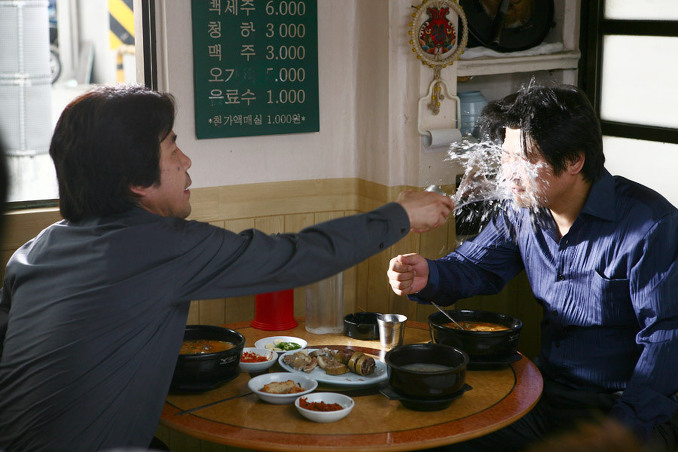
In-gu and best friend Hyun-soo joke around in one of the film’s lighter moments
The uneven tonal balance extends to The Show Must Go On’s weak final act, where the film disappointingly falls into repetition and melodrama. At 112 minutes the film doesn’t have a particularly long running time yet due to the imbalances and protracted finale,tedium sets in ultimately resulting in a film which feels overly long.
What makes The Show Must Go On watchable and entertaining is the highly charismatic performance of Song Kang-ho, who carries the entire film on his talented shoulders. The star has made a career out of playing incredibly likable, bumbling, well-intentioned fools and he channels such prowess brilliantly into the character of In-gu. Song also manages to construct the protagonist as so appealing that a great deal of sympathy is almost demanded from the audience, despite In-gu’s status in the criminal underworld. The actor conveys the gangster first and foremost as a sensitive husband and father, desperate to do right by them yet as he is his own worst enemy, he simply creates further embarrassment and tension. In removing the overt machismo and swagger so often associated with the genre and constructing In-gu as a character with more diversity and depth, Song has taken a highly uneven script and made it an engaging drama.
In-gu is violent when necessary but first and foremost is a family man
Verdict:
The Show Must Go On is a unique offering by director Han Jae-rim, who seeks to construct a gangster comedy with ironic and satirical sensibilities. The result is very hit-and-miss with a tone that is generally all over the place, despite the competent directing on display. The film is saved however by Song Kang-ho’s wonderful performance as a sensitive father/criminal, and fans of the actor will no doubt find much to enjoy.
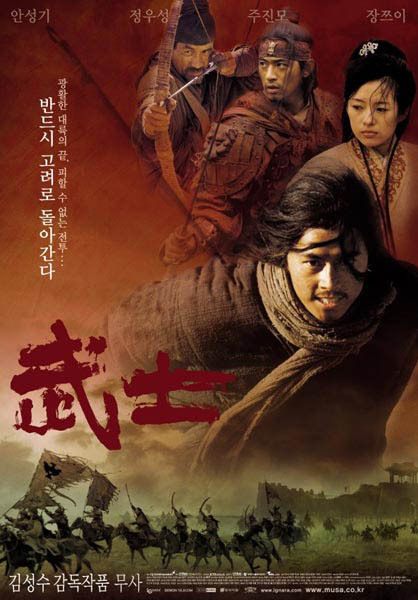
In the year 1375 AD, the Ming Empire has forced the Yuan dynasty north of the Great Wall in what is now known as China. The warring has heightened tension throughout the region with suspicion and threats around every corner. The kingdom of Goryeo (ancient Korea) is also at odds with Ming following the assassination of King Gong-min as well as emissaries from the Empire. In an attempt to reestablish peace between them, Goryeo sends a special envoy to Ming, yet upon arrival they are accused as spies and sent into exile. As the emissaries traverse the scorching desert, their caravan is attacked by Mongolian warriors, who free the Goryeo delegates and leave them to their fate. Taking command, Royal Guard General Choi Jung (Joo Jin-mo (주진모) leads the party, as well as a band of conscripts headed by Jin-lib (Ahn Sung-gi (안성기), out of the wasteland with the intention of journeying back home. However upon arriving at a frontier outpost the General notices that a band of Mongols have abducted a Ming princess (Zhang Ziyi), while a personal conflict reveals a former Goryeo slave named Yeo-sol’s (Jung Woo-sung (정우성) phenomenal fighting prowess. The General decides that the only way back home is fight alongside the rag-tag group of warriors and rescue the princess to restore the relationship between the two nations, yet completing the task will be far easier said than done.
Suspected as spies, the Goryeo delegation is sent into exile yet fate has other plans
Shot entirely on location in China, director Kim Sung-su’s historical epic Musa – The Warrior was the most expensive Korean production at the time of inception. Featuring an all-star cast from the peninsula as well as Chinese actress Zhang Ziyi, who at the time was a hot property following her turn in Crouching Tiger, Hidden Dragon (2000), Musa generated an enormous amount of hype prior to release which translated into invitations to a score of international film festivals, yet something of a lukewarm reception during its box office run at home.
Musa is perhaps best described as a wuxia western and as such stands out as a unique entity in Korean cinema. The large budget has been effectively applied onscreen with the stunning cinematography consistently captivating, particularly when filming the great number and range of landscapes involved, which capture the inherent dangers of traversing the Chinese wilderness during the era. Yet on a smaller scale the acute attention to detail is also impressive, with the costumes of each protagonist meticulously precise and adding a keen sense of authenticity to the proceedings.
Such credibility is also extended through the action sequences. While a far cry from the elegance of other martial arts epics, Musa is effective in portraying a more realistic depiction of conflict by revealing the sheer brutality of war and murder through some particularly bloodthirsty moments, scenes which are certain to please fans of the genre and are certainly not for the squeamish.
Former slave Yeo-sol is a formidable warrior with a staff
However while Musa is an epic in an aesthetic sense, the script doesn’t match the visual ambition. The story and characterisation are far too simplistic and underdeveloped for such a saga and as such it’s difficult to fully invest with those involved or the odds they face, save for the fact they are underdogs. There is also a high degree of repetition, as the delegation march through an inhospitable environment before battling an enemy, then traverse a different hostile region and engage in another assault, and so on. Coupled with a running time of over 2 hours, Musa ultimately sinks into tedium, especially in the later stages.
As characterisation is an issue, audience alignment is primarily formed through the star power each actor brings to the narrative. The most successful in this endeavour are Ahn Sung-gi as conscript captain Jin-lib and Joo Jin-mo as General Choi Jung. Their quarreling regarding the correct course of action provides the greatest insight into the motivations within the party, with tantalizing hints at greater development that are never capitalised on. The greatest waste of talent applies to Jeong Woo-seong and Zhang Ziyi who are woefully underutilized throughout the film. Aside from phenomenal fighting skill and spoilt pouting, the pair rarely fulfill any other function which is a great shame considering their abilities.
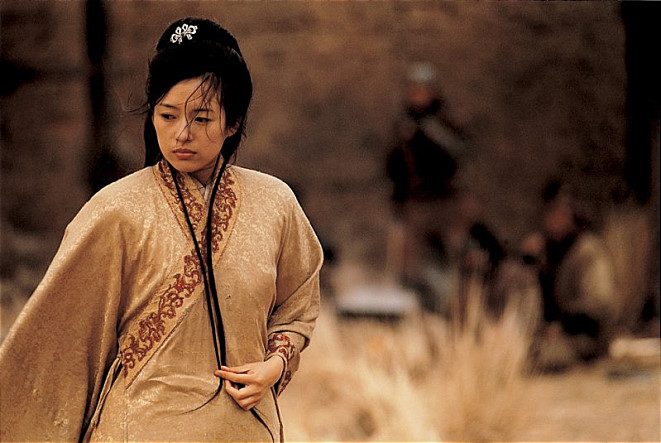
The spoilt Ming princess comes to understand the horrors that lay outside the kingdom
Verdict:
Musa – The Warrior stands out in Korean cinema as an interesting wuxia-western fusion, one which is consistently stunning due to the visual ambition of director Kim Sung-su. Yet aside from featuring impressive attention to detail and kinetic action sequences, the overly long narrative doesn’t match the epic qualities of what’s onscreen while the A-list talent is woefully underutilized, resulting in an entertaining though uncompelling action-adventure.
In 1882, the Joseon dynasty is coming to an end. As the country battles with foreign invaders seeking to colonise the region and as corrupt officials tear the country apart from within, Joseon stands on a knife edge. It is at this time that a wealthy Japanese dignitary requests a conference with renowned artist Jang Seung-ub (Choi Min-sik (최민식), one of the greatest painters of the era, in order to purchase his work. Yet when he enquires as to how a man of such humble origins can acquire such talent, Seung-ub merely laughs. The artist recounts his life as a young man in squalor during the mid-19th century, of being saved by kindly scholar Kim Byung-moon (Ahn Sung-gi (안성기), of the development of his skill followed by his strident desperation to go beyond the boundaries of art, of his ever growing addiction to alcohol and women. Through Seung-ub’s story, the history of a country in turmoil and the artistic fervour of the era are revealed.
Friendly scholar Kim Byung-moon notices Seung-ub’s artistic skill and sets him on the path
Chihwaseon – also known as Strokes of Fire, Painted Fire, or more colourfully as Drunk on Women and Poetry – is a lovingly crafted tribute to the beauty and philosophy of traditional Korean art by film maestro Im Kwon-taek, which also notably won the veteran filmmaker the Best Director Award at the Cannes International Film Festival in 2002. The accolade is well-deserved as the drama is absolutely superb in capturing the turbulent spirit of the era through the story of real-life artist Jang Seung-ub. As historical records reveal little in regards to Jang Seung-ub’s life, director Im is free to apply his own brand of artistic license in depicting the great man and he skillfully uses the opportunity to examine Korean traditional artistry and the quest for perfection with palpable devotion. The methodologies and principles employed, the poetry infused within every stroke, even the manner in which such convictions stifled creativity, are all explored through the perspective of Seung-ub which, due to his status as a commoner, often results in affectionately poking fun at the artistic philosophies as much as revering them.
The cinematography and mise-en-scene are captivating throughout Chihwaseon. The visuals wonderfully portray the abject squalor of the artist’s youth in the 1850s as he runs through muddy and poverty-stricken hanok villages, which contrast incredibly effectively with Seung-ub’s later years as he is exposed to the affluence of the middle classes as he serves various masters, before he himself becomes a wealthy man of renown. Such locations provide stunningly poetic backdrops for the journey Seung-ub undertakes as director Im explores the artist’s destructive quest for aesthetic perfection, as his tumultuous personality, as well as critical moments tied to historical circumstance, result in tragic irony in the creation of – and annihilation of – countless masterpieces.
Seung-ub is a drunken, womanising rogue at war with himself
Choi Min-sik utterly excels in portraying Seung-ub as a man at war with himself, desperately seeking to go beyond the limitations of his birth and his craft while drinking and womanising and causing conflict wherever he roams. Yet amazingly the actor never makes him a figure of ridicule but rather a loveable rogue, and certainly one of the most memorable characters in director Im’s filmography.
If there is criticism to be made of Chihwaseon, it comes in the form of the breakneck pace of the film’s early stages. The events that transpire move so quickly during the artist’s formative years that it halts the creation of an empathetic connection, which is of particular import given that his inspiration, motivation, and self-loathing all stem from the period. Following the opening, it’s an issue that the film struggles with throughout as the investment in Seung-ub’s journey ultimately becomes less compelling, yet it’s a testament to director Im’s prowess and Choi Min-sik’s charismatic performance that the drama continues to be engaging.
Seung-ub’s quest for perfection results in the creation (and destruction) of notable masterpieces
Verdict:
Chihwaseon is a beautifully crafted tribute to traditional Korean artistry by virtuoso director Im Kwon-taek. Featuring stunning locations and mise-en-scene, the period drama is superb in capturing the tumultuous spirit of the era as well as the unbridled dedication to art and poetry, while Choi Min-sik is on top form as charismatic yet self-loathing artist Jang Seung-ub. Chihwaseon is a genuine testament to the creativity and grace of the past masters.
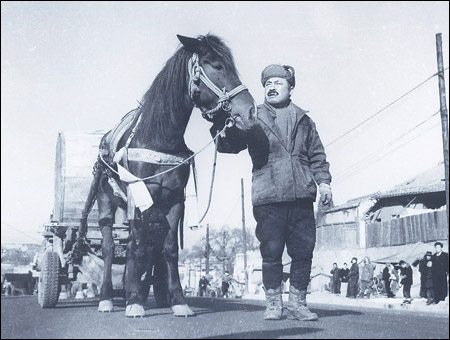
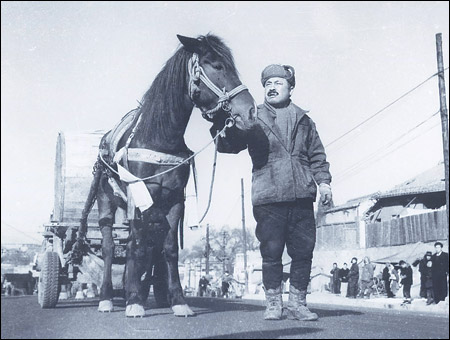
In the early 1960s, Korea was striving to become a developed economic country following the terrible losses from war with the North. A single father (Kim Seung-ho (김승호) attempts to support his family as a ‘coachman,’ a laborious and poorly-regarded job pulling a horse and cart, yet his efforts are limited due to the rising number of cars and growing affluence of the middle-classes. His four children are also struggling. The eldest son is studying for his third attempt to pass a law exam, while his youngest is a thief; his eldest daughter is mute and suffers from domestic violence, while the other employs her looks in order to acquire a rich husband. With life a continual daily struggle and debts mounting, events transpire that serve to make it even more challenging.
The Coachman is heralded as one of the great cinematic achievements in Korean film history, and it’s a distinction that is wholly deserved. Director Kang Dae-jin’s tale of familial strife during a period of enormous social and economic upheaval is absolutely brilliant, and is a landmark not only in regards to superb storytelling but also in capturing the spirit of the era. Furthermore, the Silver Bear Jury Prize was awarded to the drama at the 1961 Berlin International Film Festival, marking the first time for a Korean film ever to win a major trophy overseas.
The coachman struggles to support his family during a time of great economic change
In its portrayal of a country in the midst of enormous social and economic development, The Coachman is strikingly effective. The film opens with the coachman’s youngest son, a student and part-time thief, as he is chased for stealing a bike. As the young man weaves through the streets towards his neighbourhood, the cinematography beautifully captures the central issue of the story as the houses transition from affluent middle class abodes to traditional hanok houses, which then give way to slum-like homes built of scrap material. Director Kang wonderfully articulates the sense of a country struggling with modernity and hardship through the very streets themselves, portraying the fraught class system and living standards of the period during the simple yet incredibly effective sequence, managing to be both equal parts riveting chase as well as a stunning historical lesson.
The economic hardship of the era is insightfully explored through the life of the titular coachman. With automobiles an increasingly common occurrence due to the rising wealth of the middle classes, the coachman finds his occupation gradually becoming more and more irrelevant and as such supporting his family presents an enormous challenge. His employers are characterised as fat, lazy, and unspeakably greedy, with a thoroughly selfish streak that halts them from acknowledging the difficulties of their workers or in taking responsibility. With little other choice the coachman regretfully appeals for aid from a private lender, who hounds them daily about repaying debts. Through the burdens and misfortunes of the coachman the film is a rather scathing indictment of the economic changes in ’60s Korean society and those being left behind, yet his indomitable spirit and desperation to continue working are powerfully uplifting, with the character a fitting metaphoric tribute to the strength and resolve of the lower classes during the era.
The affluent middle classes are often cruel and judgmental
By extension, the suffering endured by the coachman’s children is of particular import. Each member of the family represents societal issues from the period and the different manners in which the populace attempted to cope with the dramatic changes occurring in the peninsula. The eldest daughter, who is mute, is married to a vile abusive man through an arrangement with her father (and the film’s only reference to the war). Such a union should guarantee the daughter a life of comfort, yet her suffering is indicative of the terrible treatment women and the disabled were forced to endure at the time. Tremendous pressure is heaped upon the eldest son who is studying to become a lawyer, yet after two failed attempts the outlook is grim. As such he intends to follow in his father’s footsteps, which would ultimately continue the cycle of poverty for the family. The youngest daughter attempts to use her appearance and deception in order to acquire a wealthy husband, marrying out of the class mould in which she she born. The youngest, and largely ignored, son is a thief often in trouble with the law. Each sibling is desperate to evade the economic hardships of the era through the means available to them, with each representation a powerful portrayal of the societal desire to not be forgotten or abandoned during the rapid modernisation of the country.
Yet while the drama is a provocative account of Korean society in flux, The Coachman never succumbs to brooding pessimism. The film is consistently hopeful and entertaining through the ever-say-die attitude of the family, and in particular the charismatic performance of Kim Seung-ho as the father. His jovial character, even when presented with enormous hurdles, is infectious and continually rousing, while his attempts to woo his employer’s housemaid are witty and incredibly enjoyable. The Coachman ultimately presents a family tale of terrible economic hardship yet with a genuine charm that can be attributed to the indomitable spirit of the characters, and by extension, the people of Korea.
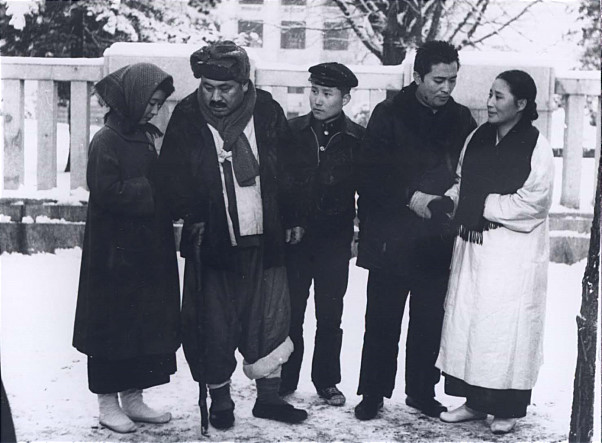
The indomitable spirit the family share helps them through the modernisation of Korean society
Verdict:
The Coachman is undoubtedly one of the great cinematic achievements in Korean film. With his insightful and provocative exploration of the economic hardships facing Korean families in the 1960s during a time of rapid development, director Kang Dae-jin has created a stunning masterpiece that unequivocally stands the test of time.
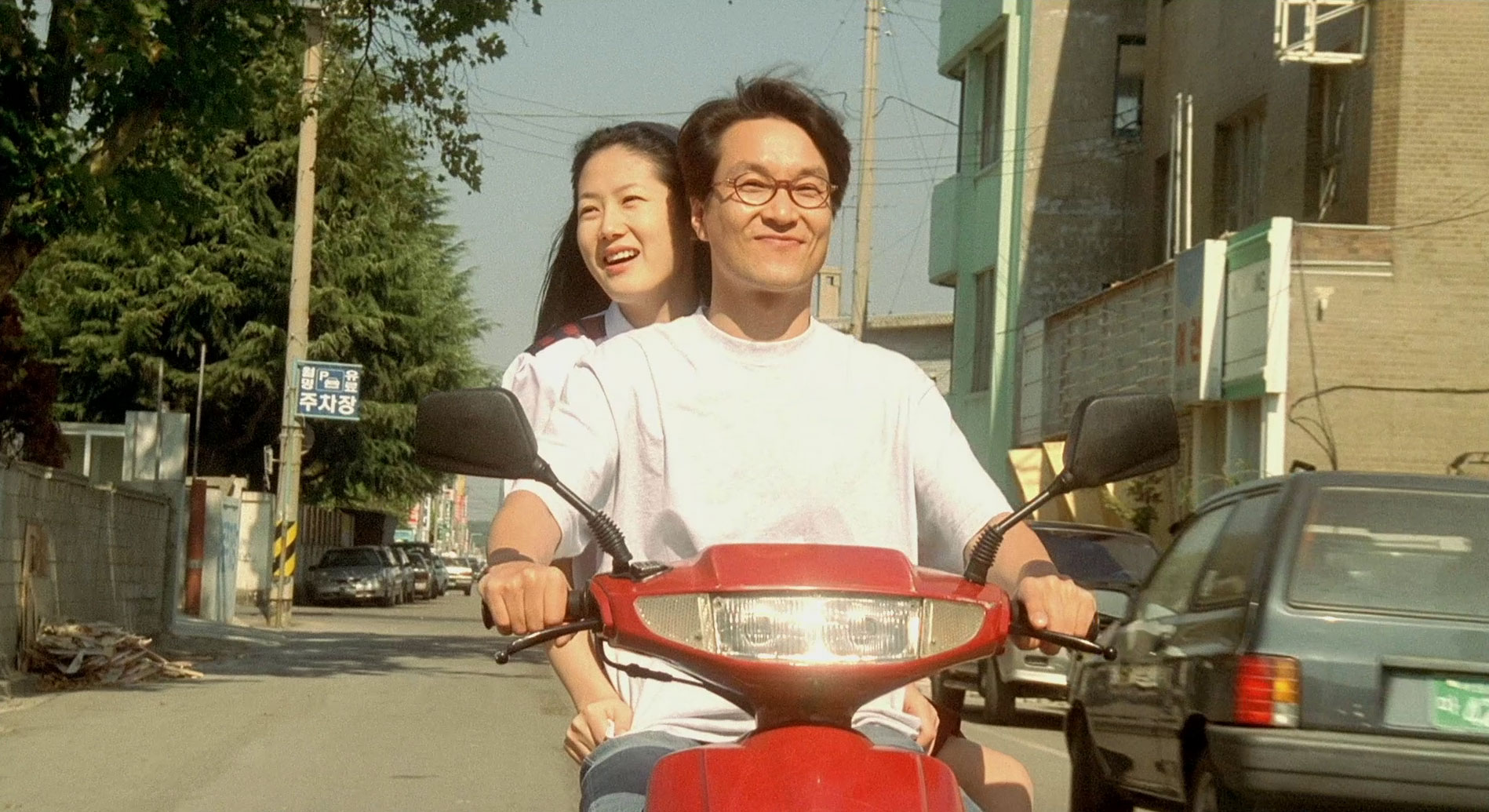
Mild-mannered Jung-won (Han Seok-Kyu (한석규) owns a small photography store in a quiet country town, whiling away his days developing pictures for the locals and spending time with his family. Yet Jung-won is also suffering from a terminal illness that he attempts to deal with in his own quietly introvert manner. His simple lifestyle changes however when attractive parking attendant Da-rim (Shim Eun-ha (심은하) visits his studio in need of urgent service, and the two strike up a subtle relationship. As they gradually begin to cross paths more and more, Jung-won and Da-rim grow ever closer to develop an intimate tale of romance in the scorching heat of summertime.
One hot afternoon, Da-rim enters mild-mannered Jung-won’s life
Christmas in August is a beautifully gentle and sincere romantic drama by director Heo Jin-ho (허진호). Acclaimed as something of a modern classic in Korean cinema, the film manages to skillfully sidestep the melodramatic pitfalls that so often afflict other examples of the genre to produce a wonderfully modest yet insightful tale depicting the origins of love. With Christmas in August, overblown, grandiose gestures are thoroughly rejected and replaced with smaller, more subtle moments that express so much more affection. Scenes involving Jung-won and Da-rim as they share ice creams, converse in the photography studio, and have brief encounters in the village contain a palpable authenticity that is a genuine delight to watch, as their relationship gently develops and deepens. Such instances are heavily reliant upon nuanced performances, and in this regard Han Seok-kyu and Shim Eun-ha, who were at the height of Hallyu stardom at the time, deliver wonderfully. The glances, the exchanges, the body language – all perfectly convey the fragile tenderness of adolescent romance, and as such it’s little wonder that the couple are so iconic in Korean cinema.
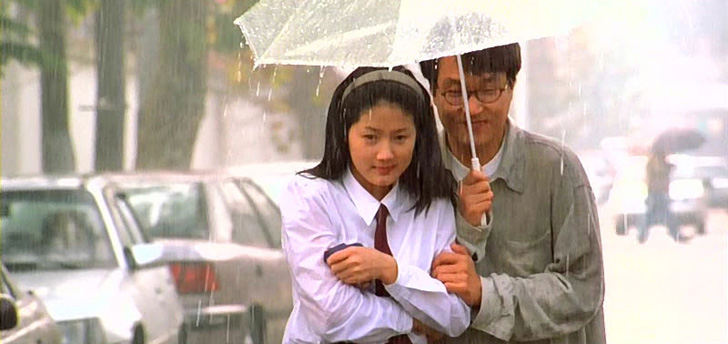
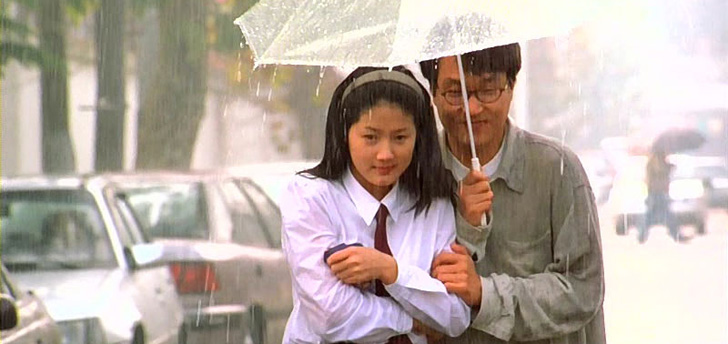
Jung-won and Da-rim become closer in tender and subtle ways
The likability of the couple is also due to the fascinating characterisation ascribed to each, with Jung-won as a sensitive, creative introvert and Da-rim as a headstrong, independent and feisty. Although they are quite different the attraction and intrigue that draws them together is particularly charming. Director Heo makes the wise decision not to exploit Jung-won’s illness within their burgeoning relationship for the sake of melodrama and romance. While the undisclosed illness underpins much of the events that transpire, the story isn’t subsumed by it and it’s to director Heo’s credit that he keeps scales back the drama in favour of character.
Jung-won’s occupation at the photography studio is also an effective metaphor in director Heo’s exploration of love, loss and time. The different situations in which he takes pictures or edits the images for customers is consistently touching as it gives his life purpose and meaning in the quiet country town. The creation of something that will endure beyond his time on Earth conveys his poetic nature, even though he is aware that ultimately everything fades.
In the hot summer months, Da-rim and Jung-won enjoy special moments
Verdict:
Christmas in August is considered a classic of modern Korean cinema, and for good reason. DirectorHeo Jin-ho explores the origins of love with incredible sincerity, never allowing the story to delve into melodramatic cliches and prizing characterisation and subtle, tender moments over excess. With charming and nuanced performances by Shim Eun-ha and Han Seok-kyu, Christmas in August is a lovely tale of love, loss and time.
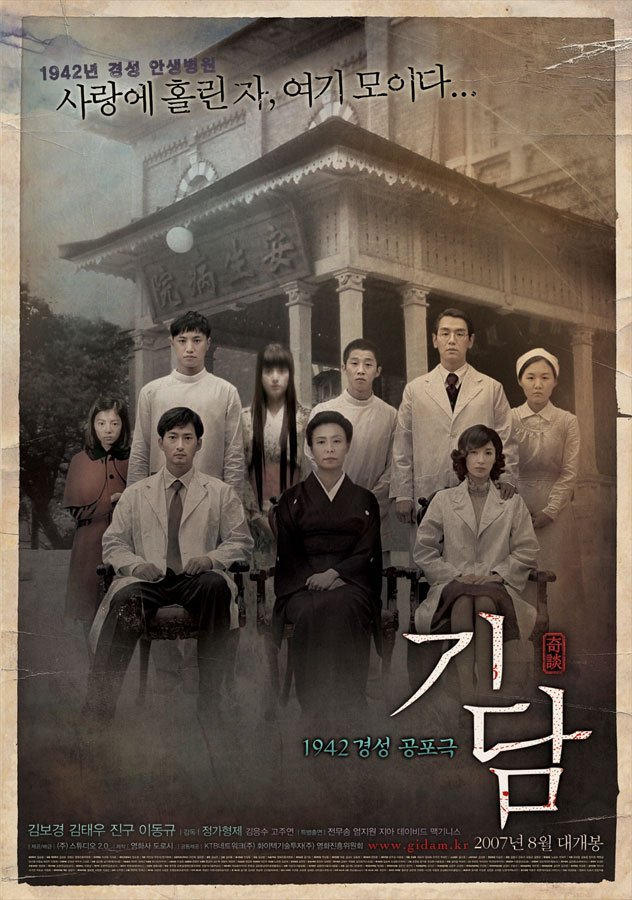
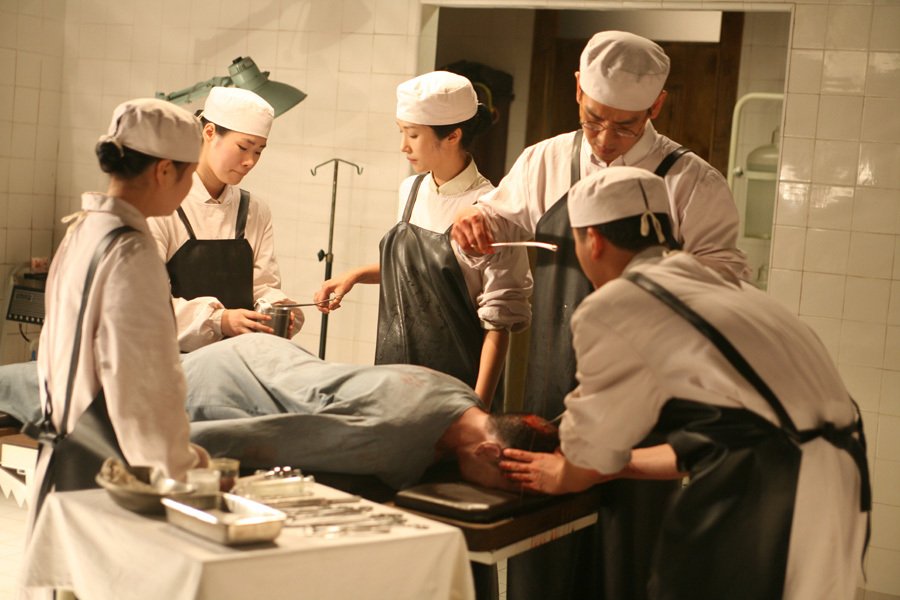
In 1979, aging professor Park Jeong-nam is made aware that Ansaeng Hospital, the institution in which he began to forge his career, is due to be demolished. At home, the professor opens an old photo album featuring pictures from his days as an intern there, and begins to reminisce about an awful four day period that occurred in 1942, back when Korea was under Japanese colonial rule. He recalls how as a young man (Jin Goo (진구) he developed an attraction with the corpse of a beautiful young girl; how a car crash survivor named Asako (Ko Joo-yeon (고주연) was haunted by the ghosts of the tragic event; and of brilliant neurosurgeon Dr. Kim Dong-won (Kim Tae-woo (김태우) and the troubled relationship with his wife Dr. Kim In-yeong (Kim Bo-kyeong (김보경).
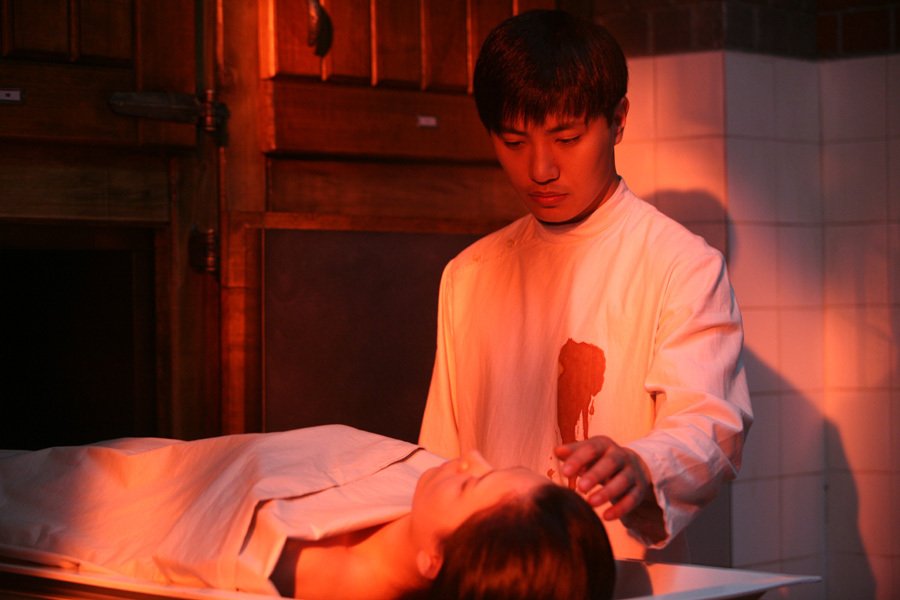
Jeong-nam becomes intrigued by the beauty of a young corpse
Epitaph is an attractive and unsettling horror film, one which is in actuality an omnibus of short supernatural stories loosely tied together so as to masquerade as a feature. This particular narrative structure is one that directors Jeong Beom-sik (정범식) and Jeong Sik (정식) – more commonly known as the Jeong Brothers – returned to in both Horror Stories and its sequel, yet Epitaph manages to marry the disparate events more successfully than their later attempts.
The narrative within Epitaph features three short horror tales set within the confines of the Ansaeng (safe life) Hospital, bookended by scenes of the now-elderly Jeong-nam as he recollects events from his past. As the film jumps between stories and across timelines, the narrative, though entertaining, ultimately becomes a convoluted mess that is often frustrating to endure, and is in desperate need of a re-edit. Yet that said, the three episodes themselves are competently portrayed and engaging. Initially Epitaph focuses on young Jeong-nam as an intern struggling with the gory specifics involved in conducting autopsies, whose attention is captivated by the beauty of a young corpse. The potential of the premise isn’t capitalised upon however as any sense of growing obsession is curiously absent, and as such is primarily used to help set the stage for the other two shorts. The notable highlight of the film comes in the form of the second story involving traffic accident survivor Asako. Attempts are made to combine both a psychological drama with traditional scares and the tale somewhat succeeds. Lastly, a doctor becomes suspicious of his wife as a vicious serial killer is on the loose. In each case, the directors simply capture the events that transpire without managing to generate the required tension and suspense, resulting in a horror film that, aside from a few unsettling moments, is crucially lacking in scares.
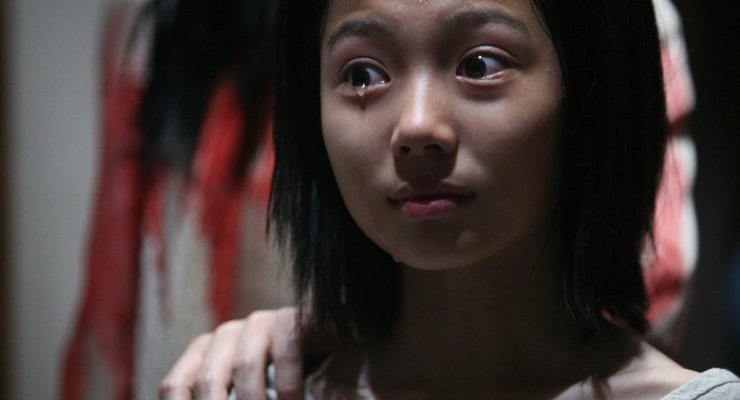
Youngster Asako is haunted by the ghosts of a car accident
Epitaph is additionally guilty of not only employing a wide range of cliches, but also rather blatant replications from superior horrors that often border on plagiarism. It’s a shame the Jeong Brothers have opted for such an approach as the set-up, and particularly the time period, lends itself well to the creation of a uniquely Korean horror film. Yet through the incorporation of techniques found better elsewhere, Epitaph never moves beyond being simply entertaining and into the realm of genuinely frightening.
Ultimately the real power of the film lies onscreen within the compositions and shots, which are consistently impressive throughout. At the 2007 Blue Dragon Awards, such prowess was recognised as Yun Nam-ju was presented with the Best Cinematography award, while Best Art Direction went to Kim Yu-jeong and Lee Min-bok. Each location is wonderfully constructed to convey the 1942 era credibly, with the aesthetics of each tale generating a unique, yet interconnected, atmosphere. The hospital interiors including the hallways and the mortuary are of particularly of note in the first tale, which bridge seamlessly into the second and third stories as youngster Asako receives treatment while the married doctors conduct their work. Furthermore, Asako’s nightmares allow the artistic direction to move into more surrealist territory as well as incorporate some wonderfully composed exterior shots, which links well to the otherworldly Japanese-esque arenas in the final story. In each instance the designers manage to simultaneously articulate the mood and sensibilities of each tale while linking it within the context of the whole, making Epitaph quite the visual treat.
Dangerous neurosurgery is conducted at the institution
Verdict:
Epitaph is a competent and visually attractive horror film by directors Jeong Beom-sik and Jeong Sik, better known as the Jeong brothers. The omnibus film features three tales that are generally unsettling rather than frightening, largely due to the haphazard narrative structure and employment of cliched tropes from superior examples of the genre. Epitaph is a solid, though unremarkable, addition to the K-horror canon.
One of the great joys of Korean cinema are the unexpectedly fascinating twists and turns of plots; of startlingly powerful scenes examining issues of ‘han’ juxtaposed with quiet, intimate ones; of characters who endure the most difficult of circumstances in Korean society yet refuse to falter.
Here we celebrate 10 of the most memorable moments of Korean cinema from 2014.
The scenes discussed are featured in alphabetical order of the films they featured in, and mark the most emotionally resonating, the funniest, and most shocking moments of the year
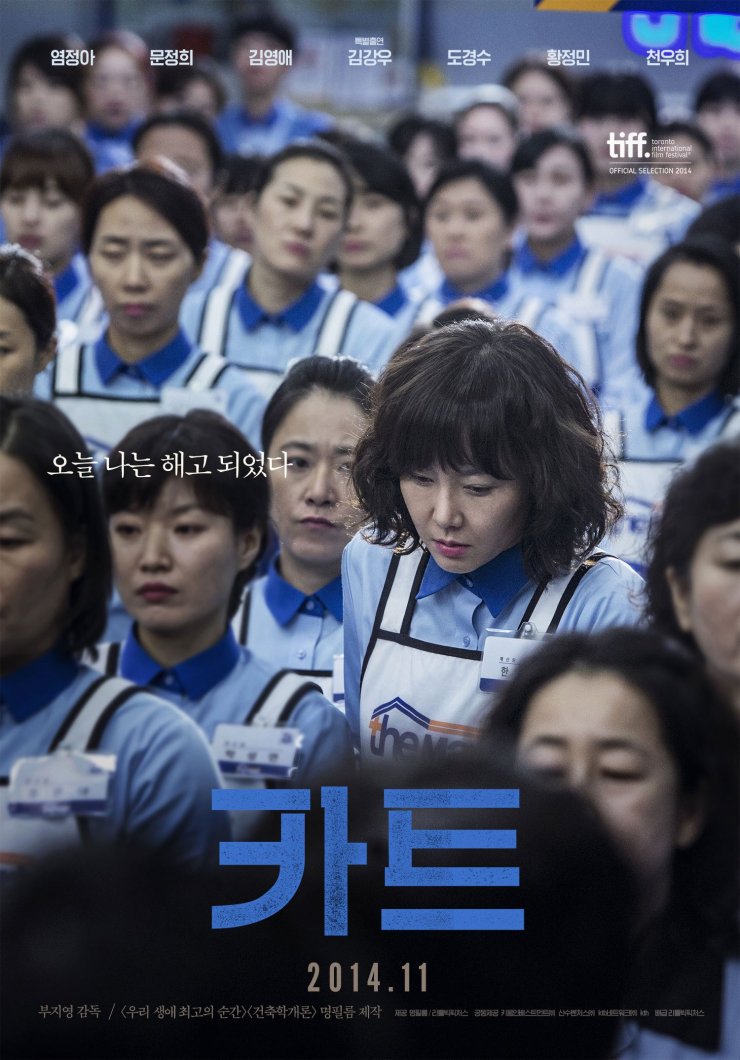
Following a minor conflict with customers at the supermarket, Hye-mi ends her shift and prepares to leave…until those customers, headed by management, descend upon her demanding an unwarranted apology. However a mere apology isn’t enough for the spiteful patrons. In an unbearably humiliating scene, Hye-mi is forced to get on her knees and beg forgiveness for something that wasn’t her fault, with director Bo Ji-young impressively building the indignity and shame to anger-inducing levels. Actress Moon Jeong-hee is incredible throughout the scene, wonderfully conveying the soul-swallowing, abject shame she is forced to endure in order to keep her job.
Such economic arrogance certainly strikes a chord with Korean audiences as, ironically, only a couple of months after Cart‘s release, the Korean Air ‘nut rage’ scandal enraged the country and calls forth the exact same issues dealt with in the film.
The Fatal Encounter was certainly one of the most attractive Korean films released in 2014 and is a stunning debut showcase of director Lee Jae-gyoo’s prowess.
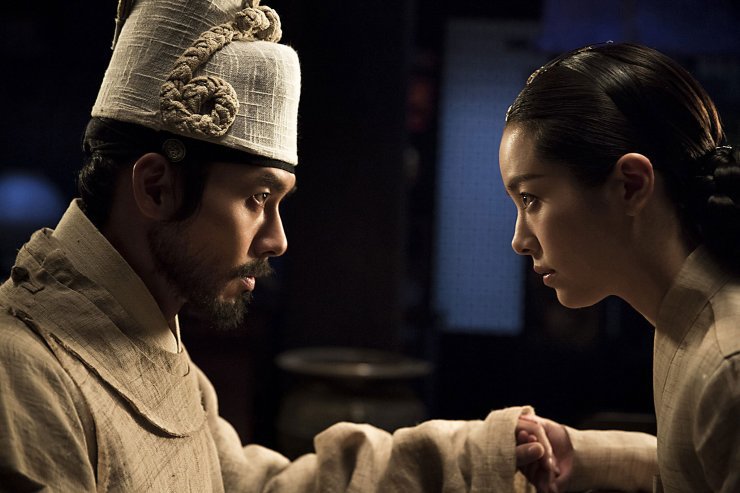
In one of the most intense scenes, King Jeongjo plans to visit his grandmother…yet rather than an old woman, he is confronted with stunningly beautiful actress Han Ji-min. During the encounter the sexual tension and danger of the situation is palpable, as the two engage in a battle of wits while the ‘grandmother’ seductively bares her perfect skin to the young king.
The scene wonderfully captures the danger and eroticism of the period with incredible tension, highlighting not only director Lee’s skill but also the acting abilities of Han Ji-min and Hyeon-bin.
When police officer Yeong-nam decides to act as guardian for troubled youth and domestic violence victim Doo-hee over the summer, neither of them could ever expect the end result. Incarcerated due to her sexuality, Yeong-nam’s life is effectively over, until Doo-hee takes matters into her own hands.
Plying her father with alcohol until he passes out, Doo-hee undresses and crawls into his bed before calling the police and, while the line is connected, shockingly fakes sexual abuse at his hands, incriminating him as the perpetrator of a horrific crime while also exonerating the innocent Yeong-nam.
Actress Kim Sae-ron is simply excellent throughout the disturbing sequence, conveying Doo-hee as vulnerable yet frighteningly manipulative.
When the immigration plans go awry, the cutting begins
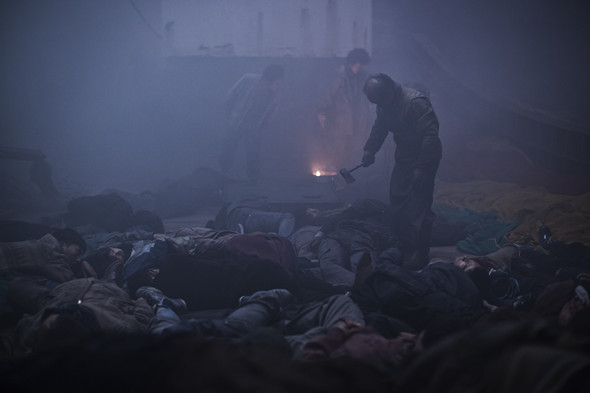
Agreeing to take illegal Chinese immigrants into Korea, captain Cheol-joo becomes increasingly nervous…particularly when the coastguard comes for a surprise inspection. The crew hurriedly force the newly acquired passengers into a special room in the hull until danger has passed, yet when they reopen the hatch they are horrified to discover the immigrants are all dead.
Not knowing what to do, the ruthless captain orders his men to grab a tool and begin cutting up the bodies and to throw the limbs overboard. As the crew horrifically hack and slash their way through the innocent travelers the deck literally turns red with blood.
Director Sim Seong-bo brilliantly stages the terrifying scene with wonderfully composed shots and the dense, lingering fog within which the brutality takes place.
Detective Go genuinely has one of the most difficult days in his career. His mother has died. He is under investigation by internal affairs. And he kills a man in a shocking hit and run accident.
Desperate to get rid of the body, Go does the unthinkable and decides to put the body in the same coffin as his dead mother. Yet in order to do so, he must position his car perfectly, use his daughter’s toy to drag the body through an air vent, unscrew the nails in the coffin and replace the lid – all while avoiding CCTV cameras as well as the funeral parlour workers. Amazingly Go manages to succeed in his frantic quest and begins to relax….until the man’s cellphone begins ringing from inside the coffin.
Easily one of the most exciting, darkly hilarious moments of the year.
One of the most powerful stories is the forced termination
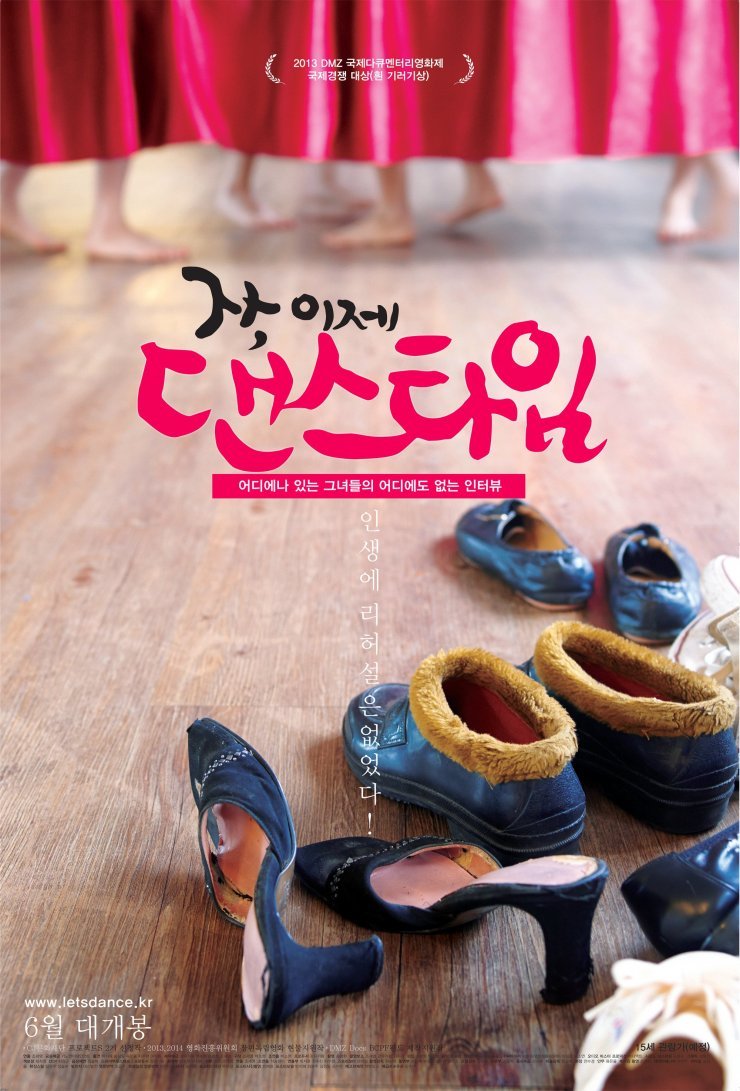
Let’s Dance is a moving, insightful documentary on the topic of abortion in Korea. Director Jo Se-young expertly interviews a variety of women who have undergone the procedure – some who actively wanted it, some who were in a difficult situation and needed it, and one who was forced.
Listening to the woman’s story is heartbreaking as she describes her relationship with a selfish, manipulative boyfriend who refused any part of the situation and forced her to deal with it alone. As she explains her trepidation surrounding the issue and the resultant lateness in having the abortion, it’s impossible not to be deeply, fundamentally moved. The descriptions of her situation and psychologically at that time are incredibly powerful as well as illuminating, and poignantly highlight the need for support for women in challenging relationships and situations.
In the film’s final moments, Mr. Park reveals his younger self
For much of the running time, Miss Granny is simply a mild-mannered comedy, one that induces the occasional giggle rather than laughter.
That all changes however during the film’s final few minutes as elderly Mr. Park, who had desperately tried to woo Mal-soon (and supported her younger self, Doo-ri), visits the same magical photography studio. He then visits the bus stop to meet Mal-soon, approaches her, and takes his helmet off to reveal…Kim Soo-hyeon.
Through this genius cameo, cinemas exploded as viewers screamed and whooped at Kim’s presence, and guaranteed that cinemagoers would leave the theater excited and spread positive word of mouth about the film. You can see Kim’s big reveal in the video below.
In an extremely emotional scene, Sang-mo washes his wife
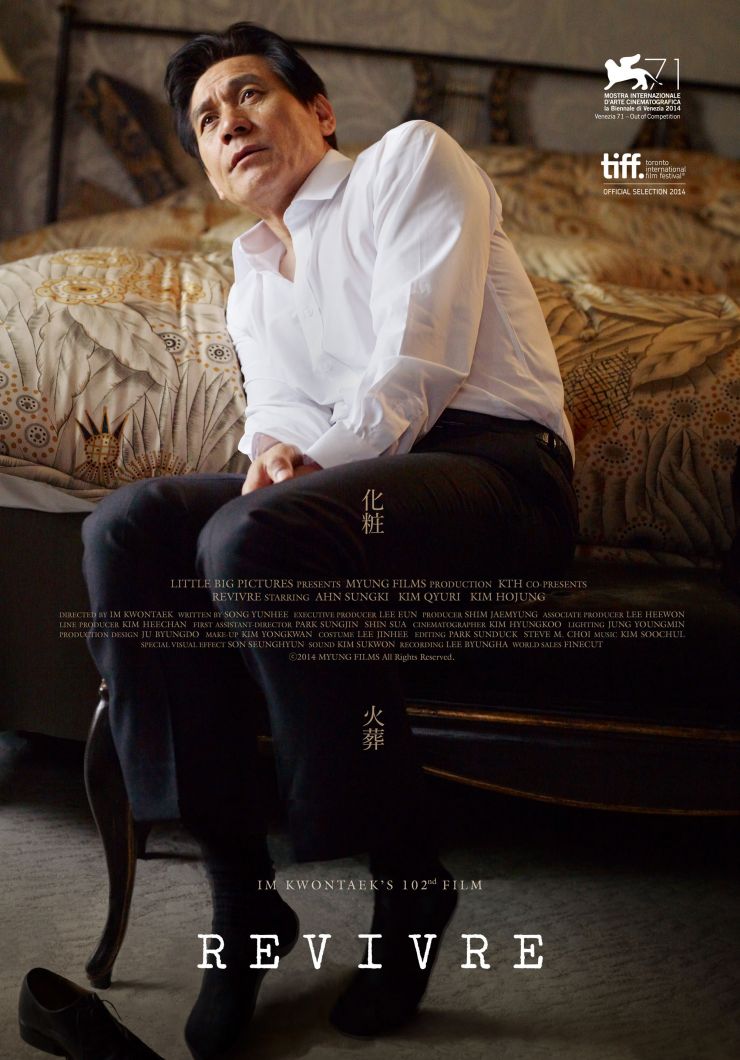
Revivre is a highly emotional film, largely due to the phenomenal acting prowess of Ahn Sung-gi.
In the film’s most powerful scene, Sang-mo’s (Ahn) terminally ill wife loses control of her bowel and soils herself, and as a dutiful husband he takes his wife to the bathroom and washes her. Yet the abject humiliation is too much to bear and she emotionally breaks down in tears, while Sang-mo tries to support her and remain strong. However what makes the scene so poignant is its depth. Sang-mo’s love for his wife has faded and he is merely being a responsible husband, which his wife is all too aware of. As such the intensity of her embarrassment and the emotional resonance of the situation are heightened beyond words.
A masterclass in acting ability by Ahn Sung-gi and Kim Ho-jeong.
As Korean unfortunately has one of the highest rates of suicide in the OECD, and one which is especially high amongst teenagers, naturally filmic narratives have sought to portray the issues youths face on a daily basis. Most films tend to focus on the teen suffering from abuse, yet Thread of Lies instead explores the lives of those effected by Cheon-ji’s suicide with flashbacks revealing her decent into depression and those responsible for it.
Modern bullying is distressingly articulated through the birthday party scene, in which Cheon-ji arrives at the event late after being told the wrong time. When she does enter, all the girls at the party begin using a social messenger application to spitefully criticise the distraught young girl right in front of her. Her loneliness and isolation are poignantly captured in this powerful scene, conveying that everyone in Cheon-ji’s life contributed to her depression and are accountable for her suicide.
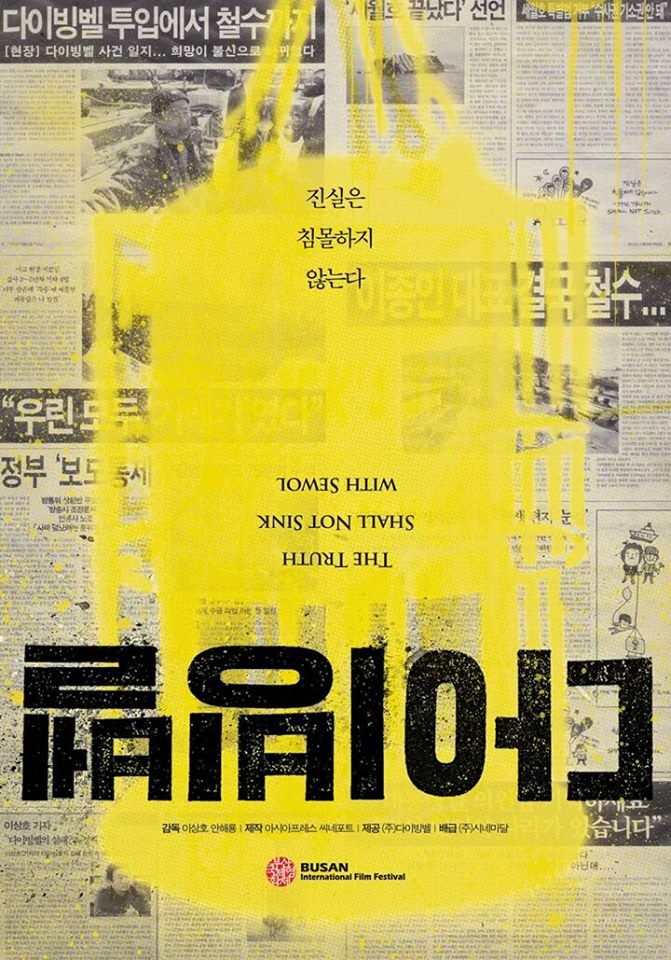
Easily the most controversial film of the year, The Truth Shall Not Sink With Sewol examines the inept response following the disaster, with the investigative journalist style elevating the documentary heads and shoulders above other releases.
Yet the most emotionally harrowing scene comes in the film’s last few minutes, as director/journalist Lee Sang-ho joins a protest march as parents of the deceased demand action from the government. Asking a father about his feelings and regrets, the grieving man sobs as he states how he wishes he’d told his child to not listen to the officials, how he wished he’d said to run and escape, how his child is not alive today because of his poor advice. Director Lee desperately attempts to console the father despite his own free flowing tears…and audiences were right along with them.
With the end of the year almost upon us, it’s time to revisit the films released over the past 12 months in order to discern the best offerings from the Korean film industry for 2014.
First, however, a quick review of the year is in order to chart the highs and lows from the peninsula, as it was a tumultuous time for Korean cinema indeed.
For those who cannot wait, please scroll down to find the top ten of 2014.
2014 – In Review
2014 was, by all accounts, a rather lacklustre year for Korean cinema.
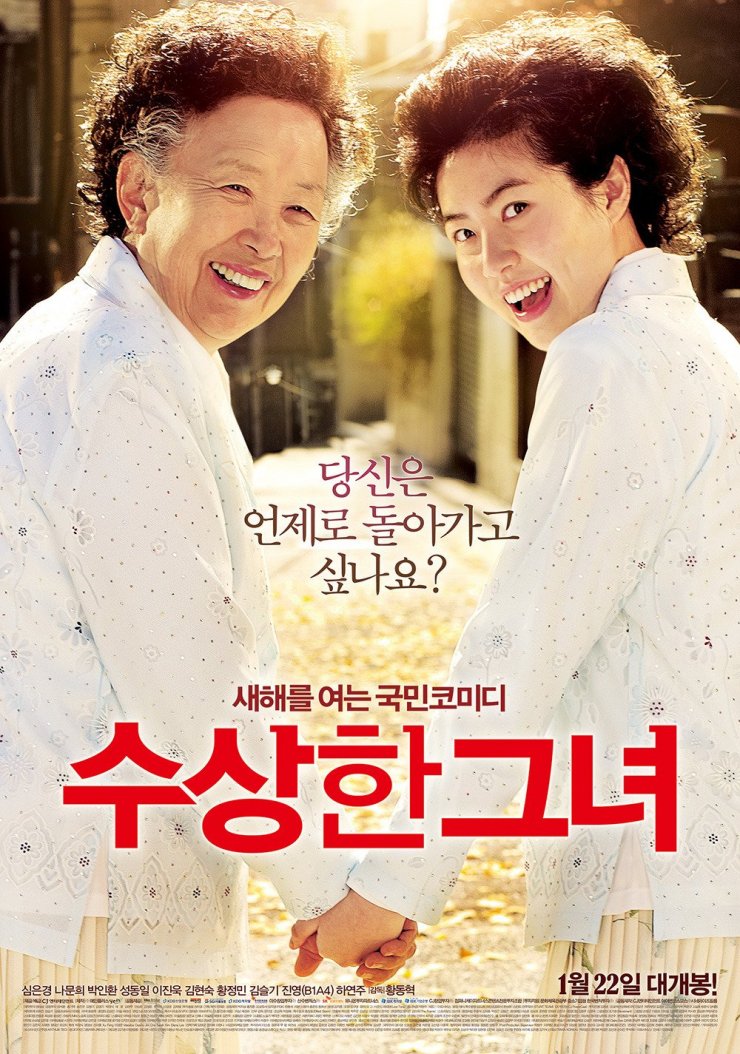
Miss Granny (수상한 그녀)
The beginning of the year was undoubtedly dominated by Hollywood. While the release of several high profile Korean films including Plan Man, Man in Love, Hot Young Bloods and Venus Talk occurred, none of them performed particularly well, especially when faced with the gargantuan success of Disney’s Frozen. Things changed at the end of January with the release of Miss Granny, thanks largely to positive word of mouth. Starring Shim Eun-kyeong as an elderly woman transformed into twenties, the mild-mannered comedy was a fairly big success scoring over 8.6 million admissions. Controversial independent film Another Promise also performed impressively. Concerned with people stricken with cancer after working at a Samsung factory, the film was all but rejected from multiplexes causing outrage from critics as well as accusations of insider suppression, even prompting an article from UK outlet The Guardian.
For the next few months, Korean cinema continued to stagnate until things went from bad to worse in the wake of the tragic Sewol Ferry disaster on the 16th of April. With the entire nation reeling from the loss of so many lives – mostly high school students – cinemas, understandably, largely remained empty. For the next few months, with the population still in a collective state of mourning, attendance and revenue was considerably down compared to the year prior, with audiences also tending to stay away from violent films such as No Tears For The Dead and Man On High Heels.
Indie success came in the form of Han Gong-ju. Released in April, the film scored over 60,000 admissions during its first four days, and eventually surpassed 160,000 during its box office run to become one of the most successful independent films in the history of Korean cinema. Han Gong-ju was also an enormous hit on the international film festival circuit, achieving several top honours as well as acclaim from cinema maestro Martin Scorsese.
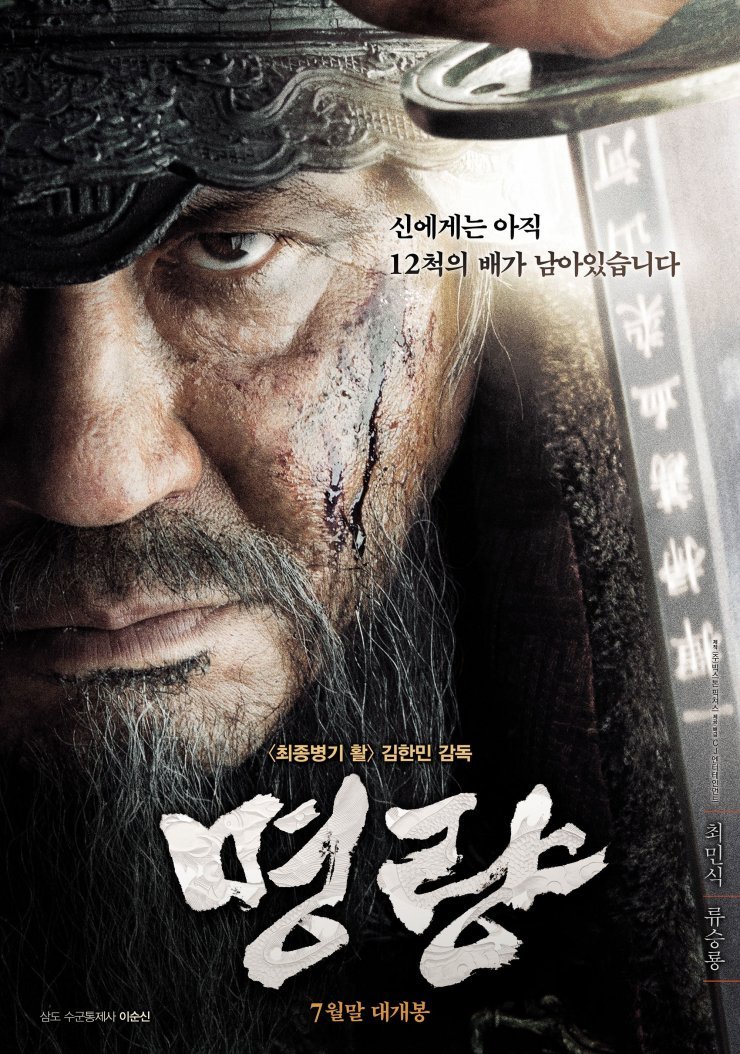
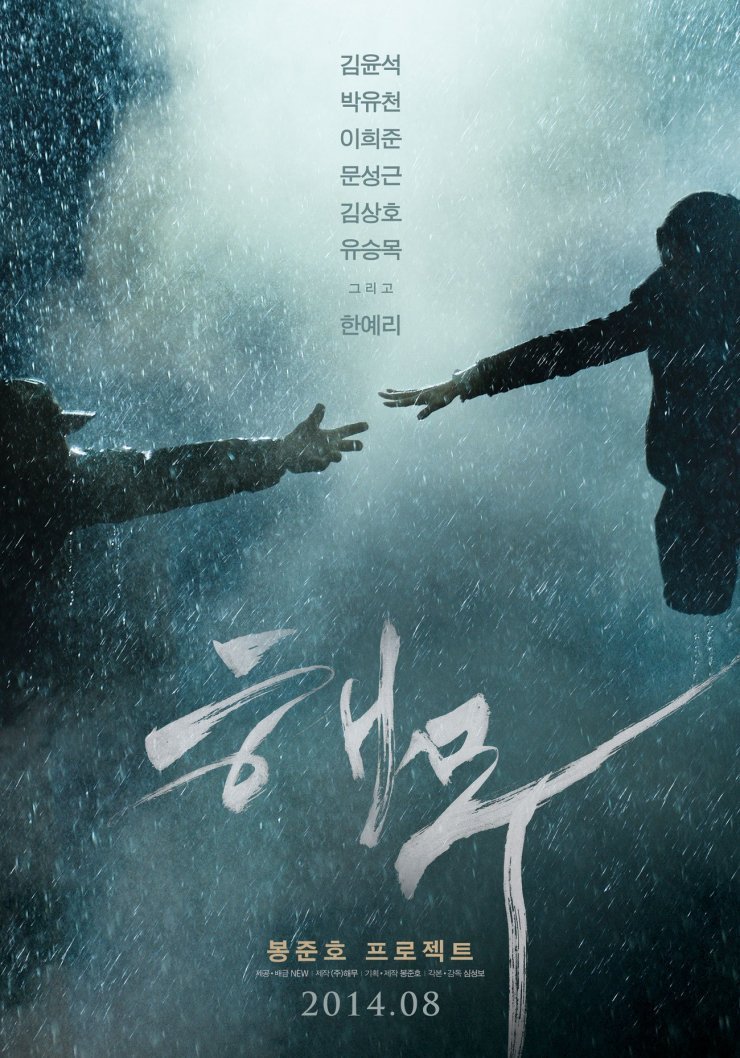
Things turned around considerably in late July. Upon release, KUNDO: Age of the Rampantbroke the record for opening day admissions and helped to breath new life into the industry…until that record, and virtually every achievement in Korean cinema, was decimated by historical naval epic The Admiral: Roaring Currents. Shortly thereafter the final two tentpole summer films – The Pirates and Haemoo – also graced screens to moderate success. Fears that the blockbusters would fail due to narratives that contain deaths at sea, and thus touching on the still sensitive issue of the Sewol tragedy, luckily proved to be unfounded.
The next big news to hit the industry came in the form of controversial documentary The Truth Shall Not Sink With Sewol. Premiering at the Busan International Film Festival, Sewol depicted the ineptitude of the government in failing to save so many lives during the disaster. Park Geun-hye’s administration responded by demanding the withdrawal of the film from the festival, as well as threats of funding cuts. BIFF refused, and it remains to be seen what ramifications the decision will have on subsequent festivals.
The year ended on a high note, particularly for independent cinema, as positive word of mouth led to documentary My Love, Don’t Cross That River (님아, 그 강을 건너지 마오) attracting over 1 million viewers and knocking Hollywood films Interstellar and Exodus from the top spots at the box office. It currently stands as the second most successful documentary in Korean cinema history.
Before beginning the top ten countdown, it would be impossible to exclude any discussion of Han Gong-ju. Rated in joint first place in last year’s ratings (due to its premiere at BIFF), director Lee Su-jin’s directorial debut is bold, powerful, and emotionally resonating. Featuring an outstanding performance by Chun Woo-hee – who won Best Actress at the Blue Dragon Film Awards – Han Gong-ju is based on the true story of a high school girl who is forced to relocate to a new area following an horrific event. As she attempts to rebuild her life, Gong-ju discovers that she cannot outrun her past however much she tries. Appearing at over 15 international film festivals and receiving acclaim from Martin Scorsese himself, Hang Gong-ju is not to be missed.
Manshin: Ten Thousand Spirits is a beautifully stylised, wonderfully constructed documentary that is emblematic of the new artistic approach being employed to genre. Directed by artist/filmmaker Park Chan-kyong, Manshin presents the life and times of renowned shaman Kim Keum-hwa through a startling array of storytelling devices, all in the aesthetic of traditional Korean culture. Periods from shaman Kim’s life are gorgeously reconstructed featuring three prominent actresses – Kim Sae-ron, Ryoo Hyeon-kyeong and Moon So-ri – which, while interesting in itself, is also a story that explores the cultural identity of Korea in the rapid transition from one of the poorest nations in Asia to the economic powerhouse it is today.
Amalgamating several real life stories that have transpired over the years, Korea’s most prominent queer director, Lee Song Hee-il, released arguably his most compelling film to date in the form of Night Flight. Poignantly depicting the relationship of two teenage gay Seoulites and their desire to escape their oppressive environment, director Lee Song goes beyond focusing primarily on the romance by profoundly developing the world they inhabit. The harsh education system, the class divide, single parent families and social injustice all feature, and as such homosexuality is naturalized as simply another facet of identity that youths struggle with, resulting in an insightful and compelling drama.
Documentary Let’s Dance is concerned with the topic of abortion in Korea. Director Jo Se-young brilliantly interviews a variety a women who have undergone the procedure, inquiring about their thoughts, reasons and feelings about the controversial subject matter. Yet the film is far from bleak; in fact it’s quite the opposite. During the refreshingly frank conversations the women laugh, joke and cry about their experiences, while dramatic recreations of comical events are interlaced within, making the documentary a genuinely funny, enlightening, and empowering film. The film also hilariously pokes fun at male ignorance on the subject, including lack of awareness regarding contraception and even the length of pregnancy. Inspirational viewing.
Director Boo Ji-young’s insightful second feature film Cart premiered at the Toronto International Film Festival to great acclaim, and for good reason. Based on the true story of unfairly dismissed supermarket employees who began strike action to be reinstated, Cart is a consistently impressive exploration of worker’s rights, women’s issues, and single parent families in contemporary Korea. The provocative drama explores each facet from several distinct perspectives and never fails to be engaging. It also has the distinction of being almost entirely female-centered to great effect, with acting duties from a host of incredibly talented actresses of all ages, combining to produce a moving, courageous and provocative socially-conscious drama.
South Korea has the unfortunate distinction of having one of the highest suicide rates in the OECD. Thread of Lies tackles such difficult subject matter by exploring the lives of those effected in the aftermath of a young girl’s suicide, and is a powerfully provocative film in that the story not only depicts bullying and depression, but also delves into the problematic realm of accountability. Driven by the need for answers, Man-ji begins investigating her younger sister’s suicide, with the conclusions proving to be a painful experience. Thread of Lies is also notable for having a stellar all-female cast, a real rarity these days, with the array of talent combining to produce an understated yet deeply resonating examination of an important social issue.
Easily the most controversial Korean film of the year, documentary The Truth Shall Not Sink With Sewol premiered at the Busan International Film Festival to uproar. Under pressure from government officials and the mayor of Busan/Festival Chairman Seo Byung-soo himself to remove it from the schedule, BIFF ultimately refused and screened it anyway to reveal a highly emotional and courageously critical exploration of the administration’s disastrous rescue efforts following the Sewol tragedy. Through the investigative approach of director Ahn Hye-ryong and journalist/director Lee Sang-ho, the documentary is a powerful tribute to not only the victims of the event but also the ongoing debate of accountability, and the collusion between the state and mass media.
If there’s one genre synonymous with Korea cinema, it’s the thriller. Yet over recent years thriller films have tended to fall a little flat, a result of over-saturation combined with a lack of ingenuity. Not so with director Kim Seong-hoon’s A Hard Day. Premiering at Cannes Film Festival, the action extravaganza is perpetually riveting entertainment and a wonderful example of great popcorn cinema, so much so that the 2 hour 30 minute running time simply flies by. Featuring an exciting array of set pieces throughout, A Hard Day is a constant mix of excitement and tension that serves to keep the audience guessing – due in no small part to the phenomenal editing – while the ironic dark humour laced within the story always hits the mark.
Nominated as Korea’s official entry for the Academy Awards, Haemoo – or Sea Fog – is based on the horrific true story of illegal immigration gone wrong. Director Shim Seong-bo’s directorial debut is a thrilling visual tour de force, expertly capturing the fraught claustrophobia of life on a small fishing vessel and the abject horrors that occur. Produced by Bong Joon-ho and featuring cinematography from Hong Kyeong-pyo (Snowpiercer), the drama expresses a profound and distinctive aesthetic throughout, as well as great performances from the stellar cast and particularly from up-and-comers Han Ye-ri and Kpop star Park Yoochun. As such, Haemoo is certainly one of the best Korean thrillers in recent years.
After seemingly years of performing authoritarian cameo-esque roles, Ahn Sung-gi once again revealed why he’s considered one of the best in the business with an outstanding return to form in Revivre. Veteran director Im Kwon-taek‘s 102nd film, Revivre explores the life of a middle-aged vice president whose wife is stricken by a terminal illness, yet while he struggles to balance his responsibilities a beautiful new deputy manager begins working in the office who captivates him. What could easily be yet another typical male fantasy is given extraordinary emotional depth due to director Im’s and Ahn Sung-gi’s seasoned hands, both of whom combine to depict a man torn between duty and desire with striking sincerity.
Director July Jung’s directorial debut A Girl At My Door premiered to a standing ovation at the Cannes Film Festival, which in itself states the incredible power of the film. Produced by famed brothers Lee Chang-dong and Lee Jun-dong, the drama beautifully explores the themes of alienation and discrimination in contemporary Korea, featuring phenomenally understated performances by Bae Doo-na and Kim Sae-ron, as well as accompanied by some of the most exquisite cinematography seen all year. The sensitive and poignant story wonderfully captures the issues faced by those on the fringes of Korean society with incredible sincerity, and as such occupies the top spot in the list. Highly recommended and essential viewing.
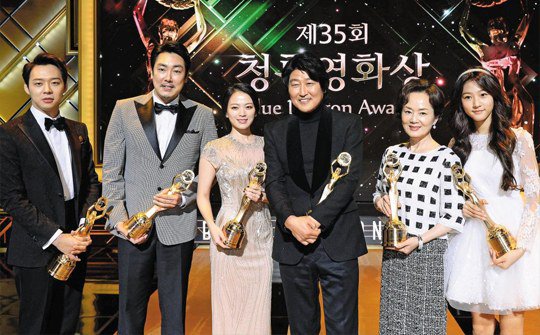
Best Film was awarded to politically charged drama The Attorney which also saw Song Kang-ho win for Best Actor and Kim Hee-ae for Best Supporting Actress.
Best Actress went to Chun Woo-hee for her performance in independent drama Han Gong-ju and appeared genuinely surprised by her victory, so much so that she cried upon receiving the award. Her tearful acceptance speech can be seen below. Han Gong-ju also picked up another award, this time for Lee Su-jin for Best New Director.
The award for Best Director went to Kim Han-min for helming The Admiral: Roaring Currents, which also scooped the Audience Award for Most Popular Film.
Meanwhile action thriller A Hard Day scored Best Supporting Actor for Cho Jin-woong, Best Screenplay for Kim Seong-hoon, and Best Editing for Kim Chang-joo.
Best New Actress went to Kim Sae-ron for her role in A Girl At My Door, while Park Yoo-chun scored his 4th Best New Actor victory for Haemoo.
The winners of the best actor and actress categories from the night



























 hangukyeonghwa.com